

Do massage ball exercises really work?
Yes. Massage ball exercises are a practical form of self-myofascial release that help reduce muscle tension by applying controlled pressure to tight, sensitive areas known as trigger points. When performed for just 5–10 minutes a day, they can improve circulation, increase mobility, ease muscle soreness, and support recovery after exercise or long periods of sitting. While they are not a substitute for medical treatment, consistent use can be an effective addition to a regular mobility routine.
Massage Ball Exercises: Easy Moves to Release Tight Muscles
Whether you spend hours at a desk, exercise regularly, or simply wake up with stiff muscles, massage ball exercises offer a simple way to release muscle knots and improve flexibility at home. With only a few minutes of daily practice, you can target common problem areas, restore comfortable movement, and reduce everyday muscle tightness without specialized equipment.
⏱ 5 min read
Curious how to ease tension in minutes? Discover how a portable vibrating massage ball for muscle recovery can support your recovery routine.
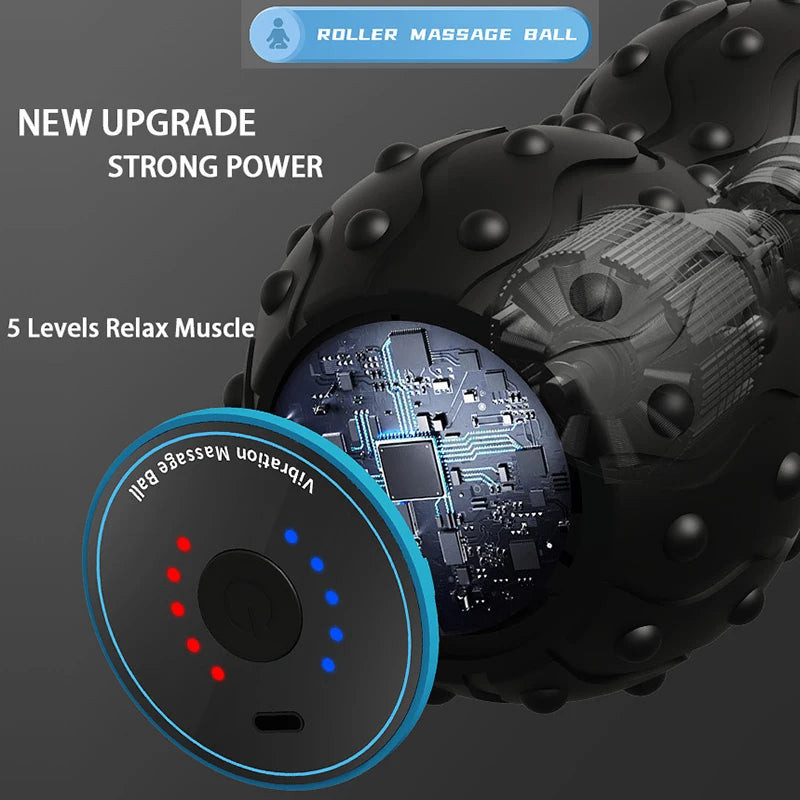
Massage ball exercises help release tight muscles and improve everyday mobility.
How Massage Ball Exercises Instantly Relieve Muscle Tension
Massage ball exercises work by applying sustained pressure to tight muscles and trigger points, encouraging the surrounding tissue to relax. This self-myofascial release technique can temporarily reduce muscle stiffness, improve blood flow, and restore range of motion when used consistently.
Key benefits include:
- ✅ Targets muscle knots with focused pressure
- ✅ Helps improve circulation to tight tissues
- ✅ Supports flexibility and joint mobility
- ✅ Reduces post-workout soreness and everyday muscle tension
- ✅ Easy to perform at home with minimal equipment
For those who prefer additional stimulation, a portable vibrating massage ball for muscle recovery combines targeted pressure with gentle vibration to help muscles relax more comfortably during each session.
Ready to get started? Continue below for simple massage ball exercises that target the shoulders, neck, back, hips, and feet.
5 Easy Massage Ball Exercises You Can Do at Home
1. Shoulder Blade Release
- Stand with your back against a wall and position the massage ball between the wall and the muscles beside your shoulder blade.
- Lean in until you feel mild to moderate pressure.
- Roll slowly up, down, and side to side for 60–90 seconds.
- Pause on tender trigger points for 20–30 seconds while taking slow, deep breaths.
This exercise helps reduce tension caused by prolonged sitting, repetitive movements, and poor posture while improving shoulder mobility.
2. Neck and Upper Trap Relief
- Stand against a wall or lie on your back with the ball positioned beneath the upper trapezius muscle, avoiding direct pressure on the neck.
- Apply gentle pressure using your body weight.
- Slowly turn your head from side to side.
- Hold on tight areas for 20–30 seconds before moving to the next point.
Keep your shoulders relaxed and breathe steadily to encourage the muscles to release naturally.
3. Lower Back Reset
- Lie on your back with the massage ball placed beside the spine rather than directly on it.
- Bend your knees to help control the amount of pressure.
- Shift your hips slowly to roll across tight muscles.
- Spend up to 90 seconds on each side before switching.
If you experience sharp pain or numbness, stop immediately and reposition the ball.
4. Foot Roll for Full-Body Relaxation
- Stand or sit comfortably with the massage ball under one foot.
- Roll from heel to toe using slow, controlled movements.
- Apply light to moderate pressure depending on comfort.
- Continue for 2–3 minutes per foot.
Rolling the feet may help reduce plantar fascia tightness while promoting overall lower-body mobility.
5. Hip and Glute Release
- Sit on the floor with the massage ball beneath one glute.
- Support yourself with your hands behind you.
- Lean slightly toward the side being treated and make slow circular movements.
- Pause on sensitive trigger points for up to 30 seconds before continuing.
- Repeat on the opposite side.
This exercise is especially useful for relieving tight hip muscles after long periods of sitting, walking, or exercise.
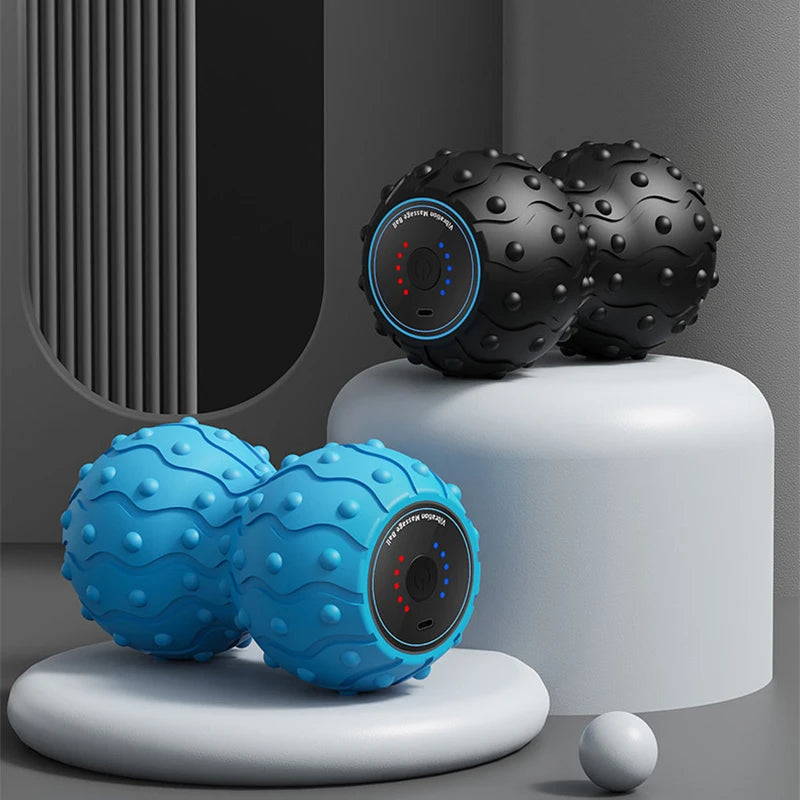
Target deep muscle knots with controlled pressure for improved mobility and recovery.
How to Use a Massage Ball for Maximum Results
Choosing Pressure
Use enough pressure to feel the muscle respond without causing sharp or lingering pain. Mild discomfort is common when working on tight trigger points, but the sensation should ease as the muscle relaxes. If the discomfort increases, reduce pressure or reposition the ball.
Rolling vs. Holding
Both techniques have a place in an effective self massage ball routine. Slow rolling helps locate areas of tightness, while holding steady pressure on a trigger point for 20–30 seconds often provides a deeper release. Combining both methods can improve overall mobility.
Combining with Stretching
After releasing a muscle, follow with gentle stretching while the tissue is warm. This combination may help maintain flexibility and improve range of motion more effectively than either technique alone.
To get the most from your routine:
- ✔ Spend 5–10 minutes per session on one or two muscle groups.
- ✔ Move slowly rather than rushing through each exercise.
- ✔ Maintain steady breathing throughout every pressure hold.
- ✔ Drink water after your session to support normal recovery.
- ✔ Track areas that improve over time and gradually increase pressure only as tolerated.
If you prefer additional vibration during self-myofascial release, a portable vibrating massage ball for muscle recovery can complement these techniques while following the same movement and pressure principles.
Pair your routine with tools from Body Care and Health Devices to build a complete recovery system at home.
Frequently Asked Questions
How often should I do massage ball exercises?
For most people, 5–10 minutes per session is enough. Beginners can start with three or four sessions per week and gradually progress to daily use if their muscles respond well. Allow particularly sore areas time to recover before applying intense pressure again.
How long should I hold a trigger point?
Hold steady pressure on a tender trigger point for approximately 20–30 seconds, or until you feel the muscle begin to relax. Avoid pressing hard enough to cause sharp pain or numbness.
Can massage ball exercises help muscle knots?
Yes. Massage ball exercises are commonly used to reduce tension in muscle knots by applying targeted pressure to trigger points. Regular practice may improve comfort, mobility, and muscle function over time.
Can I use a massage ball every day?
Daily use is generally appropriate for healthy muscles when moderate pressure is used. Rotate between different muscle groups and reduce intensity if you notice lingering soreness or irritation.
When should I avoid massage ball exercises?
Avoid using a massage ball over open wounds, recent injuries, fractures, inflamed joints, bruises, or areas with suspected blood clots. If you have a medical condition, persistent pain, or are recovering from surgery, consult a healthcare professional before beginning self-myofascial release.
What muscles can I target with a massage ball?
A massage ball can be used on many major muscle groups, including the neck, shoulders, upper back, lower back, hips, glutes, calves, feet, chest, and forearms. Avoid placing the ball directly on bones, joints, or the spine.
How long should each massage ball exercise last?
Most individual exercises take 1–3 minutes per muscle group. Focus on quality movements rather than spending excessive time on one area.
Can massage ball exercises replace stretching?
No. Massage ball exercises and stretching work best together. Releasing muscle tension first can make stretching more comfortable and may help improve flexibility and range of motion.
Should I use a massage ball before or after exercise?
Both approaches have benefits. Before exercise, brief rolling can help prepare muscles for movement. After exercise, slower pressure techniques may reduce post-workout muscle tightness and support recovery.
What size massage ball is best for trigger points?
A smaller ball provides more focused pressure for trigger points, while a larger ball distributes pressure over a wider area and is often more comfortable for beginners or larger muscle groups.
Can massage ball exercises help improve flexibility?
Massage ball exercises may improve flexibility by reducing muscle tightness and allowing joints to move through a greater range of motion. Combining self-myofascial release with regular stretching typically provides the best results.
Why do massage ball exercises hurt at first?
Tenderness often occurs because the ball is pressing into tight muscles or trigger points. Mild discomfort is expected, but pain should remain manageable and gradually decrease as the tissue relaxes. Stop if you experience sharp or radiating pain.
How many times per week should beginners use a massage ball?
Beginners should aim for three to four sessions per week, allowing muscles to adapt before increasing frequency. As tolerance improves, daily sessions can become part of a regular mobility and recovery routine.
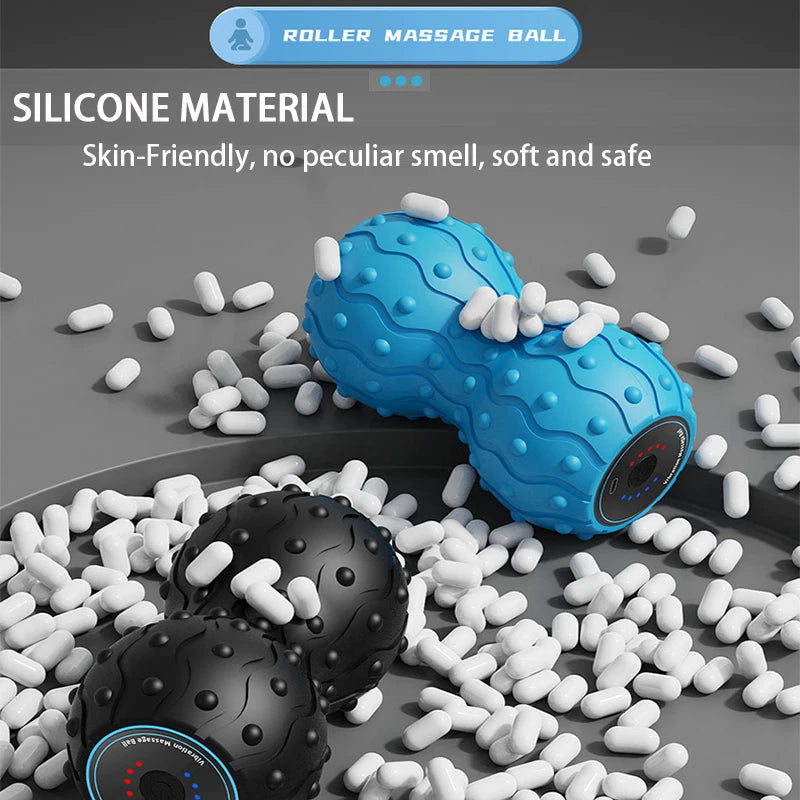
Consistent massage ball exercises can help improve mobility, reduce muscle tension, and support long-term recovery.
Explore additional recovery solutions in the Body Care and Health Devices collection.
Pillar Article: How to use massage ball: Step-by-Step Full Body Relief Guide
Other Related Articles:
- Massage ball for muscle knots: How to Target Pain Fast
- Manual massage ball: How to Use It for Deep Relief
- How to reduce post workout soreness: Easy Recovery Steps
Explore More:













