

Are vibrating massage ball rollers better than foam rollers?
A vibrating massage ball roller can be a better choice than a foam roller when you need targeted muscle relief, trigger point therapy, and a more portable recovery tool. A foam roller remains useful for covering large muscle groups like the thighs, calves, and back. The better option depends on your goal: choose a vibrating massage ball for precision and convenience, or a foam roller for broad muscle recovery and mobility work.
When comparing a vibrating massage ball vs foam roller , the biggest differences come down to targeted pressure, recovery style, portability, and ease of use. Vibrating massage balls combine mechanical vibration with focused pressure, while foam rollers rely mainly on body weight to release muscle tension across larger areas.
Vibrating Massage Ball Roller vs Foam Roller: Which Wins?
A vibrating massage ball roller is becoming a popular recovery option for people who want faster, more targeted relief without carrying a large foam roller. While traditional foam rolling has helped athletes and fitness enthusiasts improve mobility for years, vibration technology adds another layer of muscle stimulation that can make recovery routines more convenient.
This guide compares a vibrating massage ball roller and a foam roller based on how they work, where they perform best, and which type of user benefits most from each tool.
⏱ 5 min read
Ever spent time foam rolling but still struggled with one stubborn knot in your shoulder, hip, or foot? A recovery tool should match your specific needs. Understanding the difference between focused vibration therapy and full-body rolling can help you choose a smarter option.
Portable vibrating massage ball for muscle recovery See it in action
What Is a Vibrating Massage Ball Roller and Why It Feels So Effective
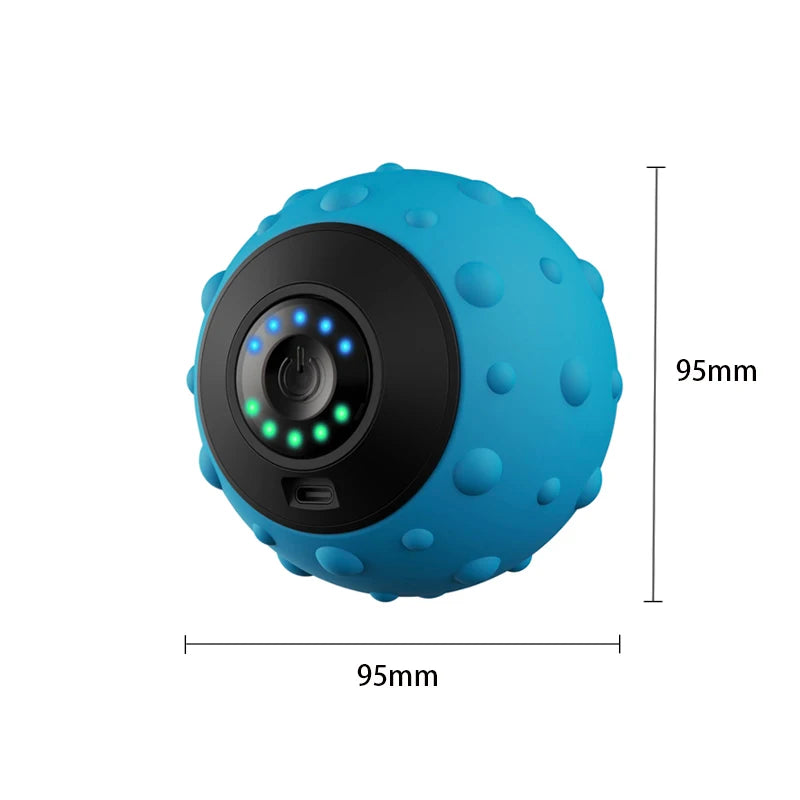
A vibrating massage ball roller is a compact muscle recovery device that combines a firm massage surface with vibration technology. Instead of depending only on body weight like a traditional foam roller, it delivers consistent stimulation directly to specific areas of muscle tension.
The combination of pressure and vibration may help relax tight muscles, improve comfort after exercise, and make trigger point work easier. Its smaller design allows users to focus on areas that are difficult to reach with larger recovery tools, such as shoulders, feet, hips, and glutes.
Why people are switching to vibrating massage balls
- Targets specific knots and tight areas more precisely
- Provides vibration-assisted massage without requiring heavy body pressure
- Compact size makes it easier to use at home, work, or while traveling
- Offers adjustable intensity for different recovery preferences
How vibration enhances trigger point therapy
Traditional massage balls create pressure against tight areas, but a vibrating massage ball adds rapid movement that may help users relax during treatment. This makes it easier to apply controlled pressure instead of forcing the body weight into sensitive trigger points.
Compared with static massage balls, vibrating models are designed for users who want a more comfortable and customizable recovery experience.
Explore more recovery tools in Body Care and Health Devices for a complete wellness upgrade.
How Foam Rollers Help—but Where They Fall Short
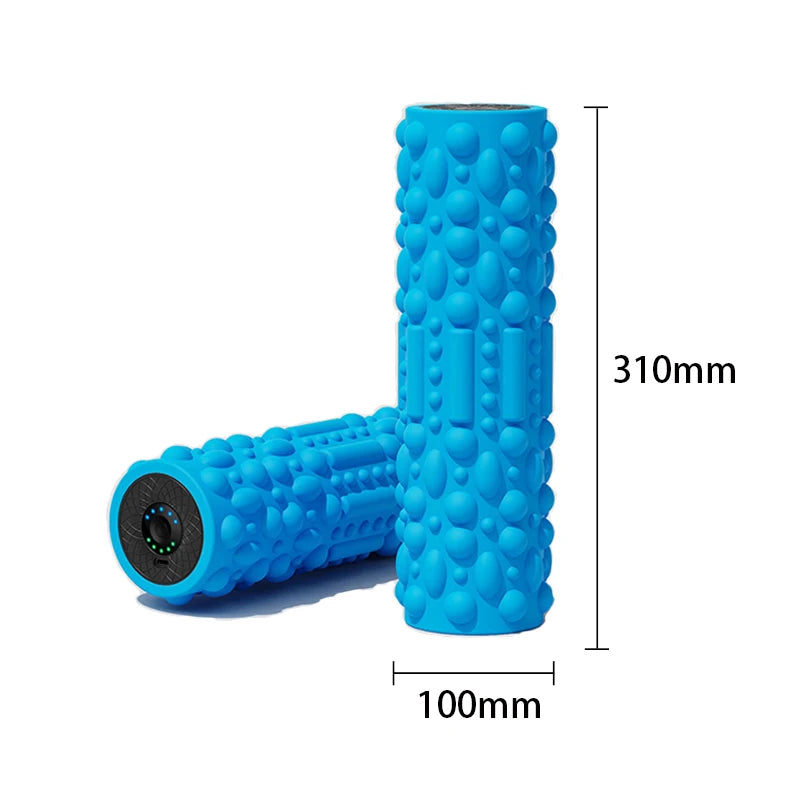
Foam rollers have remained a popular recovery tool because they are simple, affordable, and effective for covering large muscle groups. They work by using body weight and rolling movement to apply pressure across areas like the quadriceps, hamstrings, calves, and back.
Foam roller strengths
- Covers large muscle areas quickly during recovery sessions
- Works well for warm-ups, mobility routines, and general muscle tension
- Available in many sizes, densities, and designs
Common frustrations
- Difficult to target small trigger points accurately
- Requires more physical effort and body positioning
- Larger models can be inconvenient for travel or small spaces
- May feel uncomfortable when applying pressure to sensitive areas
Who should still choose a foam roller?
A foam roller is still a strong choice for people who want a simple full-body recovery routine, especially athletes who regularly work on large muscle groups. It can be useful before workouts for mobility preparation or after exercise for general muscle relaxation.
Vibrating Massage Ball vs Foam Roller Benefits: Side-by-Side
The best choice depends on whether you value precision or coverage. A vibrating massage ball roller focuses on smaller areas with adjustable intensity, while a foam roller is designed for broader muscle work.
| Feature | Vibrating Massage Ball Roller | Foam Roller |
|---|---|---|
| Targeting Precision | High precision for trigger points and tight areas | Better for broad muscle groups |
| Recovery Approach | Focused vibration plus pressure | Body-weight rolling pressure |
| Muscle Coverage | Best for shoulders, feet, hips, knots | Best for quads, hamstrings, calves, and back |
| Ease of Use | Requires less physical effort | Requires active rolling and body positioning |
| Portability | Compact and travel-friendly | Usually larger and harder to carry |
| Best For | Targeted relief, recovery on the go, stubborn tension | Full-body mobility and muscle preparation |
| Value For | Users who want convenience and precision | Users who want a simple, affordable recovery tool |
When Should You Use Each Tool for Best Results?
Choosing between a vibrating massage ball vs foam roller depends on the type of recovery you need. A vibrating massage ball roller works best for focused muscle tension, while a foam roller remains useful for full-body mobility and larger muscle groups.
Use a vibrating massage ball roller when:
- You need to target specific knots, trigger points, or areas of stubborn tension
- You want a convenient recovery option after intense workouts
- You need a portable vibrating massage ball for muscle recovery while traveling or working
- You prefer adjustable intensity instead of relying only on body weight
A vibrating massage ball is especially useful for smaller areas that are difficult to treat with a traditional foam roller, including the shoulders, feet, glutes, and hips.
Use a foam roller when:
- You want to loosen large muscle groups before or after exercise
- You are building a simple mobility routine at home
- You prefer a manual recovery tool without charging or settings
- You need broad pressure across areas like the thighs, calves, or back
When to combine both tools
Many recovery routines benefit from using both tools together. A foam roller can help prepare larger muscle areas, while a vibrating massage ball can provide more focused attention on tight spots afterward.
For example, runners may use a foam roller on the legs after training and a vibrating massage ball on specific calf or foot tension points. This approach gives you the coverage of traditional rolling with the precision of vibration therapy.
Real Results: What Users Are Saying
When comparing how effective vibrating massage balls really are, user experiences often highlight convenience, targeted relief, and easier daily use compared with larger recovery tools.
- Users commonly report that compact designs make recovery easier to fit into busy schedules.
- Many appreciate the ability to focus directly on uncomfortable areas instead of rolling across an entire muscle group.
- Some users prefer foam rollers for broad stretching and keep vibrating massage balls for finishing recovery sessions.
Common complaints usually involve adjusting to vibration intensity, finding the right pressure level, or expecting one tool to replace every type of recovery method. Like any massage device, results depend on proper technique and choosing the right tool for your specific needs.
A vibrating massage ball roller may be most beneficial for:
- Athletes recovering after strength training, running, or sports activities
- Desk workers dealing with neck, shoulder, or hip tightness
- Travelers who want a compact recovery device
- Anyone who finds traditional foam rolling uncomfortable or difficult to target
For more recovery inspiration and self-care routines, browse Beauty & Self-Care Blog for expert routines.
How to Use a Vibrating Massage Ball for Maximum Relief
Using a vibrating massage ball correctly helps you get the benefits of targeted pressure while avoiding excessive force. The goal is controlled muscle stimulation, not pushing through sharp pain.
- Turn on the device and choose a low vibration setting to begin.
- Place the vibrating massage ball on the targeted muscle area.
- Apply gentle pressure and hold on tight areas for around 30–60 seconds.
- Move slowly around surrounding muscles instead of staying on one painful spot too long.
- Repeat as needed based on your recovery routine and comfort level.
Back and shoulders
For shoulder and upper back tension, place the vibrating massage ball between your body and a wall or use your hands to control pressure. Focus on tight areas around the upper back muscles rather than pressing directly on the spine.
Glutes and hips
The glutes and hip area often experience tension from sitting or intense workouts. Use slow movements and moderate pressure to help relax tight muscles. Avoid using excessive force if an area feels sensitive.
Feet and calves
A vibrating massage ball can be useful after walking, running, or standing for long periods. Roll slowly across the bottom of the foot and apply gentle pressure to calf muscles for a more comfortable recovery session.
Common mistakes to avoid
- Using the highest vibration setting immediately
- Applying too much pressure to sensitive areas
- Holding the device on one spot for too long
- Using the tool on injuries instead of normal muscle tension
Unlike foam rolling, you do not need to support your full body weight, which can make a vibrating massage ball easier to control during everyday recovery.
Vibrating massage ball vs foam roller benefits See it in action
Buying Guide: How to Choose the Right Vibrating Massage Ball Roller
Choosing the best vibrating massage ball roller depends on how you plan to use it, where you need recovery support, and which features matter most for your routine. A quality vibrating massage ball should provide comfortable pressure, adjustable intensity, and enough portability for regular use.
- Vibration settings: Multiple intensity levels allow you to adjust the experience based on muscle sensitivity, workout recovery needs, and personal comfort.
- Firmness and surface design: A balanced firmness level should provide enough pressure for trigger points without feeling too aggressive on sensitive areas.
- Battery life and charging: Rechargeable models are more convenient for frequent use. Look for reliable battery performance if you plan to use the device at the gym, office, or while traveling.
- Noise level: A quieter vibrating massage ball is more practical for shared spaces such as workplaces or homes.
- Size and portability: Compact designs are easier to store and carry, making them useful for travel recovery or quick sessions throughout the day.
For users looking for adjustable intensity and targeted muscle relief, the vibrating massage ball roller offers a convenient option for everyday recovery routines.
Final Verdict: Which One Wins for Muscle Recovery?
The winner between a vibrating massage ball roller vs foam roller depends on your recovery goals. Neither tool completely replaces the other, but each one has clear advantages for different users.
A vibrating massage ball roller is the better choice if you want:
- Targeted relief for knots and tight muscle areas
- A compact recovery tool that is easy to carry
- Adjustable vibration instead of manual pressure only
- A faster and more convenient recovery routine
A foam roller may be the better option if you need:
- Full-body muscle coverage
- A simple mobility tool without charging or settings
- Support for warm-ups and broad muscle preparation
For many people, the best approach is combining both. Use a foam roller for large muscle groups and mobility work, then use a vibrating massage ball roller for focused areas that need extra attention.
Shop vibrating massage ball roller
FAQ
How effective are vibrating massage balls really?
A vibrating massage ball can be effective for people who want targeted muscle stimulation and easier trigger point work. Many users prefer them because vibration adds another level of comfort compared with a traditional massage ball, especially when working on specific areas of tension.
Can a vibrating massage ball replace a foam roller?
A vibrating massage ball can replace a foam roller for targeted relief, but it may not provide the same broad coverage. Foam rollers are still useful for large muscle groups, mobility routines, and full-body recovery sessions.
Which is better: vibrating massage ball vs foam roller?
The better option depends on your goal. A vibrating massage ball roller is better for precision, portability, and trigger points, while a foam roller is better for covering large areas and supporting general mobility.
What should I look for when buying a vibrating massage ball roller?
Look for adjustable vibration levels, comfortable firmness, reliable battery performance, low noise, and a portable design. The best choice should match how often you use it and which muscle groups you target most.
Is a portable vibrating massage ball good for travel recovery?
Yes. A portable vibrating massage ball is useful for travelers, athletes, and busy professionals because it takes up less space than many traditional recovery tools and can be used for quick muscle relief anywhere.
Is it safe to use daily?
For most healthy adults, using a vibrating massage ball daily can be part of a regular recovery routine when used correctly. Avoid excessive pressure, and do not use vibration therapy directly on injuries, open wounds, or areas with unexplained pain.
Who should use a vibrating massage ball roller?
A vibrating massage ball roller may benefit athletes, fitness enthusiasts, desk workers, and anyone experiencing common muscle tightness from daily activities. People with medical conditions, recent injuries, or concerns about vibration therapy should consult a healthcare professional before use.
What muscle groups benefit most?
Common areas include shoulders, upper back, glutes, hips, calves, and feet. These areas often experience tension from workouts, sitting for long periods, or repetitive movement.
How long should each session last?
Most users can start with short sessions of around 30–60 seconds per muscle area and adjust based on comfort. Longer sessions are not always better, so focus on controlled pressure and consistent use.
Pillar Article: Muscle recovery tools: Best Options Compared for Fast Relief
Other Related Articles:
- Trigger Point Handheld Massage Ball: Best vs Manual Balls
- Portable Muscle Massager Review: Best for Daily Recovery?
- Handheld Body Massager vs Massage Gun: Full Comparison
- Deep Tissue Massage Ball vs Trigger Point Tools Review
Explore More:













