

Do fleece lined bike leg warmers really feel warmer?
Fleece lined bike leg warmers feel warmer because the brushed inner fleece creates tiny air pockets that trap body heat while allowing moisture vapor to escape. Compared with standard Lycra leg warmers, fleece-lined designs provide extra insulation and better cold-weather comfort without the bulk of full cycling tights.
The biggest winter advantage comes from maintaining a more stable temperature around the legs. For early morning rides, windy roads, and temperatures below mild conditions, fleece lined bike leg warmers help reduce the discomfort caused by cold air exposure while keeping the flexibility cyclists need.
Best Fleece Lined Cycling Leg Warmers (2026): Warmth, Fit & Performance Compared
Fleece lined cycling leg warmers are a practical solution for riders who want winter protection without committing to full-length tights. They provide targeted insulation, making them easier to layer, remove, and pack when temperatures change during a ride.
The best fleece lined cycling leg warmers combine thermal insulation, a secure fit, breathable materials, and weather protection. In this guide, we compare popular options for road cycling, commuting, gravel, and cold-weather training.
⏱ 8 min read
Start with our quick comparison below to find the right pair for your ride.
Quick Comparison: Top Fleece Lined Cycling Leg Warmers
Side-by-Side Comparison Table
| Product | Warmth Level | Fabric Type | Wind Resistance | Grip System | Best For |
|---|---|---|---|---|---|
| Castelli Nano Flex 3G | High (5–12°C) | Thermal fleece + water-resistant fabric | Light wind protection | Silicone gripper | Road cycling |
| Pearl Izumi Thermal Leg Warmers | Medium-High (7–15°C) | Brushed fleece interior | Moderate | Elastic + silicone grip | Daily training |
| Gore Wear Thermo Leg Warmers | High (5–10°C) | Wind-resistant fleece | Strong | Wide elastic gripper | Cold and windy rides |
| RockBros Winter Leg Warmers | Medium (8–18°C) | Standard fleece lining | Basic | Elastic cuff | Budget riders |
This comparison highlights how fleece lined cycling leg warmers differ in insulation, weather protection, fit, and suitability for different cycling disciplines.
7 Best Fleece Lined Cycling Leg Warmers for Winter Riding
Best Overall: Castelli Nano Flex 3G
Castelli Nano Flex 3G is a strong all-around choice because it balances warmth, flexibility, and light weather resistance. The thermal fabric performs well during changing winter conditions where riders may encounter cold temperatures, wind, or light moisture.
Best for: Road cyclists who need reliable protection without excessive bulk.
Best Budget Option: RockBros Winter Leg Warmers
RockBros Winter Leg Warmers provide basic fleece insulation at a lower price point. They are suitable for casual riders who need extra warmth for commuting or occasional winter cycling.
Best for: Beginners, commuters, and mild winter climates.
Best for Extreme Cold: Gore Wear Thermo Leg Warmers
Gore Wear Thermo Leg Warmers focus on cold-weather protection with wind-resistant materials designed for exposed routes. They are a better choice when wind chill becomes a major factor.
Best for: Long rides in cold and windy conditions.
Best for Road Cycling: Pearl Izumi Thermal Leg Warmers
Pearl Izumi Thermal Leg Warmers offer a balance of insulation and breathability. The brushed fleece interior provides warmth while maintaining comfort during higher-effort rides.
Best for: Road training and endurance cycling.
Best for MTB & Gravel: Endura FS260-Pro Leg Warmers
Endura FS260-Pro Leg Warmers are designed for riders who need durability and a secure fit. The construction helps maintain position during rough terrain and frequent movement.
Best for: Gravel and mountain biking.
Best Lightweight Thermal Option: Assos EVO Leg Warmers
Assos EVO Leg Warmers are suited for transitional seasons when riders need insulation but want a lighter feel. They work well when temperatures fluctuate throughout the day.
Best for: Cool mornings and variable weather.
Best Premium Performance: Rapha Pro Team Leg Warmers
Rapha Pro Team Leg Warmers provide a performance-focused fit with premium materials. They are designed for cyclists who prioritize comfort, close fit, and frequent winter training.
Best for: Performance-oriented riders.
How Do Fleece Lined Leg Warmers Work?
Fleece lined cycling leg warmers work through a combination of thermal fabric construction and brushed fleece backing. The soft inner layer traps warm air near the skin, helping slow heat loss during cold rides.
- Thermal insulation: Fleece fibers create air pockets that help retain warmth.
- Moisture management: Breathable materials help move sweat away from the skin.
- Flexible layering: They pair easily with bib shorts, cycling base layers, and other winter cycling apparel.
This construction provides warmth without the restriction of thicker winter clothing, making fleece lined bike leg warmers useful for riders who need adaptable cold-weather gear.
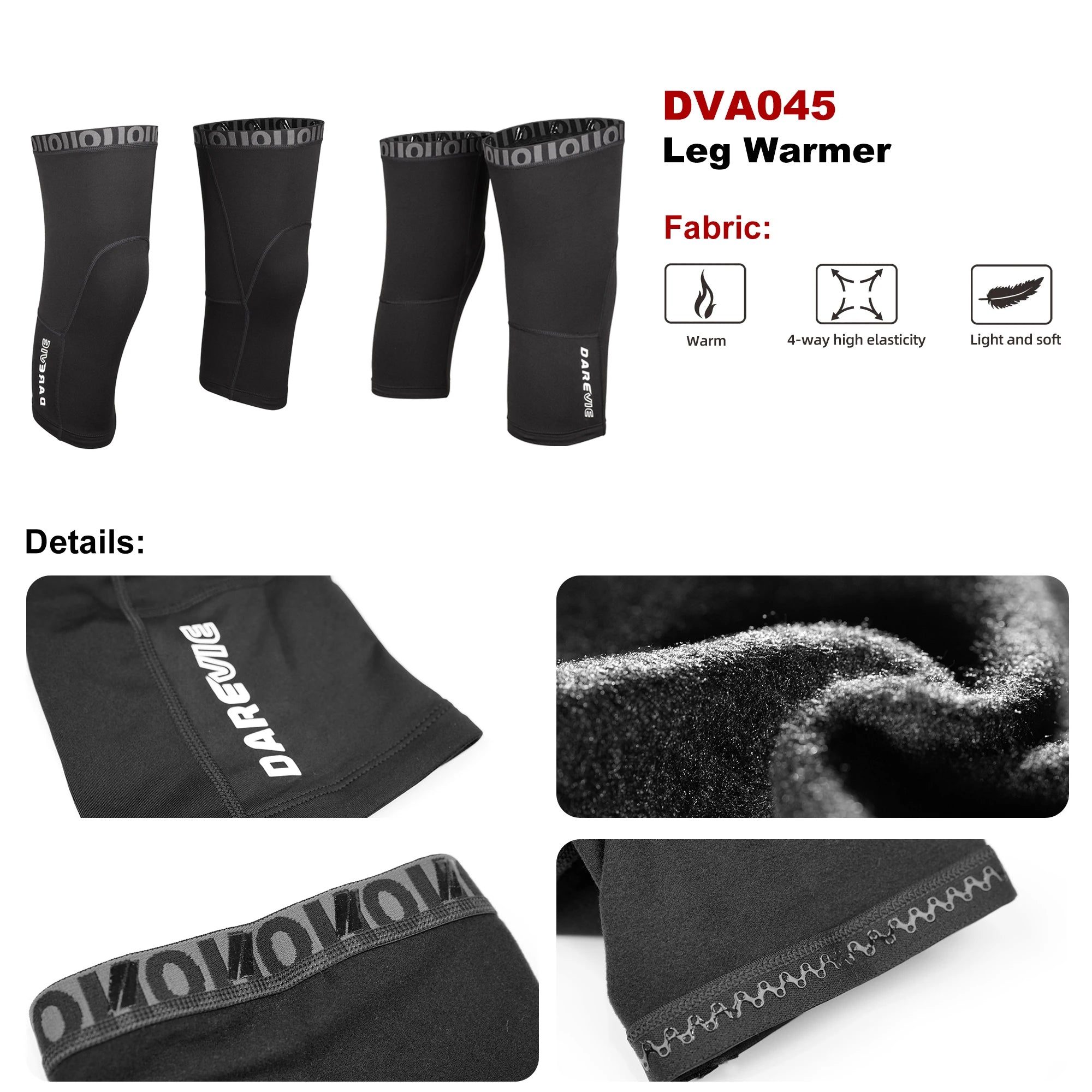
Fleece interior helps trap heat while maintaining breathability
Fleece vs Thermal Cycling Leg Warmers vs Tights
Choosing between fleece lined leg warmers, thermal warmers, and tights depends on temperature, riding intensity, and how much flexibility you need.
- Fleece lined leg warmers: Best balance of warmth, flexibility, and easy layering for winter cycling.
- Thermal cycling leg warmers: Better for mild cold when less insulation is required.
- Cycling tights: Provide maximum coverage for very cold conditions but are less convenient to remove.
For many riders, fleece lined bike leg warmers are the most versatile choice because they can be combined with existing cycling clothing and packed away when temperatures rise.
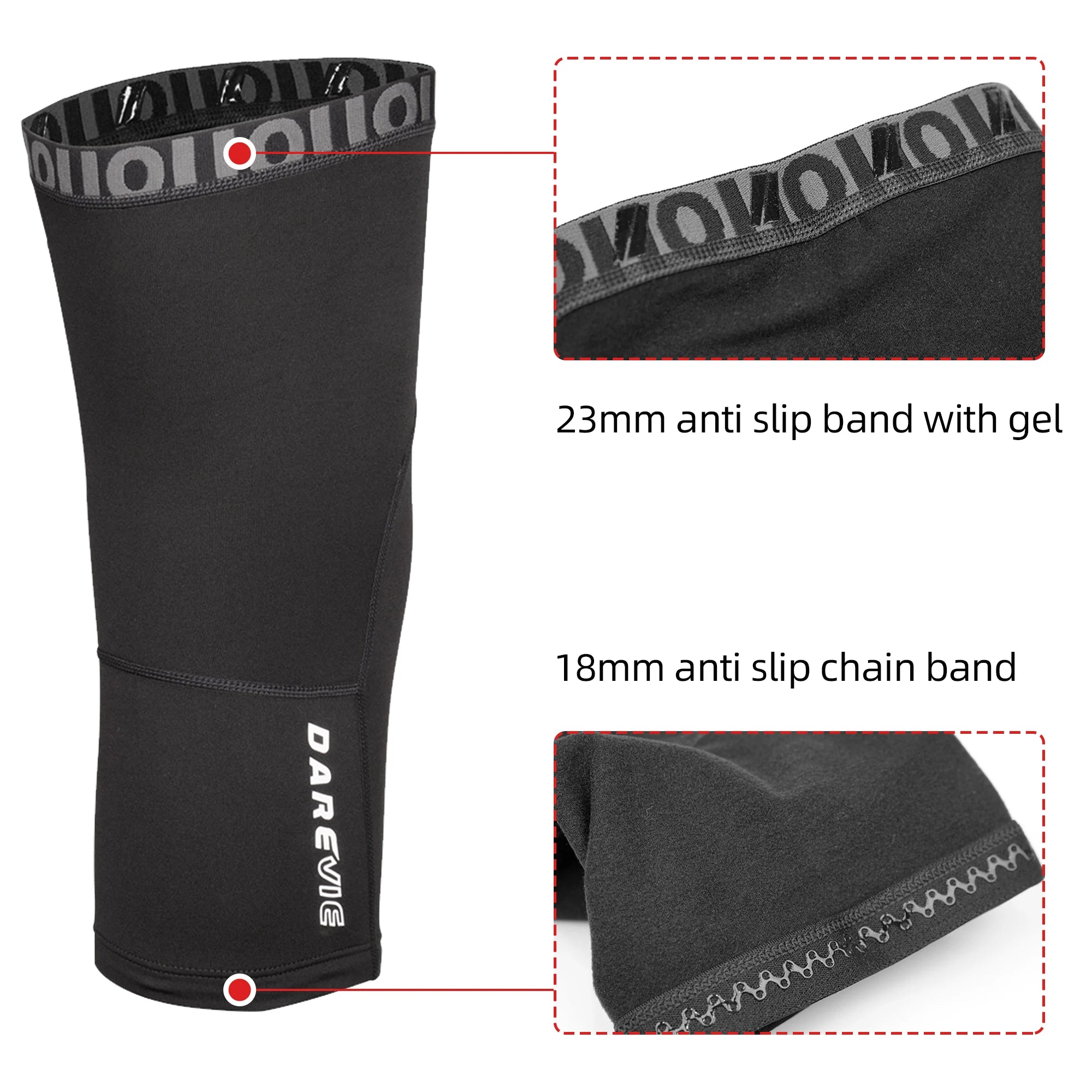
Layering flexibility makes leg warmers useful in changing conditions
Are Leg Warmers Good for Cycling in Winter? (Real Use Cases)
Winter Commuting
Fleece lined leg warmers are ideal for commuters because they can be removed once indoors. Their compact size also makes them easier to carry than full cycling tights.
Long Endurance Rides
For longer rides, insulated cycling leg warmers help maintain comfortable leg temperature while allowing natural movement and flexibility.
Variable Weather Conditions
When rides begin cold and become warmer later, removable leg warmers provide better adaptability than fixed winter layers.
Real-World Performance: Do Leg Warmers Keep Muscles Warm Cycling?
Fleece lined cycling leg warmers help keep legs warmer by reducing exposure to cold air. Many cyclists experience improved comfort and less cold-related stiffness during winter rides.
- Improved comfort: Helps reduce the uncomfortable sensation of cold legs.
- Stable warmth: Maintains a more consistent temperature during rides.
- Better adaptability: Allows cyclists to adjust protection as conditions change.
Temperature Guide: When to Wear Fleece Lined Cycling Leg Warmers
The ideal fleece thickness depends on temperature, wind, and riding intensity.
- 10–15°C: Lightweight fleece or thermal leg warmers are usually enough.
- 5–10°C: Medium fleece insulation works well for most winter rides.
- 0–5°C: Choose thicker fleece with wind protection and additional layers when needed.
Higher-intensity riders may prefer lighter insulation, while slower endurance rides often require more warmth.
How to Use Bike Leg Warmers for Maximum Warmth
- Start with dry skin or a moisture-wicking base layer.
- Position the fleece evenly around the legs.
- Wear the upper section securely under bib shorts.
- Check ankle coverage to prevent cold gaps.
- Adjust layers when temperature changes.
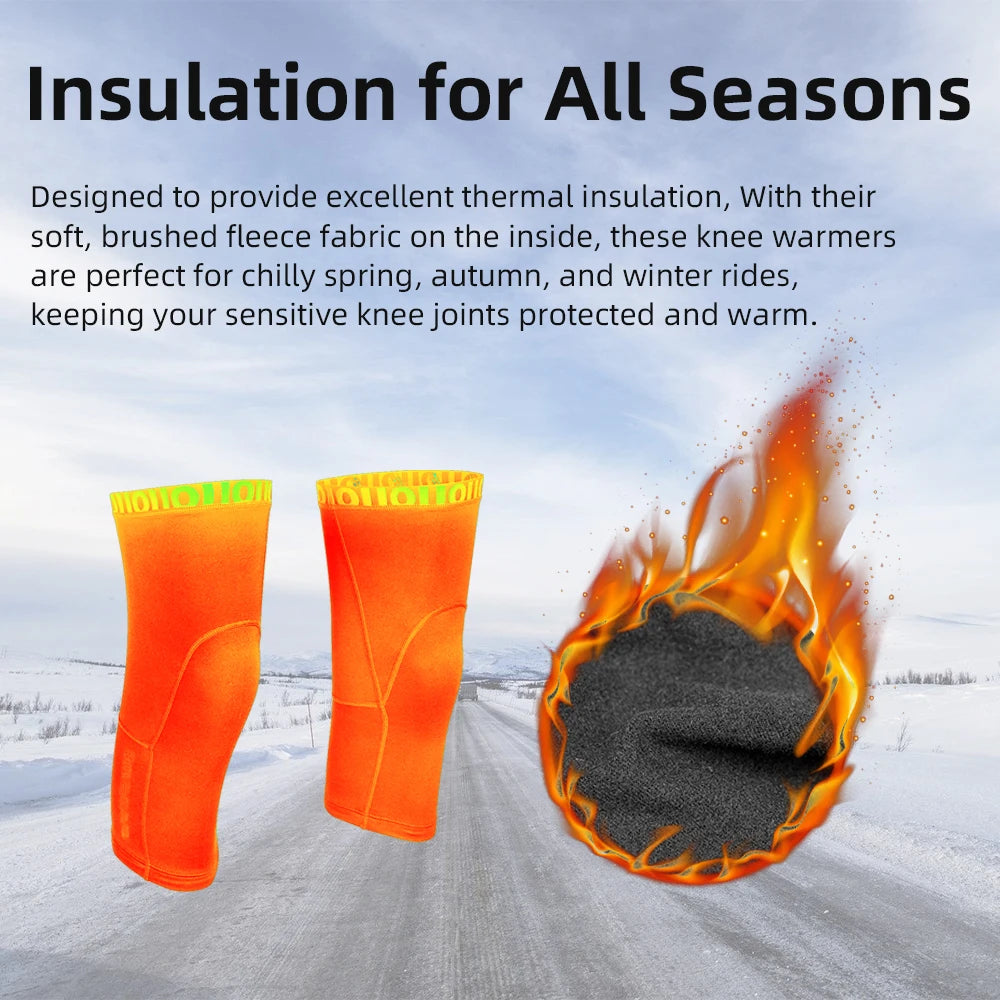
Proper layering maximizes warmth and comfort
How to Choose the Right Thermal Cycling Leg Warmers
Temperature Range Guide
Choose thicker fleece for colder conditions and lighter thermal materials for mild winter rides.
Fabric & Insulation Types
Look for brushed fleece interiors, stretch fabrics, and wind-resistant outer layers for better cold-weather performance.
Fit, Grip, and Compression
Silicone grippers and anatomical shaping help prevent slipping. Compression should feel supportive without restricting movement.
Breathability & Moisture Control
Good winter cycling leg warmers balance insulation with airflow to prevent overheating during harder efforts.
Windproof and Water Resistance
Wind-resistant materials improve comfort in exposed conditions, while water-resistant coatings help with light rain and road spray.
How We Tested Fleece Lined Cycling Leg Warmers
We evaluated fleece lined cycling leg warmers using practical winter cycling criteria:
- Warmth and insulation: Tested fleece thickness, heat retention, and cold-weather suitability.
- Fit during movement: Checked comfort during pedaling positions and changing movements.
- Breathability: Evaluated moisture handling during higher-effort rides.
- Durability: Considered stitching quality, grip performance, and repeated washing.
Common Mistakes When Buying Winter Cycling Leg Warmers
- Choosing maximum warmth only: Very thick options may cause overheating during intense rides.
- Ignoring fit: Poor sizing can create slipping and cold gaps.
- Overlooking wind protection: Fleece alone may not block strong winter winds.
- Not considering riding style: Commuters, road cyclists, and MTB riders have different needs.
How to Care for Fleece Lined Bike Leg Warmers
- Wash with cold water to protect fleece fibers.
- Avoid harsh chemicals that may damage fabric performance.
- Air dry when possible to maintain fleece softness.
- Store carefully to protect elastic and silicone grips.
Mini FAQ About Fleece Lined Cycling Leg Warmers
Are fleece lined bike leg warmers better than regular ones?
Yes. They provide more insulation than standard Lycra warmers and are better suited for cold-weather cycling.
Do leg warmers keep muscles warm while cycling?
They help retain warmth around the legs, improving comfort during cold rides and reducing the feeling of stiffness caused by low temperatures.
Can leg warmers replace cycling tights?
They can replace tights in mild to moderate cold, but tights provide better full-leg protection in extreme winter conditions.
What temperature are thermal cycling leg warmers best for?
Most thermal cycling leg warmers perform well between 5°C and 15°C depending on fabric thickness, wind, and activity level.
Are fleece lined cycling leg warmers worth buying for winter riding?
They are worth considering for cyclists who regularly ride in cool or cold weather because they provide warmth while remaining easy to layer.
How should cycling leg warmers fit under bib shorts?
They should fit snugly without restricting movement. The upper section should overlap securely with bib shorts to avoid exposed areas.
Are thermal cycling leg warmers waterproof?
Most thermal cycling leg warmers are not fully waterproof. Some provide water resistance, but heavy rain usually requires additional protection.
Fleece lined bike leg warmers built for confident winter riding.
Explore More:
- Anti Slip Cycling Leg Warmers Compared on Fit and Grip
- Cycling Leg Warmers for Winter: 5 Options by Temperature
Pillar Article: Not Found
Explore More:













