

Best Cycling Leg Warmers: Anti-Slip, Thermal & Compression Picks for Cold Weather Riding
Cold-weather rides can leave your legs feeling stiff before you've even reached the halfway point. The best cycling leg warmers help maintain muscle temperature, improve comfort, and adapt to changing conditions without the bulk of full winter tights. Whether you're road cycling, commuting, riding gravel, or training for endurance events, choosing the right thermal cycling leg warmers can make long rides more comfortable and consistent.
Unlike full-length tights, cycling leg warmers can be removed and stored in a jersey pocket when temperatures rise, making them one of the most versatile pieces of cycling apparel for spring, fall, and mild winter riding.
⏱ 6 min read
Quick Comparison: Best Cycling Leg Warmers at a Glance
If you're comparing cycling leg warmers, use this quick guide to match the right category to your riding conditions. The best choice depends on temperature, grip, weather protection, and how you ride.
| Category | Temperature | Best Use Case | Key Advantages | Considerations |
|---|---|---|---|---|
| Thermal Fleece-Lined | 5°C–10°C | Winter training, long road rides | Excellent warmth, comfortable insulation | Can feel warm during sustained climbs |
| Anti-Slip Silicone Gripper | 5°C–15°C | Road racing, endurance, hard efforts | Stays securely in place over long distances | Fit is critical for best performance |
| Lightweight Breathable | 10°C–15°C | Spring, fall, commuting | Highly packable and easy to remove | Limited insulation in colder weather |
| Budget Thermal | 8°C–15°C | Casual riding, everyday use | Affordable with dependable comfort | Often fewer premium features |
| Compression Endurance | 5°C–15°C | Long-distance road and gravel rides | Stable fit, moisture management, reduced muscle movement | Proper sizing is essential |
- Road Cycling: Prioritize lightweight fabrics, aerodynamic fit, and secure silicone grippers.
- Gravel & MTB: Choose durable fabrics with dependable grip that resist shifting over rough terrain.
- Commuting: Lightweight, packable warmers are easy to remove as temperatures change.
- Endurance Riding: Compression-focused designs help maintain consistent comfort over many hours.
- Winter Training: Thermal fleece-lined options deliver the highest level of insulation.
Below, we break down which cycling leg warmers work best for specific riding conditions, temperatures, and cycling disciplines.
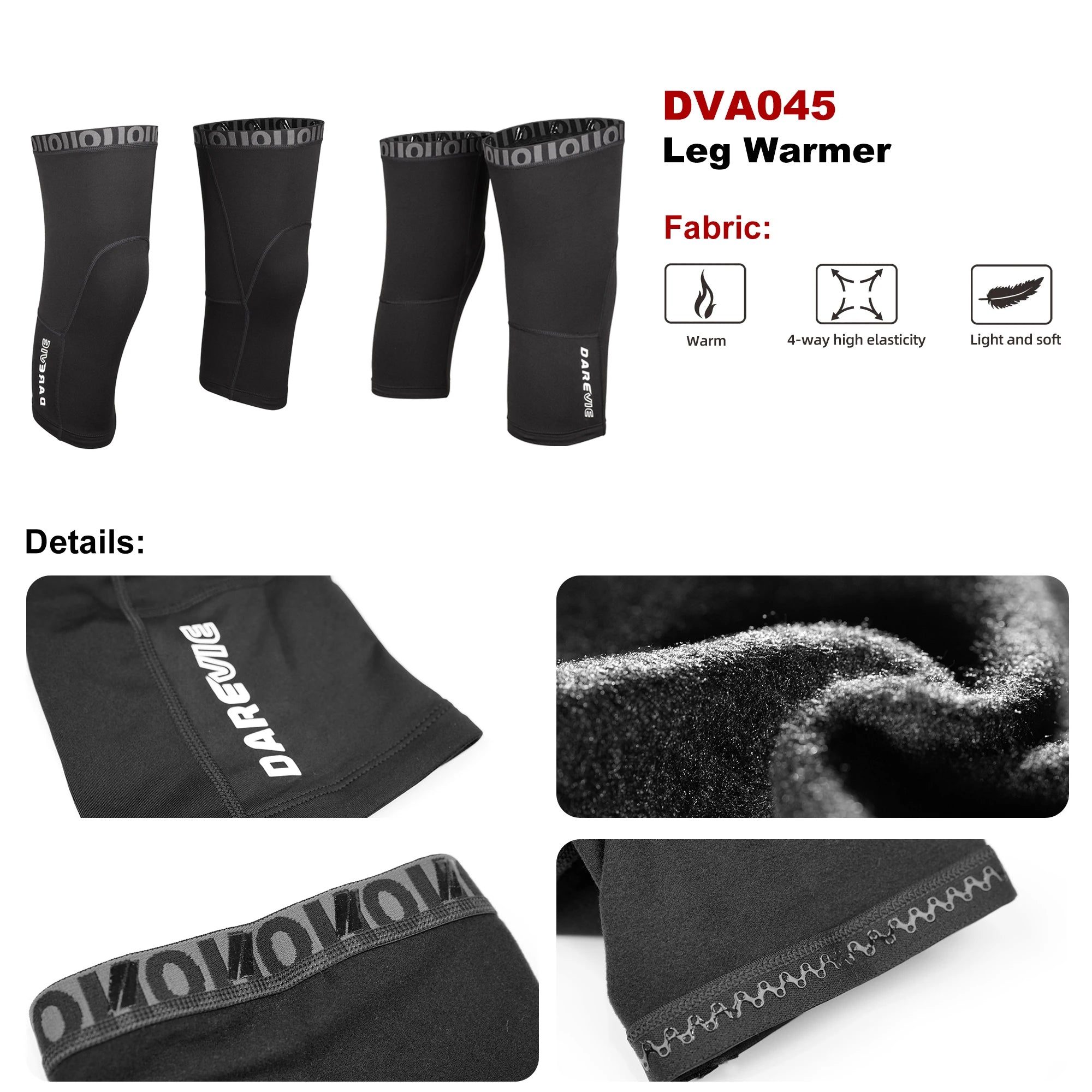
Cycling leg warmers that support circulation, warmth, and comfort on cold rides.
Are Cycling Leg Warmers Worth It for Cold-Weather Riding?
For most cyclists who ride in cool or changing weather, cycling leg warmers are one of the most practical clothing upgrades available. Rather than focusing only on fatigue reduction, they help maintain comfortable muscle temperature, improve flexibility during variable weather, and provide an adaptable alternative to full winter tights.
They are particularly valuable for:
- Early morning rides that warm up later in the day.
- Winter base training between roughly 5°C and 15°C.
- Long descents where wind chill rapidly cools exposed muscles.
- Spring and fall rides with changing temperatures.
- Cyclists who prefer bib shorts but occasionally need additional insulation.
Compared with insulated tights, cycling leg warmers are easier to remove, pack into a jersey pocket, and reuse across multiple seasons. However, when temperatures fall well below freezing or heavy rain is expected, full winter tights or waterproof cycling trousers generally provide better protection.
How Cycling Leg Warmers Perform in Real Riding Conditions
The best cycling leg warmers do more than add warmth. Their real-world performance depends on insulation, grip, breathability, seam construction, and how well they adapt as riding intensity and weather change.
Thermal Insulation and Cold-Weather Warmth
Thermal cycling leg warmers made from brushed fleece or Roubaix-style fabrics trap warm air close to the skin while remaining flexible during pedaling. They help reduce the sudden muscle cooling that often occurs during long descents, windy roads, and extended recovery periods.
Compression, Comfort, and Long-Ride Support
Light compression creates a supportive fit that minimizes excess fabric movement and may reduce muscle vibration during rough road surfaces. The primary benefit for most riders is improved comfort over long distances rather than measurable performance gains.
Anti-Slip Grippers and Secure Fit
Wide silicone grippers combined with accurate sizing are usually more effective than tight elastic bands alone. A secure fit prevents bunching behind the knees and minimizes the need to adjust warmers during the ride.
Windproof, Water-Resistant, and Breathable Fabrics
Some premium thermal cycling leg warmers combine wind-resistant front panels with breathable rear fabrics to balance protection and ventilation. Water-resistant finishes help shed light road spray and brief showers, although they are not intended to replace waterproof cycling apparel during prolonged rain.
Packability and Visibility Features
Lightweight cycling leg warmers can be rolled into a compact bundle that fits easily into a jersey pocket. Reflective logos or trim improve visibility during early morning commutes and evening training rides without adding significant weight.
Best Cycling Leg Warmers for Different Riding Conditions and Riders
The best cycling leg warmers depend less on brand names and more on matching fabric, insulation, grip, and weather protection to the way you ride. Consider your typical temperatures, terrain, ride duration, and whether you prioritize maximum warmth, low weight, or versatility.
Best Winter Cycling Leg Warmers for Cold Training
For regular rides between 5°C and 10°C, thermal fleece-lined or Roubaix-lined cycling leg warmers offer the best balance of insulation and flexibility. Look for brushed inner fabrics, flatlock seams, and wide silicone grippers that stay secure during long training sessions.
These warmers work best for:
- Winter base miles
- Long road rides
- Cold morning club rides
- Extended descents with significant wind chill
Best Anti-Slip Cycling Leg Warmers for Hard Efforts
High-intensity riding places constant stress on leg warmers. Models with broad silicone gripper bands, anatomically shaped panels, and stretch fabrics are less likely to slide during sprinting, climbing, or repeated out-of-the-saddle efforts.
Road racers and fast group riders should prioritize secure fit over excessive compression, since proper sizing contributes more to stability than tightness alone.
Best Lightweight Leg Warmers for Spring and Fall
Lightweight cycling leg warmers excel during transitional weather between roughly 10°C and 15°C. Breathable fabrics warm the muscles during cool starts while remaining comfortable once the pace increases or temperatures climb.
Their biggest advantage is packability—they can be removed quickly and stored in a jersey pocket without taking much space.
Best Windproof or Water-Resistant Leg Warmers for Unstable Weather
If your rides regularly include strong winds, light rain, or changing mountain conditions, consider models that combine wind-resistant front panels with water-resistant treatments. These designs reduce cooling from wind chill while remaining more breathable than fully waterproof garments.
They are ideal for:
- Mountain descents
- Variable spring weather
- Light road spray
- Coastal rides with persistent wind
Best Cycling Leg Warmers for Commuters and Everyday Riding
Commuters benefit from durable fabrics that are easy to put on before work and simple to remove when temperatures rise later in the day. Moderate insulation, reliable moisture management, and reflective details are often more valuable than race-oriented compression.
Best Leg Warmers for Long-Distance and Endurance Rides
For century rides and endurance events, comfort becomes more important than maximum warmth. Compression-oriented cycling leg warmers with soft seams and moisture-wicking fabrics help maintain a consistent fit over several hours while reducing irritation caused by repeated pedaling.
Look for models that combine:
- Wide silicone grippers
- Breathable thermal fabric
- Minimal seam bulk behind the knee
- Consistent stretch without sagging
Best Cycling Leg Warmers for Gravel and MTB
Gravel riders and mountain bikers often encounter rough terrain, mud, and frequent position changes. Durable fabrics with dependable grip systems are less likely to shift during technical riding, while abrasion-resistant materials better withstand occasional contact with vegetation and trail debris.
Cycling Leg Warmers Comparison: Warmth, Grip, Fit, and Weather Protection
| Type | Warmth | Temperature Range | Grip System | Weather Protection | Best For |
|---|---|---|---|---|---|
| Lightweight Warmers | Low | 10°C–15°C | Light silicone gripper | Highly breathable | Spring rides, commuting, easy storage |
| Thermal Fleece Warmers | High | 5°C–10°C | Wide silicone gripper | Excellent insulation | Winter road training |
| Compression Warmers | Medium | 5°C–15°C | Anatomical compression fit | Moderate weather protection | Endurance and racing |
| Windproof Warmers | Medium-High | 3°C–10°C | Wide silicone gripper | Wind-resistant with light water protection | Mountain descents and variable weather |
Most riders pairing bib shorts with cycling leg warmers will find thermal models sufficient for cool-weather rides, while windproof options become more useful in exposed conditions or during prolonged descents.
When to Wear Cycling Leg Warmers (Temperature Guide)
15°C–20°C: Cool Mornings and Transitional Rides
Lightweight cycling leg warmers provide enough insulation to stay comfortable during the first hour of riding and can easily be removed if sunshine or climbing raises body temperature.
This is the temperature range where thermal cycling leg warmers are most versatile. Standard thermal fabrics provide warmth without excessive insulation, making them suitable for road rides, commuting, and endurance training.
5°C–10°C: Thermal Leg Warmers for Cold Rides
Brushed fleece or Roubaix-lined warmers help maintain muscle temperature during long winter rides, especially when combined with bib shorts and other layered cycling clothing. Wind chill can make these temperatures feel significantly colder at higher speeds.
Below 5°C: When Tights Are Usually the Better Choice
Once temperatures approach freezing, especially with prolonged exposure or wet conditions, full-length insulated cycling tights generally provide better overall protection than removable leg warmers. Leg warmers remain useful if conditions improve later in the ride or if flexibility is more important than maximum insulation.
Wind, Rain, and Humidity: Adjusting for Feels-Like Temperature
Air temperature tells only part of the story. Strong winds, damp roads, high humidity, and long descents can make conditions feel several degrees colder. In these situations, choosing wind-resistant thermal cycling leg warmers—or switching to insulated tights earlier—often provides greater comfort than relying solely on the temperature forecast.
Cycling Leg Warmers vs Tights: Which Should You Choose?
Choosing between cycling leg warmers and full-length tights depends on weather, ride duration, and how much flexibility you want during the ride. Both have a place in a cold-weather cycling wardrobe, but each excels under different conditions.
| Feature | Cycling Leg Warmers | Cycling Tights |
|---|---|---|
| Warmth | Moderate to high depending on fabric | Highest overall insulation |
| Packability | Excellent; fits in a jersey pocket | Not packable during rides |
| Temperature Changes | Easy to remove mid-ride | Best for consistently cold conditions |
| Layering | Pairs well with bib shorts | Single integrated garment |
| Cost | Usually more affordable | Higher initial investment |
| Best Conditions | Spring, fall, and mild winter | Freezing temperatures and prolonged cold |
Leg warmers are often the better choice when weather changes throughout the ride or when climbing generates enough heat that removable layers become valuable. They also allow cyclists to continue using their preferred bib shorts instead of switching to winter-specific tights.
Full-length cycling tights become the better option for sustained temperatures below about 5°C, heavy wind exposure, or wet winter conditions where complete lower-body insulation provides greater comfort.
How to Choose the Best Cycling Leg Warmers: Fit, Grip, and Fabric Guide
Anti-Slip Grippers: How to Keep Leg Warmers from Slipping
The most effective anti-slip cycling leg warmers use wide silicone gripper bands distributed evenly around the thigh rather than narrow elastic strips. Correct sizing is equally important—warmers that are too large gradually slide down, while overly tight models may roll or become uncomfortable.
Fabric and Insulation: Fleece, Thermal, Windproof, and Water-Resistant Options
Select insulation based on your riding conditions rather than simply choosing the thickest material.
- Lightweight fabrics: Best for 10°C–15°C and high-intensity riding.
- Thermal fleece: Excellent for cold-weather endurance rides.
- Windproof panels: Reduce cooling during fast descents.
- Water-resistant finishes: Help repel light rain and road spray but are not fully waterproof.
Cycling Leg Warmers Fit Guide: Sizing, Compression, and Length
A properly fitted warmer should sit smoothly against the skin without wrinkles behind the knee or excessive pressure around the thigh. Moderate compression improves stability, but excessive compression can restrict comfort during longer rides.
Choose a length that fully overlaps your bib shorts while extending comfortably to your ankle to eliminate exposed skin when pedaling.
Bib Shorts Compatibility and Layering Order
Most experienced cyclists wear leg warmers underneath bib shorts. This helps the silicone grippers maintain contact with the skin while allowing the bib shorts to secure the upper edge. The result is a cleaner fit with less movement throughout the ride.
Breathability, Moisture Control, and Seam Comfort
Moisture-wicking fabrics help prevent sweat buildup during climbs, while flatlock seams reduce friction over repetitive pedal strokes. Riders covering long distances should also look for fabrics that remain comfortable after repeated washing without losing stretch or insulation.
What Riders Notice on Long Rides and During Changing Weather
Performance on the road often differs from product specifications. During extended rides, cyclists typically notice how well their leg warmers adapt to changing temperatures, remain securely positioned, and manage moisture rather than simply how warm they feel.
- Stable muscle warmth during long descents without excessive overheating on climbs.
- Minimal slipping or bunching when silicone grippers and sizing are well matched.
- Reduced sweat accumulation thanks to breathable thermal fabrics.
- Improved comfort around the knees through flexible panel construction.
- Easy removal and compact storage in a jersey pocket when temperatures rise.
- Less chafing during multi-hour endurance rides when flatlock seams are used.
Many riders find that the biggest advantage of cycling leg warmers is versatility. Instead of committing to full tights before leaving home, they can adjust clothing throughout the ride as conditions change, making leg warmers especially useful for spring, fall, and unpredictable winter weather.
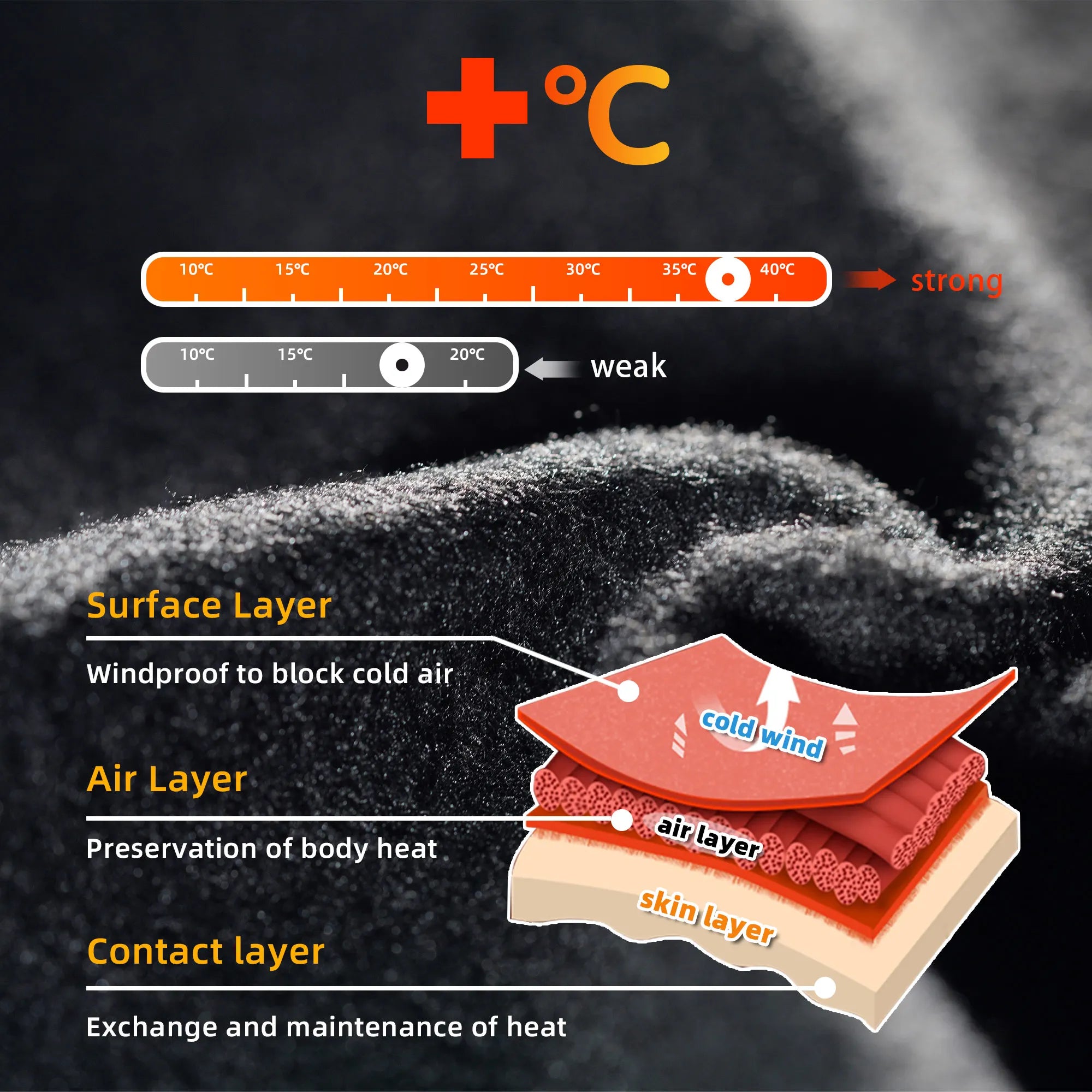
Compression cycling leg warmers designed to stay secure and comfortable throughout long winter endurance rides.
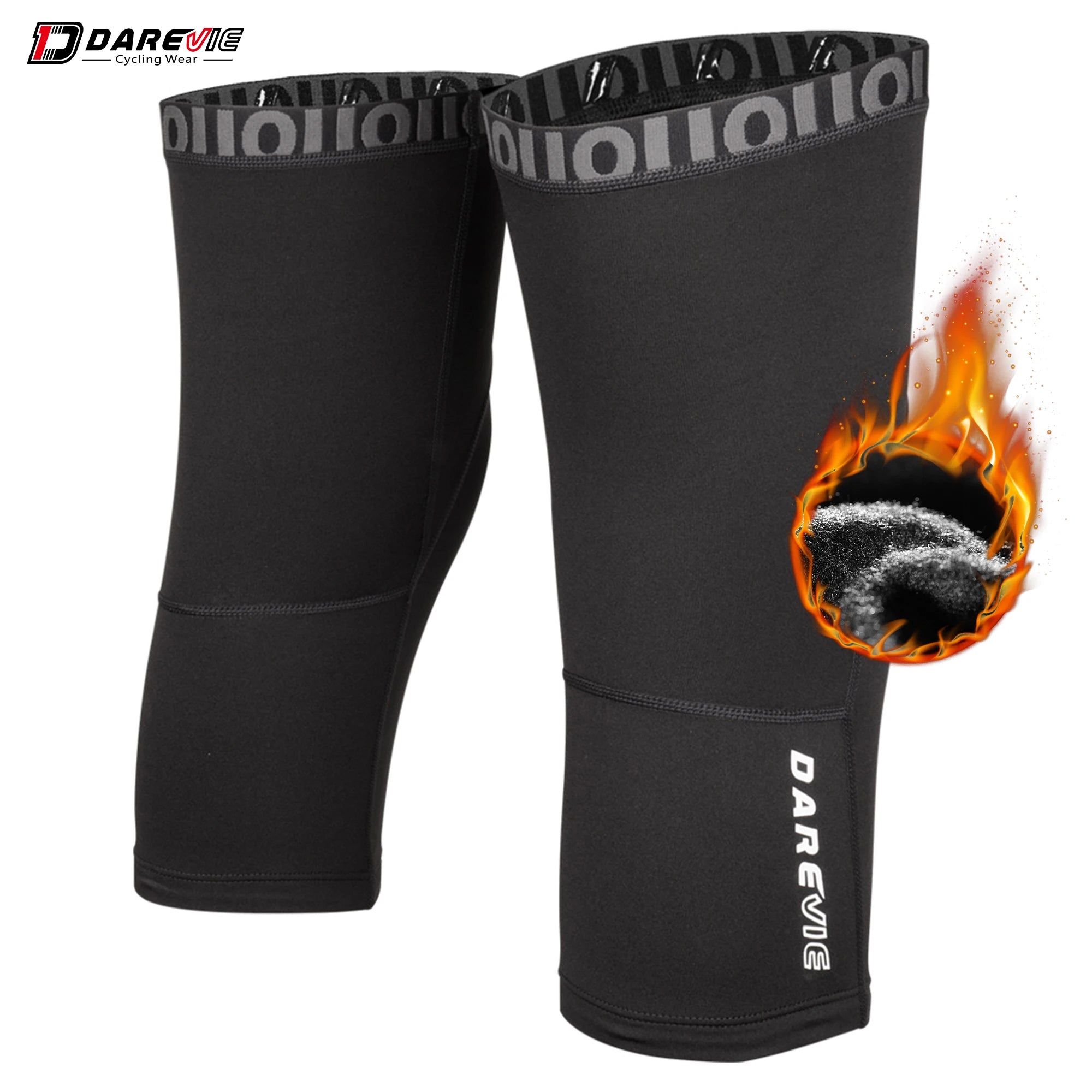
Thermal cycling leg warmers designed to keep muscles comfortable during cold-weather rides.
Explore complementary gear in the Body Care and Health Devices collection or browse the Lifestyle collection for additional recovery and comfort accessories.
How to Wash and Maintain Cycling Leg Warmers
Proper care helps thermal cycling leg warmers retain their stretch, insulation, and anti-slip grip through many riding seasons.
- Wash according to the care label, preferably using cold or lukewarm water.
- Turn the warmers inside out before washing to protect outer fabrics and reflective details.
- Use mild detergent and avoid fabric softeners, which can reduce moisture-wicking performance.
- Air dry whenever possible to preserve elastic fibers, silicone grippers, and thermal finishes.
- Store them completely dry during the off-season to minimize odor and maintain fabric elasticity.
Are Cycling Leg Warmers Worth It?
For most cyclists, the answer is yes. Cycling leg warmers provide one of the most versatile and cost-effective ways to extend the riding season without investing immediately in multiple pairs of winter cycling tights.
They offer the greatest value for riders who:
- Frequently ride during spring, fall, or mild winter weather.
- Experience changing temperatures throughout a single ride.
- Prefer riding in bib shorts while adding removable insulation.
- Want a compact layer that fits easily into a jersey pocket.
- Need an affordable solution before purchasing dedicated winter tights.
If you regularly cycle in freezing temperatures, prolonged rain, or severe wind chill, insulated cycling tights generally provide better protection. However, for variable climates and most cool-weather rides, cycling leg warmers deliver an excellent balance of flexibility, comfort, and value.
Cycling Leg Warmers FAQ
How Do You Keep Cycling Leg Warmers from Slipping?
Choose cycling leg warmers with wide silicone grippers and follow the manufacturer's sizing guide. A snug fit should stay in place without creating excessive pressure or rolling at the thigh.
Should Cycling Leg Warmers Go Over or Under Bib Shorts?
Most cyclists wear leg warmers underneath bib shorts. This positioning helps secure the upper edge and reduces movement during long rides.
What Temperature Should You Wear Cycling Leg Warmers?
Most riders begin wearing cycling leg warmers between about 10°C and 15°C, while thermal versions are better suited for approximately 5°C to 10°C. Wind, rain, riding intensity, and personal cold tolerance should also influence your choice.
Are Cycling Leg Warmers Warmer Than Cycling Tights?
No. Full-length insulated cycling tights generally provide greater warmth and weather protection. Leg warmers are designed to maximize versatility, layering, and packability rather than deliver the highest possible insulation.
Are Thermal Cycling Leg Warmers Too Hot?
Not when matched to appropriate temperatures. Thermal models are intended for cool and cold rides, while lightweight versions are better suited to milder conditions or high-intensity efforts.
Can You Wear Cycling Leg Warmers in the Rain?
Yes, they perform well in light rain and road spray, particularly if they include a durable water-resistant finish. During prolonged heavy rain, waterproof outer layers or insulated tights provide better protection.
Are Cycling Leg Warmers Worth It for Beginners?
Yes. Beginners benefit from the flexibility, lower cost, and adaptability of cycling leg warmers, making them an excellent first cold-weather clothing upgrade.
- Lightweight Cycling Leg Sleeves vs Warmers for Cold Mornings
- Cycling Leg Warmers for Winter: 5 Options by Temperature
- Compression Cycling Leg Warmers: Which Help Fatigue Most?
- Thermal Fleece Cycling Leg Warmers Reviewed for Cold Rides
Explore More:
- Compression Benefits for Cyclists in Cold Weather Explained
- Compression Fleece Leg Warmers Cycling Tested on Winter Rides
Pillar Article: Not Found
Explore More:













