

Best Leg Warmers for Cold Weather: Cycling Picks Compared (2026 Guide)
What are the best leg warmers for cold weather?
The best leg warmers for cold weather provide the right balance of insulation, breathability, secure fit, and freedom of movement. Whether you're riding through crisp autumn mornings or training in freezing winter conditions, choosing the right style depends on temperature, wind exposure, activity level, and how easily you want to adjust your layering during a ride.
For cyclists, thermal leg warmers for cyclists remain one of the most versatile pieces of cold-weather kit because they pair with bib shorts, pack easily in a jersey pocket, and adapt to changing conditions far better than full-length tights on many rides.
Quick comparison table (top picks by activity)
| Use Case | Recommended Style | Best Temperature | Main Advantage |
|---|---|---|---|
| Best overall | Thermal fleece-backed leg warmers | 4-13°C (40-55°F) | Excellent balance of warmth, comfort, and breathability |
| Best for winter cycling | Wind-resistant thermal leg warmers | 0-8°C (32-46°F) | Blocks cold airflow during fast descents |
| Best for running | Lightweight stretch leg warmers | 5-15°C (41-59°F) | High breathability with unrestricted movement |
| Best budget | Brushed synthetic warmers with silicone grippers | 5-12°C (41-54°F) | Reliable warmth at an affordable price |
| Best merino wool | Merino wool blend leg warmers | 2-10°C (36-50°F) | Natural temperature regulation and odor resistance |
| Best for extreme cold | Windproof insulated multi-layer warmers | Below 2°C (36°F) | Maximum protection against freezing temperatures and wind chill |
Best overall
Thermal fleece-backed leg warmers remain the best all-around option for most riders. They deliver dependable insulation without excessive bulk, wick moisture efficiently, and stay comfortable across a wide range of winter training conditions.
Best for winter cycling
Wind-resistant front panels make the biggest difference when riding exposed roads, coastal routes, or long descents. These models reduce wind chill while maintaining enough breathability for steady endurance rides.
Best for running
Runners generally benefit from lighter, highly stretchable leg warmers that emphasize mobility and moisture management over maximum insulation, since body heat builds more quickly during continuous running.
Best budget
Quality brushed synthetic fabrics paired with dependable silicone grippers provide excellent value. Budget-friendly options often deliver comparable warmth to premium models, although they may sacrifice durability or advanced moisture management.
Best merino wool
Merino wool blends naturally regulate temperature, resist odor, and remain comfortable across changing weather conditions, making them an excellent choice for riders who frequently encounter fluctuating temperatures.
Best for extreme cold
For sub-freezing rides or persistent wind, insulated multi-layer warmers with windproof panels offer the highest level of protection. They are particularly useful for commuters, endurance cyclists, and riders who spend long periods exposed to cold air.
Cold legs can quickly reduce comfort, efficiency, and enjoyment on winter rides. If you've ever started a ride shivering only to overheat later, or avoided wearing bulky tights during variable weather, cycling leg warmers offer a more adaptable solution. The best leg warmers for cold weather provide targeted insulation while allowing you to adjust your clothing as temperatures change throughout the ride.
⏱ 7 min read
View cycling leg warmers
Below you'll find a practical temperature guide, recommendations for different riding conditions, and advice on choosing the right thermal leg warmers for cyclists based on climate and riding style.
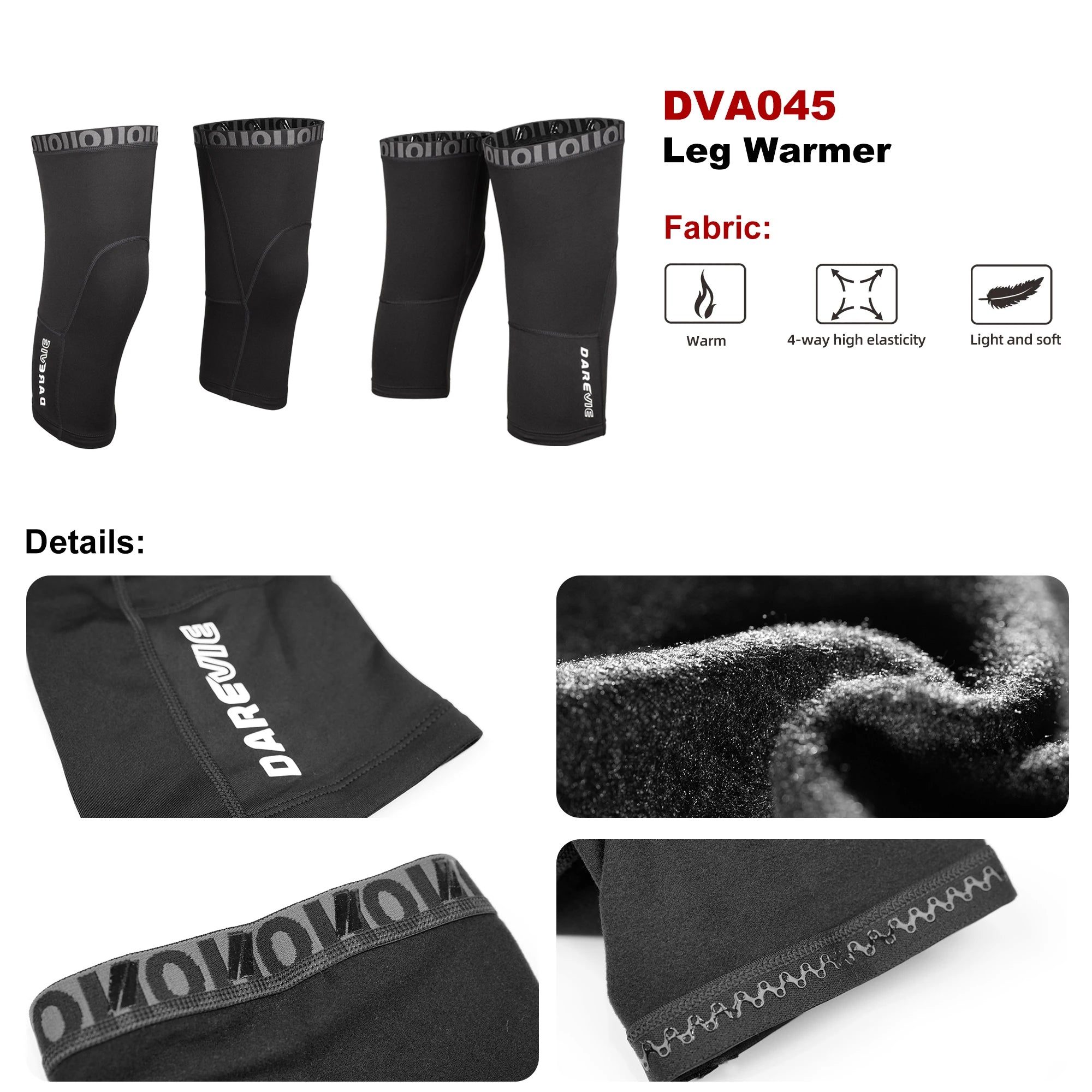
Warmth without bulk for cycling in cold weather — See it in action
Cycling leg warmers temperature guide (what to wear & when)
This cycling leg warmers temperature guide helps match your clothing to both the thermometer and real riding conditions. Wind, rain, climbing intensity, and ride duration often influence comfort just as much as the ambient temperature.
Temperature range by conditions
- 15°C to 10°C (59°F-50°F): Lightweight cycling leg warmers provide mild insulation while remaining easy to remove if the day warms up.
- 10°C to 5°C (50°F-41°F): Thermal fleece-lined leg warmers become the ideal choice for most endurance and recreational rides.
- 5°C to 0°C (41°F-32°F): Wind-resistant thermal models help reduce heat loss during exposed sections and fast descents.
- Below 0°C (32°F): Combine insulated leg warmers with additional winter layers or switch to thermal bib tights when cold exposure will be prolonged.
Wind chill and ride intensity
Wind chill can dramatically increase heat loss, especially above 30 km/h (19 mph). Riders tackling long descents, coastal roads, or open countryside often need more insulation than the air temperature alone suggests. Conversely, high-intensity climbing generates significant body heat, making breathable fabrics a better choice than heavily insulated designs for sustained efforts.
When to switch to bib tights
Leg warmers offer the greatest advantage when conditions are expected to change throughout the ride. If temperatures remain consistently below freezing, rides extend for several hours, or persistent rain is expected, insulated bib tights generally provide better full-leg protection with fewer layers to manage.
Why thermal leg warmers improve winter riding
Thermal leg warmers for cyclists provide targeted insulation where cold exposure has the greatest effect on comfort and pedaling efficiency. Instead of replacing your cycling shorts, they add an adaptable layer that helps maintain muscle warmth while allowing excess heat and moisture to escape during sustained efforts.
Insulation and heat retention
Keeping the quadriceps, hamstrings, and knees warm can improve overall riding comfort in cold weather. Thermal fabrics trap a layer of warm air close to the skin, reducing the cooling effect of cold wind without the bulk of insulated tights. This makes cycling leg warmers for winter especially useful during early morning starts, long descents, and shoulder-season rides.
Moisture management
Effective winter riding gear must manage perspiration as well as insulation. Quality thermal fabrics wick sweat away from the skin so moisture can evaporate, helping reduce the clammy feeling that often develops during changing ride intensity. Breathable construction also lowers the chance of overheating during climbs or tempo efforts.
Freedom of movement
Unlike full-length tights, leg warmers provide warmth while preserving the flexibility of your preferred bib shorts. They can be removed quickly if temperatures rise and stored in a jersey pocket, making them one of the most versatile additions to a cold-weather cycling kit.
- Targeted insulation for knees, quads, and hamstrings
- Breathable fabrics that balance warmth with moisture control
- Easy to remove during changing weather conditions
- Lightweight and compact for year-round versatility
Leg warmers vs tights for cold weather cycling
Both cycling leg warmers for winter and thermal tights help extend the riding season, but each excels under different conditions. The better choice depends on how variable the weather is, how long you'll be riding, and whether you value flexibility or maximum insulation.
When to choose leg warmers
Leg warmers are ideal when temperatures are expected to change during your ride or when you prefer a modular clothing system.
- Variable weather and transitional seasons
- Morning rides that warm up later in the day
- Layering with cycling bib shorts
- Easy removal and compact storage in a jersey pocket
- Excellent value because they work across multiple seasons
When tights are the better option
Thermal bib tights become the better investment when cold conditions remain consistent and frequent clothing adjustments are unlikely.
- Temperatures consistently below 5°C (41°F)
- Long winter endurance rides
- Wet, windy, or highly exposed routes
- Maximum insulation with minimal layering decisions
- Riders who prefer full-leg coverage throughout the ride
Best leg warmers for winter cycling (detailed reviews)
The best leg warmers for winter cycling vary according to temperature, riding intensity, and weather exposure. Rather than searching for a single "best" model, choose the design that matches your local climate and the type of riding you do most often.
Thermal fleece-backed leg warmers
Thermal fleece-backed warmers are the benchmark for most recreational and endurance cyclists. Their brushed inner lining traps warmth while allowing moisture to escape, making them suitable for everything from weekend rides to winter base training.
- Best for: 4-13°C (40-55°F)
- Pros: Excellent warmth-to-weight ratio, soft against the skin, breathable
- Cons: Less effective in heavy rain or strong wind without additional layers
- Ideal rider: Most road and gravel cyclists
Windproof panel leg warmers
Models with windproof front panels offer additional protection where cold air hits first. They are especially valuable on exposed roads, mountain descents, and coastal routes where wind chill significantly lowers perceived temperature.
- Best for: Windy rides between 0-8°C (32-46°F)
- Pros: Excellent wind protection with moderate bulk
- Cons: Slightly reduced breathability during hard efforts
- Ideal rider: Road cyclists regularly riding in exposed conditions
Merino wool options
Merino wool leg warmers naturally regulate temperature while resisting odor, making them an excellent choice for riders who train on consecutive days or encounter rapidly changing weather. They remain comfortable across a broad temperature range and continue insulating even when slightly damp.
- Best for: Cool, dry, or mixed conditions
- Pros: Natural insulation, odor resistance, excellent comfort
- Cons: Usually higher priced and slower to dry than synthetics
- Ideal rider: Long-distance cyclists and bikepackers
Compression designs
Compression-focused thermal leg warmers combine light muscle support with insulation. They appeal to endurance riders looking for a close-fitting option that stays securely in place during long hours in the saddle.
- Best for: Endurance rides and training sessions
- Pros: Stable fit, reduced bunching, streamlined profile
- Cons: Proper sizing is essential to avoid excessive compression
- Ideal rider: Performance-oriented cyclists
Water-resistant models
Water-resistant or weather-resistant leg warmers provide extra protection against road spray, light rain, and slushy winter conditions. While they are not a replacement for waterproof trousers in prolonged downpours, they help maintain warmth during unpredictable weather.
- Best for: Wet winter commuting and mixed weather
- Pros: Better protection from moisture and cold wind
- Cons: Slightly heavier and less breathable
- Ideal rider: Commuters and year-round cyclists
Browse cycling leg warmers
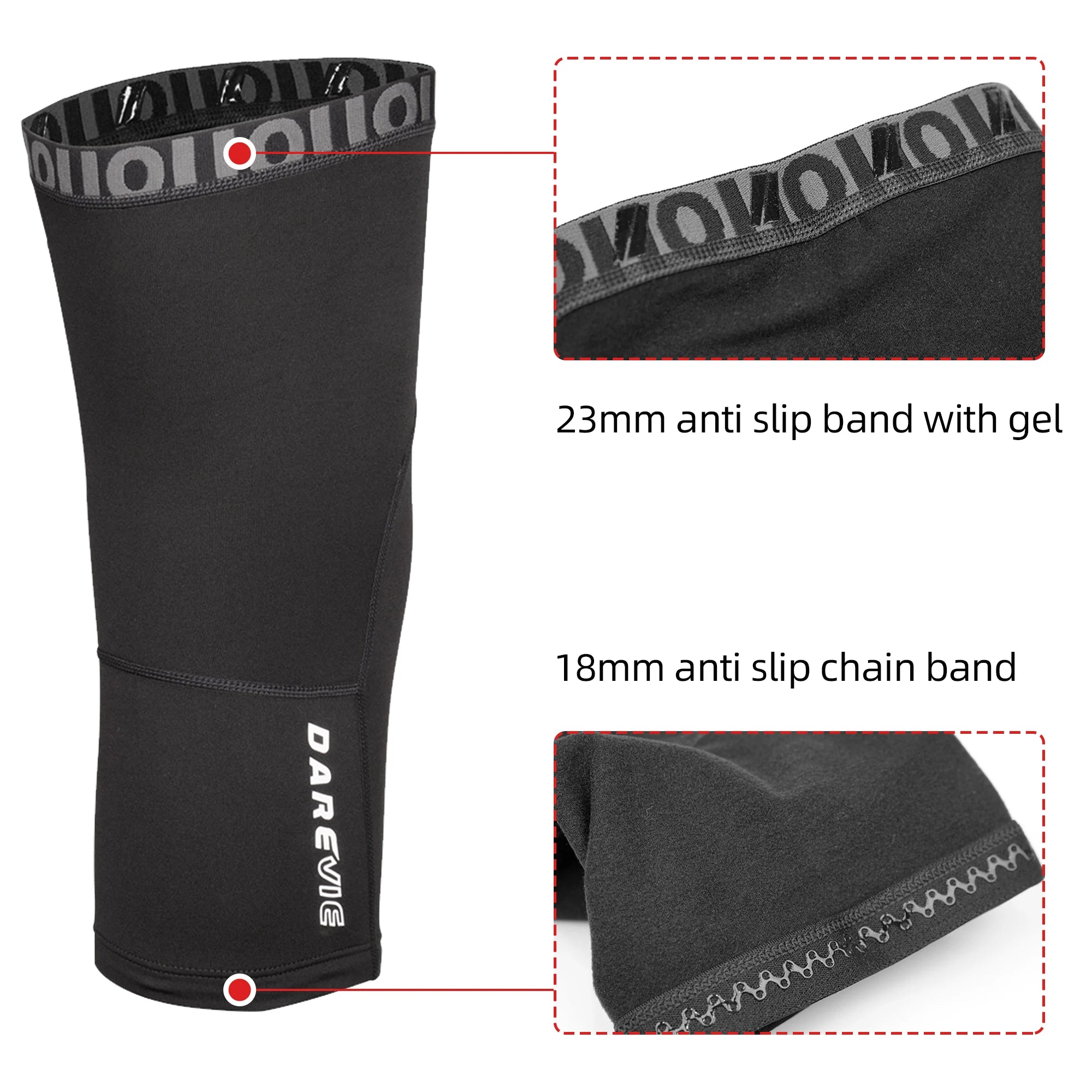
Flexible layering beats bulky winter cycling attire — See it in action
How to choose the best leg warmers
The right leg warmers for cold weather should match your riding conditions, fit securely throughout long rides, and balance insulation with breathability. Focusing on a few key buying criteria makes it easier to choose a pair that will remain comfortable season after season.
Materials compared
Fleece-lined synthetic fabrics deliver dependable warmth and quick drying, making them the most versatile choice for winter cycling. Merino wool offers excellent temperature regulation and natural odor resistance, while performance synthetics generally provide greater durability and faster moisture transfer during high-intensity riding.
Fit and sizing
A close, anatomical fit prevents wrinkles behind the knees and minimizes movement while pedaling. Measure according to the manufacturer's sizing chart rather than choosing based solely on height or clothing size.
Compression vs standard fit
Compression designs provide a race-oriented feel with gentle muscle support and a secure fit, while standard-fit leg warmers prioritize comfort and accommodate a wider range of riders. Both styles perform well when correctly sized.
Grip and durability
Wide silicone grippers, flatlock seams, and abrasion-resistant fabrics help keep thermal leg warmers for cyclists securely positioned throughout long rides. Reinforced stitching also improves long-term durability after repeated washing.
Reflective safety features
If you regularly ride before sunrise, after sunset, or in poor weather, reflective logos or trim can improve visibility when illuminated by vehicle headlights. Although they should not replace dedicated lights, reflective details provide an additional safety benefit for winter riding.
How to wear cycling leg warmers
Layering for winter rides
Understanding cycling leg warmers how to wear starts with building a flexible layering system. Wear moisture-wicking bib shorts next to the skin, add thermal leg warmers as your primary lower-body insulation, and combine them with weather-appropriate upper-body layers. This approach keeps your legs warm while allowing excess heat to escape during sustained efforts.
For most winter rides, a simple layering system includes:
- Moisture-wicking cycling bib shorts
- Thermal cycling leg warmers
- Thermal jersey or insulated long-sleeve jersey
- Windproof or water-resistant cycling jacket when conditions require
Transition-season setups
Winter cycling leg warmers layering is especially useful during spring, autumn, and early winter when temperatures may rise significantly during a ride. Start with leg warmers for cool morning conditions, then remove them once you're fully warmed up or when the afternoon temperature increases. Their compact size makes them easy to fold and store in a jersey pocket.
If your route includes long climbs followed by extended descents, it's often worth keeping the leg warmers on to avoid rapid cooling after high-intensity efforts.
Pairing with bib shorts and tights
Leg warmers are designed to integrate seamlessly with cycling bib shorts, creating a versatile system that covers a wide temperature range. For temperatures near freezing, many riders switch to thermal bib tights instead of adding multiple lower-body layers. Choose the option that best matches the forecast and expected ride duration.
Complete bike clothing system for cold weather cycling
Upper body layers
A balanced winter kit keeps your core warm while preventing moisture buildup. Begin with a moisture-wicking thermal base layer, add an insulated cycling jersey, and finish with a windproof or water-resistant jacket when conditions are cold, wet, or windy. This combination allows ventilation during climbs while protecting against wind chill on descents.
- Thermal cycling gloves to maintain grip and hand dexterity
- Overshoes or cycling shoe covers to reduce wind and water penetration
- Neck warmers or buffs to protect exposed skin
- Thermal socks for additional foot insulation
- Thin thermal cap or helmet liner for cold-weather rides
Accessories for wet and windy rides
Weather-resistant accessories can make a significant difference during winter cycling. Water-resistant gloves, insulated overshoes, and a lightweight packable shell help maintain comfort when conditions change unexpectedly without adding unnecessary bulk during milder sections of a ride.
Care and maintenance
Quality thermal leg warmers for cyclists can provide several seasons of reliable performance when cared for correctly. Proper washing and storage help preserve fabric stretch, insulation, moisture-wicking performance, and silicone grippers.
Washing thermal fabrics
- Wash on a gentle cycle using cold or lukewarm water.
- Turn leg warmers inside out to protect the outer fabric and reflective details.
- Use mild detergent and avoid fabric softeners, which can reduce moisture-wicking performance.
Drying and storage
- Air dry whenever possible.
- Avoid tumble drying on high heat, which can damage elastic fibers and silicone grippers.
- Store flat or loosely folded in a dry location away from direct sunlight.
Extending lifespan
Inspect seams and silicone grippers periodically, especially if you ride frequently through wet or muddy conditions. Replacing worn gear before elasticity is lost helps maintain a secure fit and consistent comfort throughout winter.
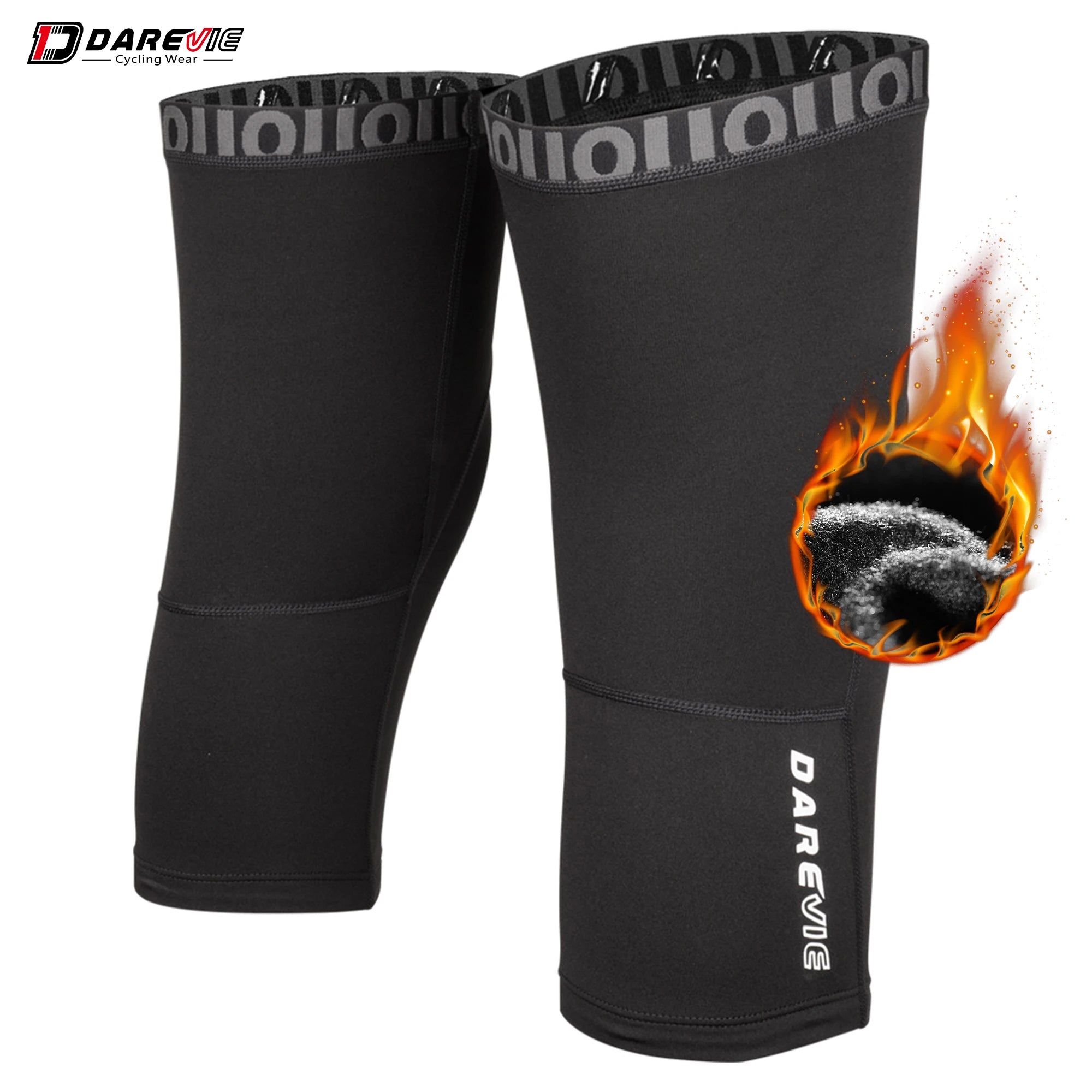
Built for long winter miles and daily rides — See it in action
Shop cycling leg warmers
Frequently asked questions
What temperature are cycling leg warmers best for?
Most cycling leg warmers perform best between 15°C and 5°C (59°F-41°F). Lightweight models suit cool autumn rides, while thermal fleece-lined or wind-resistant designs are better for colder winter conditions.
How do I wear cycling leg warmers correctly?
Wear them over cycling bib shorts or shorts so the upper grippers sit securely on the thigh. Smooth out wrinkles around the knees and ankles to maximize comfort and prevent rubbing during long rides.
Are thermal leg warmers warmer than standard models?
Yes. Thermal versions use brushed fleece or insulated fabrics that retain more heat than lightweight summer leg warmers, making them a better choice for cold-weather riding.
Should I choose merino wool or fleece leg warmers?
Merino wool excels at natural temperature regulation and odor resistance, while fleece-lined synthetic fabrics generally provide greater durability, faster drying, and better value for frequent winter cycling.
Are compression leg warmers good for winter cycling?
Compression models can provide a secure fit and light muscle support while maintaining warmth. They are particularly popular with endurance riders, although proper sizing is essential to avoid excessive pressure.
Can I wear leg warmers instead of cycling tights?
Yes, for cool to moderately cold conditions. When temperatures remain well below freezing or prolonged wet weather is expected, thermal bib tights usually provide better overall protection and convenience.
How should cycling leg warmers fit?
They should fit snugly without restricting circulation. Quality silicone grippers should keep them in place while allowing unrestricted pedaling throughout the ride.
Do cycling leg warmers stay in place on long rides?
Well-designed leg warmers with wide silicone grippers, anatomical shaping, and the correct size generally remain secure during long rides. If slipping occurs, sizing or worn elastic is often the underlying cause.
Choosing the best leg warmers for cold weather comes down to matching insulation, fit, and weather protection to your riding conditions. A quality pair can comfortably bridge the gap between cool autumn mornings and demanding winter training, making them one of the most versatile pieces of cold-weather cycling apparel.
- Anti Slip Cycling Leg Warmers Compared on Fit and Grip
- Lightweight Cycling Leg Sleeves vs Warmers for Cold Mornings
- Compression Cycling Leg Warmers: Which Help Fatigue Most?
- Thermal Fleece Cycling Leg Warmers Reviewed for Cold Rides
Explore More:
- Compression Benefits for Cyclists in Cold Weather Explained
- Compression Fleece Leg Warmers Cycling Tested on Winter Rides
Pillar Article: Not Found
Explore More:













