What Are the Benefits of an Infrared Foot Massager?
An infrared foot massager may combine gentle heat with massage or vibration to support comfort, relaxation, and temporary relief from stiffness. The strongest practical benefits come from heat-related muscle relaxation and the mechanical effects of massage, while claims about deeper tissue penetration, permanent circulation improvement, or treating medical conditions should be interpreted more cautiously.
Pain relief and reduced muscle stiffness
Warmth can increase local blood flow and help relax tight muscles and soft tissues, which may temporarily reduce discomfort associated with everyday overuse, prolonged standing, or stiffness. Infrared heat pain relief is best understood as supportive symptom management rather than a cure for an underlying foot condition.
Improved circulation and blood flow
Heat causes blood vessels near the warmed area to widen, increasing local circulation while the body regulates its temperature. An infrared foot massager may therefore help feet feel warmer and less stiff, but it should not be assumed to correct a circulation disorder or replace medical treatment.
Muscle relaxation and stress reduction
The combination of comfortable warmth and massage can reduce the sensation of muscle tension and make it easier to relax after walking, exercise, or a long day on your feet. This is one of the more realistic infrared heat therapy benefits for regular home use.
Evidence summary: what research supports and what remains uncertain
Research on heat therapy and some forms of infrared therapy supports potential benefits for comfort, local circulation, and certain types of pain. However, results vary by device, temperature, treatment duration, and medical condition. Evidence for consumer foot massagers specifically is more limited than evidence for heat therapy in general, so realistic expectations matter.
Infrared Foot Massager Benefits: How Infrared Heat Therapy May Improve Foot Comfort
⏱ 8 min read
Cold, stiff, or tired feet can make everyday movement less comfortable. An infrared foot massager combines warming therapy with massage or vibration to create a convenient at-home recovery routine—but does infrared foot massager work better than ordinary heat or massage alone? This guide explains the potential benefits, research limitations, safety considerations, and how to choose and use one responsibly.
Many people choose infrared devices because they want more than a simple heating pad. The key difference is the device's heat technology and the way it combines warmth with mechanical stimulation. While marketing often describes infrared heat as automatically delivering superior deep-tissue results, the actual experience depends on the device's design, temperature, wavelength, fit, and massage function.
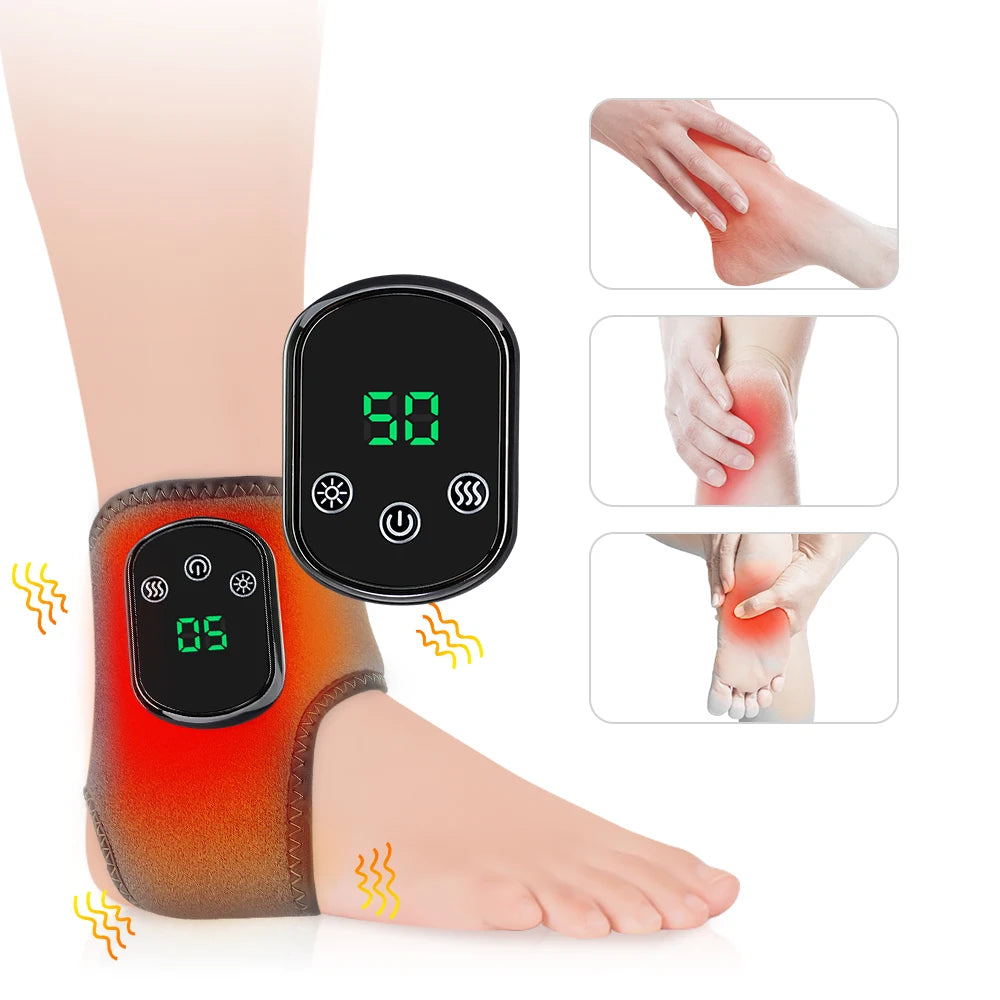
Infrared heat benefits start with consistent, comfortable warmth
How Infrared Heat Therapy Works (And Why It Feels Different)
Infrared heat therapy uses infrared radiation, a form of electromagnetic energy that transfers energy to surfaces and tissues when absorbed. Infrared devices can use different wavelength ranges, and the amount of energy reaching tissue depends on the device, distance, exposure time, and surrounding conditions. For consumers, the most important practical point is that the device warms tissue through radiant heat rather than relying only on direct contact with a hot surface.
What is infrared heat?
Infrared is a portion of the electromagnetic spectrum located beyond visible red light. Some infrared technologies are designed to produce thermal warming, while others are marketed for specific therapeutic applications. A consumer foot massager should therefore be evaluated by its actual specifications and safety controls rather than by the word “infrared” alone.
How infrared energy penetrates tissue
Infrared energy is absorbed by materials and tissue to varying degrees. Some wavelengths can warm tissue below the immediate surface, but penetration is not unlimited and does not mean that every infrared device reaches deep muscles equally. The resulting warmth can contribute to local vasodilation, reduced muscle tension, and temporary comfort.
Infrared vs conventional surface heat
Traditional heating pads mainly transfer heat through direct contact with the skin. Infrared devices transfer radiant energy that is absorbed and converted into heat. Both approaches can produce therapeutic warmth, so infrared should not automatically be considered more effective simply because the heat is described as “deep.”
Why infrared feels different from standard heating
Some users experience infrared warmth as gradual and evenly distributed, while the sensation of a conventional heating pad depends heavily on the pad's surface temperature and contact with the body. Comfort, temperature control, coverage, and the addition of massage may influence the experience as much as the heating technology itself.
Infrared Foot Massager vs Heating Pad vs Shiatsu vs Compression
Each technology addresses a different part of the foot-care experience. The best choice depends on whether your priority is warmth, mechanical massage, compression, or a combination of features.
| Option | Main action | May be useful for | Important limitation |
|---|---|---|---|
| Infrared foot massager | Radiant heat, often combined with massage or vibration | Warmth, relaxation, temporary stiffness relief | Benefits vary significantly by device and condition |
| Traditional heating pad | Direct surface heat | Simple, localized warming | Usually provides little or no mechanical stimulation |
| Shiatsu foot massager | Kneading, rolling, or pressure | Muscle tension and massage-focused relaxation | Pressure may feel too intense for some users |
| Compression device | Intermittent pressure around the limb or foot | Compression-focused recovery and comfort | Not appropriate for everyone with vascular or medical conditions |
Infrared vs traditional heating pads
Both can provide warming comfort. The main difference is how heat is transferred. A conventional heating pad relies primarily on contact heat, while an infrared device uses radiant energy. A well-designed heating pad can still be effective for comfort, so the benefits of an infrared heating pad or infrared foot massager should be judged by the actual use case rather than the label alone.
Infrared vs shiatsu massage
Shiatsu-style massage uses pressure and mechanical movement to target tension. Infrared heat adds warmth, which may help muscles feel more relaxed before or during massage. A combination device may be convenient for people who want both effects, although stronger massage is not automatically better.
Infrared vs compression therapy
Compression applies controlled pressure, while infrared therapy primarily provides warmth. Compression products may be used for specific recovery or circulation-related purposes, but people with vascular disease or other medical conditions should seek appropriate professional guidance before using them.
Which option fits different foot conditions?
For general coldness and stiffness, gentle warmth may be the most relevant feature. For muscle tension, massage may provide more noticeable mechanical stimulation. For diagnosed medical conditions such as persistent plantar fasciitis, arthritis, neuropathy, or circulation disorders, a device should be considered an optional comfort tool rather than a substitute for evaluation and treatment.
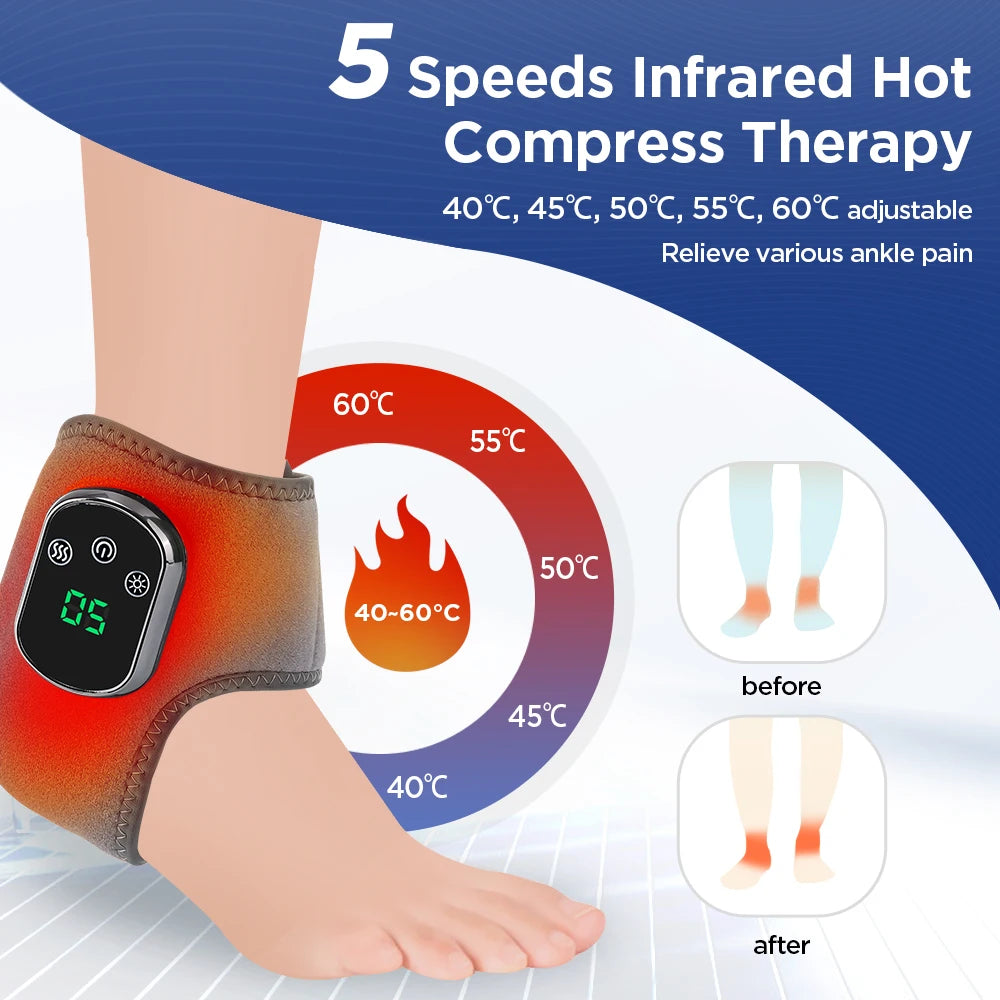
Infrared foot massager vs heating pad—comfort you can compare
Who May Benefit Most from an Infrared Foot Massager?
People with plantar fasciitis
Gentle heat may temporarily reduce the sensation of stiffness or tension around the foot, while massage may provide additional comfort. However, plantar fasciitis has multiple contributing factors, and an infrared foot massager does not correct the underlying cause. Persistent or worsening heel pain warrants professional evaluation.
People with arthritis or chronic foot pain
Warmth can help some people feel less stiff, particularly before gentle movement. The response varies by the type and cause of pain. People with persistent swelling, significant pain, or a diagnosed joint condition should discuss appropriate heat and massage use with a healthcare professional.
Athletes and post-exercise recovery
After activity, comfortable warmth and gentle massage may help with relaxation and the perception of muscle soreness. An infrared foot massager can be part of a broader recovery routine that includes rest, appropriate movement, hydration, and adequate recovery time.
People with circulation concerns
Heat can increase local blood flow temporarily, which may make cold feet feel warmer. That is different from treating poor circulation caused by a vascular disorder. Anyone with diagnosed peripheral vascular disease, unexplained coldness, color changes, persistent swelling, or circulation symptoms should seek medical advice rather than relying on an infrared device.
Safety, Risks, and Who Should Avoid Infrared Heat Therapy
Diabetes and peripheral neuropathy
People with diabetes or reduced sensation in the feet may not reliably feel excessive heat. This can increase the risk of an unnoticed skin injury. Anyone with diabetic neuropathy or significant loss of sensation should ask a healthcare professional whether heat therapy is appropriate before using an infrared foot massager.
Peripheral vascular disease and poor sensation
People with diagnosed peripheral vascular disease, significant circulation problems, or reduced ability to sense temperature should use caution and obtain medical guidance. Heat may not be appropriate in every circulation-related condition.
Pregnancy and implanted medical devices
Pregnant users should ask their healthcare professional before using heat-based therapeutic devices, particularly for prolonged or high-temperature sessions. If you have an implanted medical device or another condition that could be affected by heat or electrical stimulation, review the manufacturer's instructions and seek professional advice when needed.
Safe temperature and session guidelines
Use the lowest comfortable setting that provides warmth without burning, stinging, or excessive redness. Do not fall asleep while using a heat-producing device unless the manufacturer specifically designs and approves it for that use. Inspect the skin during and after use, follow the product's instructions, and stop immediately if you experience pain, dizziness, unusual skin changes, or worsening symptoms.
What Does the Scientific Evidence Say?
Clinical research on pain relief
Research on therapeutic heat supports its ability to increase local blood flow and reduce the perception of some types of muscle and joint discomfort. Evidence for infrared technologies is more varied because studies use different wavelengths, treatment protocols, and devices. This means promising results from one infrared therapy cannot automatically be applied to every consumer foot massager.
Evidence for circulation improvement
Heat generally produces temporary local vasodilation, which can increase blood flow in warmed tissue. That physiological response supports the idea that infrared heat may improve local circulation during or shortly after use. It does not prove that an infrared foot massager permanently improves circulation or treats a vascular disease.
Limitations of current studies
Many studies involve small sample sizes, specific clinical populations, or specialized infrared equipment rather than consumer foot massagers. Differences in wavelength, temperature, session length, and outcome measurement also make direct comparisons difficult. More device-specific research is needed to determine which consumer products provide meaningful advantages over conventional heat or massage.
Key takeaways for consumers
The most defensible conclusion is that infrared heat therapy may provide useful warmth and temporary comfort for some people, especially when combined with gentle massage. The evidence does not support treating every marketing claim as proven, and no infrared foot massager should replace diagnosis or treatment for persistent pain, neuropathy, vascular disease, or other medical conditions.
Infrared Heat Benefits for Foot Recovery and Daily Comfort
Immediate vs long-term effects
Immediate effects may include warmth, relaxation, and a temporary reduction in the sensation of stiffness or discomfort. Long-term benefits are less certain and depend on the reason for the symptoms. Consistent use may support a comfortable routine, but it should not be assumed to permanently correct an underlying condition.
Recommended treatment frequency
Many people can begin with short, comfortable sessions several times per week and adjust according to the device instructions and their response. More frequent use is not necessarily more effective. If symptoms worsen or do not improve, consider professional evaluation instead of simply increasing session time or temperature.
Factors influencing results
Results can vary according to the cause of foot discomfort, heat setting, massage intensity, session length, device fit, baseline sensitivity, activity level, and overall treatment routine. A device may feel helpful for everyday fatigue while having limited value for a more complex medical condition.
How to Choose the Best Infrared Foot Massager
Essential therapeutic features
- Adjustable heat settings with clear temperature control
- Consistent, evenly distributed warmth
- Massage or vibration settings that can be adjusted independently when possible
- Comfortable foot coverage and a stable design
- Easy-to-clean surfaces and removable washable components where available
- A timer or automatic shut-off feature for safer use
Heat, massage, and vibration combinations
A foot massager with heat benefits may offer more versatility than a heat-only device because warmth and mechanical stimulation address different aspects of comfort. Look for independent controls when possible so you can use heat without intense massage or adjust each function to your tolerance.
Safety certifications and temperature control
Prioritize products with clear safety information, reliable temperature regulation, automatic shut-off, and appropriate electrical safety certifications for your market. Avoid devices that provide vague performance claims but little information about temperature control, operating instructions, or safe use.
Buying mistakes to avoid
Do not choose solely by the word “infrared,” the highest heat setting, or the number of massage modes. A device that is too hot, too intense, difficult to clean, or uncomfortable to use may be less useful than a simpler product with better controls and a design you can use consistently.
One popular choice is an electric foot heat massager designed for at-home recovery.
How to Use an Infrared Foot Massager for Best Results
Ideal session duration
Start with a short session according to the manufacturer's instructions and increase only if the device remains comfortable. Many consumer devices are designed for sessions of approximately 15–30 minutes, but the correct duration depends on the product's specifications and your individual tolerance.
Temperature recommendations
Choose a comfortably warm setting rather than the maximum temperature. Heat should not feel painful, burning, or excessively intense. People with reduced sensation should not rely on comfort alone to judge temperature and should obtain appropriate medical guidance before using heat therapy.
Combining with stretching or exercise
Gentle stretching and appropriate movement may complement a relaxation routine, particularly after prolonged sitting or standing. Do not use heat to push through significant pain or to mask symptoms that need medical evaluation.
Cleaning and maintenance
Follow the manufacturer's cleaning instructions and disconnect electrical devices before cleaning. Keep the device dry when required, inspect cords and surfaces for damage, and avoid using a product that shows signs of electrical or structural wear.
- Read the device instructions before the first use.
- Use clean, dry feet unless the product specifically permits another method.
- Start with a low or moderate heat setting.
- Use a comfortable massage intensity and remain awake and aware of your skin's response.
- Stop if you experience pain, burning, unusual skin changes, or worsening symptoms.
- Clean and store the device according to the manufacturer's instructions.
Pairing infrared therapy with other wellness tools from Body Care and Health Devices can complement a broader self-care routine.
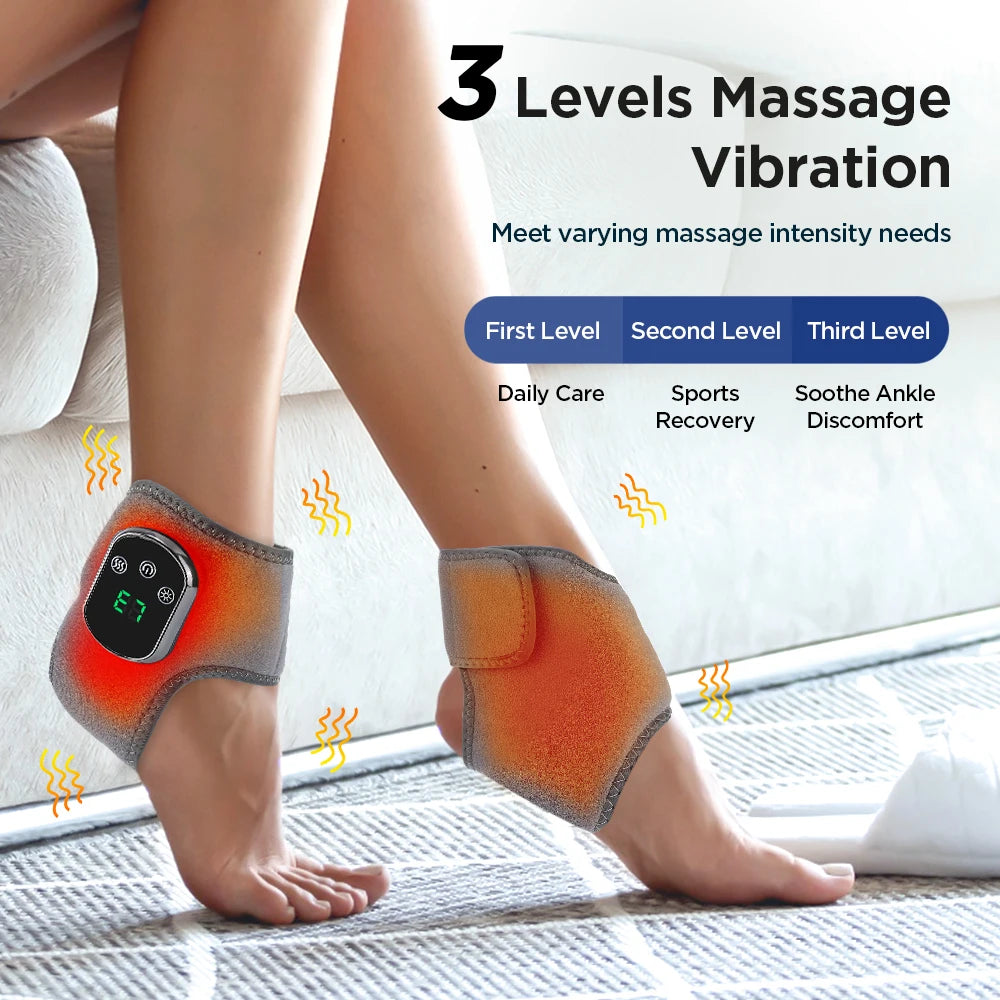
Build a relaxing ritual with infrared heat benefits
Infrared Therapy Myths vs Facts
Myth: Infrared heat detoxes the body
Fact: Sweating is one way the body regulates temperature, but there is no good basis for claiming that an infrared foot massager “detoxes” the body by removing unspecified toxins. The liver, kidneys, lungs, and other physiological systems handle the body's normal waste-processing functions.
Myth: Infrared therapy permanently improves circulation
Fact: Heat can temporarily increase local blood flow while the tissue is warmed. That does not mean a consumer infrared device permanently corrects poor circulation or treats peripheral vascular disease.
Myth: Hotter is always better
Fact: Higher temperatures do not automatically produce better results and can increase the risk of skin injury. Comfortable, controlled warmth is generally a more sensible approach than using the highest available setting.
Frequently Asked Questions About Infrared Foot Massagers
Does an infrared foot massager really work?
It can provide useful warmth, relaxation, and temporary relief from some types of stiffness or discomfort. The effectiveness depends on the device, the cause of your symptoms, and how it is used. Evidence supports some effects of heat therapy, but claims that every infrared foot massager provides superior or permanent results are not established.
Does an infrared foot massager improve circulation better than massage alone?
Heat and massage work through different mechanisms, so one is not universally “better.” Heat can temporarily increase local blood flow, while massage provides mechanical stimulation. A combination device may offer both effects, but the clinical significance depends on the person and the underlying condition.
Can people with diabetes safely use an infrared foot massager?
People with diabetes should be especially cautious because neuropathy can reduce the ability to feel excessive heat. Anyone with diabetes, reduced foot sensation, or circulation problems should consult a healthcare professional before using an infrared heat device.
Is infrared heat safe every day?
Many people can use consumer heat devices regularly when they follow the product instructions and use comfortable settings. Daily use is not appropriate for everyone, however, and people with reduced sensation, vascular conditions, or other relevant medical concerns should seek professional guidance.
How long should each infrared foot massage session last?
Follow the manufacturer's recommended session length. A common starting point for consumer devices is approximately 15–30 minutes, but the appropriate duration varies by product and user. Longer sessions are not automatically more effective.
Is infrared heat different from a regular heating pad?
Yes. A conventional heating pad primarily transfers heat through direct contact, while an infrared device uses radiant infrared energy that is absorbed and converted into heat. Both can provide warming comfort, and infrared is not automatically superior in every situation.
Can infrared therapy help plantar fasciitis or arthritis?
Gentle warmth may temporarily reduce stiffness or make some types of discomfort feel more manageable. It does not cure plantar fasciitis or arthritis, and persistent, severe, or worsening symptoms should be evaluated by a healthcare professional.
How often should you use an infrared foot massager for best results?
Start with the manufacturer's instructions and use a frequency that remains comfortable. Several short sessions per week may be a reasonable starting routine for many people, but the ideal schedule depends on the device and your symptoms.
Are there any side effects of infrared heat therapy for feet?
Possible problems include excessive warmth, skin irritation, burns from overexposure, or worsening discomfort. Risk may be higher when sensation is reduced. Stop use if you notice pain, burning, unusual redness, blistering, dizziness, or other concerning symptoms.
Pillar Article: Sore Ankles After Walking? Top Massagers Compared for Fast Relief
Other Related Articles:
- Portable Electric Massager Showdown: Find Your Ideal Ankle Relief
- Heat and Vibration Pad Reviews: Best Options for Sore Ankles
- Auto Shut Off Massagers: Safety and Comfort in Everyday Use
- Vibration Massage Benefits: Which Heated Pads Ease Ankle Pain Most
Explore More: