

How can you relieve muscular neck pain effectively at home?
For most muscular neck pain caused by poor posture, stress, or overuse, a combination of heat therapy, gentle movement, and good posture habits can help reduce stiffness and improve comfort. A warm compress or heating pad may relax tight muscles and make it easier to move your neck.
- Apply gentle heat for 15–20 minutes
- Follow with slow, pain-free neck stretches
- Maintain a neutral head and neck position throughout the day
- Use a supportive pillow that keeps your neck aligned during sleep
While heat can ease symptoms, it does not treat the underlying cause of every type of neck pain. If symptoms follow an injury or include numbness, weakness, or severe pain, seek medical evaluation.
How to Relieve Muscular Neck Pain Step by Step (Fast Relief Guide)
How Can Neck Pain Heat Treatment Help Relieve Discomfort at Home?
Neck pain heat treatment is one of the most common at-home approaches for relieving muscular stiffness and tension. When discomfort is caused by prolonged sitting, stress, poor sleeping posture, or muscle overuse, warmth may help muscles relax and improve mobility.
Many people ask, does heat help neck pain? For muscular pain, the answer is often yes. Heat encourages blood flow to the area, which may reduce muscle tightness and make gentle movement more comfortable. However, heat is intended to relieve symptoms rather than cure the underlying cause of chronic or recurring neck problems.
Before using neck pain heat therapy, make sure your symptoms are consistent with muscle tension rather than a recent injury. Choosing the appropriate heat method and following safe application guidelines can improve comfort while reducing the risk of skin irritation.
When heat therapy works best
- Muscle tightness after long hours at a desk
- Morning stiffness from sleeping position
- Chronic muscle tension without swelling
- Stress-related neck tightness
When NOT to use heat
- Recent injuries with swelling or inflammation
- Sharp pain following a fall or accident
- Areas that are already warm, swollen, or inflamed
- Neck pain accompanied by significant numbness, weakness, or severe nerve symptoms
Waking up with a stiff neck, feeling tension after hours at your desk, or struggling to turn your head comfortably can affect your work, sleep, and daily activities. Fortunately, learning how to relieve muscular neck pain usually starts with a few simple habits—using heat appropriately, moving gently, and correcting posture over time.
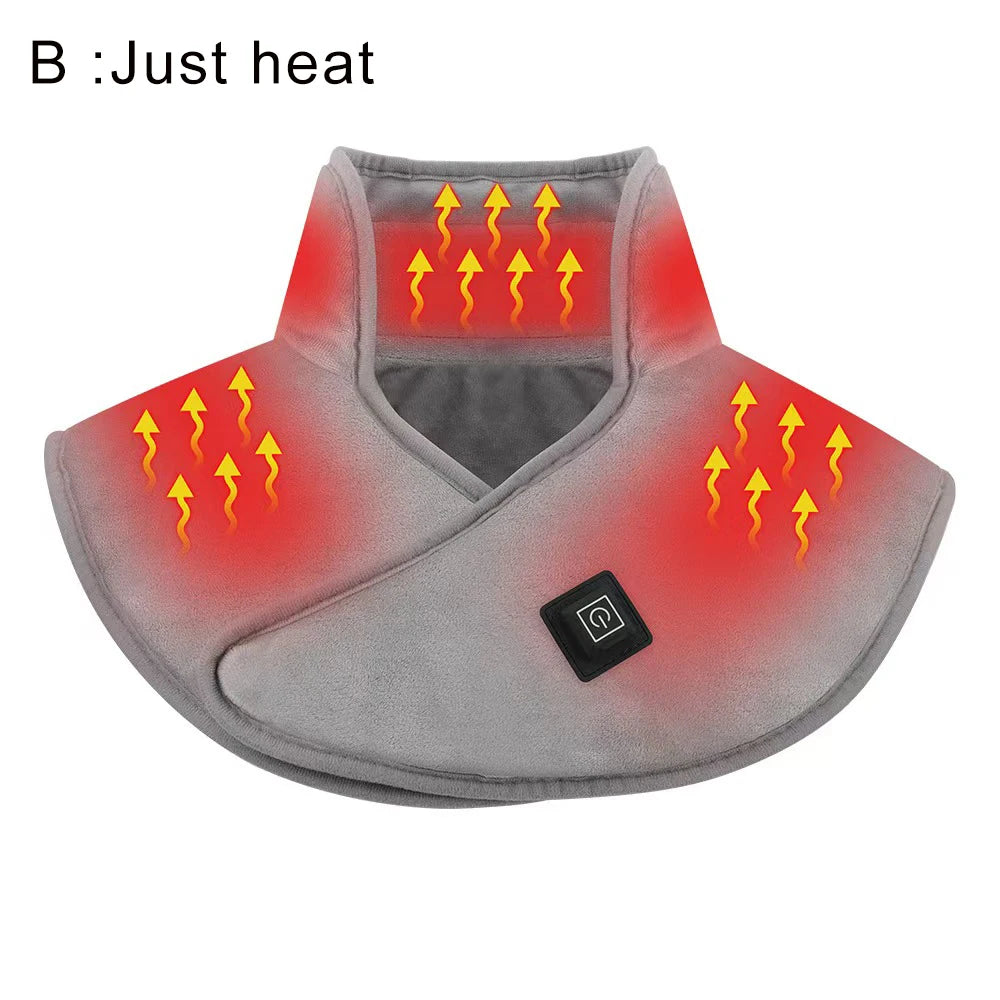
Thermal comfort that supports muscle relaxation and mobility. See it in action.
Why Neck Pain and Muscle Tension Keep Coming Back
Neck muscle pain often develops gradually from repeated daily strain rather than a single injury. Without addressing the habits that overload the cervical muscles, stiffness frequently returns.
- Extended screen time with forward head posture
- Stress-related muscle tightening
- Poor sleeping alignment
- Repetitive activities and muscle overuse
- Cold environments that contribute to muscle tightness
Combining healthy movement habits with appropriate stiff neck treatment, including heat therapy when suitable, can help reduce recurring neck tension relief needs over time.
Heat vs Cold Therapy for Neck Pain: Which Should You Use?
When heat is better for neck pain
Heat is generally recommended when neck discomfort comes from muscle tightness, prolonged sitting, stress, or recurring stiffness. It helps relax muscles and may improve flexibility before stretching.
- Relaxes tight muscles
- Improves circulation
- Supports range of motion
- Often preferred for chronic muscular discomfort
When cold therapy may be more suitable
Cold therapy is typically more appropriate during the first 24–48 hours after an acute injury or when swelling is present.
- Helps reduce inflammation
- May numb sharp pain temporarily
- Useful after sudden strains or impacts
Quick guide: neck pain hot or cold compress
If you're deciding between a cold or hot compress for neck pain, use heat for muscle tension and stiffness, and use cold soon after injuries involving swelling. If you're uncertain whether your symptoms are muscular or injury-related, seek medical advice before starting heat therapy.
How Does Heat Therapy Work for Neck Pain?
Heat therapy for neck pain works by gently widening blood vessels near the skin and muscles. Increased circulation delivers oxygen and nutrients that support normal muscle function while helping tense muscles relax.
Although heat does not heal every cause of neck pain, many people notice improved comfort when stiffness is primarily muscular.
How heat reduces stiffness and supports movement
As muscles become more relaxed, turning the head and performing gentle stretches often feels easier. Using stiff neck heat before mobility exercises may help improve range of motion while reducing the feeling of tightness.
- Promotes muscle relaxation
- Supports comfortable movement
- May reduce protective muscle guarding
- Pairs well with gentle stretching and posture correction
Types of Heat Treatments for Neck Pain Relief
Heating pads and cervical heat wraps
A heating pad for a stiff neck provides consistent warmth and is convenient for relaxing tense muscles while sitting or resting. Many modern heating pads include adjustable temperature settings and automatic shut-off features.
A warm compress for stiff neck symptoms is inexpensive and easy to prepare at home. A warm, damp towel can deliver moist heat that many people find soothing for muscle tension.
Hot showers and other heat methods
Warm showers, heated wraps, or reusable microwaveable packs can also provide neck pain heat treatment. Choose the option that best fits your routine while keeping temperatures comfortably warm rather than excessively hot.
Step-by-Step Neck Pain Heat Treatment Routine at Home
Step 1: Prepare and apply gentle heat
Place a warm compress or heating pad over the painful muscles for 15–20 minutes. The temperature should feel comfortably warm, never painfully hot.
Step 2: Use heat for the recommended duration
Most people benefit from sessions lasting 15–20 minutes. Longer sessions generally do not provide additional benefits and may increase the risk of skin irritation.
Step 3: Add gentle movement after heating
Once your muscles feel looser, slowly perform comfortable neck movements and light stretches. Avoid forcing painful movements or sudden rotations.
During recovery, supportive wellness products available in the Body Care and Health Devices collection may complement an overall self-care routine.
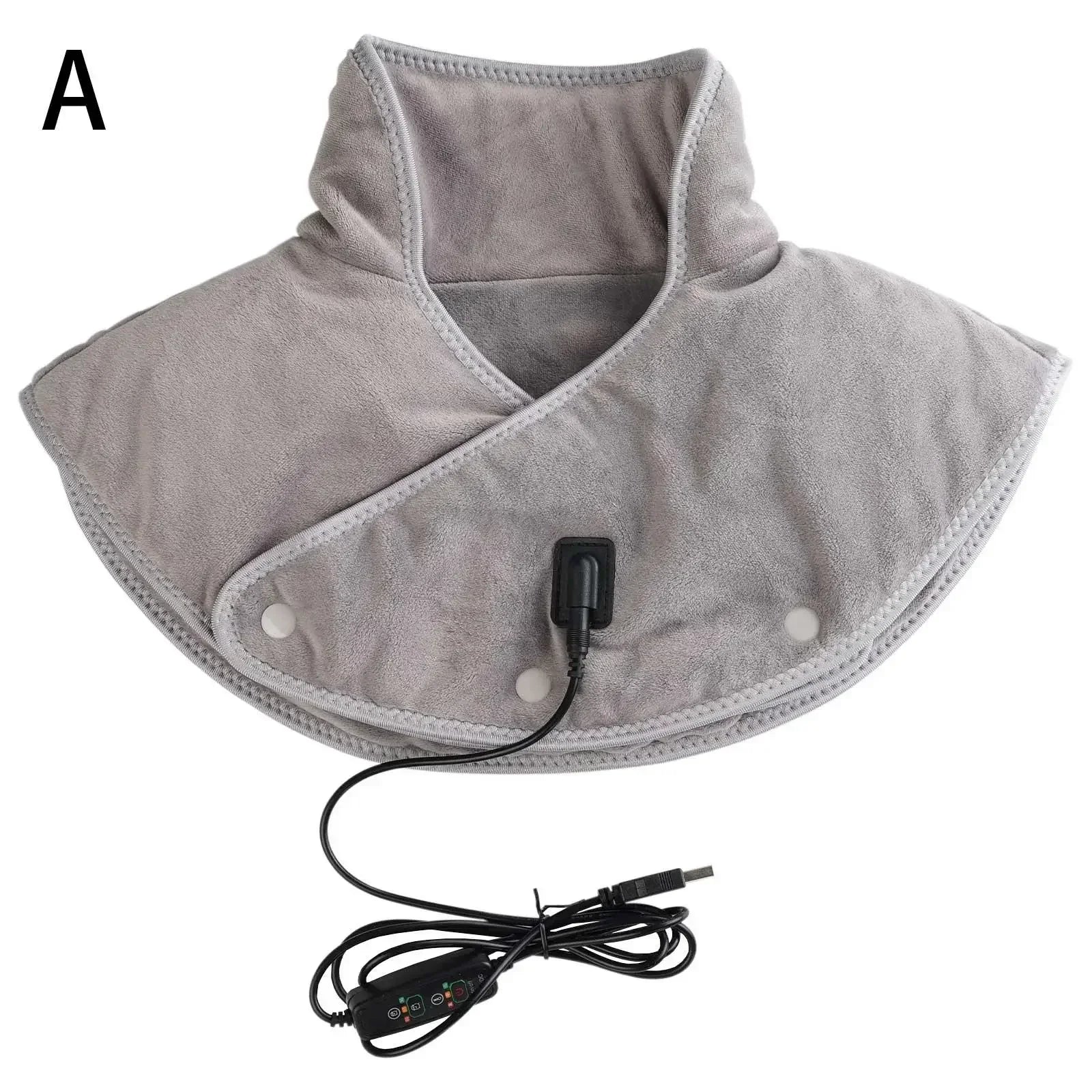
Consistent warmth supports comfortable muscle relaxation. Feel the difference.
Step 4: Repeat safely when needed
Repeat heat therapy once or twice daily if symptoms improve with warmth. Combine treatment with posture correction, regular movement breaks, and adequate rest for longer-lasting benefits.
Safe Heating Pad Usage: What to Do and Avoid
Using a heating pad correctly can maximize comfort while reducing the risk of burns or skin irritation.
- Limit each session to 15–20 minutes
- Place a thin cloth between the heating source and your skin
- Never sleep with an active heating pad
- Check your skin regularly during treatment
- Use lower temperature settings if you have sensitive skin
Many people wonder, is a heating pad good for neck pain? It can be beneficial for muscular stiffness when used safely and appropriately.
Common Mistakes When Using Heat for Neck Pain
- Applying heat immediately after an injury with swelling
- Using temperatures that are too high
- Keeping heat on for extended periods without breaks
- Ignoring posture while using heat therapy
- Relying on heat alone without movement or ergonomic improvements
Heat can help neck pain caused by muscular tension, but it is most effective when combined with stretching, posture correction, and healthy daily habits.
Daily Habits That Help Prevent Neck Tension
Long-term neck pain relief depends on reducing the strain that contributes to muscle tightness in the first place.
- Adjust monitors to eye level
- Take movement breaks every 30–60 minutes
- Stretch gently throughout the day
- Maintain supportive sleeping posture
- Manage stress through breathing exercises or short walks
When combined with occasional heat therapy for muscular stiffness, these habits can help reduce recurring soreness and improve overall neck comfort.
When Should You Avoid Heat Therapy or See a Doctor?
Although neck pain heat therapy is appropriate for many cases of muscular stiffness, there are situations where heat should be avoided or medical evaluation is recommended.
Avoid using heat if you have:
- A recent injury with swelling or bruising
- Open wounds or skin infections
- Areas with reduced sensation that increase burn risk
- Rapidly worsening pain without a clear cause
Seek medical care promptly if neck pain is accompanied by:
- Numbness or weakness in the arms or hands
- Pain following significant trauma
- Fever, severe headache, or unexplained weight loss
- Difficulty walking or problems with balance
- Pain that persists beyond one to two weeks despite self-care
Pillar Article: How to Relax the Neck Muscles Using Heat Therapy
Other Related Articles:
- Posture Recovery for Neck and Shoulders: A Heat Guide
- Can You Use a Heating Pad Too Much? Safety Tips
- Heating Pad for Neck Tension: Best-Rated Picks Compared
Explore More:
- Auto Shut Off Explained: Why It Makes Heat Therapy Safer
- Neck Heating Pad Review: Is It Worth the Price?
Frequently Asked Questions
How long should I use heat for neck pain?
Most experts recommend applying heat for 15–20 minutes per session. Allow your skin to cool before repeating treatment.
Does heat help a stiff neck?
Yes. Heat often helps relieve muscular stiffness by relaxing tight muscles and supporting circulation, making movement more comfortable.
Is a heating pad good for neck pain?
A heating pad can be an effective option for muscular neck pain caused by tension, posture, or overuse when used according to safety instructions.
Can I use heat therapy every day?
Daily use is generally appropriate for chronic muscular stiffness if the skin remains healthy and treatment sessions stay within recommended time limits.
Should I use heat or ice for neck muscle pain?
Use heat for muscle tightness and recurring stiffness. Ice is generally more appropriate soon after an injury when swelling or inflammation is present.
How often can I apply a warm compress for neck pain?
Most people can safely apply a warm compress one or two times daily, depending on symptoms and skin tolerance.
Can I sleep with a heating pad on my neck?
No. Sleeping with an active heating pad increases the risk of burns and overheating. Use automatic shut-off features and remove the device before sleeping.
When should neck pain be checked by a doctor?
Seek medical evaluation if neck pain follows significant trauma, persists beyond one to two weeks, becomes progressively worse, or is accompanied by numbness, weakness, fever, or difficulty with balance.













