

Does upper back pain respond better to heat or ice?
It depends on the underlying cause and how long you've had symptoms. In most cases, ice works best for a new injury with inflammation , while heat is better for muscle stiffness, posture-related tension, and ongoing upper back pain . Choosing the right therapy at the right stage can reduce discomfort, improve movement, and support recovery.
Quick answer (acute vs. chronic rule)
- Use ice: during the first 24–72 hours after a strain, sudden injury, or when swelling and inflammation are present.
- Use heat: for muscle tightness, chronic upper back pain, stiffness, or discomfort caused by prolonged sitting and poor posture.
Decision tree: Which should you use today?
- If your pain started suddenly after lifting, twisting, or exercise and the area feels tender or swollen → start with ice .
- If your upper back feels tight, stiff, or sore after desk work or sleeping awkwardly → use heat .
- If the pain has lasted several days and swelling has resolved → transition from ice to heat to encourage mobility.
- If you're unsure whether inflammation is present, begin with ice during the first day, then reassess symptoms before switching to heat.
When symptoms are mixed
Some people experience both soreness and stiffness. In these situations, a short period of icing after activity followed by heat later in the day may provide the best balance. This approach is most helpful once obvious swelling has subsided.
Upper Back Pain: Ice or Heat? A Clear Guide to What Works and When
Deciding between upper back pain heat or ice usually comes down to timing, symptoms, and the source of discomfort. Whether your pain comes from muscle tension, poor posture, overuse, or a recent strain, understanding when to use each therapy can improve comfort while avoiding common treatment mistakes.
⏱ 6 min read
Upper back pain heat or ice comparisons start with understanding your discomfort. See it in action.
What causes upper back pain?
Upper back pain often develops from muscular strain, prolonged poor posture, repetitive movement, or minor joint irritation. Identifying the cause helps determine whether heat or ice for upper back pain is likely to provide the greatest benefit.
Muscle strain and posture-related tension
Long hours at a computer, frequent phone use, driving, or repetitive reaching can overload the muscles between the shoulder blades. This commonly produces dull aching, muscle tightness, and reduced flexibility that usually responds well to heat therapy.
Inflammation and acute injury
A sudden twist, lifting injury, sports strain, or awkward movement can irritate muscles and surrounding tissues. When inflammation is present, pain is often sharper and more localized, making ice the preferred option during the early recovery phase.
Thoracic joint dysfunction and overuse
The joints of the thoracic spine can become stiff after repetitive activities or extended periods of inactivity. People may notice discomfort during rotation, reaching overhead, or taking deep breaths. Gentle movement combined with heat often improves mobility once acute inflammation has settled.
Referred pain and when to be cautious
Not all upper back pain originates in the muscles. Pain that spreads into the chest, arm, jaw, or is accompanied by numbness, weakness, fever, or difficulty breathing requires prompt medical assessment rather than home treatment alone.
Heat vs. ice: how each works in the body
Heat and cold relieve pain through different physiological mechanisms. Understanding these differences makes it easier to choose the appropriate treatment.
How ice reduces pain and inflammation
Cold therapy causes vasoconstriction , narrowing blood vessels and limiting excess fluid accumulation after an injury. Ice also slows nerve conduction, temporarily reducing pain signals and helping minimize inflammation during the first few days.
How heat relaxes muscles and improves circulation
Heat promotes vasodilation , increasing blood flow that delivers oxygen and nutrients to muscles. This improves tissue flexibility, decreases muscle guarding, and explains why warmth is particularly effective for posture-related tension and chronic upper back muscle soreness.
Why timing matters
Using heat too soon after a fresh injury may increase swelling, while prolonged icing of chronically tight muscles may worsen stiffness. Matching therapy to the stage of healing provides better outcomes than relying on one method alone.
When to use ice for upper back pain
Ice is most appropriate when pain is new, inflammatory, or follows a specific injury.
Best situations for ice
- Sudden muscle strain or sports injury
- Visible swelling or localized inflammation
- Sharp pain after lifting or twisting
- First 24–72 hours following tissue irritation
Application duration and frequency
- Apply for 15–20 minutes per session.
- Repeat every 2–3 hours during the acute stage.
- Wrap the ice pack in a towel to prevent skin injury.
When to stop icing
As swelling decreases and pain changes from sharp to stiff or tight, switching to heat generally becomes more beneficial for restoring comfortable movement.
When to use heat for upper back pain
If you're wondering, " Is heat good for upper back pain? " the answer is yes for most muscular conditions that involve tightness rather than inflammation.
Best situations for heat
- Muscle stiffness and tightness
- Recurring upper back discomfort
- Poor posture from prolonged sitting
- Before stretching or mobility exercises
Application duration and frequency
- Apply heat for 15–30 minutes.
- Repeat one to three times daily as needed.
- Moist heat may penetrate muscles more comfortably than dry heat for some individuals.
When heat should be avoided
- Immediately after an injury with swelling.
- Over areas with reduced sensation.
- On open wounds or active skin infections.
- If heat noticeably increases redness or throbbing pain.
Heat vs. ice comparison by symptom
Comparison table by symptom
| Symptom | Best Option | Why |
|---|---|---|
| Recent muscle strain | Ice | Helps reduce inflammation and pain. |
| Muscle stiffness | Heat | Relaxes muscles and improves flexibility. |
| Poor posture discomfort | Heat | Encourages circulation and muscle relaxation. |
| Swelling | Ice | Limits inflammatory response. |
| Chronic upper back soreness | Heat | Supports ongoing muscle recovery. |
Best option for common upper back conditions
- Desk-related tension: Heat.
- Exercise strain within 48 hours: Ice.
- Upper back muscle soreness after long workdays: Heat.
- Localized inflammation after injury: Ice.
Choosing between heat and ice therapy depends on your symptoms and recovery stage. See it in action.
Can you alternate heat and ice?
Yes. Alternating cold and heat, often called contrast therapy, may help when inflammation has begun to settle but muscle stiffness remains.
When contrast therapy may help
Contrast therapy is sometimes useful during the transition from the acute injury phase to recovery, especially when swelling has improved but movement is still limited.
Safe timing strategy
- Ice for 10–15 minutes.
- Rest for several minutes.
- Apply heat for 15–20 minutes.
- Repeat only once or twice if symptoms improve.
Who should avoid contrast therapy
People with significant swelling, impaired circulation, certain nerve disorders, or reduced skin sensation should speak with a healthcare professional before alternating hot and cold treatments.
Common mistakes to avoid when using heat or ice
- Applying heat too early after an acute injury.
- Using ice repeatedly for chronic muscle tightness.
- Keeping either treatment on for longer than 30 minutes.
- Applying ice directly to bare skin.
- Ignoring posture, ergonomics, and regular movement.
Do heating pads help upper back pain?
An upper back heating pad can be an effective part of daily self-care for muscle tension, stiffness, and posture-related discomfort.
When a heating pad is most effective
- After prolonged sitting.
- Before stretching sessions.
- For chronic muscular tightness.
- At the end of a physically demanding day.
Choosing dry vs. moist heat
Dry heating pads are convenient for everyday use, while moist heat may provide deeper comfort for some people by transferring warmth more efficiently into superficial muscles.
Safety tips for daily use
- Limit each session to 20–30 minutes.
- Use a moderate temperature.
- Never sleep with a heating pad switched on.
- Inspect the skin regularly during treatment.
Many people find targeted solutions in Body Care and Health Devices for consistent relief.
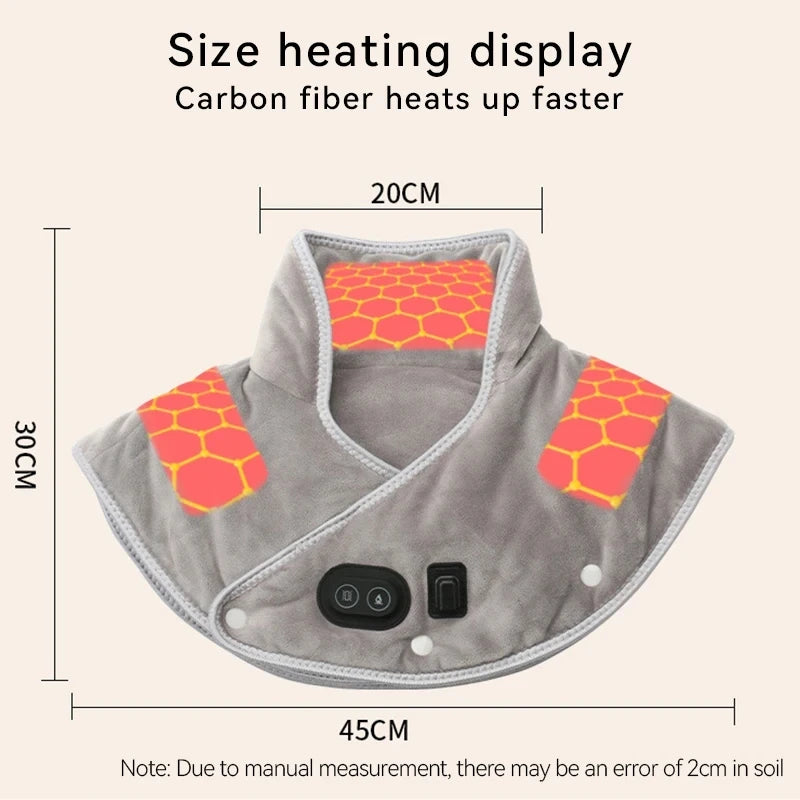
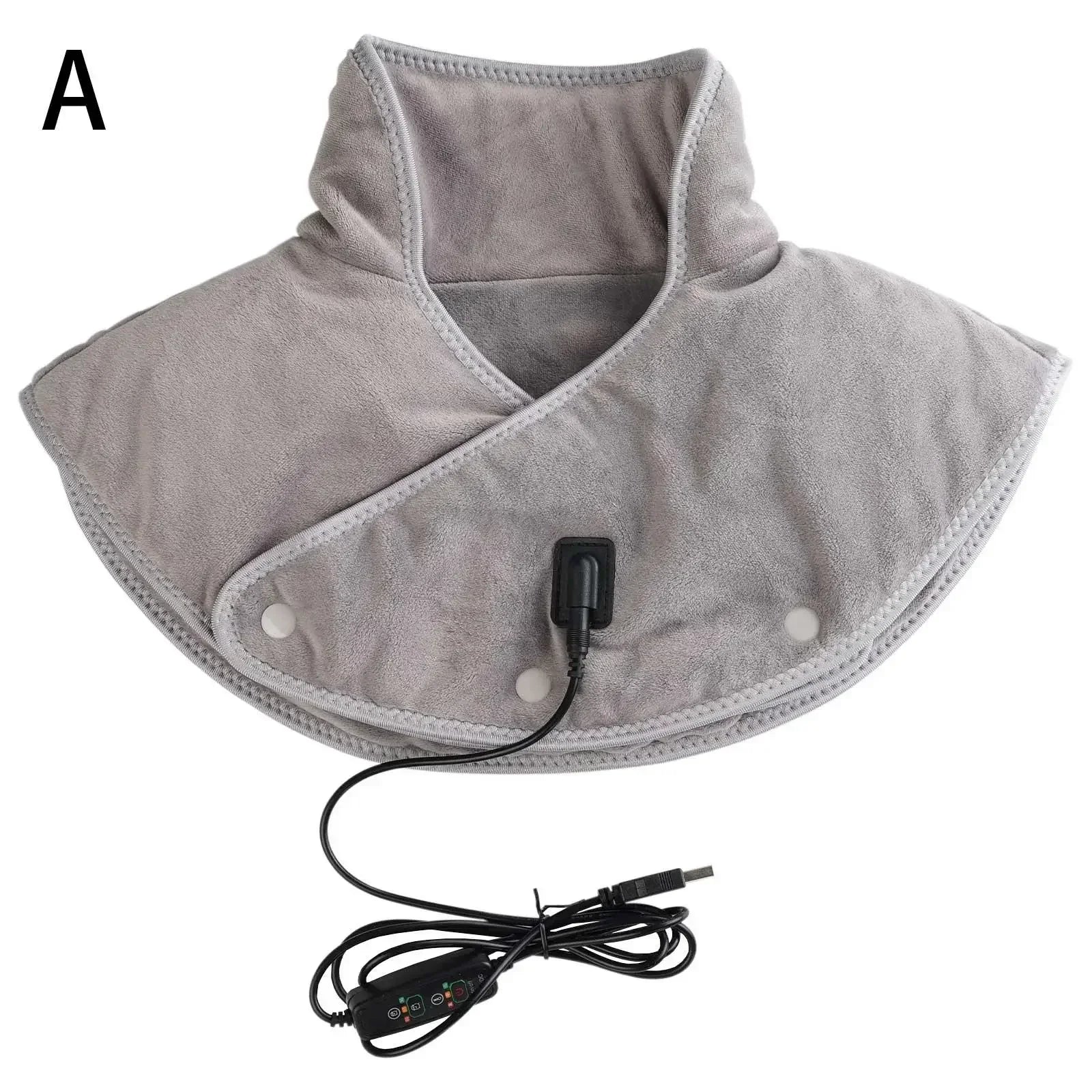
A popular option is the heated neck and shoulder pad , designed to contour the upper back and deliver steady warmth where tension commonly develops.
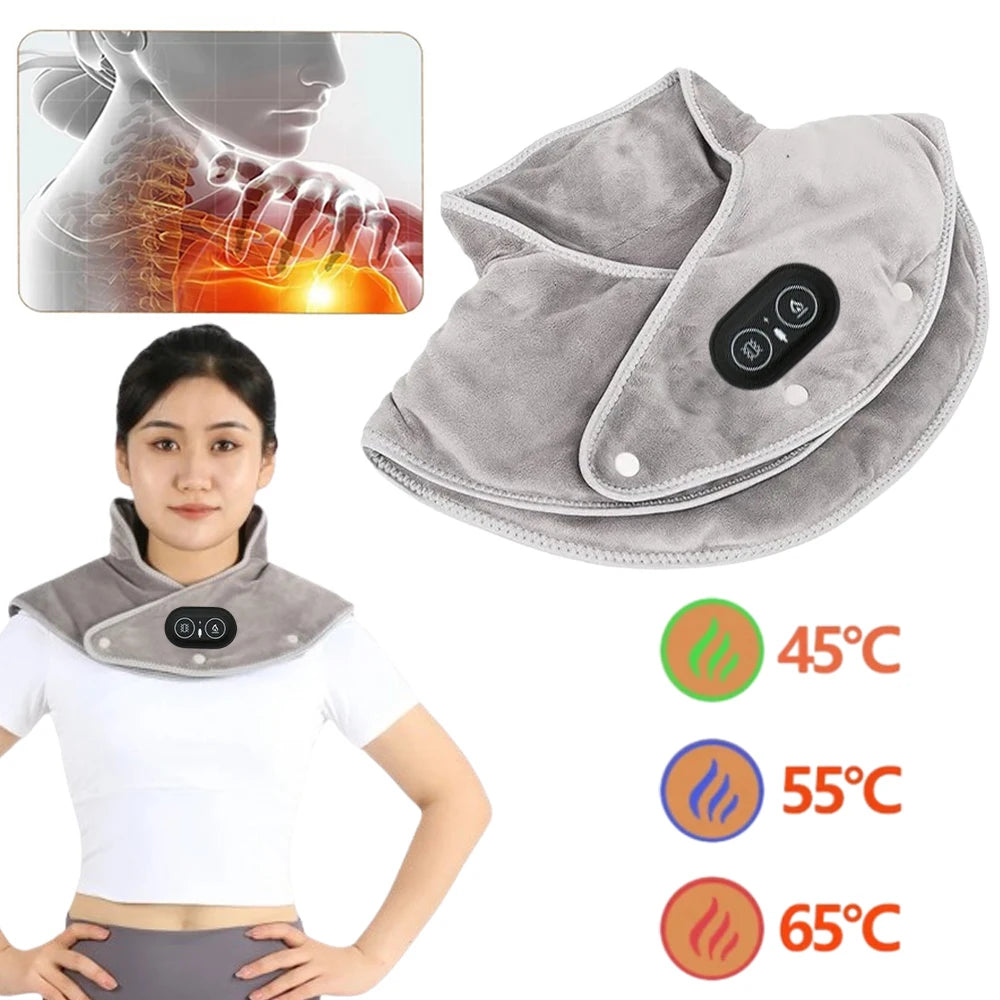
An upper back heating pad can provide targeted warmth for everyday muscle tension. See it in action.
Self-care plan for upper back pain recovery
First 72 hours
- Use ice if inflammation or acute pain is present.
- Avoid heavy lifting.
- Perform gentle range-of-motion exercises without forcing movement.
After inflammation settles
- Transition to heat before stretching.
- Resume normal activities gradually.
- Monitor symptoms for steady improvement.
Stretching, posture, and activity
Long-term recovery depends on more than heat or ice alone. Improving posture, taking movement breaks throughout the workday, strengthening the upper back, and maintaining flexibility help reduce the risk of future flare-ups.
When to seek medical care
Red-flag symptoms
- Chest pain or difficulty breathing.
- Significant weakness or numbness.
- High fever or unexplained weight loss.
- Pain following major trauma.
Persistent or worsening pain
If upper back pain continues for several weeks despite appropriate self-care, repeatedly returns, or progressively worsens, seek evaluation from a qualified healthcare professional to identify any underlying condition.
Quick answers to common questions
Does warmth relax muscles?
Yes. Heat increases circulation, improves tissue flexibility, and helps reduce protective muscle tension.
What is better for upper back pain: heat or cold?
Cold is generally better for inflammation and recent injuries, while heat is more effective for chronic muscle tightness and stiffness.
How long should heat or ice be applied?
Ice is typically applied for 15–20 minutes, while heat is usually used for 15–30 minutes per session.
Can I sleep with a heating pad?
No. Sleeping with an active heating pad increases the risk of burns and overheating. Turn it off before going to bed.
Can heat make inflammation worse?
Yes. Applying heat to a fresh injury with active swelling may increase blood flow and temporarily worsen inflammation, which is why ice is generally recommended first.
Pillar Article: Neck and Shoulder Heating Pad: Best Options Compared
Other Related Articles:
- Heated Shoulder Pad Comparison: Comfort, Heat, Safety
- Heating Pad USB Roundup: Portable Models Worth Trying
- Heating Pad for Neck Stiffness: Top Picks for Fast Relief
- Electric Neck Heating Pad Reviews: Which Feels Best?
Explore More:













