

Does a heating pad for wrist pain really work?
Yes. A heating pad for wrist pain can be an effective home treatment for stiffness, muscle tension, and discomfort caused by repetitive daily activities. By delivering gentle, consistent warmth, heat therapy for wrist pain increases local blood flow, helps tight muscles relax, and improves joint flexibility. When used for 10–20 minutes at a comfortable temperature, it can make everyday tasks like typing, lifting, carrying, or caring for a child feel more comfortable.
How heat therapy relieves wrist pain
Heat therapy works by widening blood vessels around the affected area, allowing more oxygen and nutrients to reach muscles, tendons, and other soft tissues. This improved circulation supports the body's natural recovery process while reducing muscle tightness and improving range of motion.
For many people experiencing wrist pain heat therapy is most helpful when symptoms are related to:
- Chronic muscle tightness
- Repetitive strain from typing, lifting, or household tasks
- Morning stiffness
- General wrist fatigue after daily activities
What research and experts say
Healthcare professionals commonly recommend heat therapy for chronic stiffness and muscle-related discomfort because it promotes relaxation and improves mobility before or after gentle movement. While a heating pad for wrist pain will not correct structural problems such as fractures or severe ligament injuries, it can be an effective part of a broader home-care routine for mild to moderate overuse symptoms.
For persistent, worsening, or unexplained wrist pain, professional medical evaluation is recommended to identify the underlying cause and determine the most appropriate treatment.
When heat is most effective
Knowing when to use heat is just as important as knowing how to use it. Heat is generally most effective when the wrist feels stiff, tight, or sore rather than freshly injured.
- ✓ After repetitive work or exercise
- ✓ For chronic wrist stiffness
- ✓ Before gentle stretching or mobility exercises
- ✓ To ease muscle fatigue at the end of the day
If your wrist is swollen immediately after an injury, cold therapy is usually a better initial choice. Once swelling has settled and stiffness becomes the main issue, a heating pad for wrist pain often provides greater comfort and improved movement.
Heating pad for wrist pain: how to use it correctly
If your wrists ache after a long day of lifting, typing, working on a computer, or holding your child, you're not alone. A heating pad for wrist pain offers a simple, drug-free way to ease stiffness, encourage circulation, and improve mobility at home. The key is using heat safely and at the right time so you experience lasting relief instead of temporary comfort.
⏱ 7 min read
Do your wrists feel tired, tight, or difficult to move by the end of the day? Whether you're balancing parenting responsibilities, office work, or repetitive household tasks, small movements performed thousands of times can gradually strain the wrist. Understanding when heat therapy helps—and when it doesn't—can make a noticeable difference in your recovery.
Discover the easiest way to relieve wrist tension at home
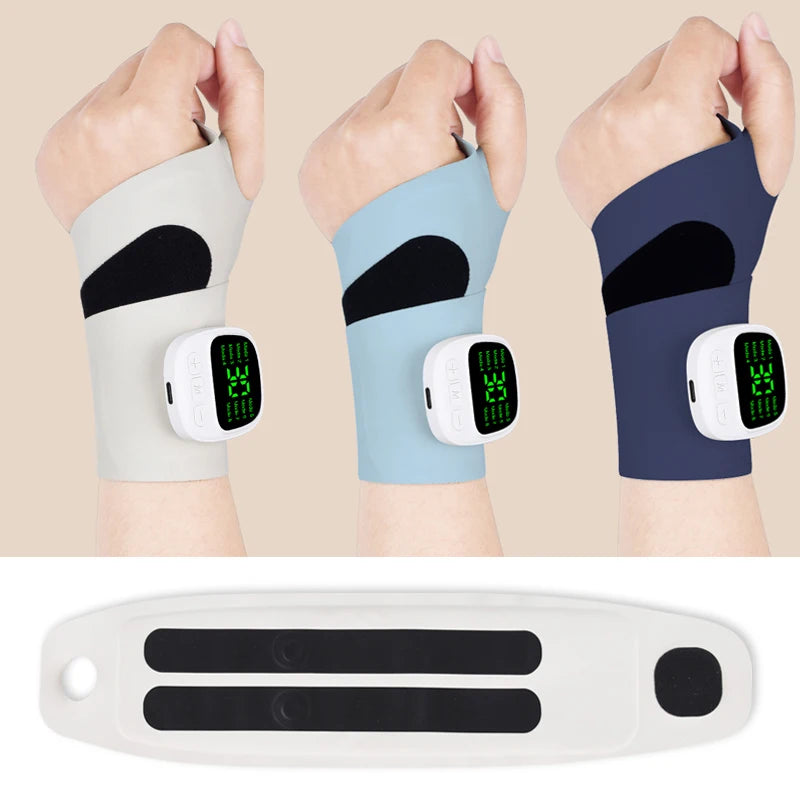
heating pad for wrist pain for daily parenting relief See it in action
Why Wrist Pain Happens in Daily Life (And Why It Gets Worse Over Time)
Most wrist discomfort develops gradually rather than from a single event. Repeating the same movements throughout the day places ongoing stress on the muscles, tendons, and joints that support your wrist.
- Repetitive lifting of babies, groceries, or bags
- Hours of typing, mouse use, or phone scrolling
- Poor wrist positioning while working or sleeping
- Muscle fatigue caused by constant small movements
These everyday habits can reduce flexibility, tighten surrounding muscles, and leave the wrist feeling sore or stiff. Parents, caregivers, office workers, and anyone performing repetitive hand movements are especially likely to notice symptoms building over time.
The result? Morning stiffness, reduced grip strength, decreased flexibility, and lingering discomfort that can interfere with everyday activities.
Which recovery approach fits your lifestyle best? Whether you need quick relief after a busy day or want to prevent recurring stiffness, understanding how heat therapy works is the first step.
How This Heating Pad for Wrist Pain Relieves Stiffness Fast
A heating pad for wrist pain provides steady, controlled warmth that encourages blood circulation, relaxes tight muscles, and improves joint mobility. As tissues warm, movement often becomes easier and discomfort decreases, making daily tasks feel less restrictive.
For people dealing with repetitive strain, mild tendon irritation, or general wrist fatigue, heat therapy for wrist pain is one of the simplest home remedies to include in a daily recovery routine.
Key benefits you'll notice quickly
- ✅ Improved circulation around the wrist
- ✅ Relaxed muscles and reduced tension
- ✅ Less stiffness and greater flexibility
- ✅ More comfortable hand and wrist movement
Unlike cold therapy, which primarily reduces inflammation and numbs pain after an acute injury, heat therapy focuses on restoring mobility and easing chronic tightness. When used appropriately, it can help you return to everyday activities with greater comfort.
Learn step-by-step how to relieve wrist pain at home
How to Use a Heating Pad for Wrist Pain Safely
Using a heating pad correctly helps maximize pain relief while minimizing the risk of skin irritation or burns. For most people, wrist pain heat therapy works best when the discomfort is caused by stiffness, muscle tightness, or repetitive strain rather than a recent injury with swelling.
Recommended temperature and duration
Choose a low to medium heat setting that feels comfortably warm but never hot. Most treatment sessions should last between 10 and 20 minutes , allowing the warmth to reach the muscles and soft tissues without overheating the skin.
- Use low heat if you have sensitive skin.
- Medium heat is suitable for most adults.
- Avoid the highest heat setting unless specifically recommended by the manufacturer.
- Allow your skin to cool between sessions.
Step-by-step application
-
Select a comfortable heat setting.
Begin with the lowest effective temperature and increase only if needed. The pad should feel soothing, not excessively hot. -
Position the heating pad around the wrist.
Wrap or place the heating pad so it covers the sore area evenly without applying excessive pressure. -
Relax during treatment.
Keep your wrist in a neutral position and avoid repetitive movements while the heat works to loosen tight muscles. -
Repeat as needed.
Most people benefit from using a heating pad for wrist pain two or three times each day, particularly after activities that trigger discomfort. -
Follow with gentle mobility exercises.
Once the tissues have warmed, perform slow wrist flexion, extension, and rotation exercises to maintain flexibility and reduce stiffness.
Safety precautions
- Never fall asleep while using a heating pad unless it has an approved automatic shutoff feature designed for overnight use.
- Do not apply heat directly to broken skin, open wounds, or areas with poor sensation.
- Avoid using heat immediately after a new injury if swelling, redness, or significant inflammation is present.
- Stop treatment if you experience burning, excessive redness, or worsening pain.
Pro tip: Many people find that applying heat after repetitive activities—or before gentle stretching for chronic stiffness—provides the greatest improvement in comfort and mobility.
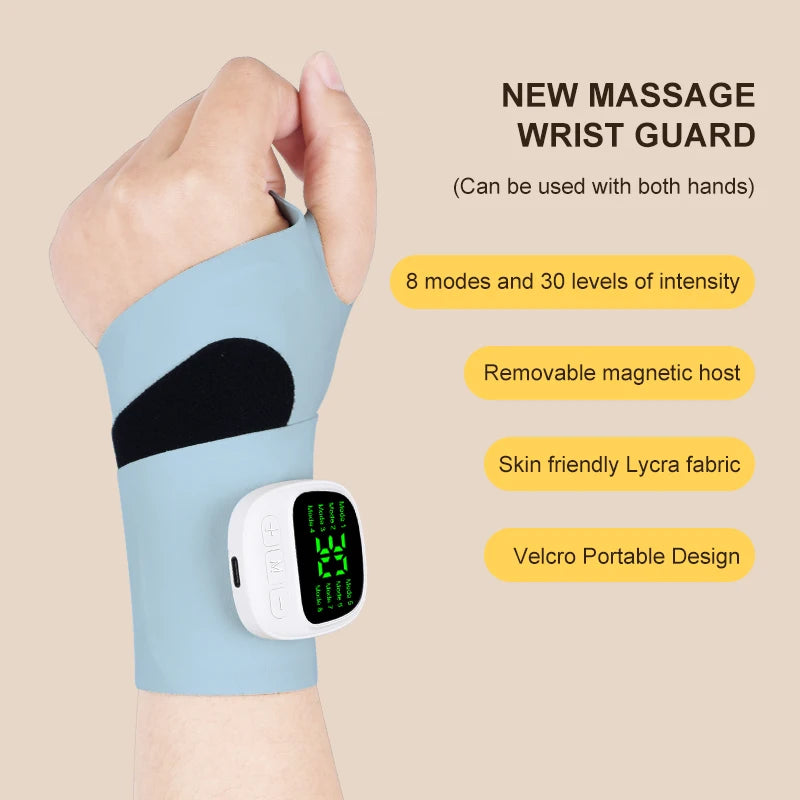
cordless wrist massager for daily parenting comfort See it in action
Explore more recovery tools in Body Care and Health Devices to support your daily routine.
Common Mistakes That Slow Down Wrist Recovery
Even the best heat therapy routine can be less effective if a few common mistakes are overlooked. Avoiding these habits can improve comfort, reduce the risk of skin irritation, and support better long-term wrist function.
- ❌ Using heat too soon after an injury: If your wrist is newly injured, swollen, or inflamed, apply cold therapy first. Heat is generally more appropriate once swelling has subsided and stiffness becomes the primary concern.
- ❌ Applying heat for too long: Sessions longer than 20 minutes may increase the risk of skin irritation without providing additional benefits.
- ❌ Using excessive temperatures: A comfortably warm setting is usually sufficient. High heat can cause burns, particularly if sensation is reduced.
- ❌ Inconsistent treatment: Occasional use may provide temporary comfort, but regular sessions combined with stretching and ergonomic habits typically produce better results.
- ❌ Ignoring posture and repetitive strain: Continuing poor wrist positioning during typing, lifting, or phone use can slow recovery, even when using heat therapy.
- ❌ Delaying medical evaluation: If pain persists for several weeks, becomes severe, or is accompanied by numbness, weakness, or significant swelling, seek professional medical advice.
Avoiding these mistakes helps you get the most from a heating pad while supporting safer, more effective wrist recovery.
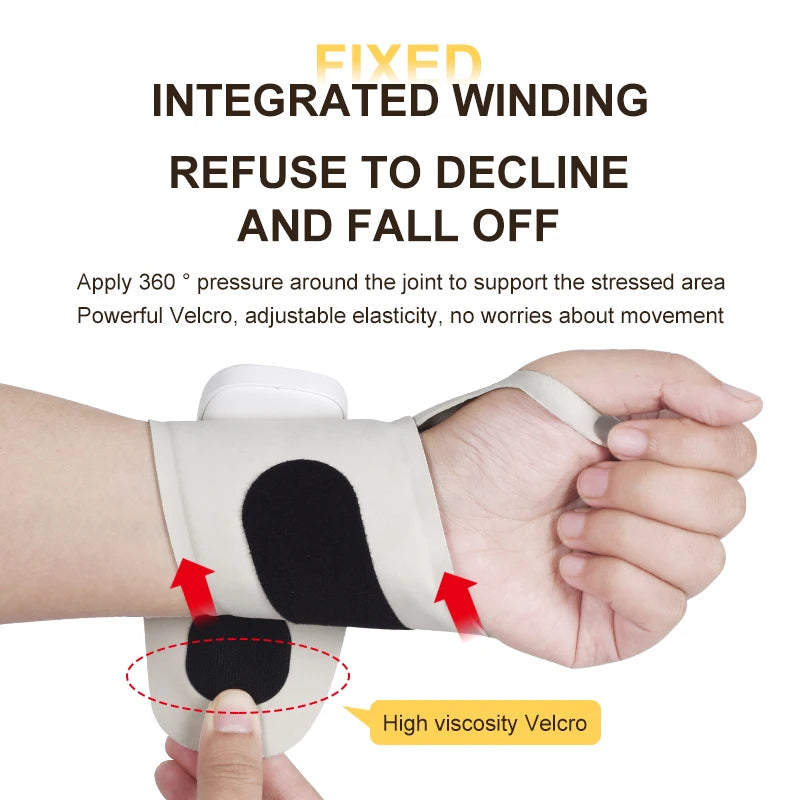
wrist heat therapy for everyday comfort See it in action
If you're looking for an all-in-one recovery option, the rechargeable wrist massager combines wearable heat therapy with massage functionality, making it convenient to incorporate consistent wrist care into your daily routine.
Experience comfortable, cordless wrist relief at home.
Frequently Asked Questions
How often should I use a heating pad for wrist pain?
Most adults can safely use a heating pad for wrist pain for 10–20 minutes per session, two to three times daily . Allow your skin to cool between sessions and discontinue use if irritation develops.
Can heat help wrist pain caused by repetitive strain?
Yes. Heat therapy is often beneficial for wrist discomfort related to repetitive activities such as typing, lifting, crafting, or childcare. Gentle warmth helps relax muscles, improve circulation, and reduce stiffness associated with overuse.
Is a heated wrist wrap effective for arthritis?
Many people with arthritis find that a heated wrist wrap helps reduce morning stiffness and improves flexibility before daily activities. While it does not treat the underlying condition, it can provide temporary symptom relief when used as part of an overall management plan.
When should I use ice instead of heat for wrist pain?
Ice is generally recommended during the first 24–48 hours after a new injury or whenever significant swelling, redness, or inflammation is present. Heat is usually more appropriate for chronic stiffness, muscle tightness, and ongoing overuse symptoms.
Can I sleep with a heating pad on my wrist?
It is generally not recommended to sleep with a standard heating pad because prolonged exposure can increase the risk of burns. If you use a heated device, follow the manufacturer's safety instructions and choose one with an automatic shutoff feature.
Are rechargeable heated wrist wraps safe for daily use?
Quality rechargeable heated wrist wraps and wearable heat devices are typically designed for regular use when operated according to the manufacturer's instructions. Always follow recommended treatment times and avoid excessive heat.
What temperature is best for wrist heat therapy?
A low to medium temperature that feels comfortably warm is usually the best choice. The goal is to relax muscles and improve circulation without causing discomfort or skin irritation.
Pillar Article: What to do for wrist pain: step-by-step relief guide at home
Other Related Articles:
- Home care for wrist pain: how to reduce discomfort fast
- Remedies for wrist tendonitis: how to ease pain daily
- Wrist pain remedies at home: simple steps that work
Explore More:













