

Does home care for wrist pain really work?
Yes. Home care for wrist pain is often effective for mild to moderate discomfort caused by overuse, repetitive movements, or temporary muscle and tendon strain. A combination of activity modification, appropriate cold or heat therapy, gentle stretching, and supportive tools can reduce inflammation, improve mobility, and help prevent recurring pain. While severe injuries or persistent symptoms require medical evaluation, many people notice meaningful improvement within a few days of consistent self-care.
Home care for wrist pain: how to reduce discomfort fast
Home care for wrist pain doesn't have to be complicated. Whether your discomfort comes from lifting children, repetitive work, sports, typing, or daily household activities, the right combination of evidence-based home remedies can help reduce pain and restore normal wrist function. This guide explains what commonly causes wrist pain, how home treatment works, when self-care is appropriate, and which strategies may provide the fastest relief while lowering the risk of future flare-ups.
⏱ 7 min read
Wrist pain can develop gradually or appear suddenly after repetitive use or minor injury. Ignoring early symptoms may allow inflammation and stiffness to worsen, making everyday activities such as lifting, writing, cooking, or using a computer increasingly uncomfortable. Acting early with appropriate wrist pain treatment at home often leads to a quicker recovery.
Discover practical, evidence-based ways to reduce wrist pain and get back to your daily routine with greater comfort.
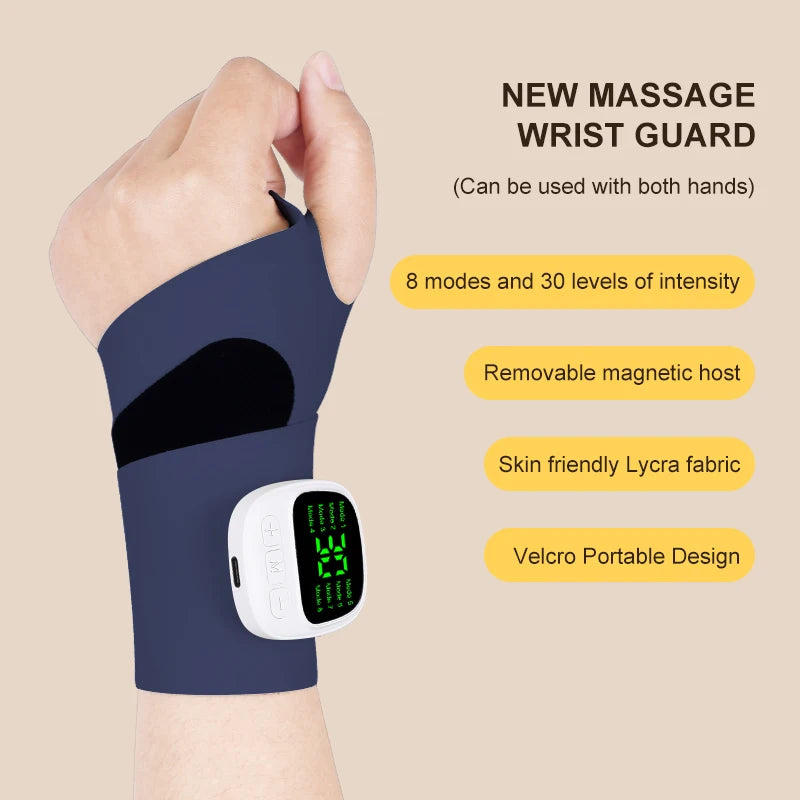
Daily relief starts here: practical home care strategies that support healthier, more comfortable wrists.
What Causes Wrist Pain?
Wrist pain is a symptom rather than a condition itself. Understanding the underlying cause helps you choose the most appropriate home remedies for wrist pain and recognize when professional medical care is needed.
Repetitive strain and overuse
The most common cause of wrist discomfort is repetitive strain. Frequent typing, smartphone use, lifting, gardening, sports, or repetitive household tasks place continuous stress on the muscles, tendons, and ligaments surrounding the wrist. Without adequate recovery time, irritation and inflammation can develop.
Wrist sprains
A sprain occurs when the ligaments supporting the wrist are stretched or torn, often after a fall or sudden twisting movement. Mild sprains can frequently be managed with rest, ice, compression, and gradual rehabilitation at home.
Tendonitis
Inflamed tendons caused by repeated gripping or wrist motion may lead to aching pain, tenderness, and discomfort during movement. Early treatment helps prevent symptoms from becoming chronic.
Compression of the median nerve inside the wrist may cause numbness, tingling, burning sensations, or weakness in the hand. While mild symptoms sometimes improve with activity modification and wrist support, persistent numbness should be assessed by a healthcare professional.
Arthritis
Osteoarthritis and inflammatory arthritis may cause persistent pain, stiffness, swelling, and reduced range of motion, particularly in older adults or those with previous wrist injuries.
Identifying the likely cause of your symptoms is the first step toward choosing the safest and most effective wrist pain treatment at home.
How Home Remedies Reduce Wrist Pain
Most effective remedies for wrist pain work by addressing the underlying reason symptoms develop. Combining several approaches usually provides better results than relying on a single treatment.
- ✅ Reduce inflammation with temporary rest and appropriate cold therapy.
- ✅ Improve circulation and relax tight tissues using heat once swelling has settled.
- ✅ Restore flexibility and strength through gradual stretching and strengthening exercises.
- ✅ Reduce ongoing stress with ergonomic adjustments and proper wrist positioning.
For mild overuse injuries, consistent home care may produce noticeable improvement within 48 to 72 hours, while continued rehabilitation helps reduce the risk of symptoms returning.
Learn how combining simple daily habits with proven home treatments can help protect your wrists and support long-term recovery.
Best Home Remedies for Wrist Pain
Most cases of mild wrist pain respond well to conservative care. Combining several home remedies for wrist pain often provides greater relief than relying on a single treatment. The goal is to reduce inflammation, support tissue healing, restore comfortable movement, and avoid additional strain during recovery.
Rest and activity modification
Allow irritated tissues time to recover by temporarily reducing activities that worsen your symptoms. You do not need complete immobilization unless advised by a healthcare professional, but limiting repetitive gripping, heavy lifting, or prolonged typing can help decrease inflammation.
Ice therapy: when to use it
- Apply a cold pack for 10–15 minutes at a time during the first 24–48 hours after pain begins or after a minor injury.
- Wrap the ice pack in a towel to protect your skin.
- Repeat every few hours as needed to help reduce swelling and discomfort.
Heat therapy: when to use it
- Use a warm compress or heating pad after swelling has subsided.
- Apply heat for 10–15 minutes to relax tight muscles and improve circulation.
- Avoid heat immediately after an acute injury if noticeable swelling is present.
Compression and elevation
A light compression wrap or wrist brace may provide additional support while helping control mild swelling. Elevating the wrist above heart level whenever possible can further reduce fluid buildup after minor injuries.
Wrist splints or braces
A removable wrist splint can help maintain a neutral wrist position during daily activities or while sleeping, particularly if repetitive movements trigger symptoms. Braces should provide support without being excessively tight.
Gentle self-massage
- Massage the muscles of the forearm and around the wrist using slow circular motions.
- Apply light pressure over tender areas for one to two minutes.
- Stop if massage increases pain or causes numbness.
Over-the-counter pain relief
When appropriate and recommended by your healthcare provider or according to product directions, non-prescription pain relievers may help reduce short-term pain and inflammation. These medications should complement, not replace, activity modification and rehabilitation.
For more wellness tools, explore Body Care and Health Devices designed for everyday comfort.
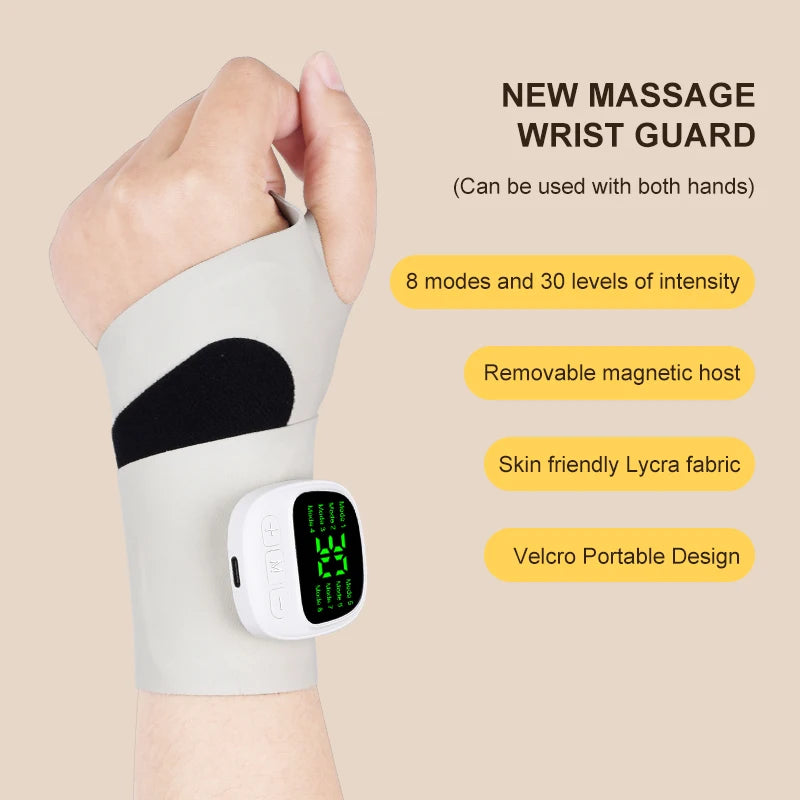
Simple home treatments, including ice, heat, gentle massage, and supportive care, can help relieve everyday wrist discomfort.
Exercises and Stretches for Wrist Pain Recovery
Gentle exercise helps restore flexibility, maintain joint mobility, and rebuild strength after pain begins to improve. Movements should be comfortable and controlled. If an exercise causes sharp pain, stop and allow additional recovery time before trying again.
Acute phase mobility exercises
During the first stage of recovery, focus on slow, pain-free movements to prevent stiffness without overloading healing tissues.
- Slowly bend the wrist forward and backward within a comfortable range.
- Rotate the wrist gently in small circles for 20 to 30 seconds.
Stretching exercises
- Wrist flexor stretch: Extend one arm and gently pull the fingers backward until you feel a comfortable stretch.
- Wrist extensor stretch: Extend the arm with the palm facing down and gently bend the wrist downward using the opposite hand.
Strengthening exercises
- Grip strengthening: Squeeze a soft therapy ball for 10 to 15 repetitions without causing pain.
- Controlled wrist rotations: Slowly rotate the wrists in both directions to improve stability and coordination.
Progression as pain improves
As symptoms decrease, gradually increase repetitions and add light resistance only if movements remain comfortable. Performing these exercises once or twice daily can help improve wrist function while reducing the likelihood of recurring pain.
Tip: Consistency is more important than intensity. Gentle daily practice usually produces better long-term results than occasional strenuous exercise.
If you would like additional support during your recovery routine, explore the portable wrist therapy device for parents , which is designed to provide convenient heat, compression, and massage alongside your home care plan.
Daily Habits That Help Prevent Wrist Pain
Once your symptoms begin to improve, healthy daily habits can reduce repetitive strain and lower the risk of future flare-ups. Small ergonomic adjustments often make a significant difference over time.
Ergonomic workstation setup
- Keep your wrists in a neutral position while typing.
- Adjust your chair so your forearms remain parallel to the floor.
- Use supportive accessories if they improve comfort during prolonged computer use.
Safe lifting techniques
- Lift objects with both hands whenever possible.
- Avoid twisting your wrist while carrying heavy items.
- Use your larger arm and shoulder muscles instead of placing all the load on your wrists.
Frequent movement breaks
If your work involves repetitive hand movements, take a brief stretching break every 30 to 60 minutes. Regular movement helps reduce stiffness and muscle fatigue throughout the day.
Tips for different lifestyles
- Office workers: Alternate keyboard and mouse tasks and maintain good desk posture.
- Athletes: Warm up before training and increase activity levels gradually.
- Caregivers and parents: Change hand positions regularly when lifting or carrying children and use supportive positioning whenever practical.
Recovery Timeline: When Should Wrist Pain Improve?
Healing time varies depending on the underlying cause and how consistently you follow your treatment plan.
| Condition | Typical Recovery | What to Expect |
|---|---|---|
| Mild strain | Several days to 2 weeks | Steady improvement with rest and home care. |
| Mild sprain | 2–6 weeks | Gradual return of strength and mobility. |
| Tendonitis | Several weeks | Recovery depends on reducing repetitive strain and completing rehabilitation exercises. |
| Delayed recovery | Beyond expected healing time | Persistent pain, weakness, or numbness should be medically evaluated. |
Although many people begin noticing symptom improvement within a few days, complete healing often requires continued activity modification and regular exercises even after pain decreases.
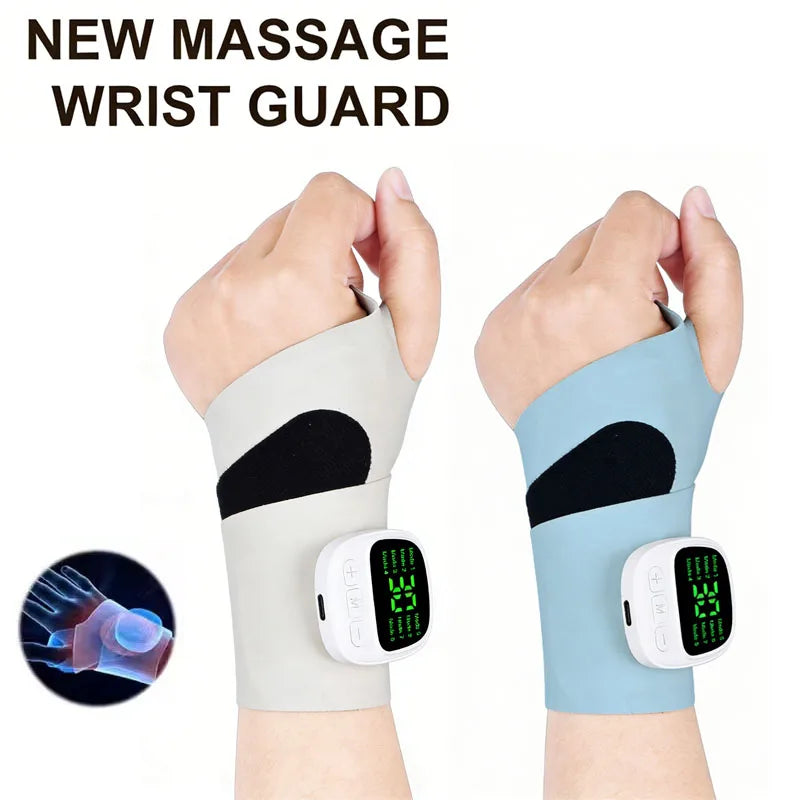
Consistent stretching, strengthening, and healthy daily habits support long-term wrist recovery.
Support your recovery with consistent home care and explore practical solutions that help keep your wrists comfortable every day.
Frequently Asked Questions
What is the best home remedy for wrist pain?
The most effective approach combines temporary activity modification, appropriate use of ice or heat, gentle stretching, and gradual strengthening exercises. Choosing the right combination depends on the cause of your wrist pain.
Should I use ice or heat for wrist pain?
Ice is generally recommended during the first 24 to 48 hours after a minor injury or when swelling is present. Heat is usually more beneficial for ongoing muscle tightness or stiffness once acute inflammation has decreased.
Can wrist pain go away on its own?
Many mild overuse injuries improve with rest and home care. However, pain that persists, repeatedly returns, or worsens despite treatment should be evaluated by a healthcare professional.
How long does it take for a sore wrist to heal?
Mild wrist strains often improve within a few days to two weeks. Sprains, tendon injuries, or chronic conditions may require several weeks or longer depending on severity.
When should I wear a wrist brace?
A wrist brace may help during activities that aggravate symptoms or while sleeping if maintaining a neutral wrist position reduces discomfort. Long-term use should be discussed with a healthcare professional if symptoms continue.
Can I exercise with wrist pain?
Yes, provided the exercises are gentle and do not increase pain. Begin with mobility and stretching exercises before progressing to strengthening movements as symptoms improve.
What sleeping position is best for wrist pain?
Try to keep your wrist in a neutral position rather than bent underneath your body or pillow. Some people benefit from wearing a wrist brace at night if recommended by their healthcare provider.
When should I see a doctor for wrist pain?
Seek medical care immediately if you experience severe pain after trauma, obvious deformity, inability to move the wrist, significant swelling, loss of sensation, or persistent numbness. Arrange a medical evaluation if symptoms do not improve after one to two weeks of appropriate home treatment or continue interfering with daily activities.
Pillar Article: What to do for wrist pain: step-by-step relief guide at home
Other Related Articles:
- Heating pad for wrist pain: how to use it correctly
- Remedies for wrist tendonitis: how to ease pain daily
- Wrist pain remedies at home: simple steps that work
Explore More:













