

Does cold weather gear really work in extreme cold?
Yes. Cold weather gear works when it manages heat loss, moisture, and wind exposure together. The most effective clothing for extreme cold weather combines moisture-wicking base layers, insulating mid layers, and windproof outer protection so your body retains heat without trapping sweat. Choosing the right layering system—and adding heated clothing when conditions demand it—can dramatically improve comfort and reduce the risk of cold-related injuries.
How Do I Select the Right Thermal Wear for Extremely Cold Conditions?
Selecting thermal wear for extreme cold isn't about buying the thickest jacket available. The best system matches insulation, breathability, weather protection, and your activity level. Whether you're commuting, hiking, working outdoors, or facing sub-zero temperatures, the right combination of layers keeps you warm by controlling moisture, blocking wind, and preserving body heat efficiently.
When choosing what to wear in extreme cold, consider these four factors:
- Temperature: Lower temperatures require greater insulation.
- Wind exposure: Windproof protection becomes increasingly important as wind chill rises.
- Activity level: Active people need more breathability, while stationary users need more insulation.
- Moisture: Staying dry is just as important as staying warm.
⏱ 7 min read
Explore smarter options built for real winter conditions.
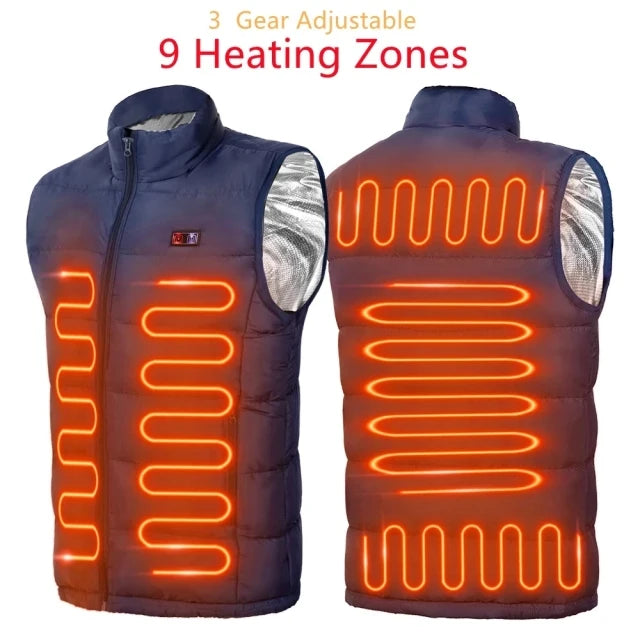
Cold weather gear designed for real winter comfort — See it in action
Why You Still Feel Cold During Winter Outdoors
Even multiple layers won't keep you warm if your clothing system cannot control heat loss. In cold weather clothing guides, three major mechanisms explain why people become chilled:
Heat Loss Mechanisms
Your body continuously loses heat through:
- Conduction — direct contact with cold surfaces.
- Convection — wind carrying heat away from your body.
- Evaporation — sweat cooling your skin as it dries.
- Radiation — natural heat escaping into the surrounding environment.
Wind Chill and Moisture
Wind dramatically increases heat loss by stripping away the warm air trapped inside your clothing. At the same time, damp clothing loses much of its insulating ability, making moisture management essential even on dry winter days.
Poor Fit and Compression
Clothing that's too tight compresses insulation and reduces the air pockets that trap warmth. Oversized garments, however, can allow cold air to circulate excessively. A properly fitted layering system provides warmth while allowing unrestricted movement.
Cotton and Layering Mistakes
- Wet cotton loses insulation quickly.
- Too many non-breathable layers trap sweat.
- Skipping a windproof shell allows rapid convective heat loss.
Key takeaway: Warmth depends on dry insulation protected from wind—not simply wearing more clothing.
The Complete Layering System for Extreme Cold
The most reliable thermal clothing for extreme cold uses a three-layer system supplemented by insulated accessories. Each layer performs a specific function.
Base Layer: Moisture Management
Your base layer sits against the skin and keeps sweat away from your body.
- Best choices: Merino wool or quality synthetic fabrics.
- Avoid: Cotton.
- Fit: Close to the body without restricting circulation.
Merino wool remains one of the warmest base layer options for extreme cold because it continues insulating even when slightly damp.
Mid Layer: Insulation
The mid layer traps warm air.
- Fleece: Excellent for active movement.
- Synthetic insulation: Reliable in wet weather.
- Down: Outstanding warmth-to-weight ratio for cold, dry climates.
Multiple thinner insulating layers often perform better than one bulky garment because they're easier to adjust throughout the day.
Outer Layer: Wind and Weather Protection
Your shell should protect against wind, snow, and rain while remaining breathable.
- Windproof construction minimizes convective heat loss.
- Water-resistant or waterproof fabrics keep insulation dry.
- Ventilation zippers help regulate temperature during activity.
Accessories: Head, Hands and Feet
Insulating your extremities is just as important as protecting your torso.
- Thermal hat or balaclava.
- Insulated gloves or mittens.
- Merino wool socks.
- Waterproof insulated boots.
- Neck gaiter or face covering for severe wind chill.
Choose Thermal Wear by Temperature Range
The colder it becomes, the more important layering strategy and insulation quality become.
14°F to 5°F (-10°C to -15°C)
- Lightweight thermal base layer.
- Fleece or light insulated jacket.
- Windproof shell.
- Warm gloves and insulated boots.
5°F to -13°F (-15°C to -25°C)
- Midweight merino or synthetic thermal underwear.
- Heavier insulated mid layer.
- Water-resistant shell.
- Thermal socks and face protection.
Below -13°F (-25°C and colder)
- Heavyweight thermal base layer.
- Multiple insulating layers.
- Fully windproof insulated shell.
- Insulated gloves, boots, neck protection, and face covering.
At these temperatures, exposed skin can cool rapidly in strong winds, so minimizing exposed areas becomes increasingly important.
Best Materials for Thermal Wear and Cold Weather Clothing
The materials used in winter clothing for extreme cold determine how effectively you stay warm, dry, and comfortable.
| Material | Best Use | Advantages |
|---|---|---|
| Merino Wool | Base layers | Warm when damp, breathable, naturally odor resistant |
| Synthetic Fabrics | High-output activities | Fast drying, durable, moisture wicking |
| Silk | Lightweight liners | Soft, comfortable, low bulk |
| Fleece | Mid layer | Breathable insulation |
| Down | Extreme dry cold | Highest warmth-to-weight ratio |
Blended layering systems often provide the best balance of warmth, durability, and moisture control.
Select Clothing Based on Your Activity
Your clothing should match how much body heat you'll generate.
Hiking and Mountaineering
- Breathable base layers.
- Moderate insulation.
- Adjustable ventilation.
Skiing and Snow Sports
- Waterproof shell.
- Moisture-wicking base layer.
- Helmet-compatible headwear.
Outdoor Work
- Heavy insulation.
- Durable outer fabrics.
- Extra hand and foot protection.
Daily Commuting
- Comfortable layered system.
- Moderate insulation.
- Easy-to-remove outerwear for indoor transitions.
Remember: Active movement creates body heat, while standing still requires significantly more insulation.
When Heated Clothing Is Worth Considering
Heated clothing works best as a supplement—not a replacement—for proper layering.
Who Benefits Most
- People working outdoors for extended periods.
- Long-distance commuters.
- Individuals with reduced circulation or increased cold sensitivity.
- Anyone spending long periods below -20°C.
Battery and Safety
Modern heated apparel uses rechargeable battery packs with multiple heat settings. Follow manufacturer instructions, avoid damaged batteries, and recharge equipment before extended outdoor use.
Limitations
Heated clothing cannot compensate for wet clothing, poor layering, or inadequate wind protection. It performs best when combined with an effective thermal clothing system.
Explore options available through Lifestyle collections designed for daily winter comfort.
See how targeted warmth improves cold-weather comfort.
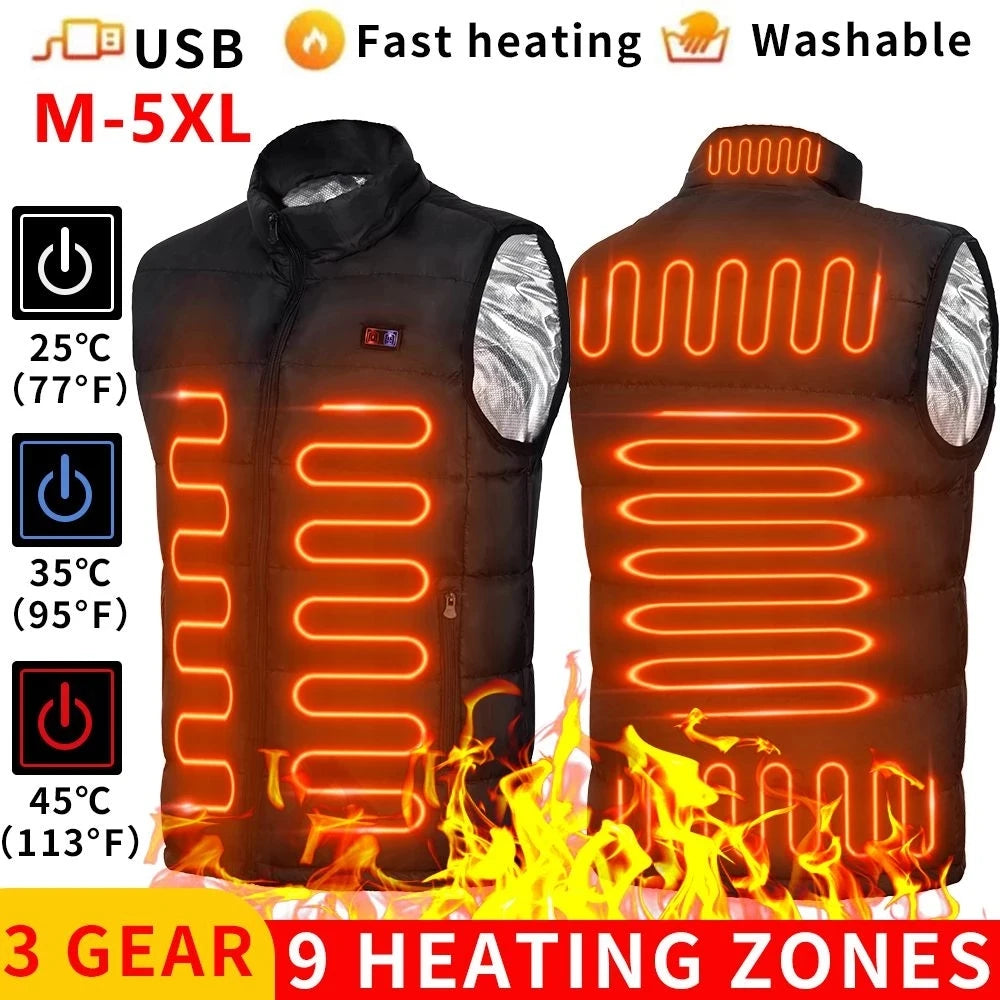
Layer smarter with outdoor cold weather gear — See it in action
Step-by-Step Guide to Building an Extreme Cold Outfit
- Assess the forecast including wind chill and precipitation.
- Choose a moisture-wicking base layer.
- Add insulating mid layers based on expected temperatures.
- Finish with a windproof, weather-resistant shell.
- Check fit so layers aren't overly tight or excessively loose.
- Add insulated accessories for your head, hands, feet, and neck.
- Adjust during activity by opening vents or removing layers before excessive sweating begins.
How Thermal Wear Should Fit
Thermal wear performs best when each layer fits its intended purpose.
- Base layers should fit close to the skin without restricting movement.
- Mid layers should leave enough room to trap insulating air.
- Outer shells should comfortably accommodate all inner layers.
- Avoid overly tight garments that compress insulation and reduce circulation.
- Test mobility by reaching overhead, bending, and squatting before heading outdoors.
Care Tips to Maintain Thermal Performance
- Wash merino wool using gentle detergent and cool water.
- Avoid fabric softeners on moisture-wicking synthetic garments.
- Dry garments according to care labels to preserve insulation.
- Store down jackets loosely instead of compressed.
- Replace garments that have permanently lost loft or waterproof performance.
Common Cold Weather Gear Mistakes to Avoid
- ❌ Wearing cotton as your base layer.
- ❌ Overdressing until you sweat excessively.
- ❌ Ignoring windproof protection.
- ❌ Compressing insulation with clothing that's too tight.
- ❌ Forgetting hats, gloves, socks, or neck protection.
Cold weather comfort comes from choosing the right clothing system—not simply adding more layers.
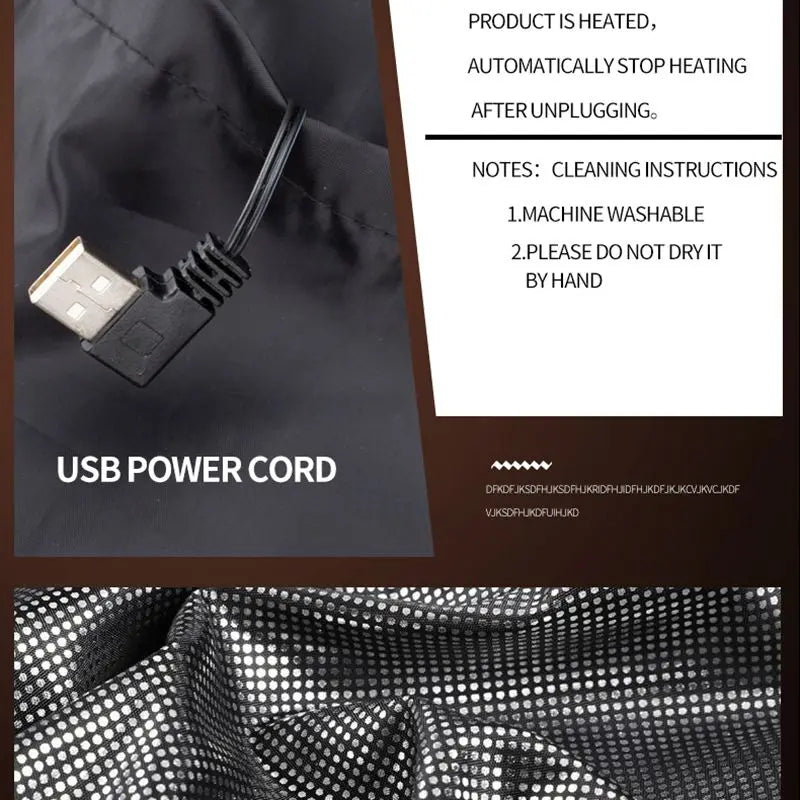
Portable heat clothing for extreme chill — See it in action
Extreme Cold Clothing FAQs
How do I select the right thermal wear for extremely cold conditions?
Start by matching your clothing to the temperature, wind conditions, and activity level. Use a moisture-wicking base layer, an insulating mid layer, and a windproof outer shell for the best overall performance.
What is the warmest base layer for extreme cold?
Heavyweight merino wool is widely considered one of the warmest base layer materials because it insulates well, manages moisture, and continues performing when slightly damp.
Is merino wool warmer than synthetic thermal wear?
Merino wool generally provides better natural insulation and odor resistance, while synthetic fabrics dry faster and excel during high-intensity activities. Many people combine both depending on conditions.
How many layers should I wear below -20°C?
Most people need at least three primary layers plus insulated accessories. Additional insulation may be necessary during long periods of inactivity or severe wind chill.
What should I wear in extreme cold with wind chill?
Wear a complete layering system with a windproof shell, insulated gloves, warm boots, thermal socks, and face protection to reduce convective heat loss.
Can thermal wear keep you warm if it gets wet?
Merino wool continues insulating when damp, while most synthetic fabrics dry quickly. Cotton should be avoided because it retains moisture and accelerates cooling.
How should thermal clothing fit?
Base layers should fit snugly without restricting circulation. Mid and outer layers should allow enough room for insulation and comfortable movement.
How do I wash and maintain thermal wear?
Follow garment care instructions, avoid fabric softeners on technical fabrics, air dry when recommended, and store insulated garments properly to preserve their thermal performance.
Pillar Article: Not Found
Other Related Articles:
- How an Electric Warming Jacket Keeps Your Core Warm
- How to Layer Heated Winter Wear Without Overheating
- How to Use a Smart Heated Vest for All-Day Warmth
- Heated Vest for Cold Commuting Which Style Works Best
Explore More:













