

Does Heated Winter Wear Prevent Overheating?
Yes—heated winter wear can help reduce the risk of overheating when it is layered correctly and used with appropriate heat settings. Unlike thick insulation that continuously traps body heat, heated clothing provides adjustable warmth, allowing you to increase or decrease heat output as weather conditions and activity levels change.
Why Heated Clothing Regulates Warmth Differently
Heated garments use rechargeable batteries to power slim heating elements positioned around key areas such as the chest and upper back. Rather than relying solely on bulky insulation, they deliver targeted warmth where your body benefits most.
This controlled heating makes it easier to maintain a comfortable temperature throughout the day. If you begin walking faster, working harder, or move indoors, you can simply lower the heat setting instead of removing multiple layers.
When Overheating Is Most Likely to Happen
Even the best heated clothing can become uncomfortable if it is paired with excessive insulation or left on its highest setting during vigorous activity. To avoid overheating with heated clothing, start with a low or medium heat level, wear breathable layers, and adjust the temperature as your environment changes.
Learning how to layer heated winter wear properly creates a more adaptable winter clothing system, helping you stay warm without repeatedly cycling between feeling too cold and too hot.
How to Layer Heated Winter Wear Without Overheating
Staying warm in winter should not mean wearing bulky clothing that restricts movement or causes excessive sweating. A well-planned heated winter wear layering system combines moisture management, adjustable warmth, and weather protection so you stay comfortable across changing temperatures. Instead of adding more insulation, the goal is to place each layer where it performs best.
⏱ 6 min read
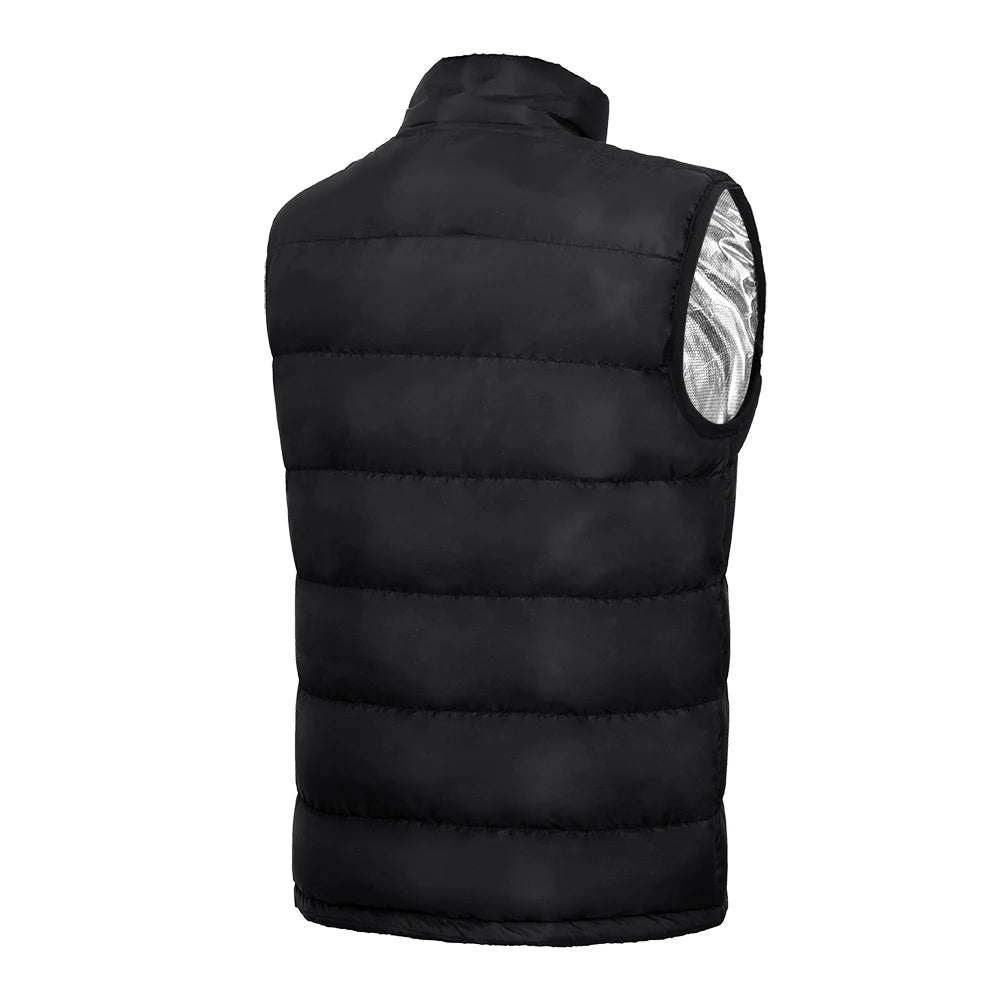
Heated winter wear layered close to the body for balanced warmth. See it in action.
Why Traditional Winter Layering Often Fails
Traditional winter clothing relies on stacking thick insulating layers to trap body heat. While this approach can work in extremely cold conditions, it often struggles to adapt when your activity level changes. Walking, climbing stairs, hiking, or working outdoors naturally raises body temperature, but conventional insulation keeps trapping heat even after your body no longer needs it.
Common Causes of Trapped Heat and Sweat
The biggest challenge with traditional winter layering is poor temperature regulation. When too much insulation and limited breathability combine, moisture accumulates inside your clothing instead of escaping.
- Sweat becomes trapped against the skin.
- Moisture reduces the effectiveness of insulating materials.
- Evaporating sweat can leave you feeling colder once activity slows.
- Frequently removing and replacing layers becomes inconvenient throughout the day.
Heated winter wear layering offers a more adaptive solution. Instead of depending on bulky insulation, controlled heating provides warmth where it is needed while allowing you to fine-tune comfort with adjustable temperature settings. The result is winter layering without bulk and fewer interruptions during work, commuting, or outdoor recreation.
What Is Heated Winter Wear?
Heated winter wear refers to battery-powered clothing that produces gentle, adjustable warmth through built-in heating elements. Designed to supplement rather than replace traditional layering, these garments help maintain comfort while reducing the need for heavy insulating clothing.
Most heated garments warm the chest, upper back, and sometimes the collar or pockets. Concentrating heat near the body's core helps you stay comfortable with fewer bulky layers, making heated clothing especially useful for commuting, outdoor work, hiking, and other cold-weather activities.
Common heated clothing options include:
- Heated vests
- Heated jackets
- Heated base layers
- Heated gloves and socks
Because modern heating panels are thin and flexible, they integrate easily into a heated clothing layering guide without significantly increasing weight or restricting movement.
How Heated Clothing Generates Warmth
Most heated garments use rechargeable lithium-ion batteries connected to lightweight carbon fiber or similar heating elements embedded within the fabric. Once activated, these panels generate consistent radiant warmth that can usually be adjusted across multiple temperature settings.
This adjustable heat output allows you to respond quickly to changing weather, indoor transitions, or different activity levels, providing greater flexibility than insulation alone.
Where Heated Vests and Jackets Fit in a Layering System
When learning how to layer heated clothing, heated vests and jackets generally perform best as the active warming layer positioned over a moisture-wicking base layer and beneath a weather-resistant outer shell. This placement keeps warmth close to your core while allowing outer layers to protect against wind and precipitation.
Compared with relying solely on thick insulation, this approach improves temperature control, reduces unnecessary bulk, and makes it easier to adapt throughout the day.
Why Keeping Your Core Warm Matters Most
Your body naturally prioritizes keeping vital organs warm. When temperatures drop, it reduces blood flow to the hands, feet, and other extremities so more heat is available for the heart, lungs, and other essential organs. This protective response explains why fingers and toes often feel cold before the rest of your body.
Because of this natural heat regulation, warming the torso is one of the most effective ways to improve overall comfort during cold weather. Heated winter wear layering focuses on delivering gentle warmth to the chest and upper back, helping stabilize core temperature without relying on multiple heavy garments.
Why Heated Vests Focus on the Torso
Heated vests and similar garments are designed to warm the body's core rather than every part of the body equally. By maintaining a comfortable core temperature, they can help reduce the sensation of cold in the arms and legs while allowing greater freedom of movement than bulky insulated coats.
This targeted approach is also more energy efficient. Instead of heating large volumes of trapped air inside thick clothing, the heating elements deliver warmth directly where it has the greatest impact, making it easier to stay comfortable while wearing fewer layers.
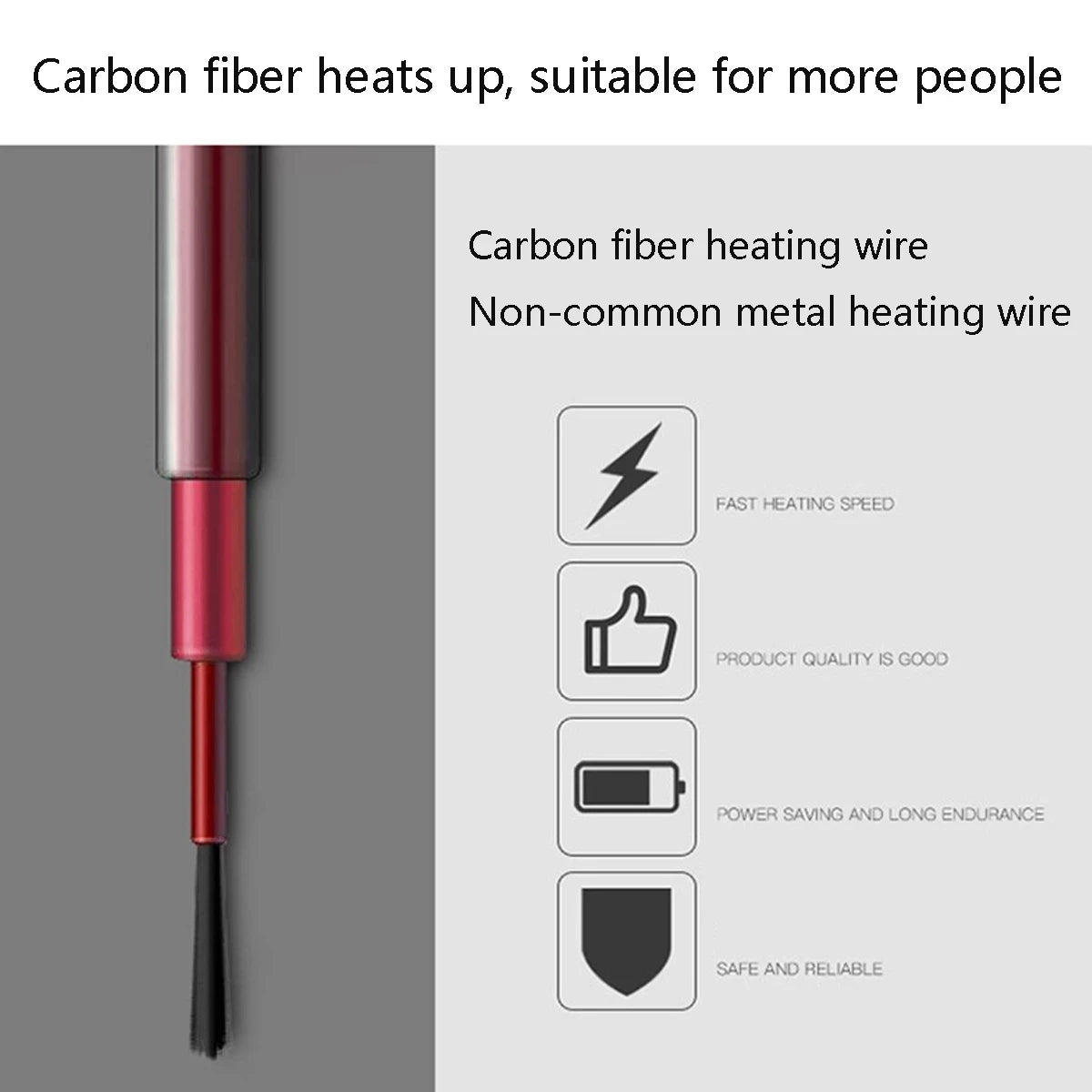
Layered under outerwear to prevent sweat and cold spots. See it in action.
The Best Layering System for Heated Winter Wear
The best layering system for heated winter wear combines moisture management, controlled warmth, and weather protection. Instead of stacking heavy clothing, each layer serves a specific purpose, creating a heated clothing layering guide that adapts to changing temperatures and activity levels.
Layer 1 — Moisture-Wicking Base Layer
Your base layer sits directly against the skin and should keep moisture away from your body. Merino wool and high-quality synthetic performance fabrics are excellent choices because they dry quickly, remain breathable, and help prevent sweat from cooling your skin.
Layer 2 — Heated Mid Layer
The heated garment performs best as a mid layer worn over the base layer. This position keeps the heating panels close enough to warm your core efficiently while allowing an outer shell to retain that warmth and shield you from wind.
Layer 3 — Insulation Layer (Optional)
When temperatures fall well below freezing or you expect long periods of inactivity, add a lightweight insulating layer such as fleece or light down. Because the heated garment already supplies active warmth, you typically need less insulation than with a traditional winter layering system.
Layer 4 — Weatherproof Outer Shell
A breathable windproof or waterproof shell protects your layering system from rain, snow, and cold air while allowing excess moisture to escape. Choosing a shell with adjustable vents or pit zips can further improve comfort during periods of higher activity.
Best Materials for Each Layer
| Layer | Recommended Materials | Primary Purpose |
|---|---|---|
| Base Layer | Merino wool or synthetic performance fabric | Moisture management |
| Heated Layer | Battery-powered heated vest or heated jacket | Adjustable core warmth |
| Insulation Layer (Optional) | Lightweight fleece or down | Additional heat retention |
| Outer Shell | Breathable waterproof or windproof shell | Weather protection |
Step-by-Step: How to Layer Heated Winter Wear Without Bulk
Following the correct order helps maximize warmth while maintaining breathability and mobility. This approach makes winter layering without bulk practical for commuting, outdoor work, and recreational activities.
Dress in the Correct Order
- Put on a moisture-wicking base layer to keep sweat away from your skin.
- Wear your heated vest or heated jacket as the primary warming layer.
- Add lightweight insulation only when weather conditions require additional heat retention.
- Finish with a windproof or waterproof outer shell to block the elements.
Start Cool and Increase Heat Gradually
Begin with the lowest comfortable heat setting before heading outdoors. As temperatures drop or your activity level decreases, increase the heat gradually instead of starting at maximum output. This approach helps maintain comfort while extending battery life.
Adjust Heat Instead of Removing Layers
One of the biggest advantages of heated clothing is the ability to fine-tune warmth without constantly changing your clothing. Lower the heat when climbing hills, walking briskly, or entering heated buildings, then increase it again during rest periods or when outdoor temperatures fall. This simple adjustment helps maintain consistent comfort while reducing unnecessary sweating.
How to Avoid Overheating With Heated Clothing
Learning how to stay warm outdoors without overheating is largely about balancing your clothing system with your activity level. Heated garments work best when they provide gentle, consistent warmth rather than replacing every insulating layer or operating at maximum power throughout the day.
Battery Settings
Most heated clothing includes multiple temperature levels for different weather conditions. Starting on a low or medium setting is usually sufficient for walking, commuting, or light outdoor work. Increase the heat only if temperatures fall or your activity slows, helping preserve battery life while maintaining comfort.
- Choose low heat for moderate movement or mild winter weather.
- Use medium heat for colder temperatures and extended outdoor exposure.
- Reserve high heat for brief periods of extreme cold or while resting.
Ventilation Techniques
Breathable layers are just as important as heat settings. If you begin to feel warm, open jacket vents, loosen cuffs, or partially unzip your outer shell before increasing or removing layers. Small adjustments often release enough excess heat to keep you comfortable without disrupting your entire layering system.
Recognizing Early Signs of Overheating
Making adjustments early helps prevent excessive sweating, which can leave you feeling colder once activity decreases.
- Feeling unusually warm despite cold outdoor temperatures.
- Moisture building up inside your base layer.
- Flushed skin or excessive perspiration.
- Reduced comfort during moderate physical activity.
If these signs appear, lower the heat setting, improve ventilation, or reduce an optional insulation layer before sweat accumulates.
Common Mistakes That Cause Overheating
Using Cotton Base Layers
Cotton absorbs and holds moisture instead of moving it away from the skin. Once damp, it dries slowly and reduces comfort in cold conditions. Moisture-wicking synthetic fabrics or merino wool provide much better temperature regulation.
Wearing Thick Insulation Over Heated Garments
Adding heavy insulating layers over active heating can trap more warmth than necessary. In many winter conditions, a breathable shell combined with a heated mid layer provides sufficient protection while reducing unnecessary bulk.
Running Maximum Heat Continuously
Keeping heated clothing on its highest setting throughout the day may shorten battery life and increase the chance of overheating during movement. Using only the amount of heat needed for current conditions creates a more consistent and comfortable experience.
| Common Mistake | Recommended Practice |
|---|---|
| Using cotton next to the skin | Choose moisture-wicking merino wool or synthetic base layers |
| Adding thick insulation over heated clothing | Wear the heated layer over the base layer and finish with a breathable shell |
| Leaving the heat on maximum all day | Adjust heat settings as weather and activity change |
| Poor ventilation during activity | Use jacket vents or partially unzip the outer shell before overheating occurs |
These small adjustments help you avoid overheating with heated clothing while maintaining efficient warmth throughout the day.
Real-World Scenarios: Work, Travel, Outdoors
Commuting in Cold Cities
Daily commuters often move between freezing outdoor temperatures and heated buildings several times each day. Heated winter wear allows you to reduce the temperature setting indoors instead of repeatedly removing heavy coats, making travel more comfortable and efficient.
Outdoor Work in Winter
Construction crews, utility workers, delivery drivers, and other outdoor professionals benefit from adjustable warmth that supports mobility throughout long shifts. A properly layered system helps maintain comfort during both active work and periods of reduced movement.
Hiking or Outdoor Sports
Hikers, campers, and winter recreation enthusiasts can use heated clothing to supplement lightweight layering rather than carrying excessive insulation. Lower heat settings during climbs and slightly higher settings during rest breaks help maintain a comfortable body temperature without unnecessary bulk.
Many users pair heated clothing with wellness tools found in Body Care and Health Devices or explore cold-weather self-care tips via the Beauty & Self-Care Blog .
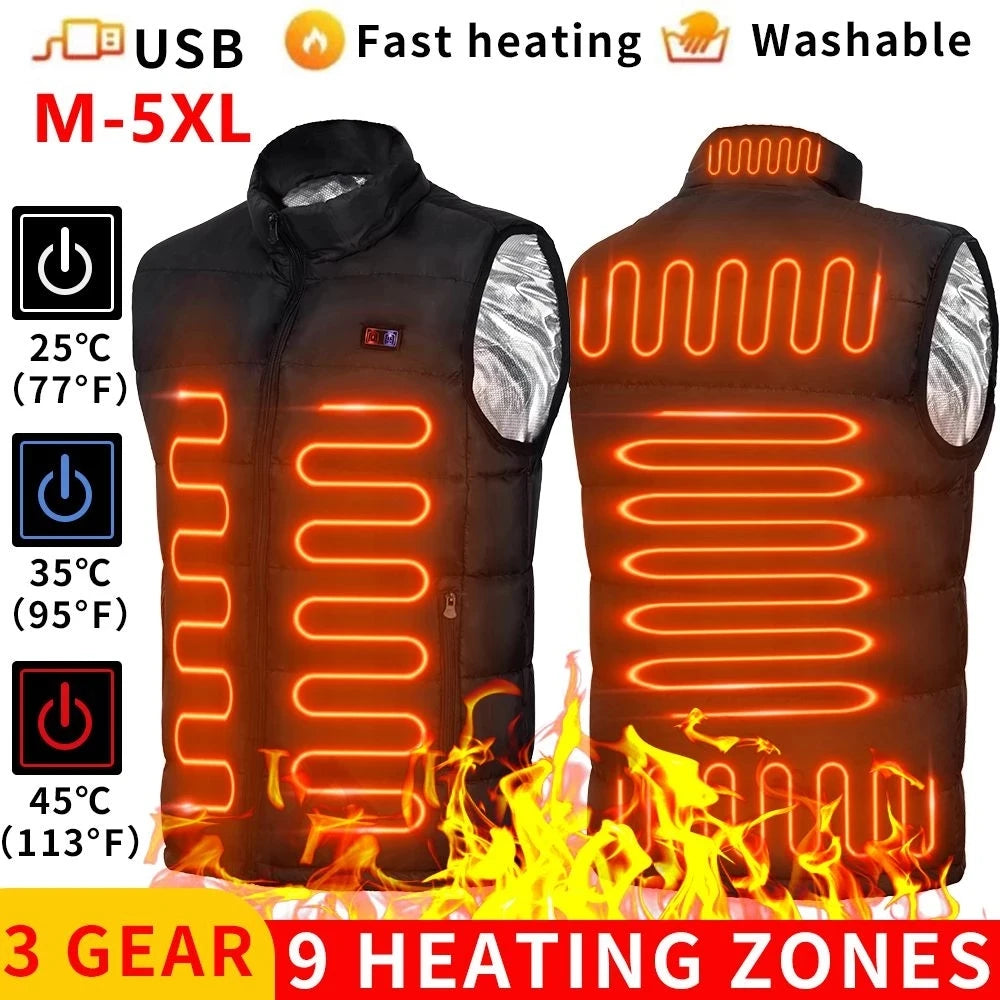
Designed for daily wear without bulk. See it in action.
Heated vs Traditional Winter Layering
Both traditional insulation and heated winter wear have a place in cold-weather clothing systems. The best choice depends on the temperature, your activity level, and how much flexibility you need throughout the day. Heated winter wear layering offers adjustable warmth, while conventional layering relies entirely on passive insulation.
Comparison Table
| Feature | Heated Winter Wear Layering | Traditional Layering |
|---|---|---|
| Warmth Control | Adjustable heat settings | Fixed insulation only |
| Bulk | Fewer, lighter layers | Often requires multiple thick layers |
| Breathability | Works well with moisture-wicking systems | May trap excess heat during activity |
| Flexibility | Easy to adapt by changing heat output | Requires adding or removing clothing |
| Best For | Commuting, outdoor work, hiking, changing conditions | Extended low-activity exposure and extremely cold environments |
For many people, a heated clothing layering system provides a practical balance between warmth, mobility, and comfort. Rather than replacing traditional winter clothing, it complements breathable base layers and weatherproof shells to create winter layering without bulk.
Quick Questions Answered
Will heated winter wear make me sweat?
Not when it is layered correctly and adjusted to your activity level. Begin with a lower heat setting, wear a moisture-wicking base layer, and reduce the temperature if you become overly warm. This approach helps minimize perspiration while maintaining consistent comfort.
Can I wear heated clothing all day?
Yes. Many heated garments are designed for daily commuting, outdoor work, travel, and recreation. Depending on the battery capacity and selected heat level, most models provide approximately four to ten hours of continuous warmth before recharging is required.
Is heated clothing safe for daily use?
Quality heated garments include safety features such as temperature regulation, overcurrent protection, and battery management systems. Follow the manufacturer's instructions for charging, operation, and maintenance to ensure safe everyday use.
How long do heated clothing batteries last?
Battery life depends on battery size, outside temperature, and the selected heat setting. Lower settings typically provide the longest operating time, while maximum heat shortens overall runtime.
Can heated clothing be washed?
Most heated garments can be machine washed after disconnecting and removing the battery pack. Always follow the care instructions on the garment label to protect the heating elements and electrical connections.
Where should a heated vest go in a layering system?
A heated vest works best over a moisture-wicking base layer and underneath an insulating or weatherproof outer layer. This position keeps the heating elements close to your core while allowing outer layers to retain warmth efficiently.
Should heated clothing be worn over or under insulation?
In most layering systems, heated clothing should be worn beneath your insulation or outer shell. This arrangement helps retain generated heat while still allowing moisture to escape through breathable fabrics.
Can you wear a heated jacket in the rain or snow?
Many heated jackets are designed for light rain or snow when protected by water-resistant materials. However, always check the manufacturer's specifications and avoid submerging battery-powered garments in water.
What base layer works best with heated clothing?
Merino wool and synthetic performance fabrics are excellent choices because they wick moisture away from the skin, dry quickly, and help maintain consistent comfort throughout the day.
How do you prevent sweating while wearing heated winter wear?
Use the lowest effective heat setting, choose breathable fabrics, improve ventilation when needed, and adjust heat output as your activity level changes rather than waiting until you become too warm.
Is a heated vest better than a heated jacket for layering?
For many situations, a heated vest offers greater versatility because it keeps the core warm while allowing unrestricted arm movement and easier integration into a layered clothing system. Heated jackets may be preferable when additional upper-body coverage is needed in very cold conditions.
Pillar Article: Not Found
Other Related Articles:
- How to Choose Cold Weather Gear for Extreme Chill
- How an Electric Warming Jacket Keeps Your Core Warm
- How to Use a Smart Heated Vest for All-Day Warmth
- Heated Vest for Cold Commuting Which Style Works Best
Explore More:













