Does cold weather gear really work in extreme cold?
Cold weather gear works when it manages heat loss, moisture, and wind exposure together. The right cold weather gear combines insulation, breathability, and strategic heat support so your body stays warm without overheating. Choosing properly designed layers and portable heat clothing can dramatically reduce feeling cold during winter outdoors.
How to Choose Cold Weather Gear for Extreme Chill
Cold weather gear can feel confusing when every jacket claims to be “ultra-warm,” yet you’re still shivering minutes after stepping outside. The reality is that warmth depends less on bulk and more on how effectively your clothing system controls heat loss, moisture, and airflow. This guide breaks down how to select thermal wear for extremely cold conditions with expert-level clarity and real-world practicality.
⏱ 7 min read
Explore smarter options built for real winter conditions.
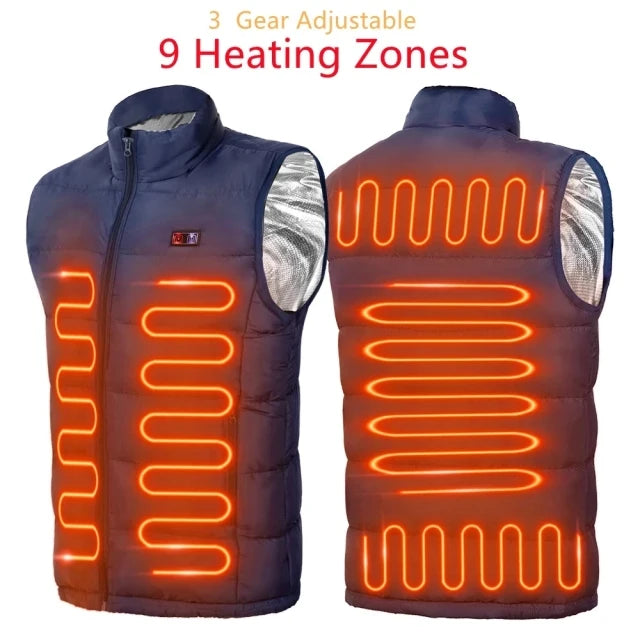
Cold weather gear designed for real winter comfort 💡 See it in action
Why You Still Feel Cold During Winter Outdoors
Even with multiple layers, you can still feel cold if your clothing system fails to manage heat loss effectively. In extreme cold, your body loses heat through three primary mechanisms: conduction (contact with cold surfaces), convection (wind pulling heat away), and evaporation (sweat cooling your skin).
The biggest mistake most people make is ignoring moisture. Sweat trapped in your clothing rapidly reduces insulation performance, making you feel colder even when wearing thick layers.
- Wet fabric loses insulation power – especially cotton
- Wind exposure accelerates heat loss
- Improper layering traps moisture instead of releasing it
Key takeaway: Warmth depends on dry, wind-protected insulation—not just thicker clothing.
How This Layering System Preserves Warmth Without Bulk
The most effective way to stay warm in extreme cold is to use a three-layer system that manages moisture, insulation, and weather protection simultaneously. Each layer has a specific role, and skipping one reduces overall performance.
This system allows you to adapt to changing temperatures and activity levels without overheating or freezing.
Base Layer: Warmth Starts Here
The base layer sits directly on your skin and is responsible for moisture management. Its primary job is to wick sweat away so your body stays dry.
- Best materials: Merino wool, synthetic blends (polyester, nylon)
- Avoid: Cotton, which traps moisture and accelerates cooling
- Fit: Snug but not restrictive to maximize heat retention
For extreme cold conditions, merino wool is often preferred because it insulates even when damp and resists odor during extended use.
Mid Layer: Your Insulation Engine
The mid layer traps body heat and provides the bulk of your insulation. The thickness and type of insulation should match the temperature and your activity level.
- Fleece: Lightweight, breathable, ideal for active use
- Down: Highest warmth-to-weight ratio, best for very cold, dry conditions
- Synthetic insulation: Performs better in wet conditions than down
In extremely cold weather, multiple mid layers can be combined to increase insulation without sacrificing flexibility.
Outer Layer: Defense Against the Elements
The outer layer protects you from wind, snow, and rain—factors that dramatically increase heat loss.
- Windproof: Essential for preventing convective heat loss
- Waterproof: Critical in snow or wet environments
- Breathable: Allows moisture to escape to prevent internal dampness
A high-quality shell balances protection and ventilation, ensuring your inner layers remain dry and effective.
Extreme Cold Temperature Guide: What to Wear at -10°C to -30°C+
Your clothing strategy should change based on temperature severity. The colder it gets, the more critical material selection and layering become.
-10°C to -15°C (Moderate Extreme Cold)
- Moisture-wicking base layer
- Fleece or light insulated mid layer
- Windproof outer shell
-15°C to -25°C (Severe Cold)
- Thermal base layer (merino or synthetic)
- Insulated mid layer (fleece + synthetic or down)
- Windproof and water-resistant outer layer
-25°C to -30°C+ (Extreme Survival Conditions)
- Heavyweight thermal base layer
- Multiple insulation layers (down or synthetic)
- Fully windproof, insulated outer shell
Accessories like insulated gloves, thermal socks, and face protection become essential at lower temperatures.
Materials That Matter Most in Extreme Chill
The materials used in your clothing directly determine how well you stay warm, dry, and comfortable.
- Merino wool: Excellent moisture control, natural insulation, odor resistance
- Synthetic fabrics: Fast drying, durable, ideal for high activity
- Down insulation: Highest warmth-to-weight ratio but less effective when wet
- Fleece: Breathable and versatile for mid layers
Blending materials often provides the best performance, combining warmth, durability, and moisture management.
| Material | Best Use | Why It Works |
|---|---|---|
| Merino Wool | Base layers | Warm even when damp, odor-resistant |
| Synthetic Insulation | Active use | Dries fast, maintains loft |
| Down | Dry extreme cold | Superior warmth-to-weight ratio |
| Softshell Fabrics | Wind protection | Flexible, breathable barrier |
Activity-Based Gear Selection (Static vs Active Cold Exposure)
Your activity level significantly affects how you should dress in extreme cold. Wearing the wrong setup can lead to overheating or rapid heat loss.
For High Activity (Hiking, Climbing, Skiing)
- Lightweight, breathable layers
- Focus on moisture-wicking base layers
- Reduce insulation to prevent sweating
For Low Activity (Standing, Watching, Working Outdoors)
- Heavier insulation layers
- Down or synthetic insulated jackets
- Minimal ventilation to retain heat
Key insight: The less you move, the more insulation you need to compensate for reduced body heat production.
When Portable Heat Clothing Is the Smartest Choice
Heated clothing is not always necessary, but in certain situations, it becomes the most effective solution for staying warm.
- Extended exposure in sub -20°C temperatures
- Low activity environments where body heat production is minimal
- Individuals sensitive to cold or with poor circulation
Instead of replacing layers, heated apparel works best as a supplement to a proper layering system.
Why Heated Apparel Changes Everything
Heated clothing uses built-in heating elements powered by rechargeable batteries to provide consistent warmth independent of your body heat.
This makes it especially useful in extreme cold where traditional insulation may not be sufficient on its own.
Explore options available through Lifestyle collections designed for daily winter comfort.
See how targeted warmth improves cold-weather comfort.
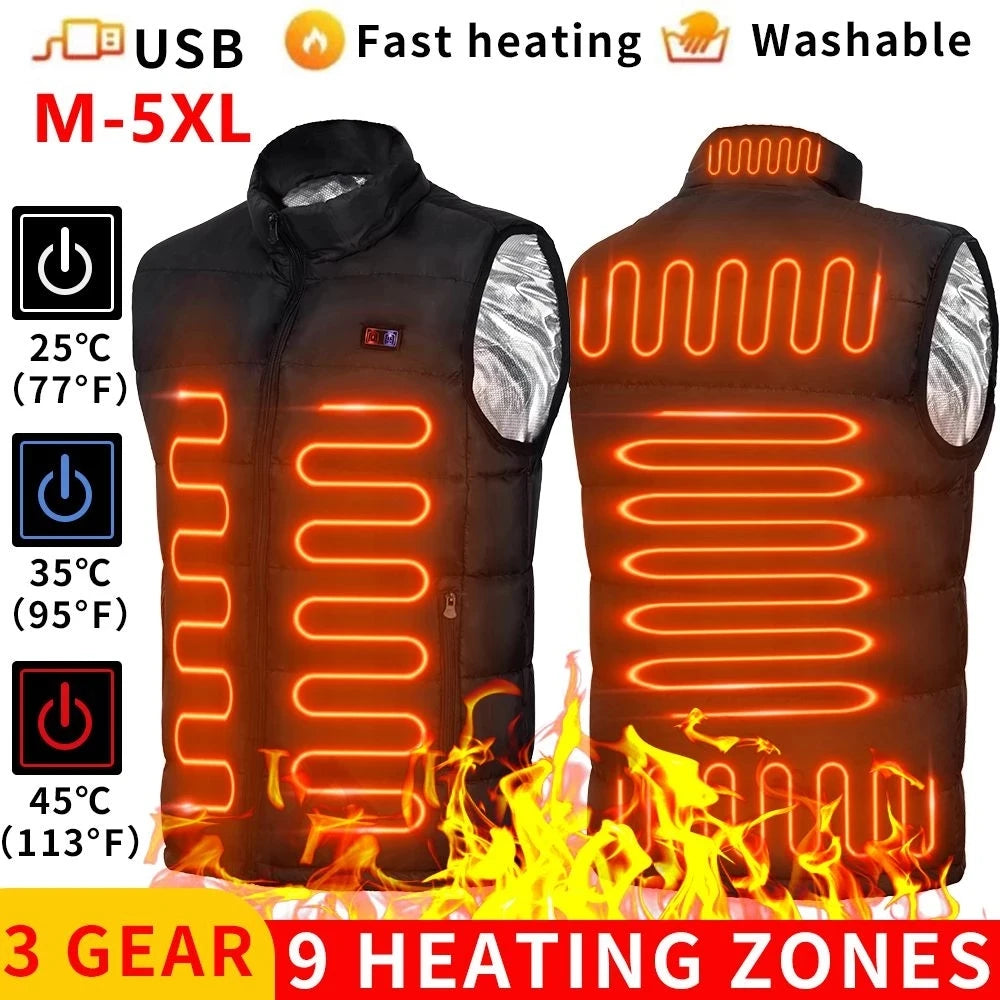
Layer smarter with outdoor cold weather gear 💡 See it in action
Step-by-Step: Building Your Cold Weather Outfit
- Start with a moisture-wicking base layer (no cotton)
- Add one or more insulating mid layers based on temperature
- Finish with a windproof, weather-resistant outer shell
- Adjust layers based on activity level
- Add accessories (gloves, hats, socks) for full protection
This step-by-step approach ensures your clothing system adapts to both environmental conditions and physical activity.
Common Cold Weather Gear Mistakes to Avoid
- ❌ Wearing cotton as a base layer
- ❌ Over-layering without ventilation
- ❌ Ignoring wind protection
- ❌ Skipping core-focused warmth solutions
Cold weather comfort is about strategy, not excess. Small adjustments make a dramatic difference.
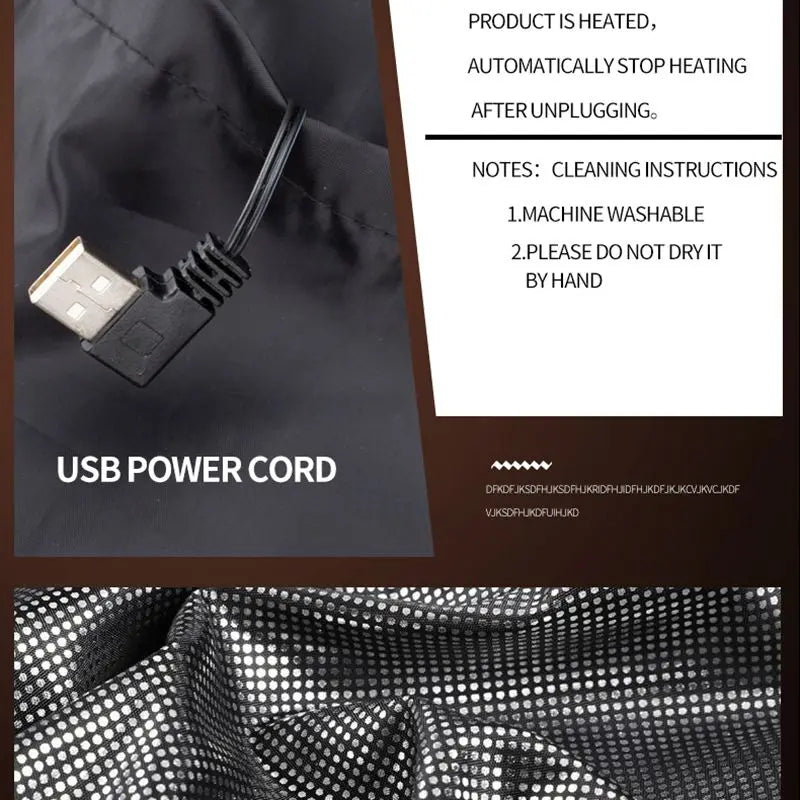
Portable heat clothing for extreme chill 💡 See it in action
Cold Weather Gear FAQs
How many layers do I need in extreme cold?
Most people need at least three layers: a base layer for moisture control, a mid layer for insulation, and an outer layer for protection against wind and moisture.
Is heated clothing safe for daily use?
Yes, heated clothing is generally safe when used according to manufacturer guidelines and is designed for prolonged wear in cold environments.
Why do I feel colder after sweating?
Sweat cools your body as it evaporates, which can rapidly reduce your core temperature in cold conditions.
Can cold weather gear be stylish and functional?
Modern cold weather gear combines insulation technology with streamlined designs, allowing you to stay warm without sacrificing style.
What is the warmest clothing for extreme cold?
Down-insulated jackets combined with thermal base layers and windproof shells provide the highest level of warmth in extreme cold conditions.
What should I wear in negative temperatures?
Wear a full layering system including a thermal base layer, insulating mid layers, and a protective outer shell, along with insulated accessories.
Pillar Article: Not Found
Other Related Articles:
- How an Electric Warming Jacket Keeps Your Core Warm
- How to Layer Heated Winter Wear Without Overheating
- How to Use a Smart Heated Vest for All-Day Warmth
- Heated Vest for Cold Commuting Which Style Works Best
Explore More: