

Does Learning How to Release Tension in Neck Really Work?
Yes—learning how to release tension in neck can provide both immediate relief and long-term improvement when done correctly and consistently. While gentle stretching and massage may reduce stiffness within minutes, lasting neck tension relief depends on daily habits like posture, movement, and stress management.
What Causes Neck Muscle Tension
Neck tension often develops from a combination of physical and mental factors. Poor posture, repetitive screen use, emotional stress, and lack of movement all contribute to tight, fatigued muscles.
How Long Relief Usually Lasts
Quick techniques can ease discomfort temporarily, but without consistent care, tension often returns. A structured self-care routine helps extend relief and prevents persistent neck and shoulder muscle stiffness over time.
How to Release Tension in Neck Safely at Home
⏱ 6 min read
Feeling constant tightness after long hours at your desk? That dull ache creeping from your neck into your shoulders isn’t just annoying—it’s your body asking for relief. The good news: learning how to release tension in neck safely at home can transform how you feel daily, without expensive treatments or complicated routines.
Explore effective solutions in the Body Care and Health Devices collection.
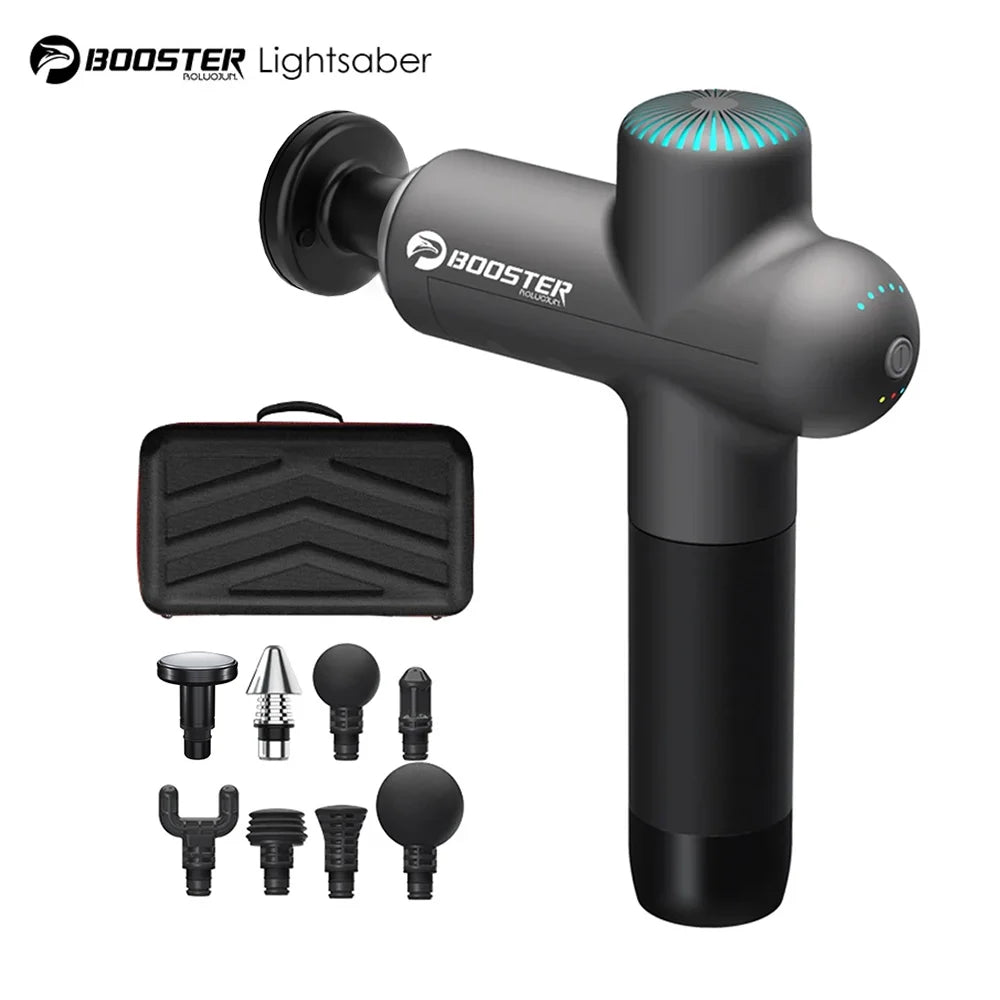
Relieve persistent neck and shoulder muscle stiffness easily at home See it in action
Why Neck Tension Happens More Than You Think
Common Daily Triggers
Persistent neck and shoulder muscle stiffness often builds gradually due to everyday habits:
- Hours of looking down at phones or laptops
- Limited movement throughout the day
- Poor sleeping positions
- Repetitive desk work without breaks
When Stress and Posture Combine
Stress causes unconscious muscle tightening, especially around the neck and shoulders. When combined with poor posture, this creates ongoing strain that leads to chronic discomfort.
Are you stretching but still feeling tight? The problem might not be effort—it’s technique and consistency.
How to Release Tension in Neck: Step-by-Step Routine
Follow this structured routine to safely relieve tension and improve mobility. Practicing daily for 5–10 minutes can significantly improve how your neck feels.
Apply Gentle Heat
Use a warm compress or heating pad for 5–10 minutes to increase blood flow and loosen tight muscles before stretching.
Neck Mobility Exercises
- Slowly tilt your head side to side
- Gently rotate your neck in controlled circles
- Avoid sudden or forceful movements
Targeted Stretching
- Hold each stretch for 15–20 seconds
- Focus on upper trapezius and side neck muscles
- Stretch within a comfortable range—no pain
Breathing and Relaxation
Deep breathing helps release tension signals from the nervous system. Inhale slowly, then exhale while relaxing your shoulders.
Start with tools from the Body Care and Health Devices collection.
Use a Massage Gun Safely for Neck Tension
Massage Gun Safety for Neck Use
- Use the lowest speed setting first
- Limit usage to 1–2 minutes per area
- Keep the device moving—don’t hold in one spot
Areas to Avoid
- Front of the neck
- Directly on the spine
- Over joints or sensitive areas
When a Massage Gun Can Help
A massage gun can be highly effective when used on surrounding muscles like the upper shoulders and base of the neck, helping improve circulation and reduce tightness quickly.
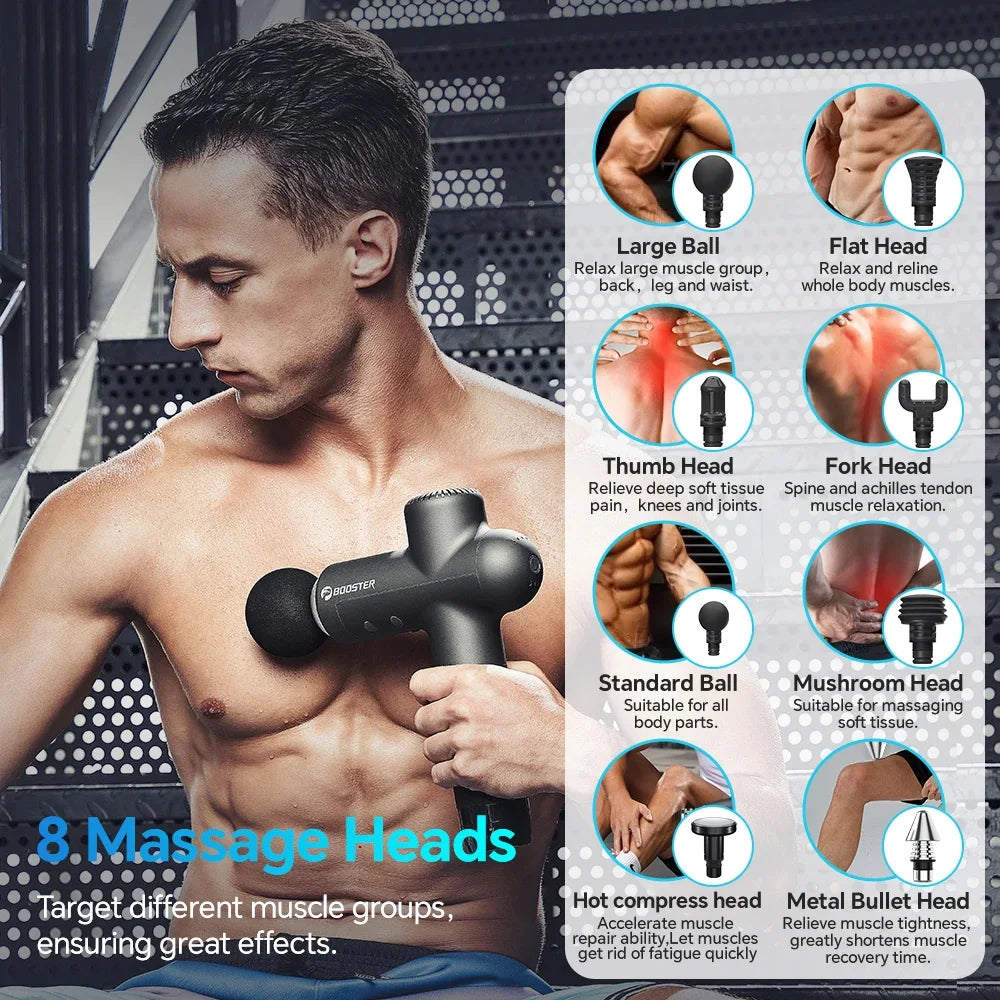
Safe massage gun use reduces persistent neck stiffness See it in action
Explore this solution here: Electric Massage Gun Deep Tissue Relief
Daily Habits That Prevent Neck and Shoulder Tension
Desk Ergonomics
Set your screen at eye level and keep your shoulders relaxed. Proper workstation setup reduces strain significantly.
Sleep Posture
Use a supportive pillow that keeps your neck aligned with your spine. Avoid sleeping on your stomach.
Movement Breaks
Take short breaks every 30–60 minutes to stretch and reset posture. Regular movement prevents stiffness buildup.
Common Mistakes That Make Neck Pain Worse
Stretching Too Aggressively
Overstretching can irritate muscles instead of helping them relax.
Ignoring Posture
Even the best exercises won’t help if poor posture continues throughout the day.
Using Massage Tools Incorrectly
Improper use—especially excessive pressure—can worsen symptoms instead of relieving them.
When to See a Healthcare Professional
Red Flag Symptoms
- Numbness or tingling in arms
- Severe or sudden pain
- Weakness in shoulders or hands
Persistent or Worsening Pain
If neck tension lasts for weeks or continues to worsen despite home care, professional evaluation is recommended to rule out underlying issues.
FAQs
What is the fastest way to relieve neck tension at home?
The fastest way is combining gentle stretching with targeted massage and heat therapy. This approach quickly improves circulation and reduces tightness.
Is it safe to use a massage gun on your neck?
Yes, but only when following proper massage gun safety for neck use—avoid the spine, use low intensity, and limit duration.
How often should I do neck tension relief exercises?
Daily practice is ideal. Even a few minutes each day can prevent stiffness and improve flexibility.
Can neck tension go away on its own?
Mild tension may resolve naturally, but repeated strain often leads to chronic discomfort without consistent care.
What causes persistent neck and shoulder muscle stiffness?
Common causes include poor posture, stress, prolonged sitting, and lack of movement.
What sleeping position helps reduce neck tension?
Sleeping on your back or side with proper neck support helps maintain alignment and reduces strain.
Pillar Article: How to Relieve Back Muscle Pain: Step-by-Step Fixes
Other Related Articles:
- How to Relieve Stiff Muscles Fast After Long Days
- Improve Muscle Recovery: Daily Routine That Works
- Reduce Post Workout Soreness: 7 Steps That Work
Explore More:













