

Reduce Post Workout Soreness: 7 Evidence-Based Recovery Strategies That Work
Feeling stiff, tight, and sore after every workout? You're not alone. Whether you're new to exercise or increasing your training intensity, post workout muscle soreness and tightness are common. The good news is that most soreness improves with the right recovery habits. By combining active recovery, hydration, balanced nutrition, quality sleep, and targeted recovery tools, you can reduce post workout soreness while supporting your body's natural adaptation to exercise.
⏱ 6 min read
Body Care and Health Devices
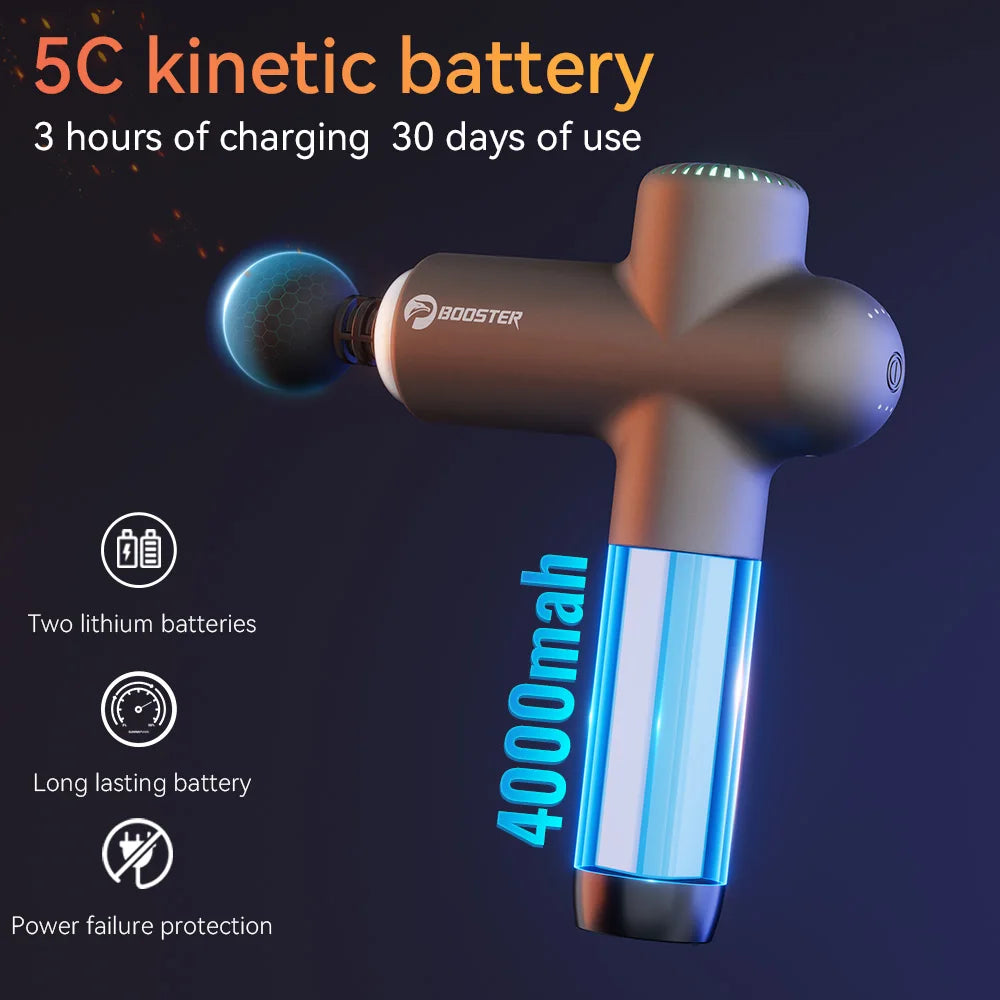
Target post workout muscle soreness and tightness with precision tools. See it in action.
How to Reduce Post Workout Soreness Fast
The best recovery strategy depends on how long it has been since your workout. Rather than relying on a single technique, combine several evidence-backed methods to improve circulation, support muscle repair, and reduce stiffness without interfering with long-term training gains.
Immediately after your workout
- Cool down with 5–10 minutes of light walking or cycling.
- Drink water and replace electrolytes after prolonged or intense exercise.
- Eat a meal containing carbohydrates and protein within a couple of hours.
- Avoid sitting completely still for extended periods.
Within the first 24 hours
- Stay active with gentle mobility exercises.
- Use massage or self-myofascial release to relieve tight muscles.
- Apply cold therapy if inflammation is prominent after unusually intense exercise.
- Prioritize adequate sleep to maximize muscle repair.
Recovery after 48 hours
- Resume training gradually if soreness is improving.
- Use heat therapy for lingering muscle tightness.
- If delayed recovery muscle tightness after exercise continues beyond several days or worsens, reduce training intensity and evaluate for possible injury.
Recovery works best when methods are combined. Light movement, hydration, proper nutrition, and massage generally provide greater benefits together than any single strategy alone.
Why You Feel Sore After Workouts (DOMS Explained)
Most soreness that develops several hours after exercise is known as delayed onset muscle soreness (DOMS) . It commonly appears after unfamiliar activities, strength training, or workouts involving slow, controlled lowering movements.
What causes delayed onset muscle soreness (DOMS)?
DOMS results from microscopic damage to muscle fibers that naturally occurs during exercise. Your body responds with temporary inflammation and tissue repair, making muscles feel tender and stiff while they rebuild.
Contrary to a common myth, DOMS is not caused by lactic acid buildup . Lactic acid is cleared from the body relatively quickly after exercise, while DOMS typically develops much later.
- Microscopic muscle fiber damage
- Temporary inflammation during repair
- Reduced range of motion from muscle stiffness
- Greater soreness after unfamiliar or high-volume workouts
Muscle soreness vs muscle injury
Normal post workout muscle soreness and tightness usually affects both sides of the body evenly, improves gradually, and feels better as you gently warm up.
An injury is more likely if you experience:
- Sharp or stabbing pain
- Sudden swelling or bruising
- Joint instability
- Pain that worsens instead of improving
- Significant weakness or inability to bear weight
How long DOMS typically lasts
Most DOMS begins within 12–24 hours after exercise, peaks between 24–72 hours, and gradually improves over the next few days. Recovery time depends on workout intensity, training experience, sleep, nutrition, and overall health.
7 Proven Recovery Strategies Ranked by Evidence
1. Active recovery and light movement
Strong evidence supports low-intensity movement for reducing stiffness and maintaining circulation without adding excessive stress.
- Walking or cycling for 10–20 minutes
- Gentle mobility exercises
- Dynamic stretching instead of prolonged inactivity
2. Hydration and balanced nutrition
Hydration alone won't eliminate soreness, but dehydration can make recovery feel worse. Combine fluids with balanced meals containing carbohydrates, healthy fats, vitamins, and minerals.
- Drink water consistently throughout the day
- Replace electrolytes after heavy sweating
- Limit excessive alcohol intake after training
3. Protein intake for muscle repair
Protein supplies the amino acids your muscles need to rebuild after exercise. Consuming approximately 20–40 grams of high-quality protein after training can help support recovery as part of a balanced diet.
4. Massage and self-myofascial release
Massage has moderate to strong evidence for reducing the perception of soreness and improving comfort after exercise. Foam rollers and percussion massage devices may also help decrease muscle tightness.
Electric Massage Gun Deep Tissue Relief
- May improve local circulation
- Can temporarily reduce muscle stiffness
- Often improves comfort and mobility
- Works best alongside active recovery
Important: Avoid applying excessive pressure over bones, joints, or areas of acute injury. Use massage tools according to the manufacturer's instructions.
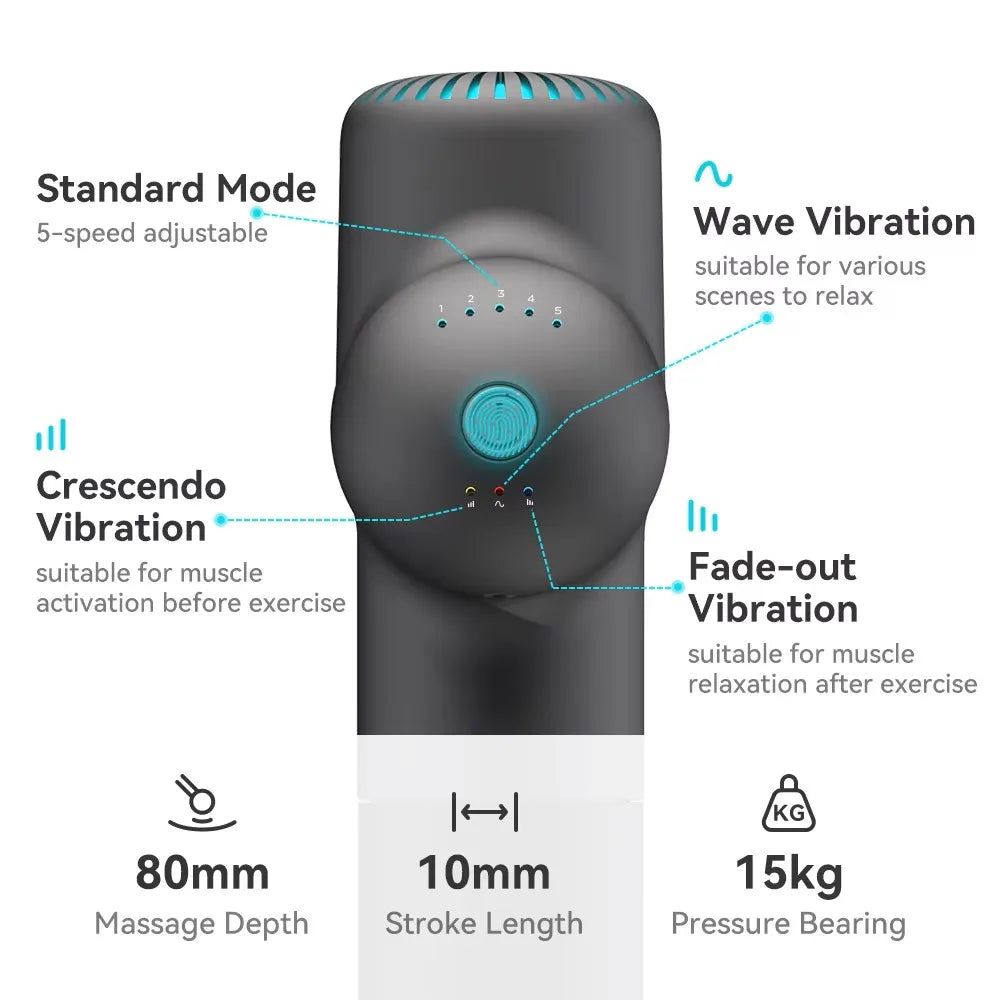
Relieve delayed recovery muscle tightness after exercise. See it in action.
5. Heat vs cold therapy
Both temperature therapies have their place depending on your symptoms.
- Cold therapy may help reduce discomfort immediately after unusually strenuous exercise.
- Heat therapy often feels better for ongoing muscle tightness and reduced flexibility.
6. Sleep and recovery
Sleep is one of the strongest predictors of successful recovery. During sleep, the body releases hormones involved in tissue repair and adaptation.
- Aim for 7–9 hours nightly
- Maintain a consistent sleep schedule
- Reduce bright screens before bedtime
7. Compression and recovery tools
Compression garments and recovery devices may help some athletes reduce swelling and improve comfort after demanding training sessions. Individual responses vary, so use them as part of a complete recovery routine rather than relying on them alone.
Recovery Methods: What Works, What Has Limited Evidence
Strong evidence
- Active recovery
- Adequate sleep
- Balanced nutrition with sufficient protein
- Massage for reducing soreness perception
Mixed evidence
- Stretching after exercise
- Compression garments
- Cold water immersion
- Heat therapy
These approaches may benefit some people, but research shows their effects vary depending on the type of exercise and individual response.
Common recovery myths
- Lactic acid does not cause DOMS.
- More soreness does not always mean a better workout.
- Complete bed rest usually delays recovery compared with gentle movement.
- Stretching alone is unlikely to prevent DOMS.
Recovery Methods Comparison
| Method | Best Timing | Effectiveness | Advantages | Limitations |
|---|---|---|---|---|
| Active recovery | Immediately to 72 hours | High | Improves circulation and mobility | Should remain low intensity |
| Hydration and nutrition | Immediately after exercise | High | Supports muscle repair | Benefits accumulate over time |
| Massage tools | First 24–48 hours | Moderate to High | Fast relief and improved comfort | Temporary symptom relief |
| Heat therapy | After acute inflammation subsides | Moderate | Relaxes tight muscles | Not ideal immediately after injury |
| Complete rest | Only when necessary | Low | Useful for injuries | May prolong stiffness if overused |
Electric Massage Gun Deep Tissue Relief
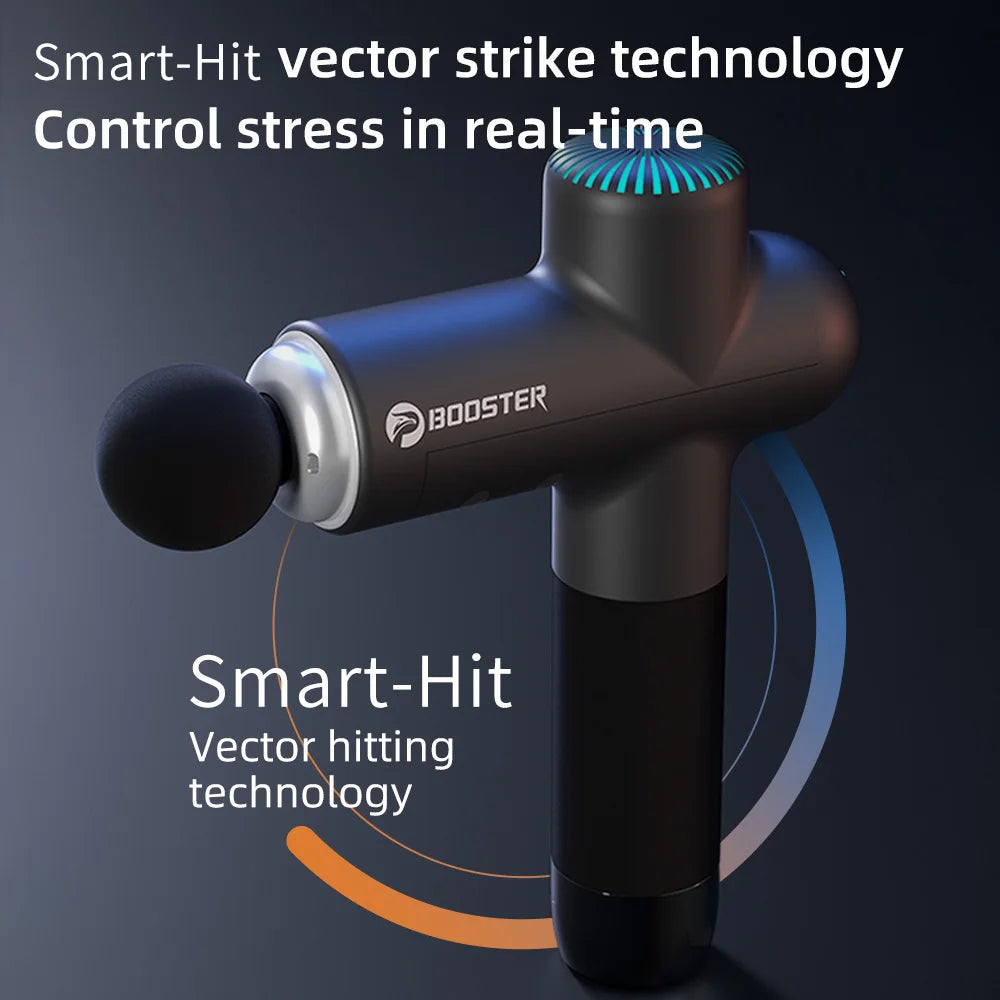
Experience faster recovery with proven muscle recovery tips. See it in action.
How to Prevent Excessive Muscle Soreness
Progress training gradually
Increase workout volume and intensity slowly to allow muscles to adapt. Sudden increases are a common cause of excessive DOMS.
Warm up effectively
Begin each session with 5–10 minutes of light aerobic activity followed by dynamic movements that prepare the muscles you'll be using.
Recover between sessions
Schedule recovery days, vary muscle groups across workouts, and avoid consistently training through severe soreness. Long-term consistency produces better results than repeatedly overtraining.
When Muscle Soreness Requires Medical Attention
Normal soreness should improve gradually. Seek medical evaluation if you experience:
- Severe swelling or extensive bruising
- Sharp pain during movement
- Dark-colored urine after intense exercise
- Persistent weakness or numbness
- Delayed recovery muscle tightness after exercise that continues to worsen after several days
FAQs
How long does post workout soreness last?
DOMS usually lasts between 24 and 72 hours, although very demanding workouts may produce mild soreness for several additional days.
What is the fastest way to reduce muscle soreness?
The most effective approach combines light movement, hydration, balanced nutrition, quality sleep, and massage or foam rolling rather than relying on a single method.
Can I work out while sore?
Yes. Mild soreness is usually safe to train through by reducing intensity or working different muscle groups. Avoid exercising if pain is sharp or significantly limits movement.
Does heat or ice work better for sore muscles?
Cold therapy is generally better immediately after unusually intense exercise or acute inflammation, while heat is often more helpful for lingering stiffness.
Why do I feel tight several days after exercise?
Persistent tightness is often part of the normal recovery process, particularly after unfamiliar exercise. Adequate sleep, nutrition, and active recovery can help shorten recovery time.
Does stretching prevent DOMS?
Research suggests stretching alone has limited ability to prevent DOMS. It may improve flexibility and comfort but should be combined with other recovery strategies.
Should I rest completely or stay active?
For most people with normal muscle soreness, gentle activity is more beneficial than complete rest. Reserve complete rest for injuries or when advised by a healthcare professional.
Pillar Article: How to Relieve Back Muscle Pain: Step-by-Step Fixes
Other Related Articles:
- How to Relieve Stiff Muscles Fast After Long Days
- Improve Muscle Recovery: Daily Routine That Works
- How to Release Tension in Neck Safely at Home
Explore More:













