

How to Relieve Stiff Muscles Fast After Long Days
How to relieve stiff muscles quickly starts with improving circulation, restoring normal muscle movement, and reducing tension. A combination of gentle activity, proper hydration, stretching, and targeted massage can ease everyday stiffness within minutes while supporting long-term recovery and flexibility.
How to Relieve Stiff Muscles Fast After Long Days
Whether you've spent the day at a desk, on your feet, traveling, or exercising, muscle stiffness can leave your body feeling tight and fatigued. Fortunately, you don't need an hour-long recovery routine to feel better. Learning how to relieve stiff muscles safely and consistently can improve mobility, reduce discomfort, and help you recover faster after long days.
⏱ 5 min read
Feeling stiff right now? Discover simple tools that help your body recover faster and feel lighter after long days.
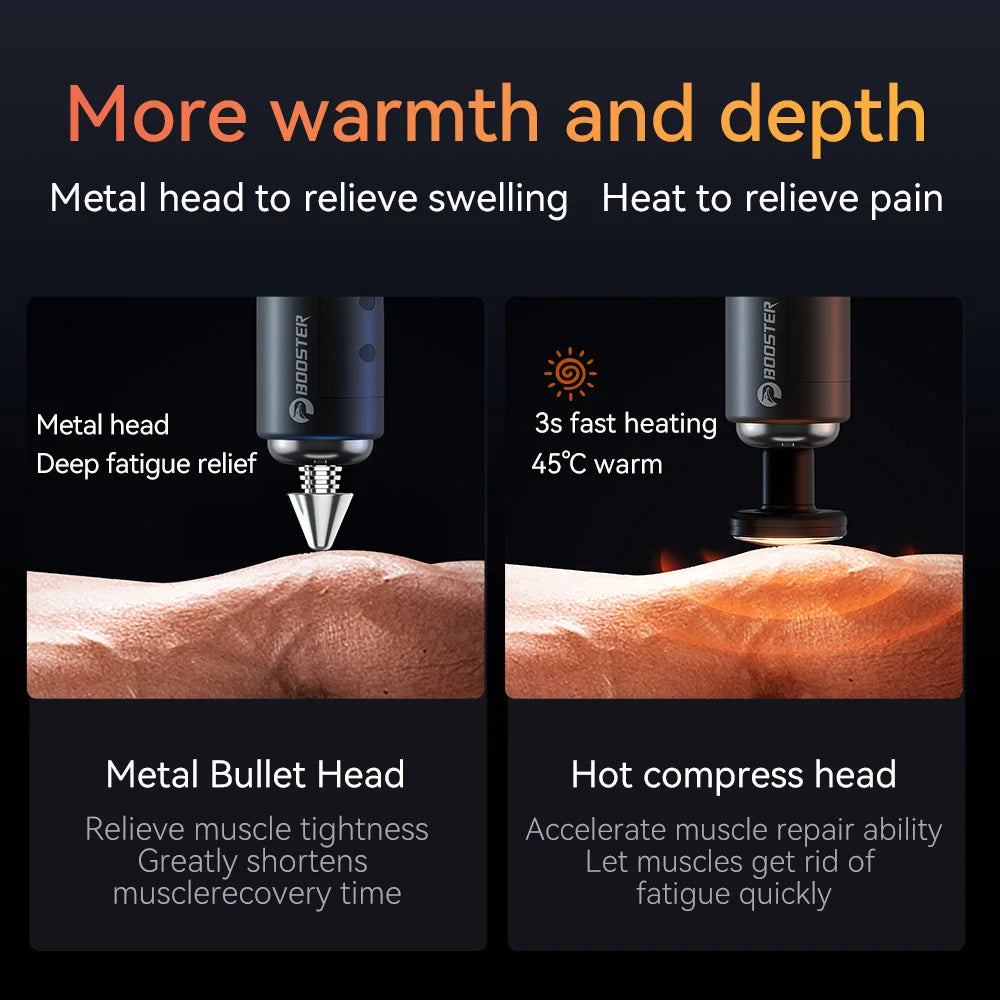
Improve muscle recovery faster with targeted relief. See it in action.
How to Relieve Stiff Muscles Quickly: Step-by-Step Relief
If you're wondering what helps stiff muscles the fastest, focus on restoring blood flow before trying to stretch aggressively. This simple sequence works well for stiffness caused by sitting, standing for long periods, or normal post-exercise soreness.
Start with gentle movement
Walk for 3 to 5 minutes or perform light mobility exercises such as shoulder rolls, hip circles, or ankle rotations. Gentle movement increases circulation and prepares muscles for stretching.
Apply heat or cold appropriately
Heat is generally best for muscles that feel tight or stiff without swelling because it relaxes muscle fibers and improves circulation. Cold therapy is more appropriate immediately after an acute strain or when swelling is present.
Stretch tight muscles safely
Once muscles are warm, hold gentle stretches for 20 to 30 seconds without bouncing. Focus on commonly tight areas such as the neck, shoulders, lower back, hips, calves, and hamstrings. Stretch only until you feel mild tension rather than pain.
Hydrate and support recovery
Dehydration can contribute to muscle tightness and cramping. Drink water throughout the day and eat balanced meals that provide protein, potassium, magnesium, and other nutrients needed for muscle recovery.
Want faster relief? Learn step-by-step how to release deep muscle tension at home with the right approach.
Why Muscles Become Stiff
Muscle stiffness develops when muscles remain under tension or receive reduced circulation for extended periods. While it's often temporary, understanding the cause helps you choose the most effective recovery strategy.
After exercise
Exercise creates microscopic muscle damage that triggers repair. Mild soreness and stiffness, especially one to two days after an unfamiliar workout, are a normal part of adaptation.
After prolonged sitting
Poor circulation from sedentary lifestyle stiffness is one of the most common causes of everyday muscle tightness. Remaining in one position for hours reduces blood flow and causes muscles to shorten temporarily.
Dehydration and poor recovery
Not drinking enough water, inadequate sleep, and insufficient recovery time can all increase muscle tightness and delay normal healing.
Stress, aging, and medical conditions
Emotional stress can increase muscle tension, while aging naturally reduces flexibility. Persistent or severe stiffness may occasionally be related to underlying medical conditions, particularly if accompanied by swelling, weakness, fever, or severe pain.
Quick check: Do your shoulders tighten after work or your legs feel heavy after hours of sitting? These are common signs that your muscles need movement, circulation, and recovery—not simply rest.
Home Remedies That Help Loosen Stiff Muscles
Most everyday muscle stiffness improves with simple home care. Combining several evidence-based approaches usually works better than relying on just one method.
Stretching
Regular stretching improves flexibility, maintains joint range of motion, and helps loosen stiff muscles over time when practiced consistently.
Massage
Massage helps reduce muscle tension, improves circulation, and may temporarily reduce soreness. Self-massage, foam rolling, or massage devices can all be useful depending on personal preference.
Heat therapy
Warm showers, heating pads, or warm compresses are often effective for muscles that feel tight from inactivity or prolonged sitting.
Sleep and nutrition
Quality sleep allows muscles to repair overnight. Eating enough protein along with fruits, vegetables, and mineral-rich foods supports healthy muscle recovery.
Build a Daily Routine for Muscle Tension Relief and Recovery
A consistent routine is one of the best ways to reduce recurring stiffness, especially if you spend long hours sitting or standing.
| Time | Action | Benefit |
|---|---|---|
| Morning | 5 minutes of mobility and stretching | Improve circulation and flexibility |
| Every 30–60 minutes | Brief standing or walking break | Reduce poor circulation from sedentary lifestyle stiffness |
| Evening | Massage or light recovery work | Release accumulated muscle tension |
| Weekly | Regular exercise, hydration, and quality sleep | Prevent recurring stiffness and improve recovery |
Pairing this routine with tools from the Body Care and Health Devices collection can make each recovery session more comfortable.
Can Massage Tools Help Relieve Muscle Stiffness?
Massage tools can complement stretching and movement by helping relax tight muscles and improving circulation. They're most effective when used as part of a broader recovery routine rather than as a standalone solution.
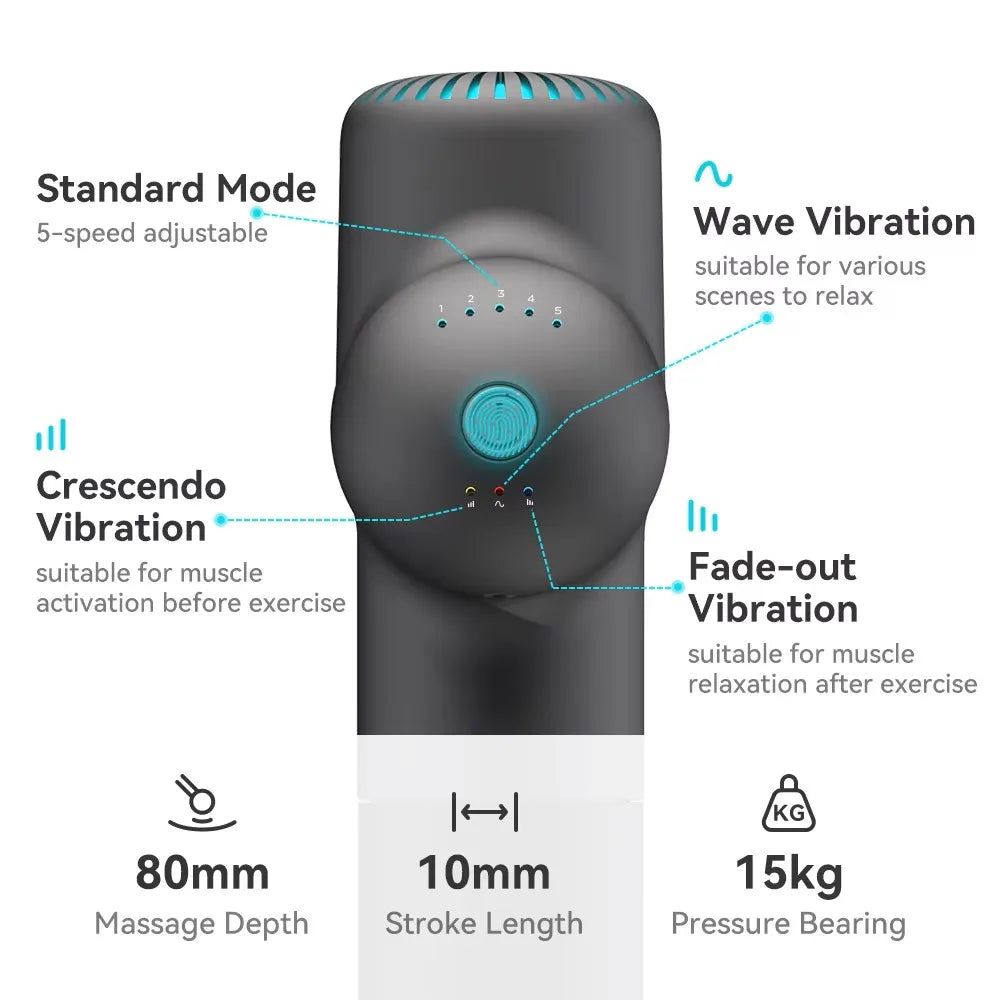
Break up muscle knots quickly and effectively. See it in action.
The electric massage gun for deep tissue relief provides rapid percussion that may temporarily reduce muscle tightness and improve comfort after exercise or long workdays.
Manual massage vs. massage tools
| Method | Best For | Typical Session |
|---|---|---|
| Manual massage | General relaxation | 15–30 minutes |
| Foam roller | Large muscle groups | 5–10 minutes |
| Massage gun | Targeted muscle tension | 5–10 minutes |
When to use deep tissue massage
Deep tissue massage is often most helpful after prolonged sitting, moderate exercise, or repetitive daily activities that create localized muscle tightness.
When to avoid massage
Avoid using massage directly over fresh injuries, swollen areas, open wounds, or suspected fractures. If pain is severe or unexplained, seek medical advice before using massage devices.
Heat vs. Cold Therapy: Which Should You Choose?
When heat works best
Heat therapy is generally recommended for muscles that feel stiff, tight, or sore from inactivity because it increases circulation and promotes relaxation.
When cold is appropriate
Ice packs are more suitable during the first 24 to 48 hours after an acute injury when swelling and inflammation are present.
How long to apply each
Apply either heat or cold for approximately 15 to 20 minutes at a time, using a protective layer between the skin and the heat or ice source.
Common Mistakes That Make Muscle Stiffness Worse
- ❌ Skipping movement breaks during long periods of sitting
- ❌ Overstretching painful muscles aggressively
- ❌ Ignoring hydration and recovery after activity
- ❌ Returning to intense exercise before muscles have recovered
Avoiding these common mistakes helps reduce muscle stiffness faster while lowering the chance of recurring discomfort.
How Long Does Muscle Stiffness Last?
Recovery varies depending on the cause and severity of stiffness.
- Within minutes: Mild stiffness from inactivity often improves after movement and stretching.
- 1–3 days: Typical muscle soreness after exercise gradually decreases.
- Several days: Recovery may take longer after strenuous activity or prolonged muscle overuse.
- Beyond one week: Persistent stiffness deserves closer evaluation, particularly if symptoms worsen instead of improving.
Ready to feel the difference? Get yours now — limited stock!
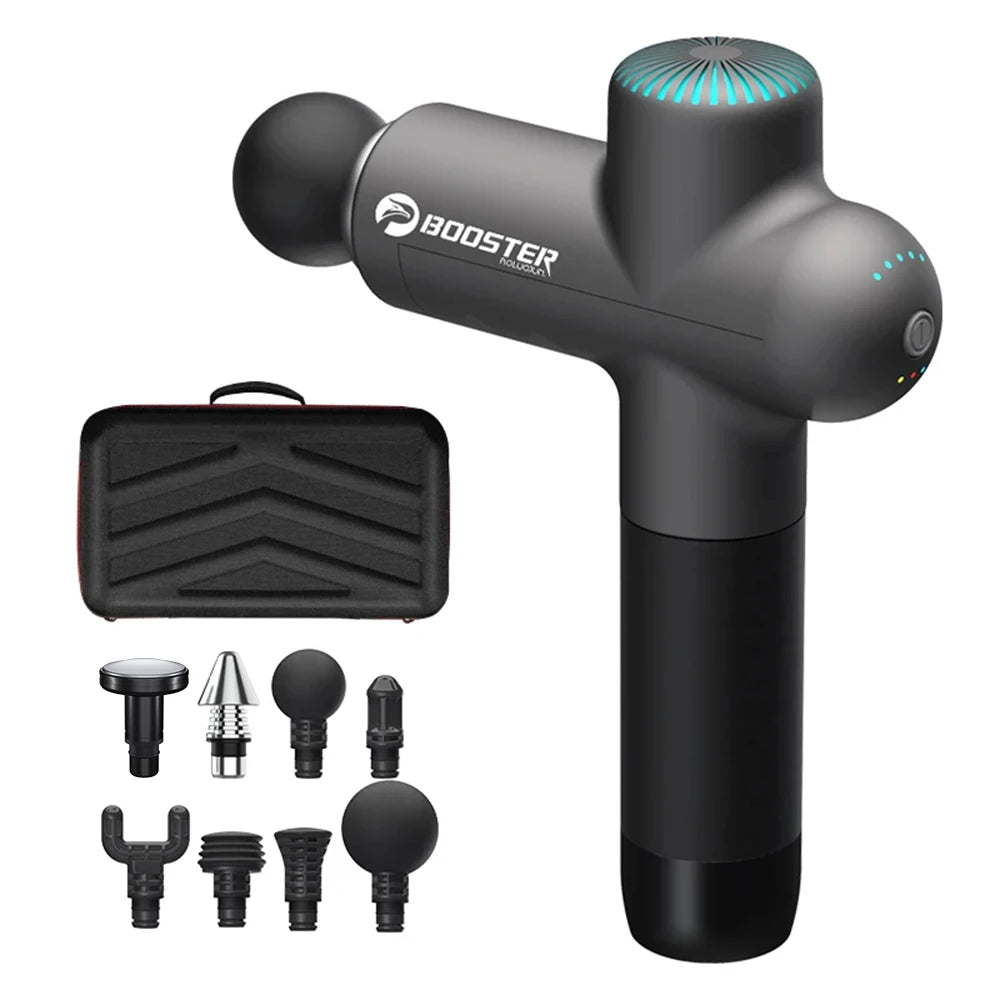
Restore flexibility and comfort faster. See it in action.
When to See a Healthcare Professional
Most muscle stiffness improves with self-care, but medical evaluation is recommended if you experience:
- Severe pain after an injury
- Swelling, redness, or warmth that continues to worsen
- Fever or unexplained illness alongside muscle stiffness
- Numbness, significant weakness, or difficulty walking
- Stiffness lasting more than one to two weeks despite appropriate home care
Frequently Asked Questions
1. How to relieve stiff muscles quickly?
Begin with gentle movement, followed by light stretching, hydration, and, if appropriate, heat therapy or massage. This combination helps improve circulation and reduce muscle tension safely.
2. What helps stiff muscles after sitting all day?
Standing up regularly, taking short walking breaks, stretching the hips and shoulders, and maintaining good posture are effective ways to reduce stiffness caused by prolonged sitting.
3. How do you loosen stiff muscles safely?
Warm the muscles first through light activity or heat, then perform slow, controlled stretches. Avoid forcing painful movements or bouncing during stretches.
4. Can dehydration cause muscle stiffness?
Yes. Dehydration may contribute to muscle tightness and cramping because muscles depend on adequate fluid and electrolyte balance for normal function.
5. Does poor circulation from a sedentary lifestyle cause stiffness?
Yes. Sitting for long periods can reduce circulation temporarily, contributing to muscle tightness, reduced flexibility, and feelings of heaviness.
6. Should I use heat or ice for stiff muscles?
Heat is usually better for everyday muscle stiffness, while ice is generally recommended after acute injuries involving swelling or inflammation.
7. How long does muscle stiffness usually last?
Mild stiffness from inactivity often improves within minutes after movement, while post-exercise soreness typically resolves within one to three days.
8. When should I see a doctor for muscle stiffness?
Seek medical attention if stiffness is severe, follows a significant injury, lasts longer than expected, or occurs with swelling, fever, numbness, or muscle weakness.
Pillar Article: How to Relieve Back Muscle Pain: Step-by-Step Fixes
Other Related Articles:
- Improve Muscle Recovery: Daily Routine That Works
- How to Release Tension in Neck Safely at Home
- Reduce Post Workout Soreness: 7 Steps That Work
Explore More:













