

Does red light therapy after workout really work?
Yes, red light therapy after workout may improve recovery by supporting cellular energy production, reducing muscle soreness, and helping regulate post-exercise inflammation. While research continues to evolve, multiple clinical studies suggest that photobiomodulation can shorten recovery time, decrease delayed onset muscle soreness (DOMS), and improve muscle performance when used consistently alongside proper sleep, nutrition, and training.
What current research says
Researchers have observed improvements in muscle recovery following resistance training, endurance exercise, and high-intensity workouts. The strongest evidence supports reductions in muscle soreness and improved recovery of muscle function rather than dramatic increases in muscle growth.
What benefits are supported—and what remains uncertain
- Reduced post-exercise muscle soreness
- Improved recovery between workouts
- Better circulation during tissue repair
- Support for mitochondrial energy production
- Limited evidence for directly increasing muscle size
Red Light Therapy After Workout: Evidence-Based Guide to Faster Muscle Recovery
Muscle soreness and fatigue can interfere with training consistency and performance. Red light therapy after workout has gained attention as a non-invasive recovery strategy that may help support muscle repair, reduce soreness, and improve recovery time. This evidence-based guide explains how infrared light therapy for muscle recovery works, what current research shows, and how to use it effectively at home.
⏱ 5 min read
Discover how a simple at-home routine can support muscle recovery and reduce post-workout soreness.
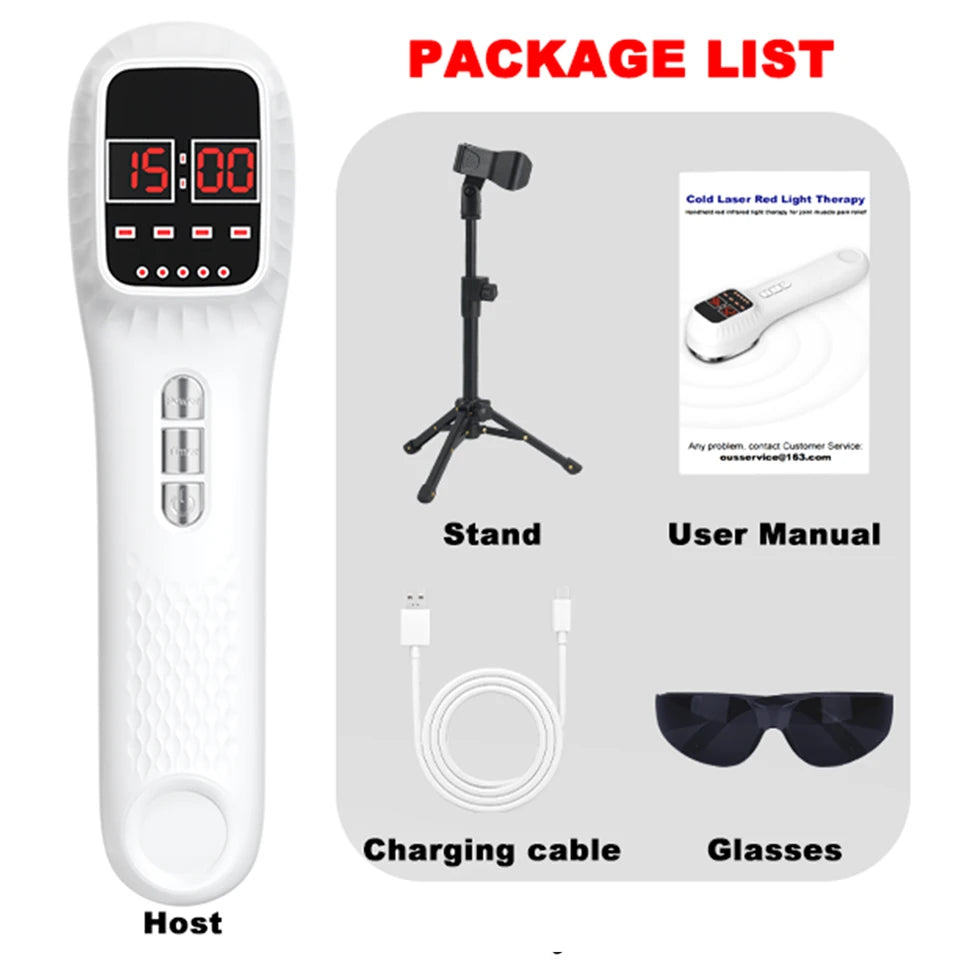
Reduce soreness faster with red light therapy after workout — see it in action
How red light therapy after exercise supports muscle recovery
Red light therapy works through a process called photobiomodulation. Specific wavelengths of red and near-infrared light penetrate tissues where they interact with mitochondria, the structures responsible for producing cellular energy.
ATP production and mitochondrial function
Light energy stimulates cytochrome c oxidase within mitochondria, increasing ATP production. More available cellular energy helps muscles recover from exercise-induced stress. This cellular mechanism explains why photobiomodulation continues to be studied for athletic recovery and rehabilitation applications.
Blood circulation and oxygen delivery
Improved microcirculation allows oxygen and nutrients to reach recovering muscle tissue more efficiently while helping remove metabolic waste products generated during exercise.
Inflammation and oxidative stress
Exercise naturally causes inflammation that triggers adaptation and muscle growth. Red light therapy may help regulate excessive inflammatory responses without completely suppressing the body's natural recovery process.
Muscle repair and recovery timeline
After exercise, muscles undergo repair over the next 24–72 hours. Consistent red light therapy may help support this recovery window, especially following resistance training, endurance events, or high-intensity exercise sessions.
Red light therapy after workout benefits by exercise type
Strength training
Resistance training creates microscopic muscle damage that stimulates growth adaptations. Red light therapy may help reduce soreness while supporting tissue repair between lifting sessions.
Endurance training
Long-distance running, cycling, and swimming often produce cumulative fatigue. Infrared therapy for post-exercise recovery may help athletes recover more comfortably between training days.
HIIT and functional fitness
High-intensity interval training generates significant metabolic stress. Consistent recovery sessions may reduce perceived soreness and improve readiness for subsequent workouts.
Recreational exercise
Even occasional gym-goers can benefit from improved comfort after exercise, making it easier to maintain consistent exercise habits.
How to use red light therapy after a workout
Best time after exercise
Most experts recommend using red light therapy within the first few hours after finishing your workout, although later sessions may still provide recovery benefits.
Session length
Most home devices recommend treatments lasting approximately 10–20 minutes per targeted muscle group. Always follow the manufacturer's instructions.
Treatment frequency
Using red light therapy three to five times per week generally produces better long-term results than occasional treatments.
Recommended body areas
- Quadriceps
- Hamstrings
- Calves
- Lower back
- Shoulders
- Chest
- Upper back
-
Clean and dry your skin
Remove sweat and oils so light can penetrate effectively. -
Position the device 6–12 inches from muscles
Target sore areas like legs, back, or shoulders. -
Use for 10–15 minutes per area
Consistency matters more than long sessions. -
Repeat 3–5 times per week
This helps build cumulative recovery benefits.
For best results, use a reliable device like this handheld red light therapy device designed for targeted muscle recovery.
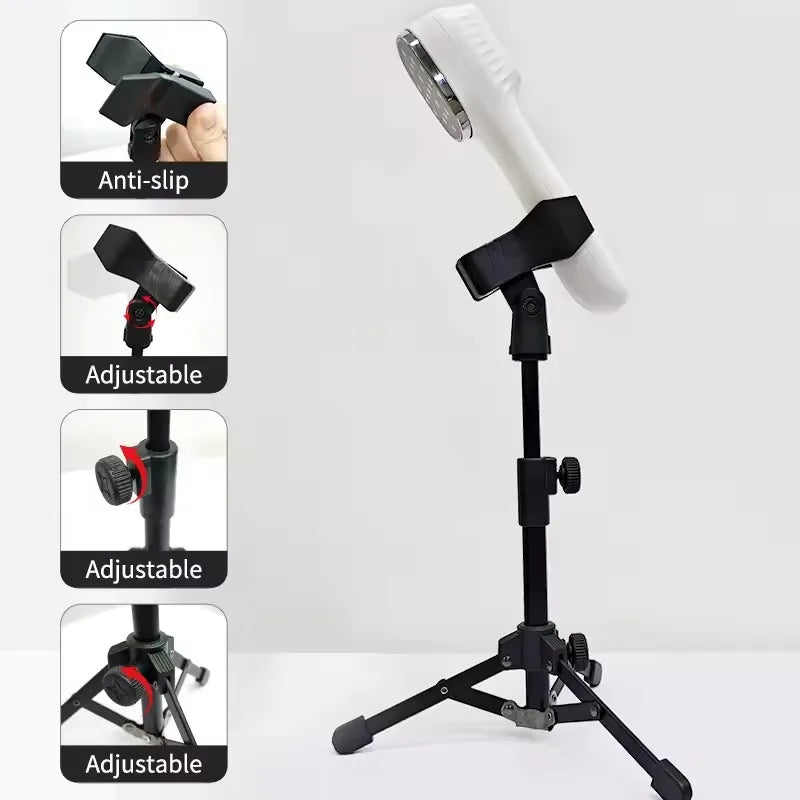
Infrared light therapy for muscle recovery helps reduce stiffness — see it in action
Optimal treatment settings for infrared therapy after workout
Red vs near-infrared wavelengths
Red wavelengths primarily affect superficial tissues, while near-infrared light penetrates deeper muscles, making both useful depending on treatment goals and targeted body areas.
Distance from the device
Maintain the manufacturer's recommended treatment distance to ensure the appropriate light intensity reaches the muscles effectively.
Consistency vs intensity
Regular sessions using the correct dosage are generally more effective than infrequent, prolonged treatments.
| Factor | Typical Recommendation |
|---|---|
| Session Duration | 10–20 minutes |
| Frequency | 3–5 sessions weekly |
| Treatment Distance | 6–12 inches |
| Timing | Within several hours post-workout |
Red light therapy before vs after workout
Recovery benefits
Using red light therapy after exercise focuses on muscle repair, soreness reduction, and recovery support.
Performance benefits
Some athletes use light therapy before training to prepare muscles for exercise, although evidence remains less consistent than post-workout applications.
Which option fits your goals
If your primary goal is faster recovery and reduced soreness, post-workout treatment remains the preferred option for most users.
Red light therapy vs traditional recovery methods
Red light therapy works best as part of a complete recovery routine rather than as a replacement for proven recovery habits.
| Recovery Method | Primary Benefit | Limitations |
|---|---|---|
| Red Light Therapy | Supports cellular recovery and circulation | Requires consistent use |
| Stretching | Improves mobility | Limited effect on deep tissue recovery |
| Foam Rolling | Reduces muscle tightness | Temporary relief |
| Cold Therapy | May reduce acute soreness | Can be uncomfortable |
| Massage | Supports circulation and relaxation | Costly and time-consuming |
| Sleep and Nutrition | Foundation of recovery | Requires long-term consistency |
What the research says about red light therapy for muscle recovery effectiveness
Human clinical studies
Clinical trials generally report reductions in muscle soreness and improvements in recovery markers following photobiomodulation, although study designs vary considerably.
Evidence quality
Overall evidence remains promising but not definitive. Differences in wavelength, dosage, treatment timing, and exercise protocols make direct comparisons challenging.
Practical takeaways
- Consistency matters more than occasional treatments.
- Use evidence-based devices.
- Combine therapy with sleep, hydration, and nutrition.
- Expect gradual improvements rather than immediate transformation.
| Research Area | Current Evidence |
|---|---|
| Muscle Soreness Reduction | Moderately supported |
| Recovery Speed | Promising evidence |
| Performance Recovery | Moderate evidence |
| Muscle Growth | Limited evidence |
Common mistakes that reduce post-workout recovery results
- Skipping treatments after hard workouts
- Using sessions that are too short or too infrequent
- Treating the wrong muscle groups
- Ignoring sleep, hydration, and nutrition
- Expecting overnight recovery
Recovery is a system rather than a single intervention. Red light therapy works best when integrated into a comprehensive recovery strategy.
Who benefits most from red light therapy after exercise?
Athletes
Competitive athletes often use photobiomodulation to improve recovery between demanding training sessions.
Older adults
Recovery naturally slows with age, making supportive recovery strategies increasingly valuable.
Beginners
People starting new exercise programs frequently experience DOMS and may benefit from improved recovery comfort.
People with slow muscle recovery after exercise
Individuals who consistently experience prolonged soreness may find red light therapy helpful when combined with appropriate training loads and recovery habits.
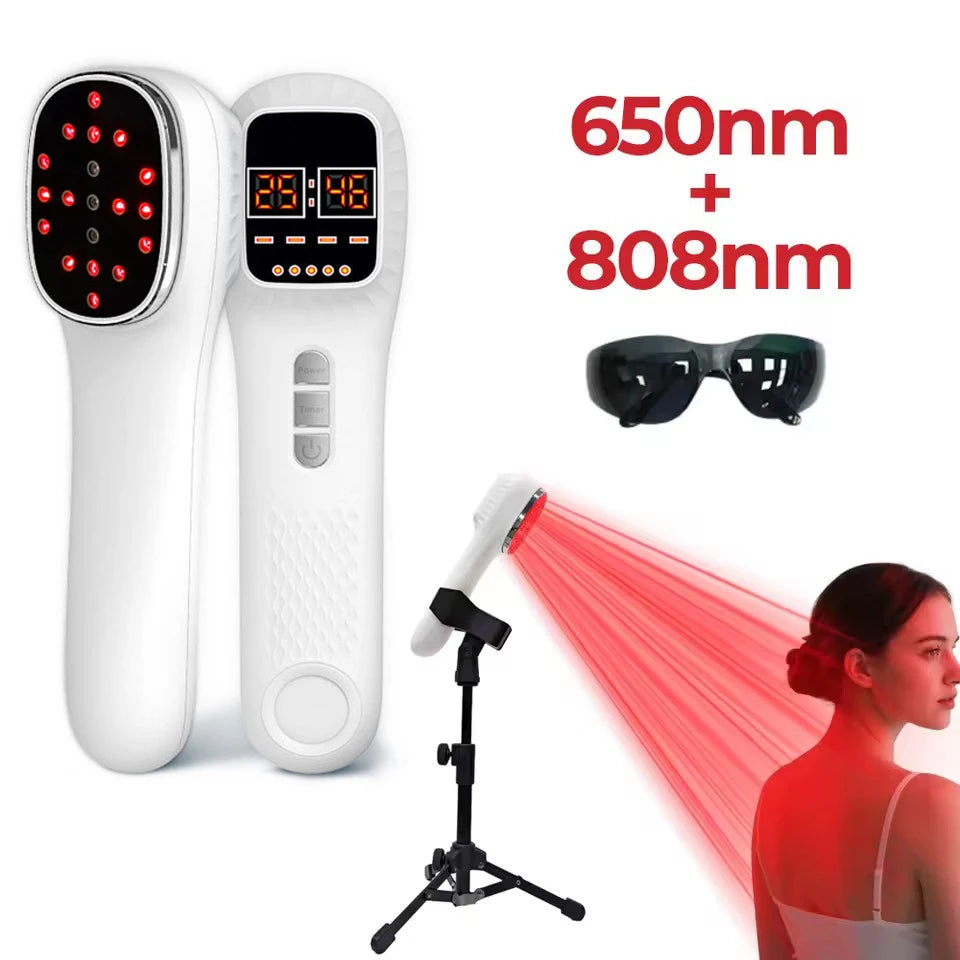
Boost circulation and reduce inflammation after workouts — see it in action
Safety, side effects, and when to avoid red light therapy
Red light therapy is generally considered safe when FDA-cleared or medically approved devices are used according to instructions.
General safety
- Use eye protection if recommended
- Avoid damaged devices
- Follow manufacturer treatment times
Contraindications
People with photosensitivity disorders, certain medications, or active medical conditions should consult a healthcare professional before treatment.
When to consult a healthcare professional
Persistent pain, swelling, or injuries should be evaluated medically rather than treated solely with light therapy.
Frequently asked questions
Does red light therapy help muscle recovery?
Current evidence suggests it may reduce soreness and support muscle recovery when used consistently.
How soon after exercise should I use it?
Most experts recommend treatment within several hours after finishing exercise.
Can it reduce DOMS?
Many studies report reduced delayed onset muscle soreness following regular treatments.
Can I use it every day?
Daily use may be appropriate depending on device recommendations and individual recovery needs.
Does it help build muscle?
Its primary role is recovery support rather than directly stimulating muscle growth.
Is infrared therapy for post-exercise recovery safe?
Yes, when used correctly and according to manufacturer guidelines.
Get yours now — limited stock! Shop the device
Pillar Article: How to Use Red Light Therapy for Faster Recovery at Home
Other Related Articles:
- How to Improve Circulation Naturally Using Light Therapy
- Red Light Therapy Dosage Recommendations for Safe Results
- How to Relieve Muscle Soreness Fast with Simple Daily Steps
Explore More:













