

How to Tell if Sunglasses Are Polarized (5 Easy Tests You Can Do at Home)
Quick Answer: How to Check if Sunglasses Are Polarized in Seconds
The fastest way to tell if sunglasses are polarized is to look at your phone or any LCD screen through the lenses and slowly rotate them.
- If the screen darkens or turns nearly black at certain angles → the lenses are polarized .
- If the brightness stays the same → they are not polarized .
This simple test works because polarized lenses block horizontal light waves, which interact with digital screens.
Limitations: Some screens (like OLED displays) may not show a strong effect, and very low-quality lenses may produce subtle changes. For best accuracy, combine this with another test below.
If you’ve ever squinted on a sunny day and wondered whether your sunglasses are really doing their job—or whether they’re missing that crucial glare-cutting power—this guide will help you know for sure. In just a few minutes and with no special tools, you can confirm whether your lenses are polarized and actually improving your vision.
Why Polarized Lenses Matter
When light reflects off flat surfaces like water, roads, snow, or glass, it creates intense horizontal glare that can reduce visibility and strain your eyes.
- Blocks glare: Especially useful for driving, fishing, and beach use
- Improves contrast: Objects appear sharper and more defined
- Reduces eye fatigue: Less squinting in bright conditions
- Enhances safety: Better visibility while driving or outdoors
Unlike regular sunglasses that only darken your view, polarized lenses actively filter glare—making vision clearer, not just dimmer.
How Do Polarized Sunglasses Work?
Polarized sunglasses use a special chemical filter that blocks horizontally reflected light—also known as glare.
Here’s the key idea:
- Glare travels in horizontal waves
- Polarized lenses block those waves while allowing vertical light through
This is why when you tilt or rotate polarized lenses, the amount of visible light changes. The angle affects how much glare is filtered, which is exactly what makes polarization easy to test.
5 Simple Tests to Tell if Sunglasses Are Polarized
1. Phone Screen Test (Most Reliable at Home)
Hold your sunglasses in front of your phone and rotate them slowly.
- Screen darkens or blacks out → polarized
- No change → non-polarized
2. Reflection Test (Glare Reduction Check)
Look at reflective surfaces like water, glass, or a car hood.
- Glare significantly reduces → polarized
- Reflections remain strong → non-polarized
3. Two-Pair Sunglasses Cross Test
Stack your sunglasses with a known polarized pair and rotate one lens.
- Darkens at 90° → both are polarized
4. LCD Screen Tilt Test (TV or Laptop)
Look at a TV or laptop screen and tilt your head.
- Screen dims noticeably → polarized
5. Check Markings and Labels (Support Method)
Look for “polarized” labels or stickers.
- Helpful indicator
- Not always reliable—labels can be misleading
Step-by-Step: The Most Accurate At-Home Test
This beginner-friendly method is the most consistent way to check polarization:
- Turn your phone brightness to maximum.
- Hold your sunglasses directly in front of the screen.
- Rotate the glasses slowly up to 90 degrees.
- Watch for darkening or blackout.
What to expect: A clear shift in brightness confirms polarization.
Common mistakes to avoid:
- Not rotating enough (must reach ~90°)
- Using low brightness screens
- Testing in dim lighting
See it in action: quick polarization check at home
Benefits of Polarized Sunglasses
- Reduced glare: Ideal for water, roads, and bright surfaces
- Sharper vision: Better contrast and clarity
- Less eye strain: More comfort during long outdoor use
- Better performance: Perfect for driving, sports, and travel
Polarized vs Non-Polarized Sunglasses (Key Differences)
- Polarized sunglasses: Block glare, improve clarity, reduce eye strain
- Non-polarized sunglasses: Only reduce brightness
When to choose each:
- Choose polarized for outdoor activities and driving
- Choose non-polarized if you rely heavily on screens
When Polarized Lenses May Not Be Ideal
- Some screens (car dashboards, LCDs) may appear darker
- Can reduce visibility of icy patches in snow
- May interfere with pilots or certain professionals
Can Fake or Cheap Sunglasses Be Polarized?
Yes—polarization is a feature, not a price guarantee.
- Cheap lenses may still be polarized
- But may cause distortion or uneven filtering
- UV protection may be missing
Tip: Always test instead of relying on labels alone.
Common Mistakes When Testing Polarized Sunglasses
- Not rotating lenses to the correct angle
- Using non-LCD screens (some modern displays won’t show effect clearly)
- Misinterpreting reflections as polarization
- Relying only on labels or branding
Avoiding these mistakes ensures accurate results.
Buying Tips: How to Choose Real Polarized Sunglasses
- Look for UV400 protection: Essential for eye safety
- Test before buying: Use phone or reflection method
- Check lens clarity: No distortion or warping
- Buy from trusted brands or stores
Price doesn’t always equal quality—but testing ensures performance.
What To Do If You're Still Not Sure
- Use multiple tests (phone + reflection)
- Compare with a known polarized pair
- Visit an optical store for confirmation
- Replace lenses if results are inconsistent
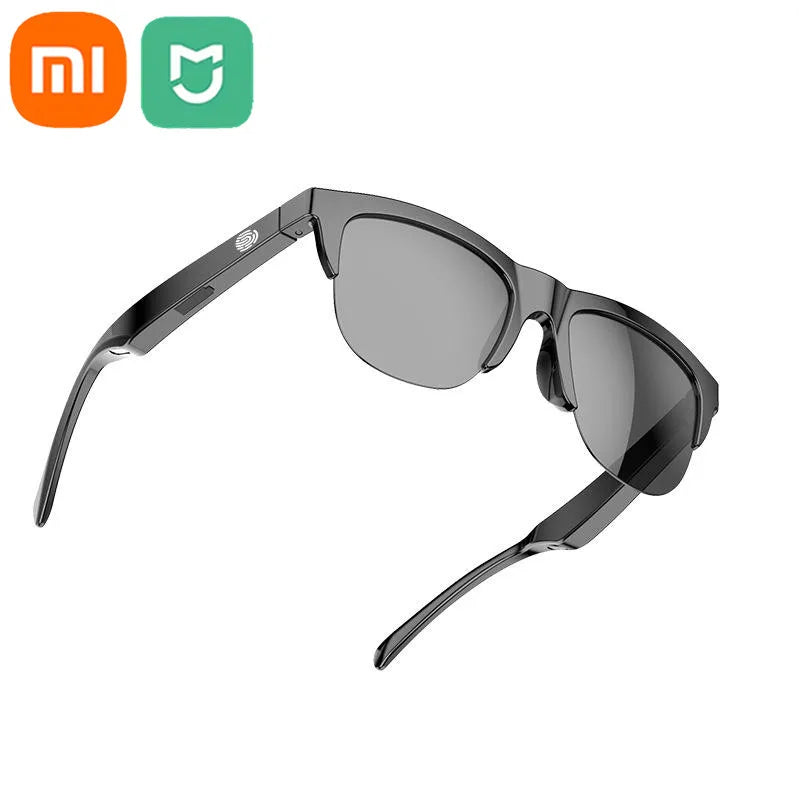
Upgrade your outdoor gear: polarized + smart features = win
FAQ: Polarized Sunglasses Explained
Can you tell if lenses are polarized just by looking?
No. You need to perform a test like the phone screen method.
Do polarized sunglasses also block UV rays?
Not always. Polarization reduces glare; UV protection is a separate feature.
How to test polarized sunglasses with a phone?
Look at your phone screen and rotate the lenses. Darkening confirms polarization.
Are polarized sunglasses better for driving?
Yes. They reduce glare from roads and vehicles, improving visibility and safety.
Can all sunglasses be polarized?
No. Only lenses with a polarizing filter have this feature.
Pillar Article: Smart Audio Glasses: How to Use Them for Music, Calls, and Daily Life
Other Related Articles:
- How to Clean Sunglass Lenses Without Scratching Them
- Smart Eyewear Glasses for Daily Productivity: What You’re Missing Out On
- Hands Free Smart Glasses Setup: Stream Music and Take Calls Instantly
Explore More:













