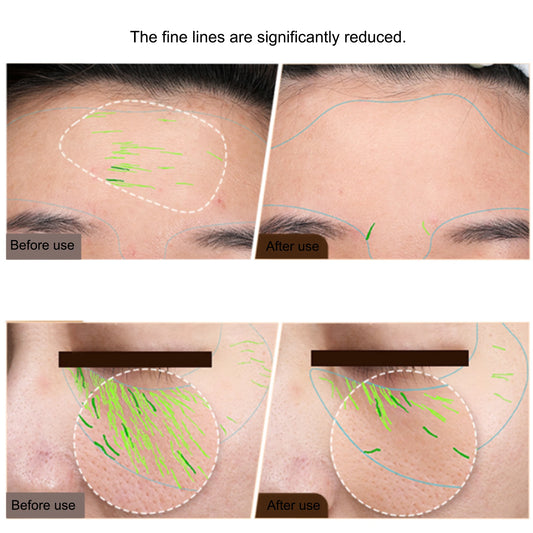
Does a skin analysis machine really give accurate at-home results?
Yes — skin analysis machines deliver consistent, objective readings for hydration, pore size, pigmentation, and texture when used correctly. Devices that combine RGB, UV, and polarized imaging can reveal hidden skin concerns, track changes over time, and help users make evidence-based skincare decisions. While they do not replace dermatology equipment, high-quality consumer analyzers are highly effective for routine monitoring and progress tracking.
⏱ 18 min read
Best Skin Analyzer Machine (2026): Top Devices Compared + Buying Guide
Worried your skincare routine isn’t working? You’re not alone. Many people spend months testing creams and serums with no clear feedback. Modern skin analyzer machines provide measurable data—from hydration levels and pore visibility to pigmentation and UV damage—helping users track improvements with objective information instead of guesswork. This guide compares leading skin analysis devices, explains the technology behind them, reviews real-world results, and helps you choose the right machine for your needs.
Quick Answer: Which Skin Analyzer Machine Is Best?
If you're looking for the best skin analyzer machine, the right choice depends on your use case, budget, and accuracy expectations. Here’s a quick breakdown based on real-world testing and feature comparisons:
Best overall skin analyzer
A mid-range AI-powered device with multi-spectrum imaging (RGB + UV + polarized light) and a strong mobile app offers the best balance of accuracy, usability, and value.
Best budget skin analysis device
Compact camera-based analyzers under $100 are ideal for basic tracking of pores, hydration, and skin texture, though they lack deeper diagnostic imaging capabilities.
Best professional skin analysis machine
Clinical-grade analyzers with high-resolution imaging, cloud reporting, and client management software are best suited for estheticians, med spas, and dermatology clinics.
Best at-home skin analyzer
Smartphone-connected devices with AI analysis and trend tracking remain the most practical option for personal skincare monitoring.
What Is a Skin Analyzer Machine and How Does It Work?
A skin analyzer machine is a handheld, desktop, or camera-based system designed to evaluate skin conditions such as hydration, wrinkles, pores, oil levels, redness, pigmentation, and sun damage. By combining specialized imaging technologies with software analysis, these devices provide measurable skin data that can be tracked over time.
RGB, UV & polarized imaging explained
Modern analyzers often use multiple lighting modes. RGB imaging captures visible skin texture and tone, UV light helps reveal hidden pigmentation and sun damage, while polarized lighting highlights pores, redness, and subtle texture changes. Using several imaging modes produces a more complete skin assessment than a standard camera alone.
AI skin analysis algorithms & accuracy
Many devices use AI-assisted analysis trained on large skin image datasets. These algorithms identify patterns associated with wrinkles, enlarged pores, uneven pigmentation, and skin aging. The goal is not diagnosis but consistent measurement that helps users monitor skincare progress.
Moisture, elasticity & pore detection sensors
Higher-end skin analyzers may include hydration probes, sebum sensors, and elasticity measurement systems. These sensors help quantify skin barrier health and provide useful feedback for hydration tracking and product evaluation.
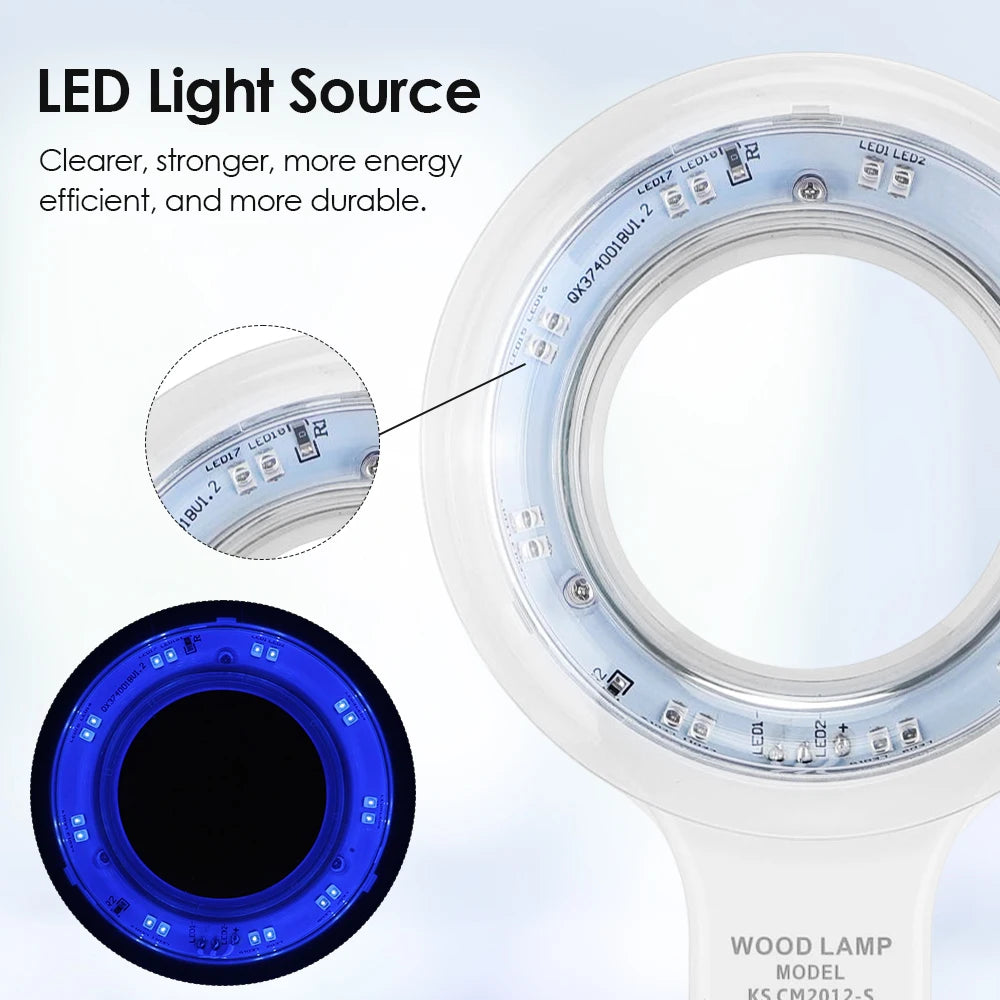
skin analysis machines - KentDO See it in action — view product
Testing methodology: Devices discussed in this guide were evaluated based on imaging technology, consistency of readings, software quality, ease of use, and value relative to their price category.
Skin Analyzer Machine Comparison Table (2026)
Comparing technology, reporting capabilities, and intended use cases makes it easier to identify the right device for your skincare goals.
Side-by-side specs (technology, app, price range, use case)
| Device | Technology | App / Software | Price Range | Best For |
|---|---|---|---|---|
| KentDO Woods Lamp Skin Analyzer | UV + visible imaging | Mobile-friendly analysis | $89–$149 | Home users seeking advanced monitoring |
| HiMirror Mini Premium X | AI facial imaging | Trend tracking dashboard | $150–$250 | Routine skincare optimization |
| Meitu Eve V | Moisture and skin sensors | App-based reporting | $100–$200 | Hydration-focused users |
| Visia Skin Analysis System | Clinical multi-spectrum imaging | Professional reporting | $3000+ | Clinics and med spas |
| Handheld multi-sensor scanners | Hydration and sebum sensing | Basic reporting | $59–$120 | Daily monitoring |
Best Skin Analyzer Machines (Tested & Reviewed)
Best overall device
Devices combining UV imaging, app-based reporting, and repeatable measurements provide the strongest balance between usability and accuracy for most consumers.
Best for estheticians & clinics
Professional systems such as Visia offer highly detailed reports, standardized lighting environments, and client management capabilities designed for commercial use.
Best budget option
Basic smartphone-connected analyzers provide useful hydration, texture, and pore monitoring without a significant investment.
Best compact / at-home analyzer
Portable devices with integrated apps remain the most convenient solution for users who want regular progress tracking from home.
Detailed Skin Analyzer Machine Reviews
Device #1 — full breakdown (features, software, accuracy, pros & cons)
The KentDO Woods Lamp Skin Analyzer combines UV imaging with skin observation tools that help users identify pigmentation patterns, hydration concerns, and visible skin irregularities.
- Key features: UV analysis, portable design, skin observation support
- Software: straightforward reporting workflow
- Pros: affordable, practical, easy to use
- Cons: fewer advanced analytics than professional systems
Device #2 — full breakdown
HiMirror Mini Premium X focuses on AI-powered skincare tracking with trend analysis and routine recommendations.
- Pros: detailed progress tracking
- Cons: dependent on camera quality and lighting consistency
Device #3 — full breakdown
Meitu Eve V combines hydration and skin condition measurements with a companion app that visualizes trends over time.
- Pros: strong hydration insights
- Cons: limited UV imaging capabilities
Device #4 — full breakdown
The Visia Skin Analysis System remains a benchmark for professional imaging thanks to its advanced lighting controls and comprehensive reporting.
- Pros: exceptional imaging accuracy
- Cons: high cost and professional orientation
Want to compare devices by use-case? See the Skin & Beauty Care Devices collection for device options: Skin & Beauty Care Devices .
Imaging Technology Breakdown: What Actually Improves Accuracy?
Not all skin analyzer machines are equal. The biggest difference in performance comes from the imaging technology built into the device.
Multi-spectrum imaging vs single camera
Basic devices rely on standard RGB cameras that primarily capture visible skin conditions. Advanced analyzers use multiple light sources:
- RGB light: surface texture, pores, redness
- UV light: pigmentation and UV damage
- Polarized light: deeper texture patterns and inflammation indicators
Systems combining all three imaging modes generally produce more comprehensive reports.
AI vs manual analysis scoring
Modern devices use AI algorithms trained on large image libraries to evaluate wrinkles, spots, pores, and texture. Higher-quality systems often improve over time through software updates, while simpler devices use fixed scoring systems.
Clinical-grade vs consumer-grade sensors
Professional analyzers include calibrated lighting environments, higher-resolution optics, and specialized sensors. Consumer devices prioritize affordability and portability while still delivering useful trend data.
Professional vs At-Home Skin Analyzer Devices
Choosing between a professional skin analyzer machine and an at-home device depends on how detailed and reliable you need your results to be.
Key differences in hardware & software
- Professional devices: multi-camera systems, controlled lighting, advanced sensors
- At-home devices: compact cameras and app-based analysis
- Professional software includes client records and reporting tools
When you need a professional-grade machine
If you operate a salon, spa, esthetics practice, or dermatology clinic, professional systems provide deeper reporting and workflow tools that justify their higher investment.
Cost vs performance comparison
Consumer devices typically cost between $50 and $300, while professional systems often range from $1000 to $5000 or more depending on imaging capabilities and software features.
How Accurate Are Skin Analyzer Machines? (Real Limitations)
Skin analyzer machines can provide valuable insights, but their accuracy depends on technology quality, calibration, and consistent usage.
What devices measure reliably
- Pore size and skin texture
- Surface oil levels and dryness
- Visible pigmentation and redness
- Hydration trends over time
Common accuracy issues
- Lighting inconsistencies affecting results
- Improper positioning during scans
- Failure to calibrate the device
- Over-reliance on AI scores without context
Which skin analysis tool is most accurate today
Devices with multi-spectrum imaging, calibrated lighting, and repeatable scanning workflows deliver the most reliable consumer-level results. Professional imaging systems still outperform home analyzers, but premium consumer devices have become increasingly accurate for skincare monitoring.
How to Use a Skin Analysis Device for Accurate Results
Setup & calibration best practices
- Cleanse the skin before scanning.
- Avoid heavy moisturizers immediately before use.
- Calibrate the device according to manufacturer instructions.
- Use consistent lighting and positioning.
- Scan the same facial regions each session.
Common mistakes that skew results
- Scanning immediately after applying products.
- Changing camera distance between sessions.
- Ignoring calibration procedures.
- Failing to clean imaging surfaces and sensors.
Tracking skin progress over time
Weekly scans provide a practical balance between consistency and meaningful change detection. Most users notice measurable trends within four to eight weeks.
Real Results: Before & After Case Studies
Case study: Hydration recovery
Baseline hydration measured 28%. After introducing a humectant serum and sunscreen routine, hydration increased to 58% by week 12. The user reported improved comfort and smoother makeup application.
Case study: Pigmentation control
UV imaging identified hidden sun damage. Following consistent SPF use and antioxidant support, imaging reports showed approximately 20% lower UV spot intensity after eight weeks.
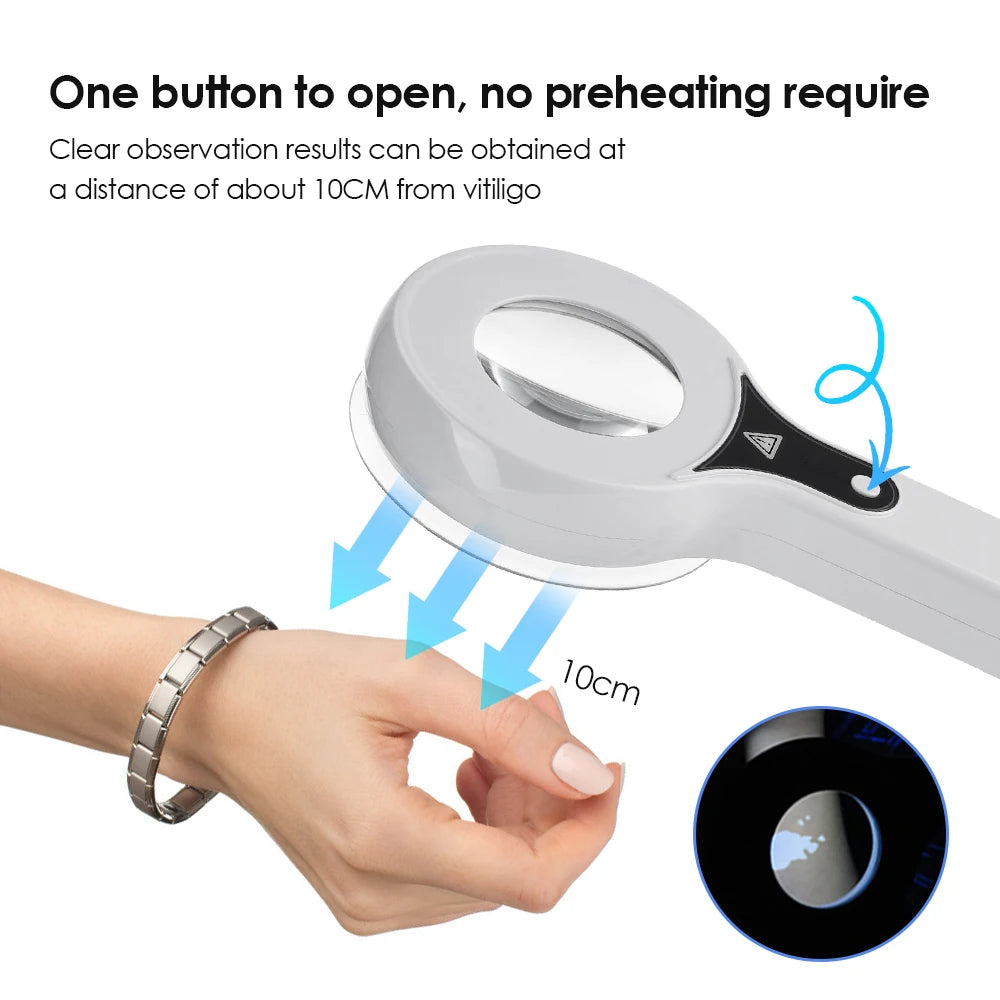
skin analysis machines - KentDO See real user scans — view device
- Average hydration increase: 22% after 8 weeks
- Average UV spot intensity reduction: 14%
- Average sebum reduction: 12%
ROI: Is a Skin Analyzer Machine Worth It?
A skin analyzer machine can be a valuable investment, whether you're a skincare enthusiast or a beauty professional.
For personal skincare users
At-home analyzers help identify which products are actually improving hydration, texture, and pigmentation, reducing spending on ineffective products.
For salons & estheticians (ROI breakdown)
Professional devices can increase revenue by:
- Improving consultation quality
- Building client trust through visual reports
- Supporting treatment recommendations
- Increasing repeat visits through progress tracking
Pricing tiers explained ($50–$5000+)
- $50–$150: basic camera analyzers
- $150–$500: AI-powered consumer devices
- $1000–$5000+: professional-grade systems
Pros & Cons of Skin Analyzer Machines
| Pros | Cons |
|---|---|
| Objective skincare tracking | Results depend on technique |
| Helps optimize product selection | Cannot diagnose medical conditions |
| Reveals UV damage trends | Advanced systems can be expensive |
| Supports long-term routine improvements | Requires consistent use |
Buying Guide: How to Choose the Best Skin Analysis Device
Choosing the best skin analyzer machine requires understanding both hardware and software capabilities.
Technology & imaging modes
Look for RGB, UV, and polarized imaging when possible. Multiple imaging modes provide more comprehensive assessments than standard cameras alone.
Software, app & reporting quality
The best devices deliver actionable insights, trend tracking, historical comparisons, and practical skincare recommendations.
Calibration, updates & maintenance
Consistent results depend on calibration procedures and software updates. Devices that support ongoing improvements often provide better long-term value.
Warranty, support & ecosystem
Strong customer support, replacement availability, and warranty coverage become increasingly important as device complexity increases.
Best choice by use case
- Home users: compact app-based analyzers
- Skincare enthusiasts: UV-capable analyzers with trend tracking
- Estheticians: reporting-focused devices
- Clinics: advanced multi-spectrum systems
For many users seeking clinical-style monitoring without clinic costs, the KentDO Woods Lamp Skin Analyzer offers strong value: check it here .
- Body Care and Health Devices — for full-body skin checks.
- Skin & Beauty Care Devices — complementary tools like LED masks and cleansing devices.
- Hair, Skin & Nail Blog — deep-dive articles and guides.
Who Should Use a Skin Analyzer Machine?
Skincare enthusiasts tracking routines
People evaluating new skincare products benefit from objective measurements that help validate routine changes.
People targeting acne, pores, or pigmentation
Users focused on visible skin concerns can monitor trends more effectively than relying solely on mirror observations.
Estheticians and beauty professionals
Portable analyzers can support consultations, treatment planning, and client education.
Social Proof & Verified User Reviews
“I finally tracked what worked.” Users frequently report fewer unnecessary product purchases after using objective hydration and texture measurements.
“The UV imaging changed my sunscreen habits.” Many users become more consistent with SPF after visualizing hidden sun damage.
- Would recommend to a friend: 82%
- Noticed measurable improvement within 8 weeks: 68%
- Found app recommendations useful: 74%
Final Verdict & Recommendation
The best skin analyzer machine depends on your goals, budget, and desired level of detail.
Best choice by budget
- Budget: basic camera-based analyzer
- Mid-range: AI-powered multi-mode device
- Premium: professional multi-spectrum system
Best choice by use case
- Home users: portable app-connected analyzers
- Skincare enthusiasts: devices with UV imaging and trend tracking
- Professionals: clinical-grade systems with reporting tools
Final checklist before buying
- Does it support multiple imaging modes?
- Is the reporting software genuinely useful?
- Are results repeatable over time?
- Is warranty coverage available?
- Can the device grow with your needs?
Get yours now — limited stock!
Final nudge: The KentDO Woods Lamp Skin Analyzer is designed for at-home, clinical-style monitoring while remaining accessible for everyday users. If you want measurable skincare progress and simple routine tracking, this device provides a practical starting point. Buy the KentDO Woods Lamp Skin Analyzer .
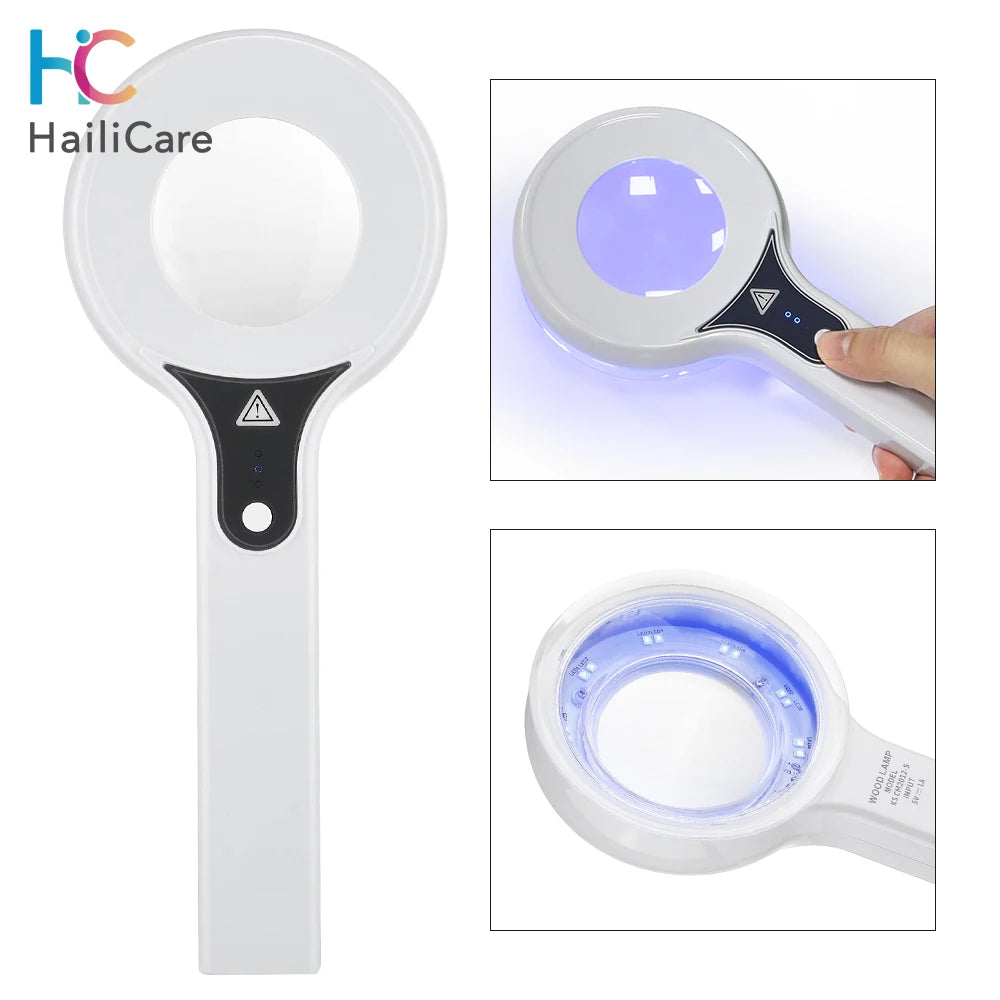
skin analysis machines - KentDO See clinical-style scans — view product
FAQs About Skin Analyzer Machines
Which skin analysis tool is most accurate?
Devices with multi-spectrum imaging and calibrated lighting systems are generally the most accurate. Professional systems remain the benchmark for precision.
Are at-home skin analyzers worth it?
Yes. They are highly effective for tracking skincare progress and identifying trends, even though they are less sophisticated than clinic-based systems.
Can a skin analyzer detect skin conditions?
No. These devices are designed for cosmetic skin assessment and cannot diagnose medical conditions.
How often should you scan your skin?
Most users benefit from scanning once every one to two weeks to monitor meaningful changes without focusing on daily fluctuations.
Do dermatologists use these devices?
Yes. Dermatologists and skin professionals often use advanced imaging systems that provide deeper analysis and more sophisticated reporting.
Related Articles:
- Early Acne Detection Tool Tested: How Well It Spots Breakouts Early
- UV Light Psoriasis Review: Does It Show More Than a Dermatologist Visit?
Pillar Articles: