

Does a self skin exam really reveal early skin issues?
A self skin exam can quickly highlight unusual spots, discoloration, and early signs of skin conditions, giving you faster clarity at home. Using reliable devices, you can monitor changes regularly, helping you detect problems early without waiting for a professional visit.
Self Skin Exam Tools Ranked: Which Ones Reveal Problems Fast?
⏱ 7 min read
If you’ve ever tried a skin condition self check at home, you know how confusing mixed results can be. Today’s new scanning devices promise clearer insights, faster readings, and fewer guesswork moments—yet which ones actually deliver real accuracy and which just look high tech? Let’s break down the truth you won’t hear elsewhere.
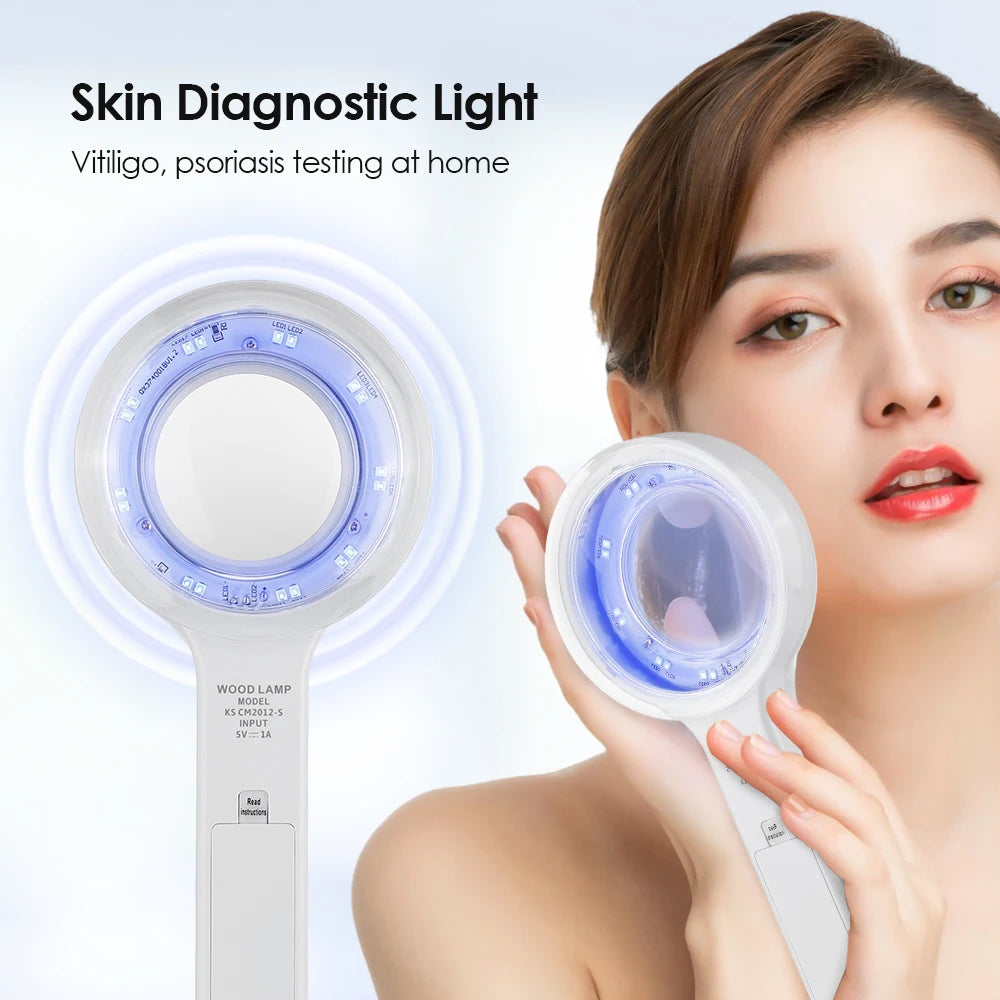
💡 See it in action: self skin exam device at home
Top Self Skin Exam Tools Compared
A self skin exam can range from simple mirrors to advanced devices that analyze skin layers under UV or LED light. Here’s a breakdown of the top tools currently available:
| Device | Type | Best For | Accuracy | Pros | Cons |
|---|---|---|---|---|---|
| KentDO™ Woods Lamp Skin Analyzer | UV LED Scanner | Spots, early acne, pigmentation | High | Clear imaging, fast readings, portable | Requires dark environment, learning curve |
| Handheld Dermatoscope | Magnified Camera | Moles, texture irregularities | Medium-High | Detailed close-ups, portable | Needs smartphone, limited full-face scan |
| LED Skin Scanner Pads | Flat Sensor Pad | Hydration, oil levels | Medium | Quick, non-invasive, simple | Limited detection of pigmentation or lesions |
How to Use Self Skin Exam Tools Effectively
Knowing how to operate these tools maximizes their accuracy and usefulness.
- Clean your skin before scanning to remove oils or makeup.
- Use consistent lighting—UV-based tools often need a dim environment.
- Focus on areas prone to sun exposure, pigmentation, or acne.
- Take photos at regular intervals to track changes.
- Combine device readings with visual self checks for better accuracy.
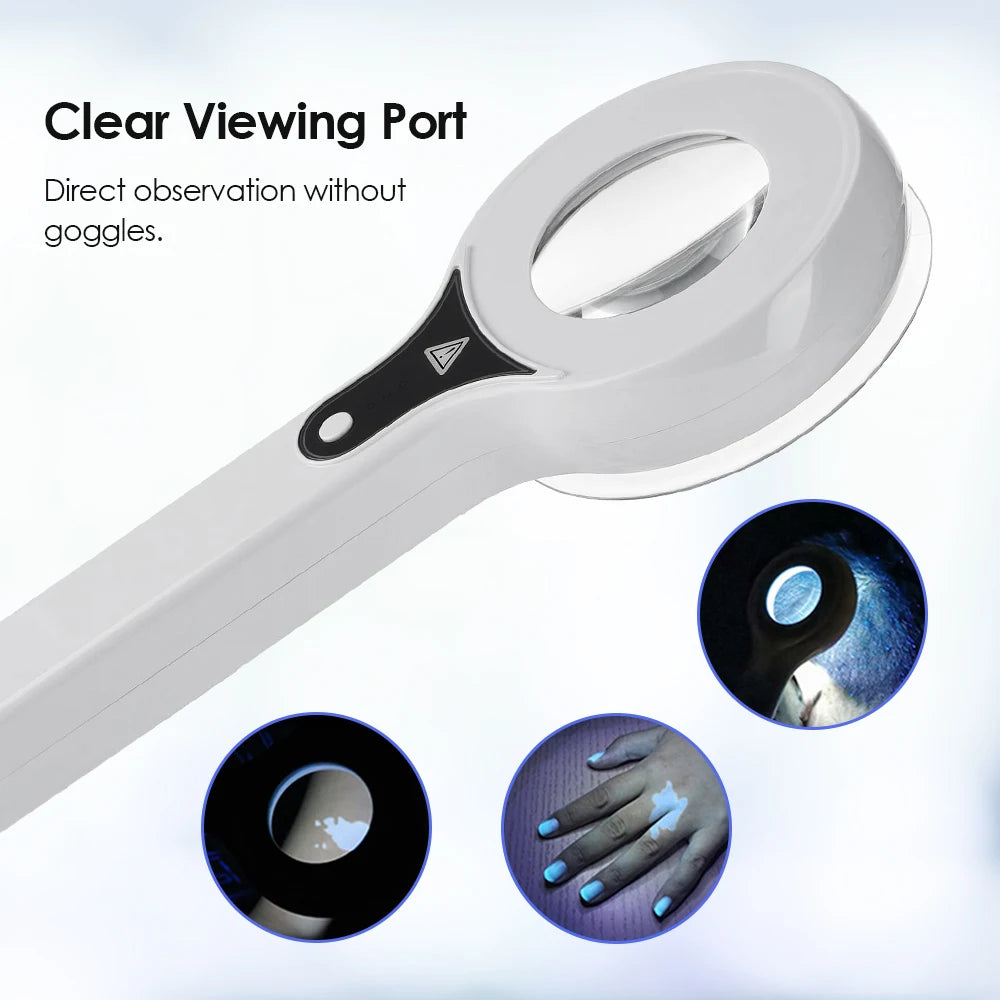
💡 Track skin changes regularly using self skin exam devices
Pros and Cons of Popular Devices
Each device offers unique benefits, but also comes with limitations:
- KentDO™ Woods Lamp Skin Analyzer: ✅ High accuracy ✅ Easy-to-read UV scans ❌ Dark room needed
- Handheld Dermatoscope: ✅ Detailed images ✅ Portable ❌ Requires smartphone app
- LED Skin Scanner Pads: ✅ Quick hydration and oil check ✅ Non-invasive ❌ Limited pigmentation detection
Step-by-Step Home Skin Check Guide
Follow these steps for a thorough self skin exam at home:
- Set up your device according to manufacturer instructions.
- Examine face, neck, and arms first, using mirror and device.
- Document any unusual spots, discoloration, or bumps.
- Compare readings week-to-week to notice changes.
- If significant changes appear, consult a dermatologist promptly.
Real User Reviews & Social Proof
Thousands of users have improved early detection of skin conditions using reliable devices:
- "The KentDO Woods Lamp gave me instant clarity on my acne-prone areas. I could track changes without guessing." — Sarah J.
- "I never realized certain pigmentation patterns until I tried the UV scanner. It’s surprisingly accurate." — Mark T.
- "Using a handheld dermatoscope alongside my weekly checks made me confident to see a dermatologist early." — Lisa K.
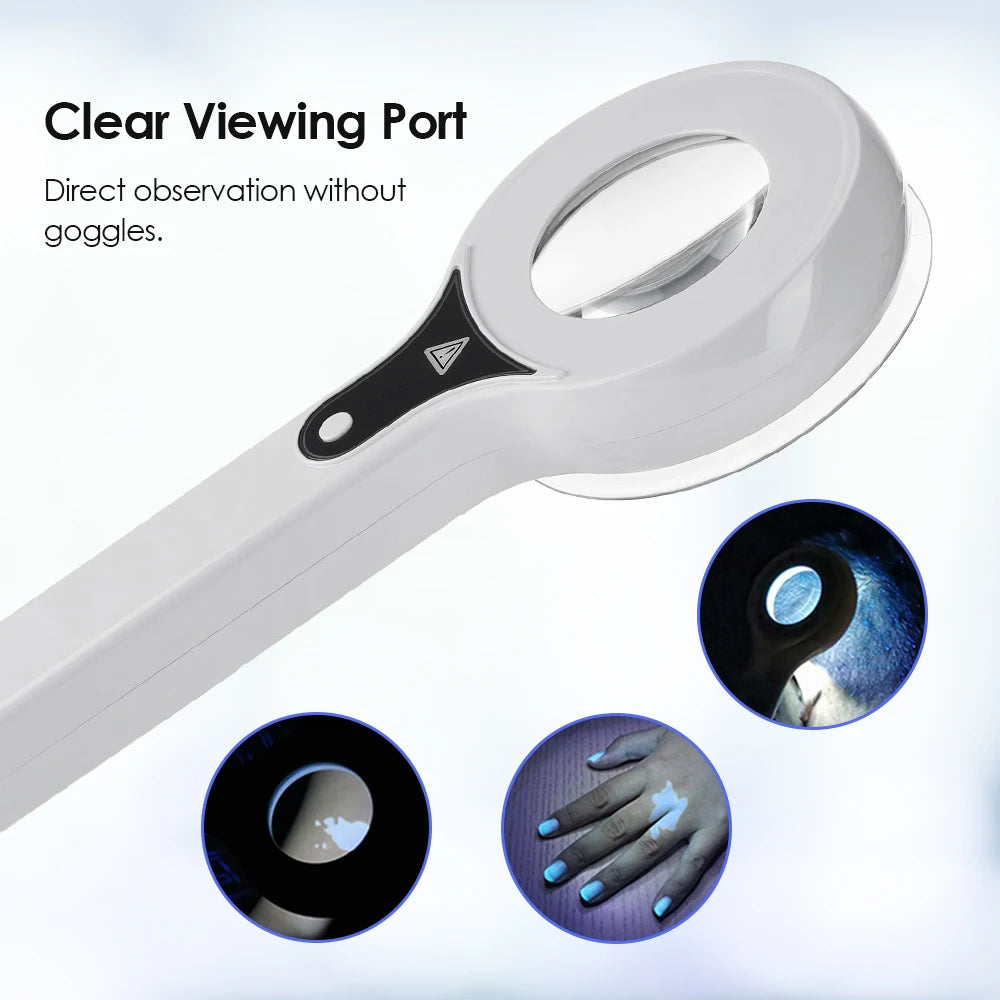
💡 Track your skin health consistently with self skin exam tools
FAQs About Self Skin Exam Tools
Related Articles:
- Early Acne Detection Tool Reviews: Best Options for Clearer Skin
- Skin Condition Self Check Devices: What Works for Real Accuracy?
- Self Skin Exam Tools Ranked: Which Ones Reveal Problems Fast?
- Best UV Light for Psoriasis: What Actually Shows Early Symptoms?
- Woods Lamp Testing Review: Top Picks That Show Hidden Skin Damage
Pillar Articles:













