

Does a foot file for callus removal really work?
A foot file for callus removal can quickly reduce thick, rough patches when used correctly. A safe foot file gently buffs away hardened skin without over-exfoliating, improving texture within one to three sessions while preserving healthy skin layers — ideal for at-home heel care when paired with simple aftercare.
⏱ 8 min readFoot File for Callus Removal: How to Buff Without Over-Exfoliating
Using a foot file for callus removal is the quickest way to smooth rough heels at home — if you pick a safe foot file and follow a gentle, staged routine. This guide shows easy steps, compares tools, and explains how to avoid over-exfoliation so you get soft feet without irritation.
Curious which approach fits your routine? Read the quick comparison below and pick a safe foot file for callus removal that suits your lifestyle.
Why do calluses form — and when should you file them?
Calluses are thickened skin caused by repeated friction or pressure. They protect underlying tissue but become uncomfortable and unsightly when they harden into rough, cracked patches. Filing helps when calluses limit comfort walking or create splits; avoid aggressive scraping on inflamed or broken skin.
Which style suits you best? Read on!
When to see a professional
- If you have diabetes, reduced circulation, or numbness — consult a clinician first.
- If skin is bleeding, extremely painful, or infected, stop filing and seek care.
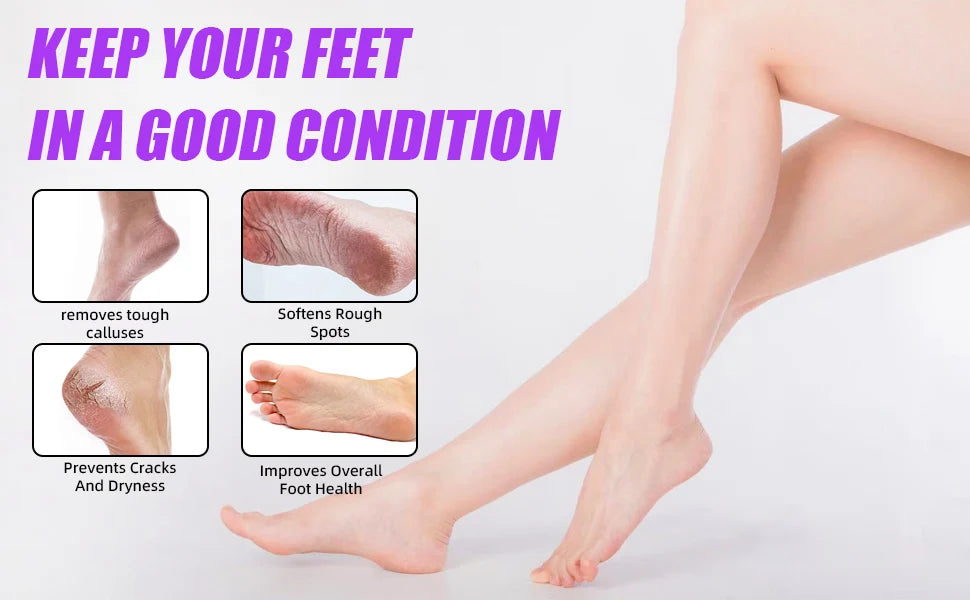
foot file for callus removal - KentDO 💡 See it in action — gentle, controlled exfoliation.
Which foot file should you choose?
Short answer: Choose a tool described as a safe foot file or professional foot file callus remover with graded abrasives or adjustable speeds; match grit to skin thickness.
Common options
- Manual metal or pumice files — durable, good for moderate calluses but require technique to avoid over-filing.
- Emery/sanding foot files — low-tech and effective when used lightly.
- Electric files or rollers — offer speed and consistent pressure; best when they have multiple grit discs and safety guards. Example product: electric-foot-file-pro.
Direct answer: How a foot file helps
A foot file for callus removal gently abrades hardened skin layers, turning thick build-up into smooth skin when used 1–2 times per week. Consistent, short sessions preserve healthy tissue while improving texture and comfort.
Quick start routine: Buff safely at home
Follow this beginner-friendly sequence to get softer heels without irritation.
- Soak feet 5–10 minutes in warm water to soften callus (optional: add mild soap).
- Dry feet; mark problem areas mentally and start on low-abrasion setting or coarse side only briefly.
- Use gentle, short strokes; check progress often — stop when skin looks smoother, not raw.
- Rinse, pat dry, and apply a rich moisturizer or occlusive like petroleum jelly before bed.
Detailed routine above + professional tips below to keep results long-lasting.
Pro-level steps for lasting results
For thicker calluses, add a measured, repeatable plan: treat, maintain, protect.
4-week maintenance plan
- Week 1: Two short sessions with low to medium grit — focus on edges.
- Week 2: One session, reduce contact time; start intensive moisturization.
- Week 3–4: Weekly touch-ups only; protective in-soles or supportive shoes reduce recurrence.
Aftercare: seal the improvement
Moisturize nightly with a thick cream and consider breathable socks. For deep cracks, use an occlusive product overnight and wear cotton socks to lock in moisture.
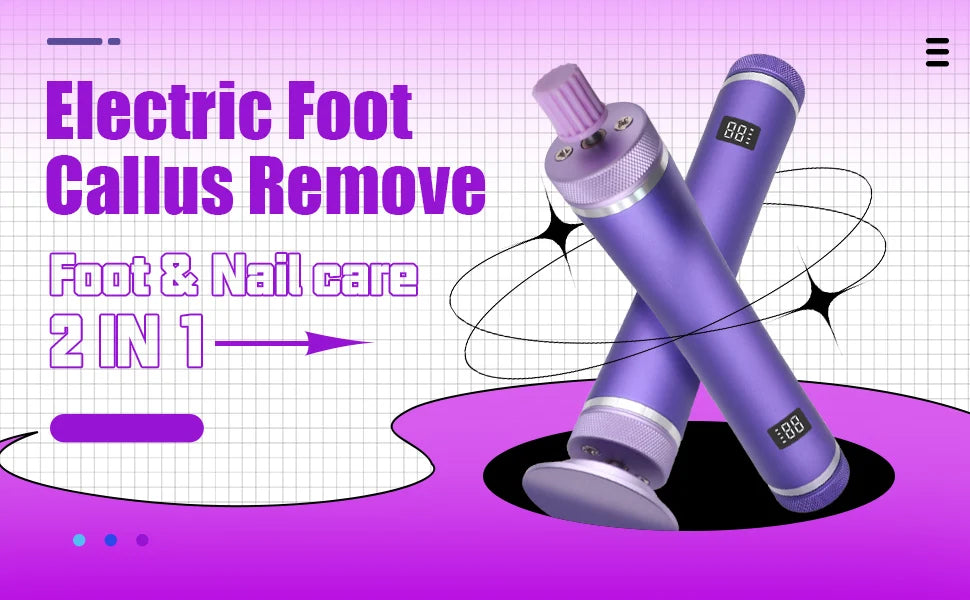
foot file for callus removal - KentDO 💡 See it in action — precise removal, gentle on skin.
Compare: manual vs electric foot files — which wins?
Manual files give control and low cost; electric files deliver consistency and speed. Pick electric for regular heavy-duty use, manual for light maintenance and travel.
| Feature | Manual file | Electric file |
|---|---|---|
| Speed | Slower | Fast, repeatable |
| Control | High (pressure varies) | Consistent pressure with technique |
| Use case | Light maintenance | Moderate to heavy calluses |
| Ease of cleaning | Easy | Replaceable heads; needs drying |
If you want a controlled, home-grade device, see electric-foot-file-pro for replaceable discs and adjustable speed settings — useful for varying skin thicknesses.
Pros & cons of safe foot file choices
Pros ✅
- Quick visible smoothing
- Cost-effective compared to salon visits
- Easy to build into weekly routine
- Many electric models include safety guards
Cons ❌
- Risk of over-exfoliation if used too long
- Not suitable for open wounds or severe medical conditions
- Some tools can be noisy or require replacement parts
Proof: real results and social feedback
Users often notice softer skin after 1–2 gentle sessions. Testimonials commonly highlight convenience and speed compared to scrubs or peels:
“After two weeks of using a gentle foot file twice weekly, my heels felt smoother and I stopped getting painful cracks.” — A verified user
For those who want a reliable device, the electric-foot-file-pro is designed for home use with multiple grit options — helpful for people who need a professional foot file callus remover at home.
Cross-sell
Explore complementary care tools in Body Care and Health Devices and replenishing treatments in Skin and Beauty Care Devices to keep results lasting longer.
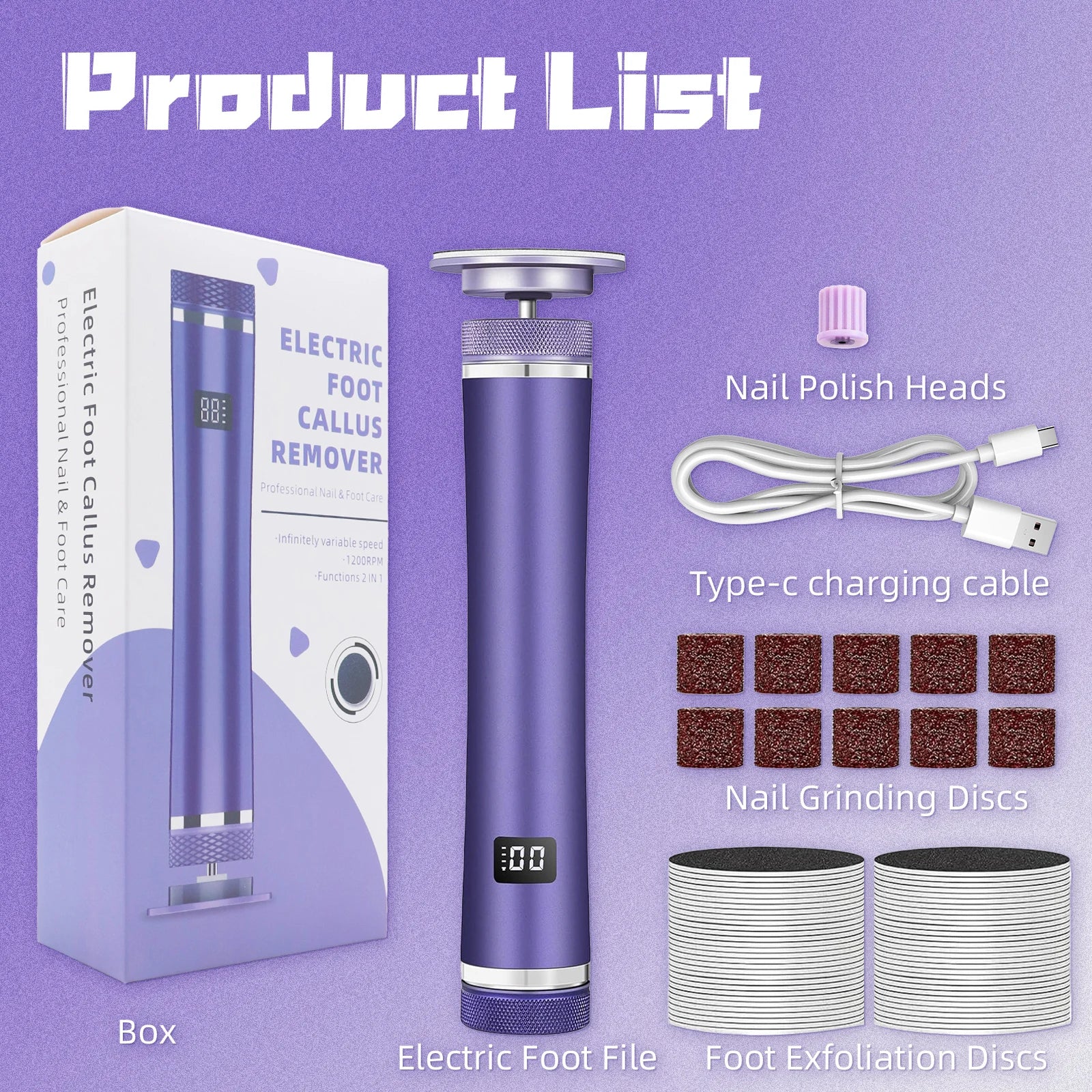
foot file for callus removal - KentDO 💡 See it in action — reliable, comfortable results.
Safety tips: avoid over-exfoliation
- Limit each session to a few minutes per foot — less is more.
- Use light pressure; let the abrasive do the work.
- Avoid filing red, raw, or oozing areas.
- Moisturize immediately after treatment to restore barrier function.
- Replace or sanitize heads per manufacturer guidance.
Mini-FAQ
How often should I use a foot file for callus removal?
Start with once or twice a week for 1–3 minutes per area. Reduce frequency once skin softens to a weekly or biweekly maintenance session.
Can I use a foot file after an exfoliating peel?
No — avoid additional mechanical exfoliation for at least two weeks after a chemical peel to prevent irritation or damage.
Is an electric file better than a pumice stone?
Electric files offer speed and consistent abrasion; pumice stones are low-tech and gentle. Choose based on callus severity and your comfort with the device.
Ready to upgrade your foot care? Try a professional foot file callus remover at home: electric-foot-file-pro.
Final notes: make it part of a simple self-care ritual
Mild, regular use of a foot file for callus removal, followed by consistent moisturization and supportive footwear, keeps heels smooth without damaging healthy skin. Pair your tool with targeted creams and occasional professional checkups if you have medical concerns.
Want more care ideas and device guides? Browse related reading in the Beauty & Self-Care Blog and product collections like Nail Care Devices.
Pillar Article: How to Use Callus Remover Safely for Smooth Feet Every Week
Other Related Articles:
- Rough Feet Exfoliation Fix: A Simple Routine for Softer Heels
- Home Treatment for Calluses: Step-by-Step Methods That Work Fast
- How to Remove Calluses From Feet Permanently: Top Methods Reviewed
Explore More:













