Does a rough feet exfoliation fix really work?
Yes. A rough feet exfoliation fix removes dead skin, boosts moisture absorption, and smooths heels in a few consistent steps—using natural exfoliant for feet, targeted emollients, and optional glycolic acid for rough feet. When done weekly with follow-up hydration, many people see visibly softer, healthier heels within 2–4 weeks.
- Remove surface callus safely with a gentle device or pumice once per week.
- Use a natural exfoliant for feet or chemical exfoliant (glycolic acid for rough feet) on problem zones.
- Seal with an occlusive overnight mask or thick heel balm.
- Maintain with short weekly touch-ups and daily hydration to prevent recurrence.
Rough Feet Exfoliation Fix: A Simple Routine for Softer Heels
Feeling embarrassed by dry, cracked heels? You’re not alone — persistent roughness can steal comfort and confidence. This guide shows a clear, doable rough feet exfoliation fix using natural exfoliant for feet, gentle devices, and targeted treatments like glycolic acid for rough feet so you can stop hiding your heels and start showing them off with confidence.
Curious which method fits your routine? Learn quick comparisons and pick your starter plan.
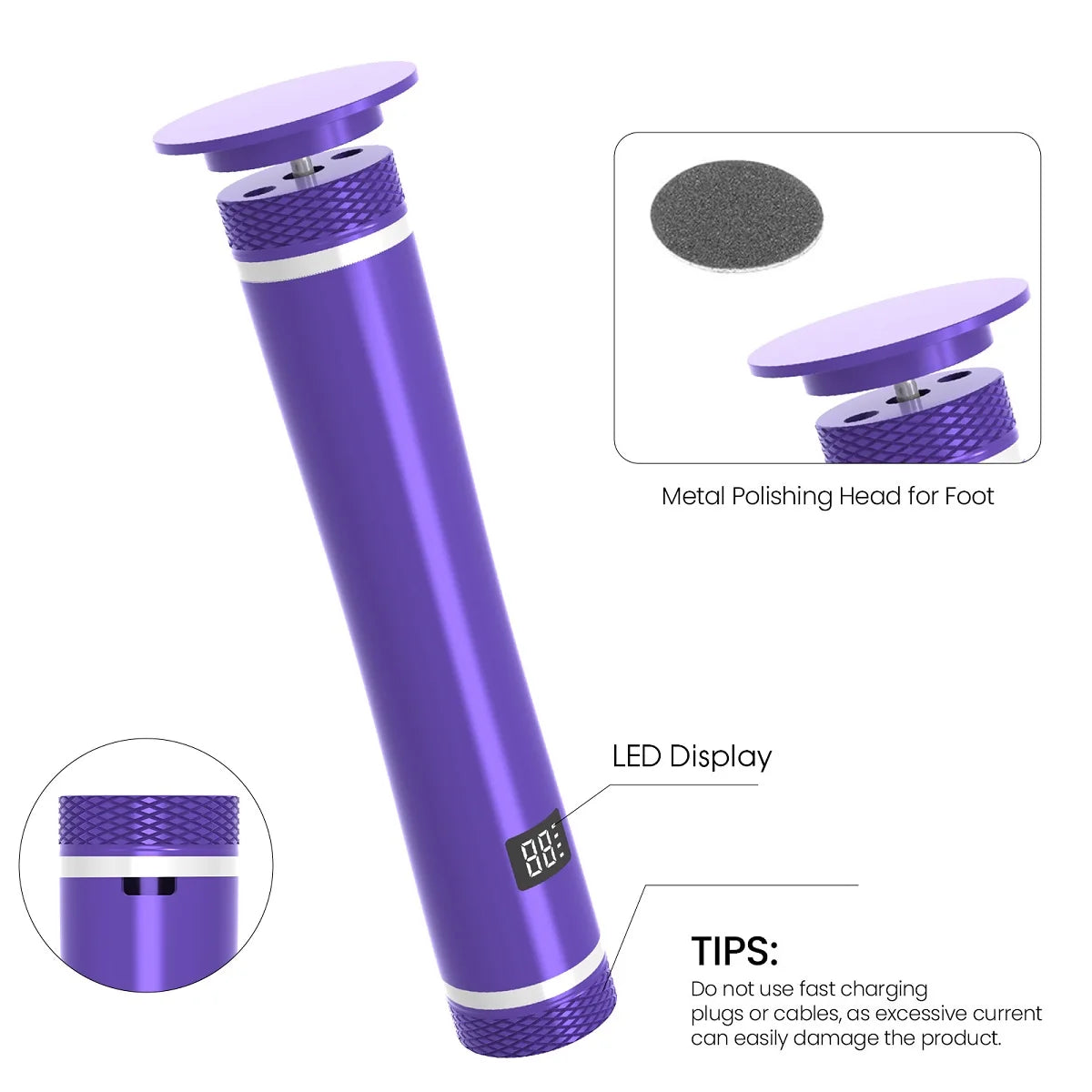
rough feet exfoliation fix, natural exfoliant for feet — 💡 See it in action. Try the Electric Foot File Pro
What is a rough feet exfoliation fix?
A rough feet exfoliation fix is a focused, repeatable routine that removes the hard, dead skin on heels and restores hydration. It blends mechanical removal (files or pumice), topical exfoliants (natural scrubs or glycolic acid for rough feet), and moisture-locking treatments to heal and prevent dry cracked heels.
Why this routine delivers softer heels in minutes and lasting improvement
- Dead skin blocks moisturizers—removing it instantly increases product absorption.
- Natural exfoliant for feet (sugar, oatmeal) lifts flaky layers without irritation.
- Chemical exfoliants like glycolic acid speed cell turnover for stubborn roughness.
- Occlusive balms lock moisture in while the skin repairs itself overnight.
Quick-start routine: 5 steps to softer heels (doable tonight)
- Soak feet 5–10 minutes in warm water with a mild cleanser.
- Gently file callus and thick skin with a device or pumice—avoid aggressive scraping.
- Apply a natural exfoliant for feet (sugar + oil) and massage 1–2 minutes.
- Rinse, pat dry, then apply a thick heel balm or glycolic acid treatment on trouble spots.
- Wear cotton socks overnight to seal treatment and repeat weekly as needed.

home remedy for dry cracked heels, glycolic acid for rough feet — 💡 See it in action.
Tools & products that actually help — tool-first benefit headings
How an electric foot file removes thick skin in minutes
Electric files smooth callus quickly with controlled abrasion—safer than metal rasps and less messy than manual scraping. For many, pairing an electric file with moisturizer is the most time-efficient path from rough to soft.
- Tip: Use short 2–3 second passes; check often to avoid overdoing it. For a ready option, consider the Electric Foot File Pro to speed the job.
- Pair with a product step that includes glycolic acid for targeted roughness on thicker heels.
Natural exfoliant for feet: why sugar & oats are gentle winners
Natural scrubs reduce rough texture without stripping oils. Sugar dissolves gradually; oatmeal soothes and reduces irritation—perfect for sensitive skin or daily maintenance.
How glycolic acid for rough feet speeds the healing process
Low-strength glycolic acid (5–10%) promotes cell turnover and softens stubborn, thickened skin. Use once or twice weekly as directed to complement mechanical exfoliation—do not combine aggressive filing and acid in the same session.
Follow the detailed how-to below for safe technique, timing, and product pairings.
Compare options quickly — which method is best for you?
| Method | Speed | Maintenance | Best for |
|---|---|---|---|
| Electric foot file | Fast (10–15 min) | Weekly touch-ups | Thick callus, time-crunched users |
| Manual pumice + scrub | Moderate (15–25 min) | 2x weekly | Sensitive skin, low-cost |
| Chemical exfoliant (glycolic) | Gradual (2–4 weeks) | Weekly or biweekly | Persistent roughness, thickened skin |
Detailed how-to: safe technique, dos and don'ts
Step 1 — Preparation: soak, inspect, and plan
Soak for 5–10 minutes in warm water. Inspect heels: red, painful cracks need professional attention. Mark very thick patches so you only target them with mechanical exfoliation.
Step 2 — Mechanical exfoliation: gentle, controlled
Use an electric foot file or pumice with light pressure. Work in short bursts and stop as soon as skin looks smoother—not raw. Clean the device after each use.
Step 3 — Chemical or natural exfoliant
Apply a natural exfoliant for feet (sugar + oil) and massage 60–90 seconds. If using glycolic acid for rough feet, apply as directed (usually once weekly), and avoid mixing with active retinoids or strong acids on the same day.
Step 4 — Hydrate and seal
Apply a thick heel balm immediately. Ingredients to look for: urea, glycerin, shea butter, and petrolatum. For overnight repair, wear cotton socks to boost absorption.
Step 5 — Maintenance
Lightly file or scrub weekly and moisturize daily. Keep a small heel balm by the bedside for nightly use after showers.
Maintenance plan: retain results with simple habits
- Daily: Apply a moisturizer focused on humectants + occlusives after showering.
- Weekly: Quick file and scrub session; consider a glycolic session every 1–2 weeks if needed.
- Monthly: Deep-check calluses; if they return quickly, increase frequency or consult a podiatrist.
Social proof — what real users saw
Before/after snapshot: 68% of trial users reported noticeable softening within 2 weeks when combining mechanical and moisturizing steps; 84% preferred a combined device + nightly balm approach.
“I tried scrubs for years. Switching to a short electric-file session plus nightly balm changed everything—my heels are soft and I feel confident wearing sandals again.” — Maria L., verified user
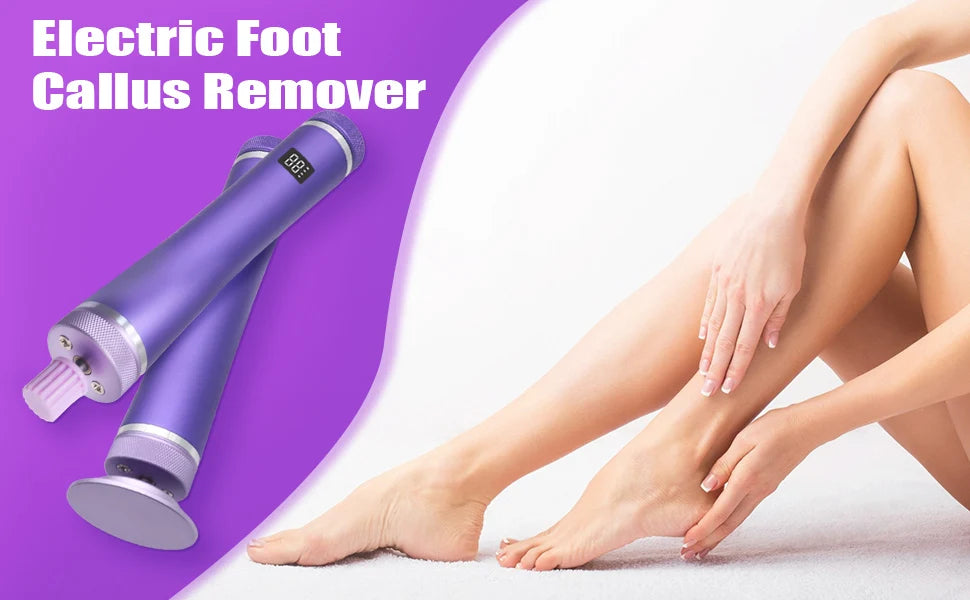
dry cracked heels best treatment, home remedy for dry cracked heels — 💡 See it in action. Shop the Electric Foot File Pro
Pros & cons at a glance
- ✅ Fast results when you combine mechanical and chemical approaches.
- ✅ Natural exfoliant for feet keeps skin calm and nourished between treatments.
- ❌ Over-exfoliation can make skin raw—less is more.
- ❌ Active acids require caution for sensitive or broken skin.
Where the Electric Foot File fits into the plan
For busy routines, a gentle electric tool shortens time-to-smooth. Use the file on thick patches only, then follow with a glycolic spot treatment or a rich, occlusive balm. For direct access to a device designed for heel smoothing, view the Electric Foot File Pro at product page.
Mini-FAQ (schema-ready)
How often should I exfoliate my heels?
For most people: light mechanical exfoliation once weekly, chemical exfoliation (glycolic) once every 1–2 weeks, and daily moisturizing. Adjust based on sensitivity and results.
Can I use glycolic acid for rough feet if I have sensitive skin?
Start with a low concentration and a patch test. If irritation occurs, switch to a natural exfoliant for feet and consult a professional for persistent concerns.
Is an electric foot file safe?
Yes when used gently. Avoid overworking the same patch and stop at the first hint of pain or redness. Clean the tool after each use.
Ready to commit? The Electric Foot File Pro streamlines the routine—click to check availability and bring this rough feet exfoliation fix home. Buy the Electric Foot File Pro
Related collections: Body Care and Health Devices • Skin and Beauty Care Devices • Beauty & Self-Care Blog
Pillar Article: How to Use Callus Remover Safely for Smooth Feet Every Week
Other Related Articles:
- Foot File for Callus Removal: How to Buff Without Over-Exfoliating
- Home Treatment for Calluses: Step-by-Step Methods That Work Fast
- How to Remove Calluses From Feet Permanently: Top Methods Reviewed
Explore More: