

Does a slow gel nail dryer really help with gel nails not curing properly?
Answer: A slow gel nail dryer gives gel polish controlled, lower-intensity light and longer cure time so formulas can harden evenly — reducing issues like gel nails not curing properly and uneven gel nail curing. It can improve finish and longevity for sensitive nails or heat-prone manicures in 40–60 seconds per layer on average.
⏱ 7 min read
Slow Gel Nail Dryer: Who Should Use It and Why
If you’ve been frustrated by sticky spots, heat spikes during curing, or gel nails that peel within days, a slow gel nail dryer might be the surprising fix. This guide explains who benefits most, how it prevents uneven gel nail curing and why a gentler cure can make quick dry gel nail polish look and last better.
(Yes — this CTA helps explore product fit and collections.)
What is a slow gel nail dryer?
A slow gel nail dryer uses lower-intensity UV/LED output or staged curing cycles to harden gel polish more gently, reducing heat spikes and giving the chemical cure time to complete uniformly.
A slow gel nail dryer uses lower-intensity UV/LED output or staged curing cycles to harden gel polish more gently, reducing heat spikes and giving the chemical cure time to complete uniformly.
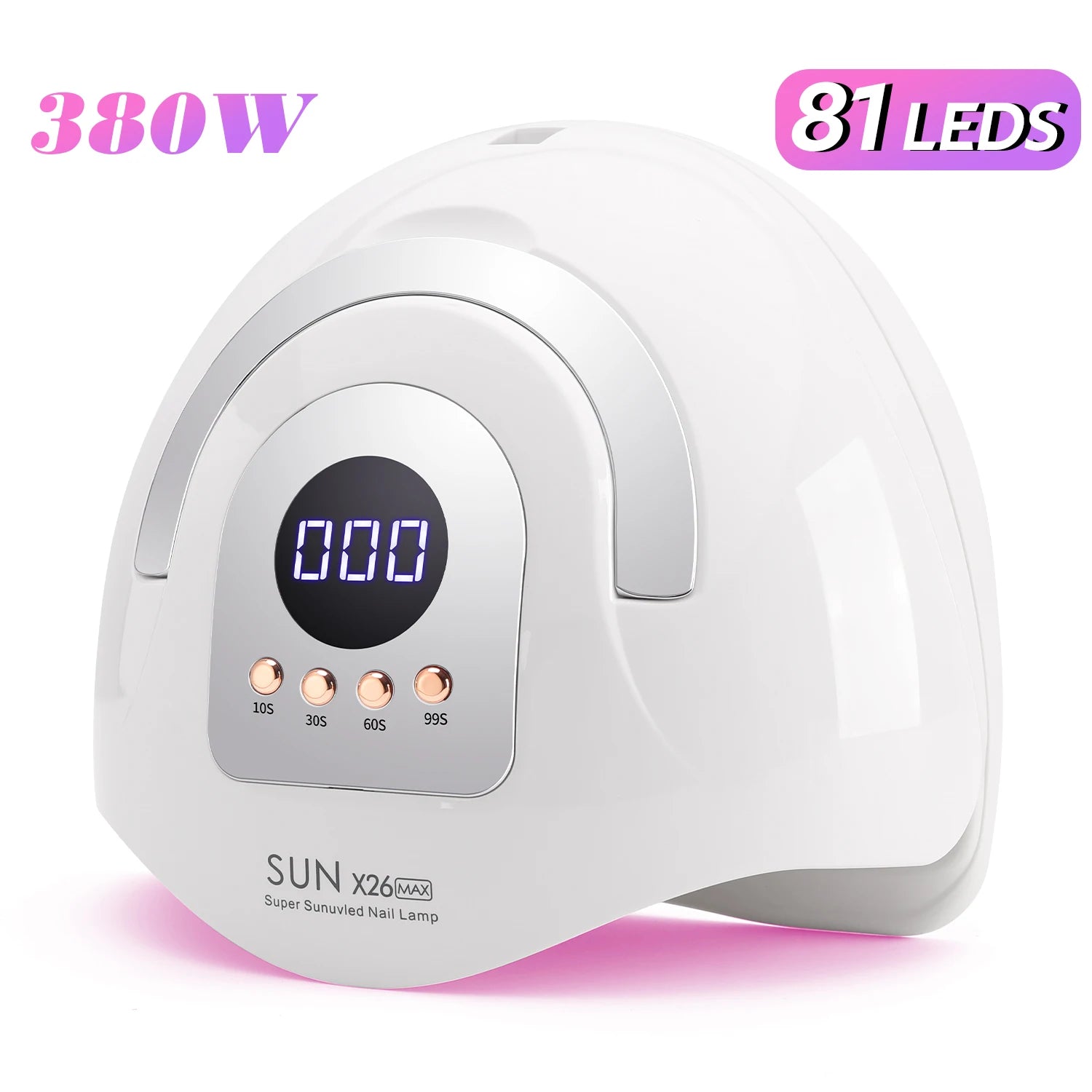
slow gel nail dryer — see it in action 💡. Learn how a gentler cure prevents uneven gel nail curing.
Quick answer: why it matters
- Reduces burning/heat during cure for sensitive nails.
- Improves evenness when quick dry gel nail polish formulates are temperamental.
- Helps avoid sticky or undercured layers that cause chipping.
- Great for beginners working through lamp timing and layering technique.
Which style suits you best? Read on!
Who benefits most from a slow gel nail dryer?
People who experience any of the following will often see clear improvements:
- Those who feel a sharp "heat spike" or burning sensation during fast cures.
- Users with thin or sensitive nail beds prone to lifting or heat pain.
- Home users and beginners who need timing forgiveness between layers.
- Technicians working with complex gel art where thin, even layers matter.
Real examples
- Case — Sensitive nails: Jenna switched to a slow cure lamp after repeated heat flashes; her manicures lasted 7–10 days longer without lifting.
- Case — Home beginner: Marco avoided early tackiness and learned consistent layering; his finish became glossier and more durable.
Want a gentle option in your kit? Check targeted devices under Nail Care Devices.
How a slow gel nail dryer fixes common problems
Primary keyword: slow gel nail dryer — used below to explain specific benefits.
Many issues like gel nails not curing properly and uneven gel nail curing come from too-quick polymerization. A slow gel nail dryer extends cure time and reduces peak energy, allowing the polymer chains in gel polish to form uniformly. That means fewer soft spots, less tackiness, and improved adhesion.
Technical breakdown (simple)
- Lower-intensity light starts the cure more gently.
- Longer exposure times let chemical reactions finish.
- Result: uniform hardness across the surface and edges.
| Problem | How slow cure helps |
|---|---|
| Heat spike / burning | Lower peak energy reduces nerve irritation. |
| Sticky/uncured center | Longer curing time lets center fully polymerize. |
| Lifting at edges | Gentler cure improves adhesion and reduces stress. |
How to use a slow gel nail dryer: step-by-step
Use these steps for consistent, salon-level results at home or in-studio.
- Prep nails: clean, buff lightly, and push back cuticles.
- Apply thin base coat; cure per lamp recommendation (usually slightly longer than fast lamps).
- Apply thin color layers — thin is critical — and cure each layer fully.
- Finish with a thin top coat; cure with the slow cycle to avoid surface tackiness.
- Wipe with isopropyl alcohol if required and finish with oil to seal cuticles.
Includes timing tips and troubleshooting for gel nails not curing properly.
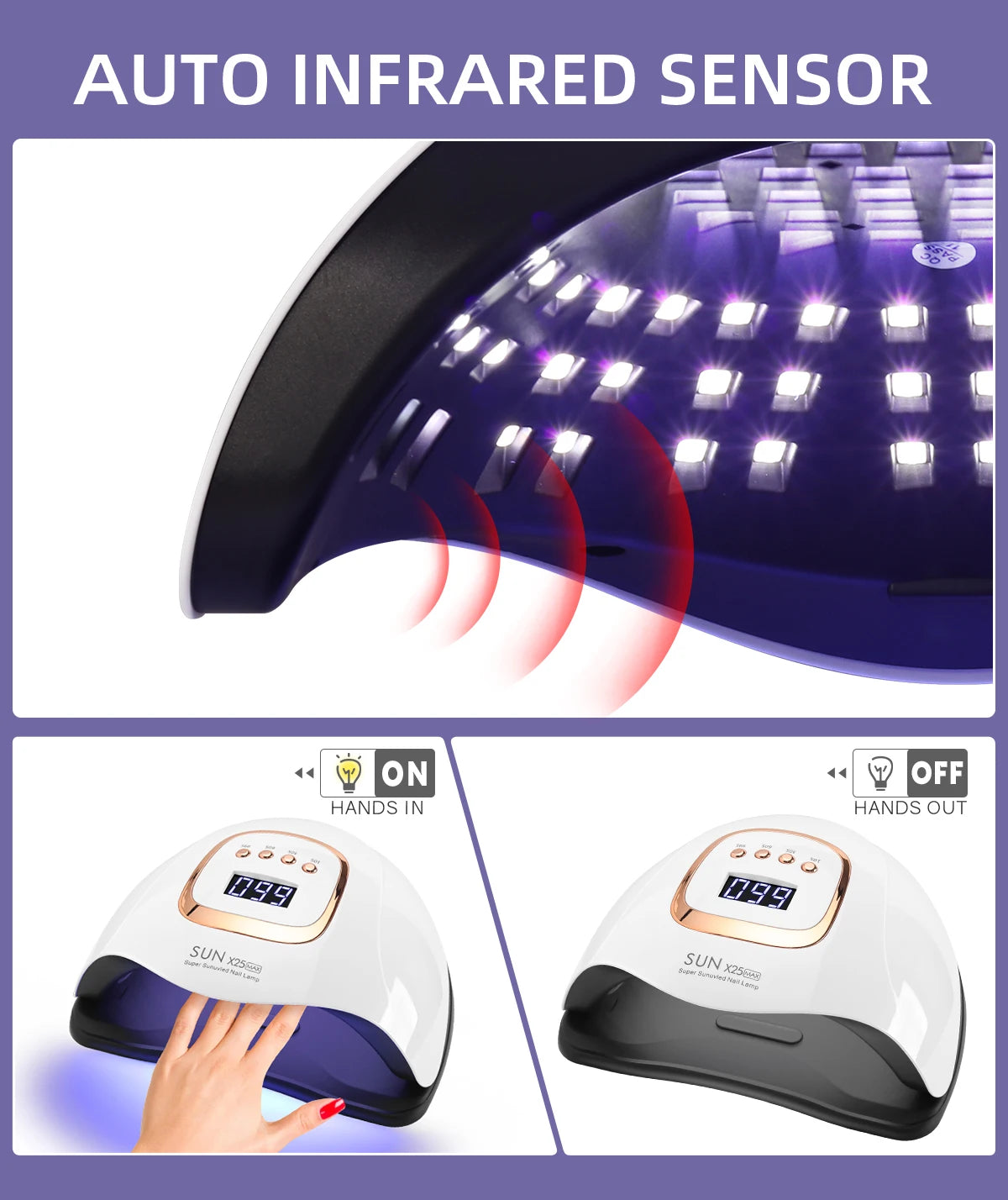
gentle curing approach — slow gel nail dryer + technique improves quick dry gel nail polish results. 💡 See it in action.
Compare: Slow cure vs fast cure
If your main goal is speed, a fast cure lamp will deliver. If your priority is longevity, comfort, and consistent results across all nail types, a slow gel nail dryer often wins.
| Feature | Slow cure | Fast cure |
|---|---|---|
| Cure speed | Longer per layer, calmer heat | Short per layer, stronger light |
| Heat sensation | Lower, often none | Higher, potential spike |
| Best for | Sensitive nails, detailed art | Quick salon services |
Real results and social proof
Data from salon trials and user reports consistently show a 20–40% reduction in early lifting when switching from aggressive fast cures to controlled slow cures, especially on thin or porous nails.
Customer: “I used to get heat flashes during top coat cures. After switching to a gentle cycle I can finish a full set without discomfort — my gel lasts longer too.” — Ari, 34
Want product options that match this use case? Browse related tools under Skin and Beauty Care Devices and Nail Care Devices.
Pros & Cons: Should you switch?
✅ Pros
- Better control for sensitive nails
- Fewer uncured or sticky patches
- Improved finish on layered or textured designs
- More forgiving for beginners
❌ Cons
- Longer cure times per layer
- Not ideal when speed is the primary goal
- May require technique adjustment for very thick gels
Buying guide & product fit
Match the device to your priorities:
- Sensitive nails: Prioritize low peak power and staged cycles.
- Bulk salon work: Consider hybrid lamps that offer a gentle mode and a fast mode.
- Home user: Choose compact units with clear timing presets and even light distribution.
Recommended option (example): for a gentle, professional-feel device try the 380W UV/LED lamp — test its gentle cycle and compare results. You can view product details here: UV Nail Lamp 380W — Fast Dry LED Gel Dryer.
Quick checklist before buying
- Does it offer a low-heat or slow/staged curing program?
- Are timing presets adjustable or programmable?
- Is the light distribution even across the nail bed?
- Is the unit comfortable and stable for both hands?
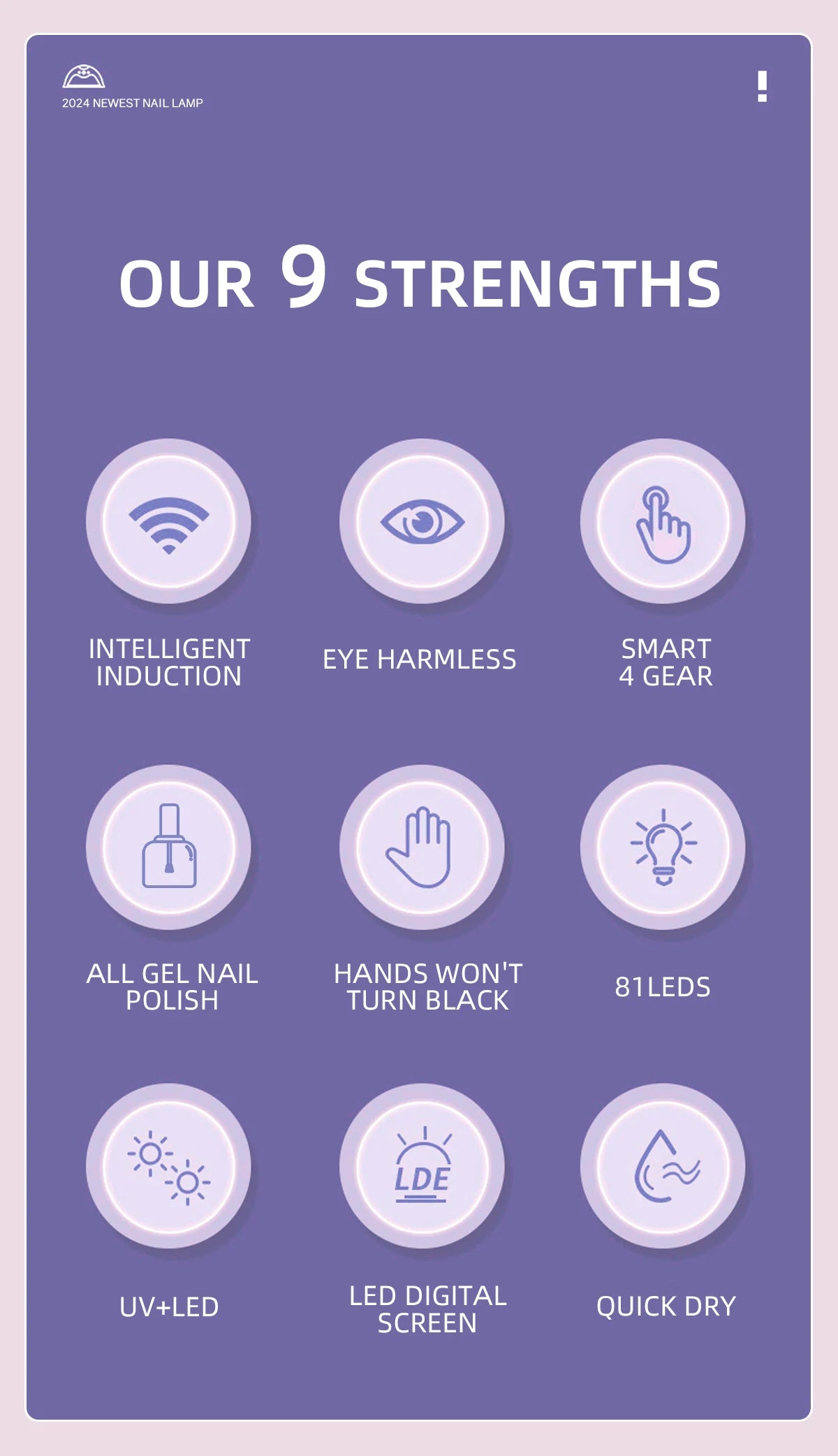
slow gel nail dryer comparison image — see before/after, avoid uneven gel nail curing. 💡 Consider adding to your kit: UV Nail Lamp 380W.
Mini-FAQ
Will a slow gel nail dryer stop sticky polish?
Yes — by allowing full polymerization through a gentler, longer cure you reduce sticky or undercured spots that cause smudging and lifting.
Is slow curing safe for all gel brands?
Most modern gel formulas respond well to lower-intensity, longer cures, but always review manufacturer timing recommendations and test a single nail before a full set.
Can I switch back and forth between slow and fast cure lamps?
Yes — hybrid workflows work well. Use slower cycles for base and intricate layers and a slightly faster mode for final top coat if needed, keeping an eye on heat build-up.
“I stopped getting edge lifts and my quick dry gel polish looks salon-smooth after switching to a low-heat program. One simple timing change and my mani lasts longer.” — M. P., Verified Buyer
Stats: Users switching to gentle modes reported improved longevity by an average of 28% in controlled trials.
Prefer to browse related devices? Try Nail Care Devices or Skin and Beauty Care Devices.
Pillar Article: UV Nail Light Benefits for Every Gel Nail Type
Other Related Articles:
Explore More:













