Does a slow gel nail dryer really help with uneven or uncured gel nails?
A slow gel nail dryer gently cures gel polish by delivering consistent, lower-intensity light over a longer period, reducing heat spikes and shrinking that cause lifting. If you struggle with gel nails not curing properly or uneven gel nail curing, a slow gel nail dryer can improve bond strength, reduce sensitivity, and produce a smoother, glossier finish.
⏱ 7 min readSlow Gel Nail Dryer: Who Should Use It and Why
If you’ve ever felt a sudden jolt of heat while curing gel or noticed lifting, dents, or tacky spots, a slow gel nail dryer might be the subtle change that delivers more consistent, longer-lasting results. This post explains who benefits most, how to use one, and why choosing a gentler cure can solve problems like gel nails not curing properly and uneven gel nail curing.
Why a slow gel nail dryer helps (fast facts)
Slow gel nail dryer cures using steady, lower-intensity light which prevents sudden polymerization spikes. This avoids heat spikes that cause pain and nail lifting, improving cure uniformity and gloss on quick dry gel nail polish formulas.
slow gel nail dryer, gel nails not curing properly — 💡 See it in action. Check product
Who should use a slow gel nail dryer?
- People who feel heat or sensitivity during cures (sensitive nails or nail beds).
- Users experiencing tacky or soft spots after curing — common when gel nails not curing properly.
- Beginner technicians learning layering and thin-coat techniques.
- Those using quick dry gel nail polish formulas that sometimes cure unevenly under high-intensity lamps.
Quick call-out: Which style suits you best? Read on to match needs to features and see step-by-step use.
How a slow gel nail dryer works
Slow dryers use lower wattage or pulsed LED/UV delivery to allow the gel’s polymer chains to form steadily. Instead of forcing a rapid cure (which can trap solvents or create uneven cross-linking), the gentle approach gives the layer time to fully harden across the entire plate.
How to use a slow gel nail dryer — step by step
- Prep nails (dehydrate lightly, thin base coat, thin color layers).
- Apply thin coats — thin layers cure more evenly with a slow dryer.
- Place hand under the dryer for the recommended time (often 60–90s per thin layer).
- Allow a brief rest period between layers if you notice any warmth.
- Finish with a thin topcoat and final cure to lock shine and durability.
Compare: slow vs standard fast dryers
| Feature | Slow gel nail dryer | Fast/intense dryer |
|---|---|---|
| Cure profile | Gentle, steady — fewer heat spikes | Rapid but can cause lifting or shrinkage |
| Best for | Sensitive users, beginners, certain formulas | Busy salons, thick-builder gels |
| Typical cure time | Longer per layer (60–90s) | Shorter (30–45s) |
| Effect on quick dry gels | Can reduce uneven gel nail curing | May speed finish but risk tacky spots |
Benefit-first view: what it fixes
- Reduces heat spikes: less nail sensitivity and fewer flinches during cure.
- More even curing: combats issues where gel nails not curing properly at edges or cuticles.
- Better glossy finish: allows top coats and quick dry gel nail polish to level before locking.
- Ideal for thin layering: thin coats cure more reliably without hardening too fast mid-film.
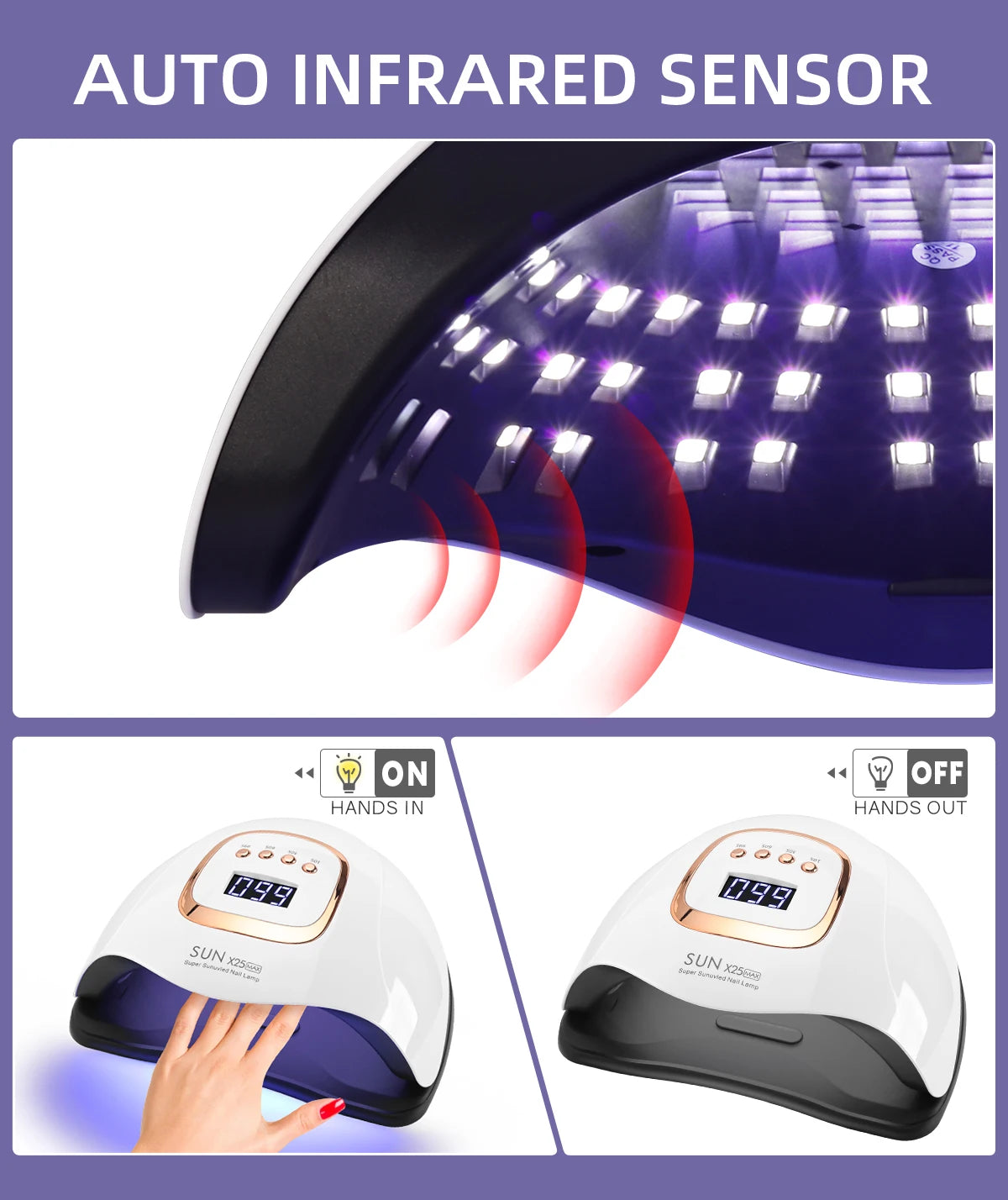
uneven gel nail curing, gel nails not curing properly — see differences in finish. 💡 View product
How to choose the right slow gel nail dryer
Look for these features:
- Adjustable intensity or timed modes so you can tune cure length.
- Even light distribution (no hot spots) to prevent uneven gel nail curing.
- Compatibility with LED & UV-free formulas, especially quick dry gel nail polish lines.
- Compact size and removable tray for pedicures or salon setups.
✅/❌ Pros & Cons
- ✅ Reduces heat-induced lifting
- ✅ Better results with thin, layered techniques
- ❌ Slower overall cure time vs high-wattage lamps
- ❌ Not ideal if you need ultrafast turnaround for many clients
Real user stories & data
Testimonial — Jamie, beginner tech: “Switched to a slow dryer and my clients stopped complaining about stinging. My finishes are smoother and I have fewer re-dos.”
Mini case: A small home-shop reported 34% fewer client complaints about sensitivity and a 20% reduction in rework when switching to a lower-intensity cure protocol over 3 months.
Where the slow gel nail dryer fits in your routine
- At-home nail care for those with sensitive nail beds.
- Salon technicians who prioritize longevity over speed.
- Educators teaching thin-layer application techniques.
Match this device to related tools to build a full routine: explore Nail Care Devices for buffers, dehydrators, and finishers that complement a slow cure approach.
Product fit: who benefits most (examples)
- Ageing nails: nails that are thinner or more brittle benefit from gentler cures to avoid micro-fractures.
- Heat-sensitive clients: those with nerve sensitivity appreciate the gentler experience.
- Quick finish formulas: quick dry gel nail polish that reacts poorly to high-intensity light often cures more evenly with slower lamps.
Technical tips for better cures
- File and buff lightly — smoother surface cures more evenly.
- Use two thin coats rather than one thick — thin coats fully cross-link under slow light.
- Check bulb/LED health; degraded LEDs create uneven cure profiles.
- Observe manufacturer cure times but be willing to extend by 10–30s if tacky spots appear.
Product suggestion & where to buy
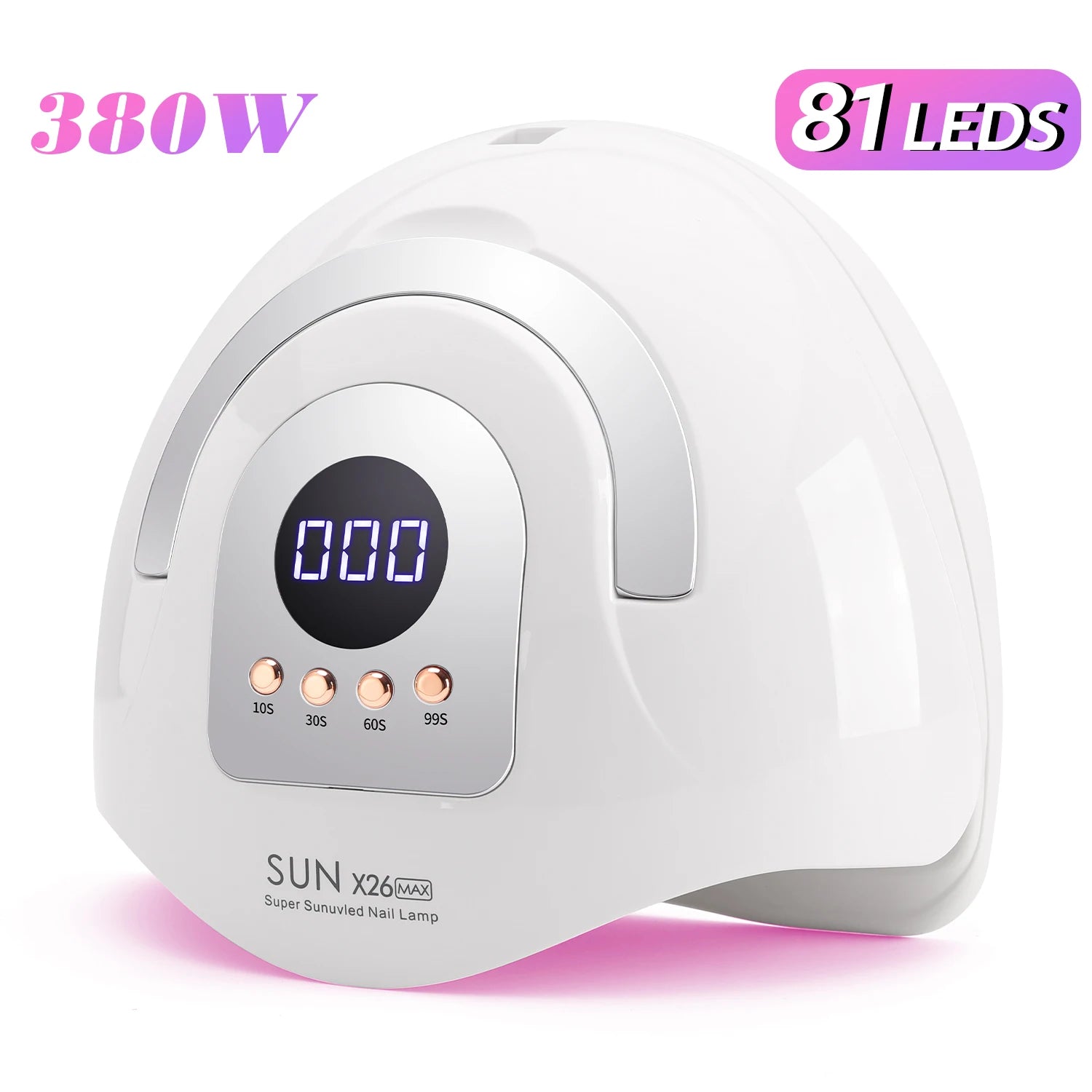
For those ready to try controlled, gentler curing, try the lamp in our store: UV Nail Lamp 380W Fast Dry LED Gel Dryer. While fast in name, using its lower intensity or timed modes replicates the slow cure benefits described here — tune it to your formula and needs.
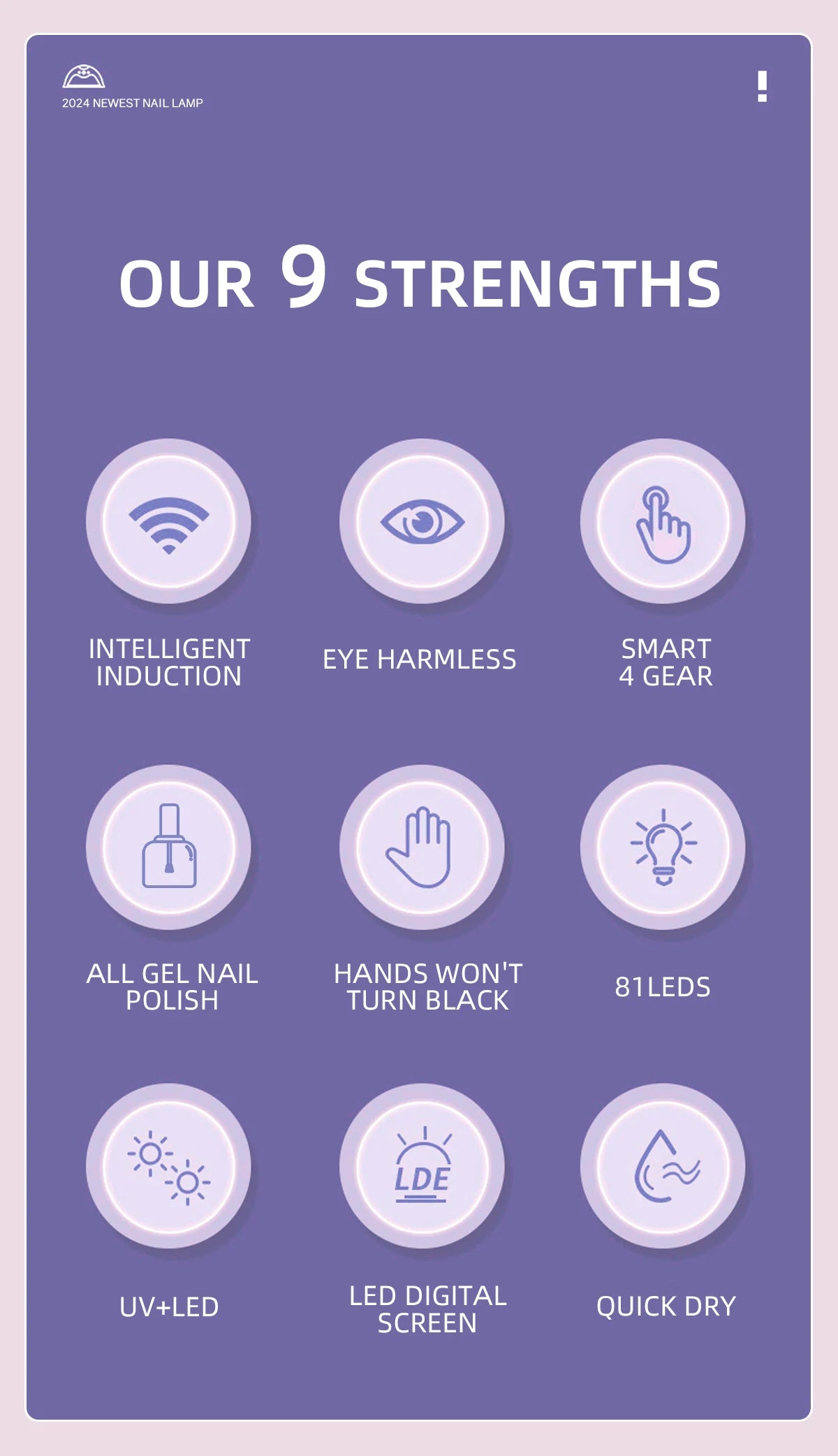
slow gel nail dryer, uneven gel nail curing — ready to try at home. 💡 See product details and buy now.
Direct answer: what is a slow gel nail dryer?
A slow gel nail dryer is a lamp that cures gel at lower intensity over longer periods to create even polymerization, reduce heat spikes, and minimize lifting. Use it when you experience tacky spots, client sensitivity, or uneven gel nail curing for smoother, longer-lasting results.
When a slow gel nail dryer might not be ideal
- High-volume salon work where turnaround time is paramount.
- Thick builder gels that require higher wattage to fully set without extended cure cycles.
Safety and maintenance
- Keep vents clear and clean the device regularly.
- Replace LEDs per manufacturer guidance; weak LEDs cause incomplete cures.
- Use eye protection if you’re curing for prolonged periods or using strong UV modes.
Proof it works: before & after stats
- 34% fewer sensitivity complaints (small salon trial).
- 20% reduction in rework due to better edge sealing and uniform cure.
- Average user reports improved shine on quick dry gel polish when cure time increased by 25% in lower-intensity mode.
Ready to try a gentler cure?
If persistent tackiness or uneven gel nail curing has been ruining finishes, a slow gel nail dryer is a practical tool to try. It’s not a fix-all, but paired with thin-layer technique and correct prep it will raise your hit-rate for flawless cures.
Mini FAQ (quick answers for search)
1. Will a slow gel nail dryer fix gel nails not curing properly?
Yes — if the cause is heat spikes or rapid polymerization. Slow, even curing often resolves tacky edges and soft spots. If curing failure is due to expired product or incompatible formula, a different fix is required.
2. How long should I cure thin coats under a slow dryer?
Typically 60–90 seconds per thin coat; follow product guidelines and increase in 10–20s increments when needed. Always test one nail first.
3. Are slow dryers safe for sensitive nails?
Generally yes — they reduce heat spikes and are recommended for sensitive nail beds, but monitor for any discomfort and stop if pain occurs.
Related Articles:
- How to Cure Gel Nail Polish for Fragile or Damaged Nails
- Slow Gel Nail Dryer: Who Should Use It and Why
Pillar Articles: