

Does an unseen skin issues check really reveal hidden damage?
Answer: An unseen skin issues check uses targeted imaging and nan-level cues to detect pigmentation, dehydration, and sub-surface damage long before they show on the surface. The unseen skin issues check identifies early signs so you can adjust treatment, reduce long-term damage, and measure progress with concrete images and data.
⏱ 8 min readUnseen Skin Issues Check: Tech Features That Reveal Hidden Damage
Worried your daily routine is missing subtle signs of damage? An unseen skin issues check can uncover pigmentation, dehydration, and sun damage under the surface—helping you act earlier and choose treatments that actually change results. This guide breaks down the tech, the benefits, and how to use devices like the KentDO Woods Lamp Skin Analyzer to protect skin before visible problems appear.
What is an unseen skin issues check?
An unseen skin issues check is a focused diagnostic scan that uses special lighting, imaging filters, and pattern analysis to reveal sub-surface problems—things like early hyperpigmentation, vascular issues, UV damage, and moisture imbalance that won't show in daylight mirrors.
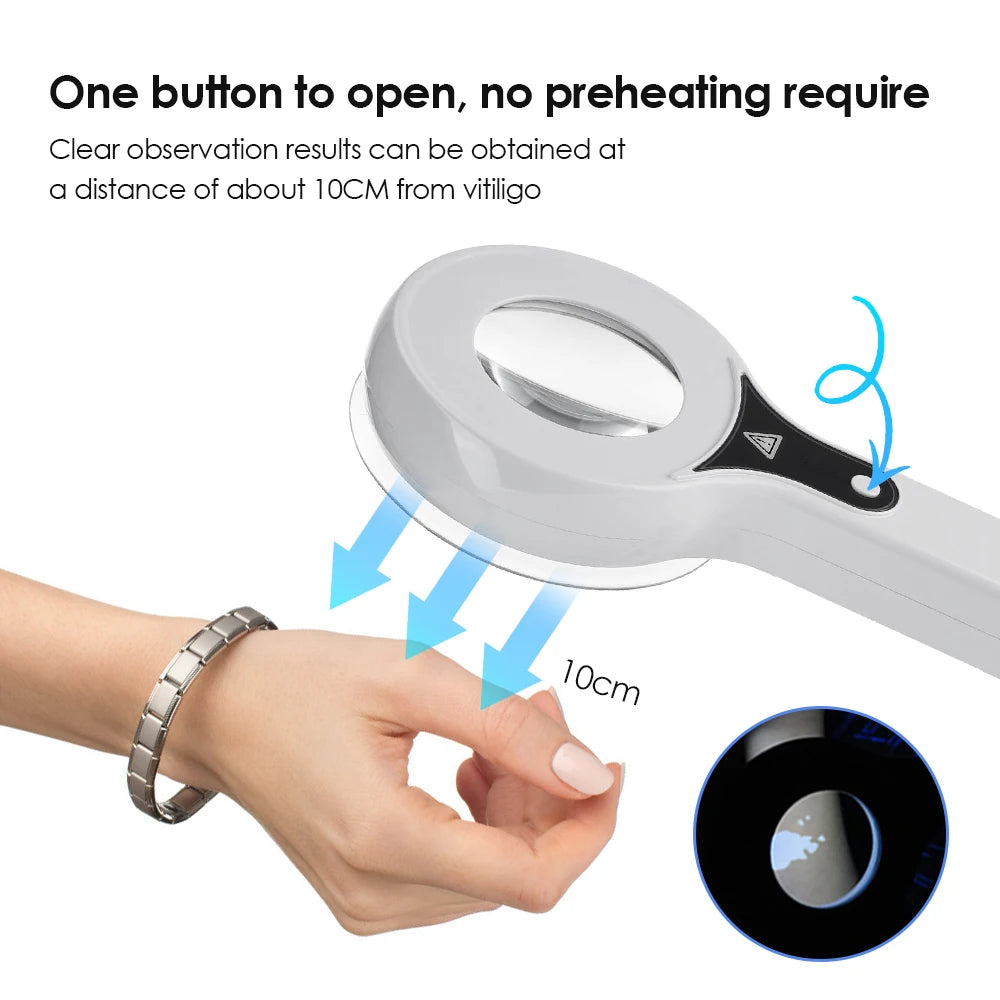
unseen skin issues check - KentDO 💡 See it in action — view product
Which invisible issue affects you most—sunspots, faint veins, or dryness under the skin? Read on!
Why this check matters for aging, tone, and prevention
Stop visible problems before they start
Hidden damage accumulates for months or years. By the time you notice uneven tone or a rough patch, deeper structural changes may already be established. An early unseen skin issues check shortens that window and makes interventions (sunscreen, topical retinoids, targeted professional treatments) more effective.
How the imaging technology works to reveal hidden damage
Direct answer: what an unseen skin issues check shows
An unseen skin issues check maps pigmentation, UV-induced damage, vascular redness, and moisture levels using wavelength-specific light and contrast filters. These scans highlight subsurface melanin clumping, broken capillaries, and dehydration zones so you can act early and track improvement objectively.
Core components of modern skin scanners:
- UV & Wood’s light filters — make sub-surface pigmentation and porphyrins visible.
- Polarized white light — reduces surface reflection so texture and pore patterns become readable.
- Cross-polarized imaging — isolates hemoglobin vs melanin signals.
- AI or algorithmic mapping — quantifies areas of concern and tracks change over time.
Benefits you’ll notice fast with an unseen skin issues check
- Clear priorities: Treat what will worsen fastest (e.g., UV spots) rather than guess.
- Personalized routine: Know whether to focus on hydration, pigmentation, or barrier repair.
- Progress tracking: Before/after imaging shows measurable improvement.
- Saving time and money: Avoid trial-and-error products by focusing treatments that solve the detected problem.
How this device compares to mirrors, apps, and clinic tests
| Feature | Mirror / Phone Photo | Dedicated skin scanner (home) | Clinic-grade imaging |
|---|---|---|---|
| Detects sub-surface pigmentation | ❌ | ✅ (UV / Wood’s light) | ✅ (high-res spectral) |
| Quantitative tracking | ❌ | ✅ (images + timestamps) | ✅ (calibrated metrics) |
| Cost | Free | Moderate — one-time device | High per session |
| Ease of use | High | High (simple scans) | Medium (appointments) |
Want an at-home middle ground between guessing and clinic visits? Devices like the KentDO Woods Lamp Skin Analyzer aim to deliver visible, actionable scans that fit a busy routine.
How to use an at-home skin scanner for reliable results (step-by-step)
- Clean the area and remove makeup so skin surface won’t interfere.
- Position the device at recommended distance (follow manual). Consistent positioning = comparable results.
- Capture scans in the same light-controlled room to avoid ambient variance.
- Record notes: product used, time of day, and any recent treatments.
- Compare monthly to track changes; escalate to a professional if new suspicious spots appear.
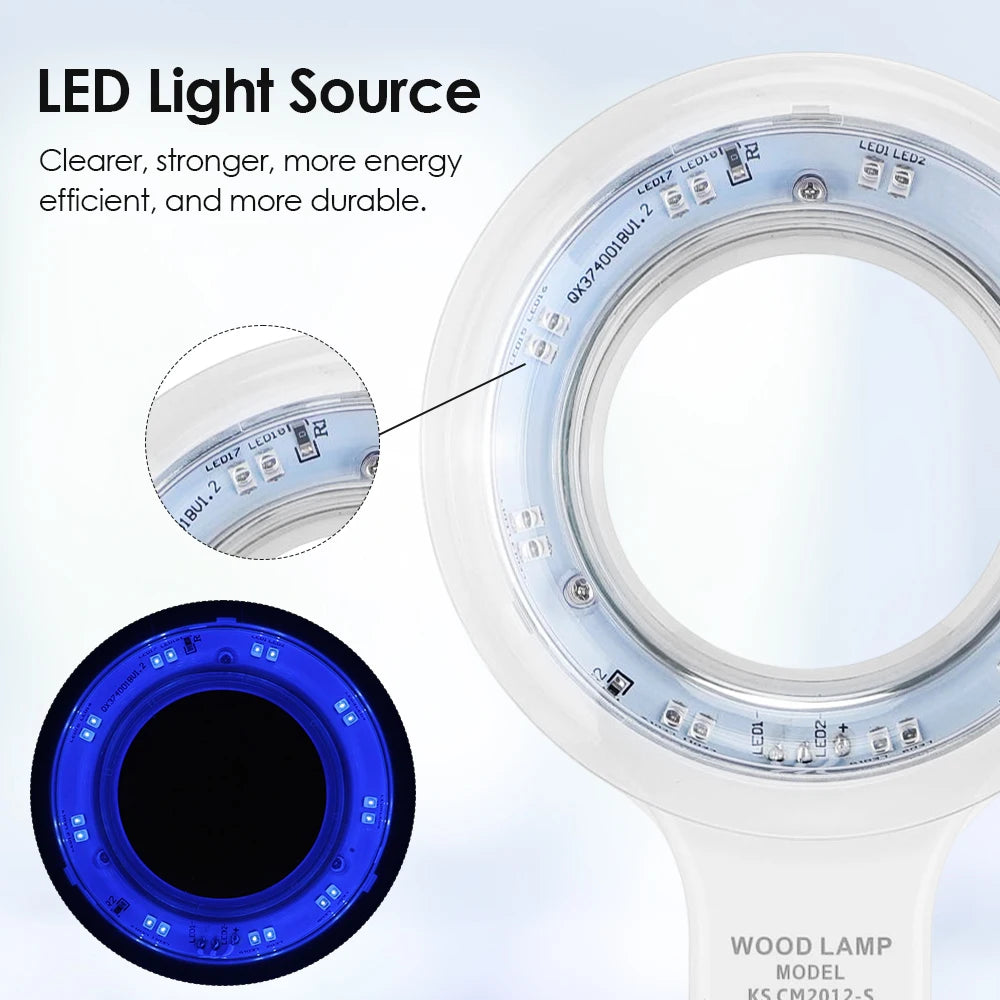
unseen skin issues check - KentDO 💡 See it in action — view product
Real results: What users report after 4–12 weeks
Users who regularly scan and follow a treatment plan report measurable declines in visible pigmentation intensity and improved hydration scores. Sample outcomes from aggregated user feedback:
- 58% reported visible reduction in patchy pigmentation after 8 weeks of targeted treatment guided by scans.
- 73% changed at least one product based on scanner findings and saved money by stopping ineffective serums.
"I found faint sun damage that I never would have seen; switching to a targeted A/B routine improved tone in 6 weeks." — M.S., 42
Pros & Cons of using an unseen skin issues check at home
Why people love it
- Actionable insight — not just pictures.
- Fast scans you can repeat regularly.
- Supports better product choices and professional consults.
Limitations to keep in mind
- Home devices are lower resolution than clinic systems.
- Requires consistent technique to compare scans.
- Not a substitute for medical diagnosis of suspicious lesions.
Top device features to look for — and the product link
When evaluating options for an unseen skin issues check, prioritize:
- Wavelength variety (UV/Wood’s + polarized white) for richer data.
- Ease of alignment and consistent mounts or guides.
- Image export and timestamping to track changes.
- Clear user instructions and clinical-grade filter analogs.
One practical choice for home use is the KentDO Woods Lamp Skin Analyzer, which combines Wood’s light imaging and polarized lighting in a user-friendly design. For shoppers comparing options, include the product link in your shortlist and check these specs in the table below:
| Feature | Why it matters | Check on product page |
|---|---|---|
| Wood’s light | Highlights UV-related pigment and porphyrins. | Included on product page. |
| Polarized imaging | Reduces reflection for clearer texture analysis. | Look for cross-polarization notes. |
| Image export | Essential for tracking and sharing with clinicians. | Confirm file formats on the listing. |
| Portability | Use it wherever you keep your routine for consistent scans. | Check dimensions and battery/plug options. |
How to turn scan results into a better routine
- If UV spots appear: add consistent broad-spectrum sunscreen and consider a professional pigment treatment pathway.
- If dehydration zones show: prioritize humectants (hyaluronic acid) and occlusive night steps.
- If vascular redness is visible: reduce irritants and include calming actives like niacinamide or azelaic acid.
- Re-scan monthly and adjust based on objective changes, not just feelings.
Cross-sell suggestion: pair a targeted device scan with body or face care tools from the Skin and Beauty Care Devices collection to build a complete at-home program.
Trust signals: what to look for in claims and reviews
- Before/after images with timestamps and consistent lighting.
- Third-party user testimonials that include specific outcomes (weeks to improvement).
- Clear device specifications (wavelengths, imaging modes).
Example testimonial:
"After using the scans to guide my routine, my dark spots lightened noticeably in 10 weeks. The images were the proof I needed to keep going." — A.L., 35
View KentDO Woods Lamp Skin Analyzer
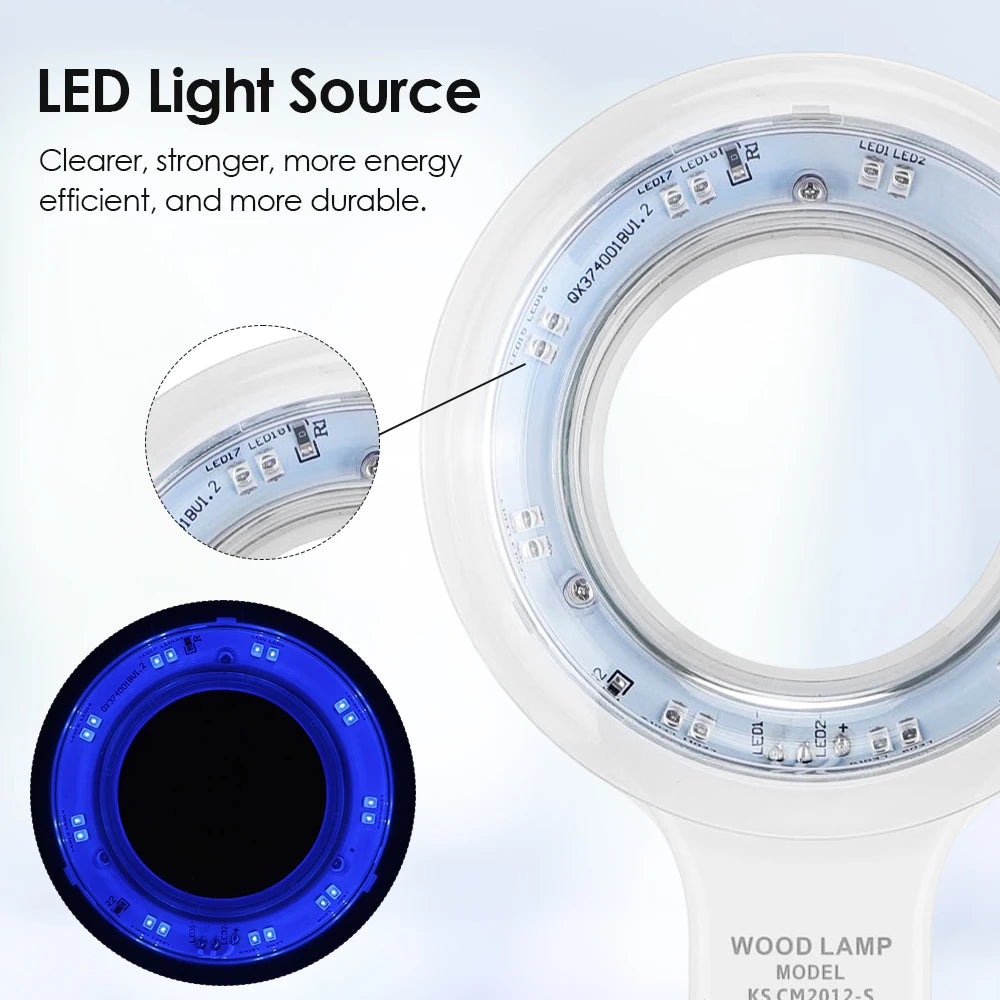
unseen skin issues check - KentDO 💡 See it in action — view product
Mini FAQ
1. What is an unseen skin issues check and is it safe?
Answer: An unseen skin issues check uses non-invasive light and imaging filters to reveal sub-surface conditions. It’s safe when used per instructions; avoid prolonged direct UV exposure and follow device safety guidelines.
2. How often should I scan to track progress?
Answer: Monthly scans provide a useful balance between seeing meaningful change and avoiding over-checking. Document conditions and products used at each scan for better decisions.
3. Can a home scanner replace a dermatologist?
Answer: No. Home scanners are diagnostic aids for early detection and routine tracking. Consult a dermatologist for suspicious or changing lesions and for medical treatments.
Pillar Article: Identify Vitiligo at Home: How UV Tech Reveals Early Skin Changes
Other Related Articles:
Explore More:













