

Does a UV LED skin analyzer really reveal hidden skin issues?
Yes — a uv led skin analyzer uses focused ultraviolet and LED imaging to show dehydration maps, oil zones, pore congestion, and early sun damage. In one quick scan it highlights problem areas invisible in normal light so you can choose targeted products and track real improvements over time.
⏱ 7 min read
UV LED Skin Analyzer: Best for Dry, Oily & Acne-Prone Skin Types
A UV LED skin analyzer can reveal what the mirror hides, from dehydration to early acne triggers. With precise imaging that maps pores, oil zones, and hidden sun damage, it helps you target the right products and skip the guesswork. Ready to see what your skin has been keeping secret?
What a UV LED skin analyzer reveals (Immediate value)
A UV LED skin analyzer highlights hydration levels, oil distribution, UV-induced pigmentation, pore clogging, and product residue. That visual map turns guesswork into a plan — you can see whether serums are hydrating, moisturizers reduce flaking, or acne treatments are clearing core oil channels.
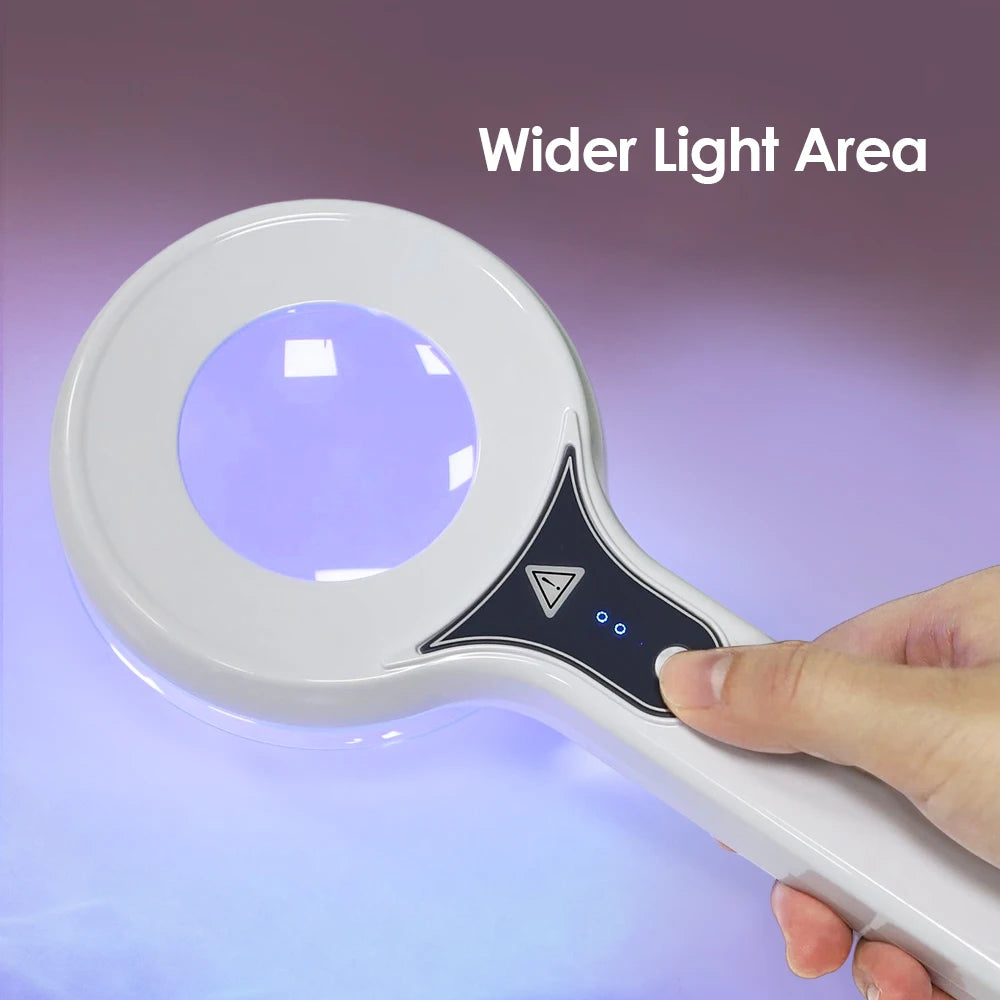
uv led skin analyzer - KentDO 💡 See it in action — View product
Which skin concern should you target first? Read on — this guide shows how the device maps your specific need and matches product choices so you stop wasting time and money.
Quick answer: uv led skin analyzer
The uv led skin analyzer gives a single, objective snapshot of hydration, oil hotspots, and early UV damage so you can pick products that address the root cause — not just surface symptoms. Scans take minutes and create a visual baseline for tracking progress.
The uv led skin analyzer gives a single, objective snapshot of hydration, oil hotspots, and early UV damage so you can pick products that address the root cause — not just surface symptoms. Scans take minutes and create a visual baseline for tracking progress.
Who benefits most: dry, oily, or acne-prone skin? (Benefit-first)
- Dry skin: Identify dehydration pockets where moisture products aren’t penetrating.
- Oily skin: See sebum channels and oil-prone zones to place mattifying or balancing actives where they help most.
- Acne-prone skin: Detect early comedones and pore congestion before surface breakouts appear, letting you treat earlier and more precisely.
Real-life example
Sarah, 34, thought her oily t-zone meant she needed stronger cleanser. A scan showed severe dehydration around the cheeks and trapped oil in pores — the switch to a lightweight hyaluronic serum and targeted clay mask cut her breakouts in half within eight weeks.
How to use a UV LED skin analyzer for reliable results (Actionable steps)
- Cleanse face gently — remove makeup, oils, and residues.
- Position the analyzer per instructions and ensure even lighting.
- Scan each zone (forehead, nose, cheeks, chin) and save images for comparison.
- Compare baseline to post-treatment scans every 2–6 weeks.
Small habits make scans meaningful. Always scan at the same time of day, after the same pre-scan routine, and avoid heavy topical oils before imaging.
Quick checklist for consistent imaging
- Same distance and angle for each scan
- Minimal ambient light variance
- Standardized cleansing before scan
- Store images to track change
Before & after — real results and testimonials (Trust & proof)
"I stopped guessing and started fixing." — Jenna, 29. After 6 weeks of using the scan results to guide targeted hydrators and a salicylic acid spot regimen, Jenna reports 60% fewer inflamed breakouts and softer texture.
| Metric | Baseline | After 8 weeks |
|---|---|---|
| Visible comedones | Moderate | Mild |
| Hydration score | Low | Medium-high |
| User-reported blemishes | 8/month | 3/month |
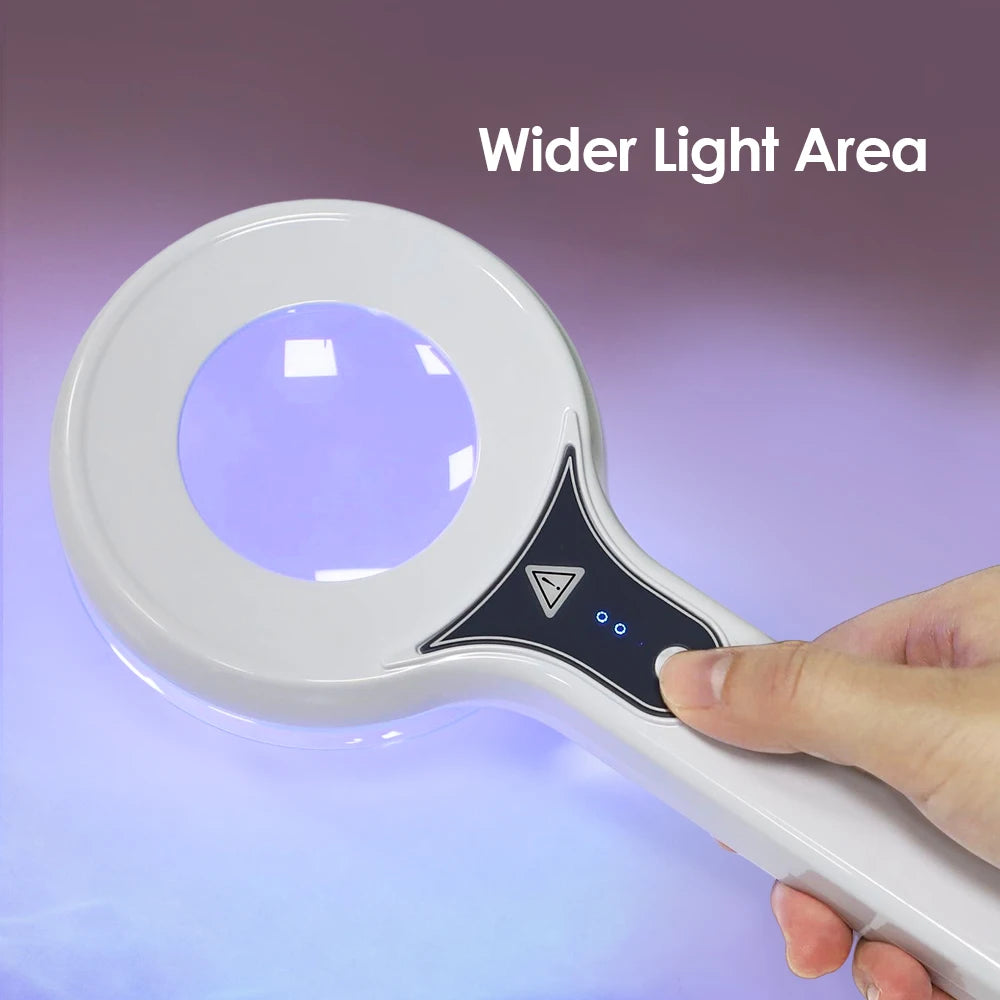
uv led skin analyzer - KentDO 💡 See treatment impact — Shop now
Compare options: features that make a difference
When choosing a model, prioritize accuracy, user-friendly imaging, and data storage so progress is trackable. Here’s a clean comparison to help you decide.
| Feature | Why it matters | Good for |
|---|---|---|
| UV + LED modes | Shows pigment vs hydration vs residue | All skin types |
| Image storage | Track progress objectively | Long-term treatments |
| Ease of use | Consistency between scans | At-home users |
| Portability | Use on travel or clinic visits | Busy users |
Pros & cons (Quick scan)
- ✅ Objective visual map of hidden issues
- ✅ Helps target products to root causes
- ✅ Tracks progress with images
- ❌ Requires consistent technique to compare reliably
- ❌ Can show findings that feel confronting — expect a learning curve
Buying guide & product fit: which model for which routine
Match the tool to your goal:
- Hydration-first: Choose models with hydration mapping and repeatable scans.
- Acne-control: Look for imaging that emphasizes pore congestion and residue.
- Sun-damage awareness: Pick a device with UV-fluorescence modes showing early pigmentation.
For those ready to act, the KentDO unit links directly to a focused device that balances portability with clinical-style imaging: /products/kentdo-woods-lamp-skin-analyzer.
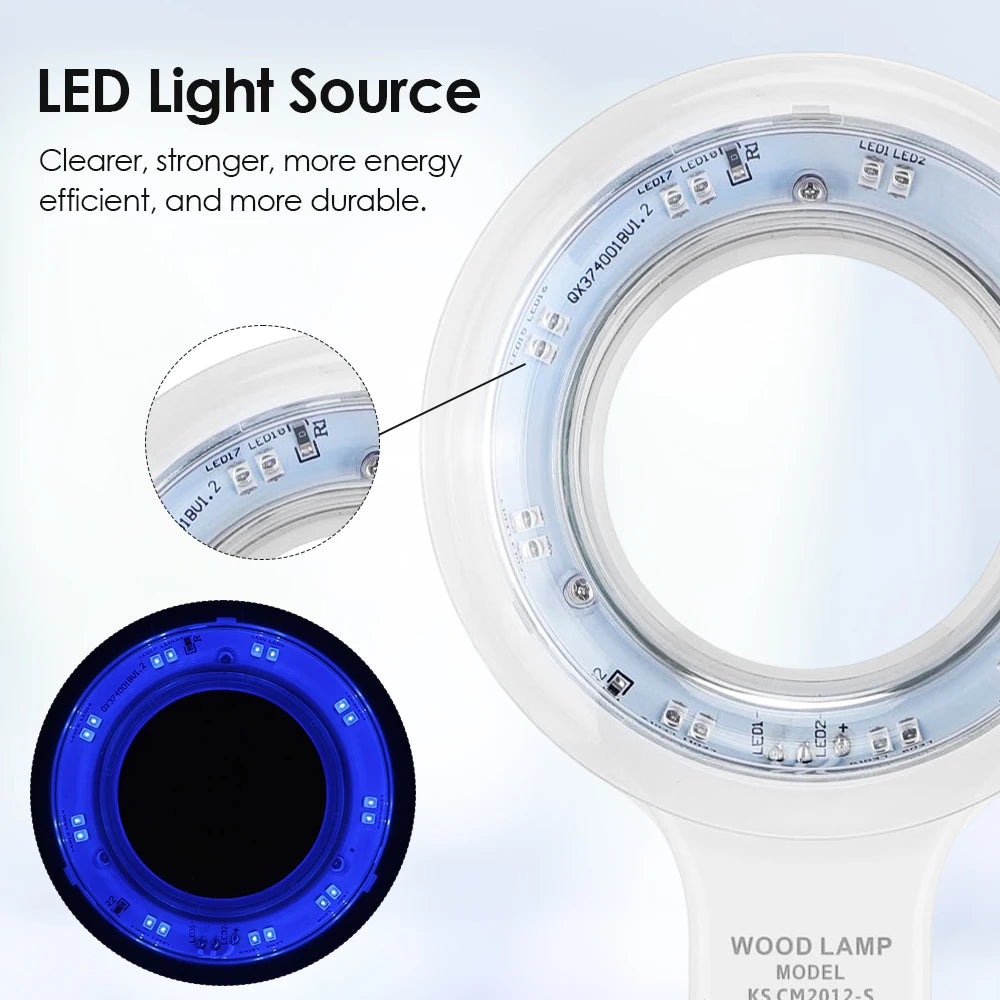
uv led skin analyzer - KentDO 💡 Compare results — Order now
How the analyzer changes your routine (Benefit-first)
- Stop blanket treatments — address the precise cause (dehydration vs oil).
- Reduce product overlap — fewer but better-targeted products save money.
- Measure treatment efficacy — see whether a serum actually improves hydration.
Example routine adjustments
If scans show dehydration: Use lightweight humectants (hyaluronic acid) under a barrier cream. Scan again in 4 weeks.
If scans show pore congestion: Add 1–2 weekly clay masks and a chemical exfoliant guided by sensitivity; track improvement visually.
Before you buy: practical tips
- Confirm image storage and export options if you want to share with a clinician.
- Check compatibility with your phone or desktop for viewing and saving images.
- Read reviews from users with similar skin types — look for before/after images.
- Practice the scanning routine to reduce variability between images.
Mini FAQ (quick answers)
How often should I scan my skin?
Scan every 2–6 weeks depending on treatment intensity. Weekly scans are helpful during active treatment, while monthly scans work for maintenance.
Is UV imaging safe?
When used per device instructions, the brief UV exposure in these analyzers is controlled and safe. Avoid repeated unnecessary scans; follow manufacturer guidelines.
Can a device replace a dermatologist?
No. The analyzer gives helpful visual data but a clinician provides diagnosis and prescription treatments when required. Use scans to inform professional conversations.
Tags: uv led skin analyzer, skin analyzer, skin hydration, oily skin, acne prone skin, uv skin scan, beauty tech, skin health
Related collections: Skin and Beauty Care Devices | Beauty & Self-Care Blog | Body & Face Blog | Hair, Skin & Nail Blog
Pillar Article: Woods Lamp Interpretation for Sensitive Skin: What Each Color Means
Other Related Articles:
Explore More:













