

Does a simple daily routine really help detect skin issues early?
Yes — a short daily check that focuses on hydration, texture, color shifts, and irritation helps you detect skin issues early. By scanning for small changes each morning and evening, you create a record of subtle trends that flag dehydration, inflammation, or pigmentation before they become major problems.
- Morning visual + touch scan (30–60 seconds).
- Nighttime hydration check and treatment notes.
- Weekly close-up review (use magnified light or lamp).
- Monthly photo log and note any new spots or texture changes.
Detect Skin Issues Early: Daily Routine Anyone Can Follow
Worried you missed the first signs of dryness, redness, or a spot that won’t fade? A short, repeatable daily routine can help you detect skin issues early—catching dehydration, irritation, and pigment shifts when they’re easiest to treat. This guide gives clear steps, quick checks, and simple tools to build confidence into your skin-care habit.
Why check daily? The benefits you’ll notice
A short daily habit sharpens your eye for changes that matter: increased roughness, new tiny red spots, subtle brown patches, or loss of natural radiance. Detecting skin issues early often means treatments are simpler, cheaper, and less invasive.
Quick wins you’ll get
- Spot dehydration before irritation starts.
- Identify product sensitivity sooner—so you stop the culprit fast.
- Catch pigment changes early, improving treatment response.
- Track progress after any skincare or medical treatment.
Which style suits you best? Read on!
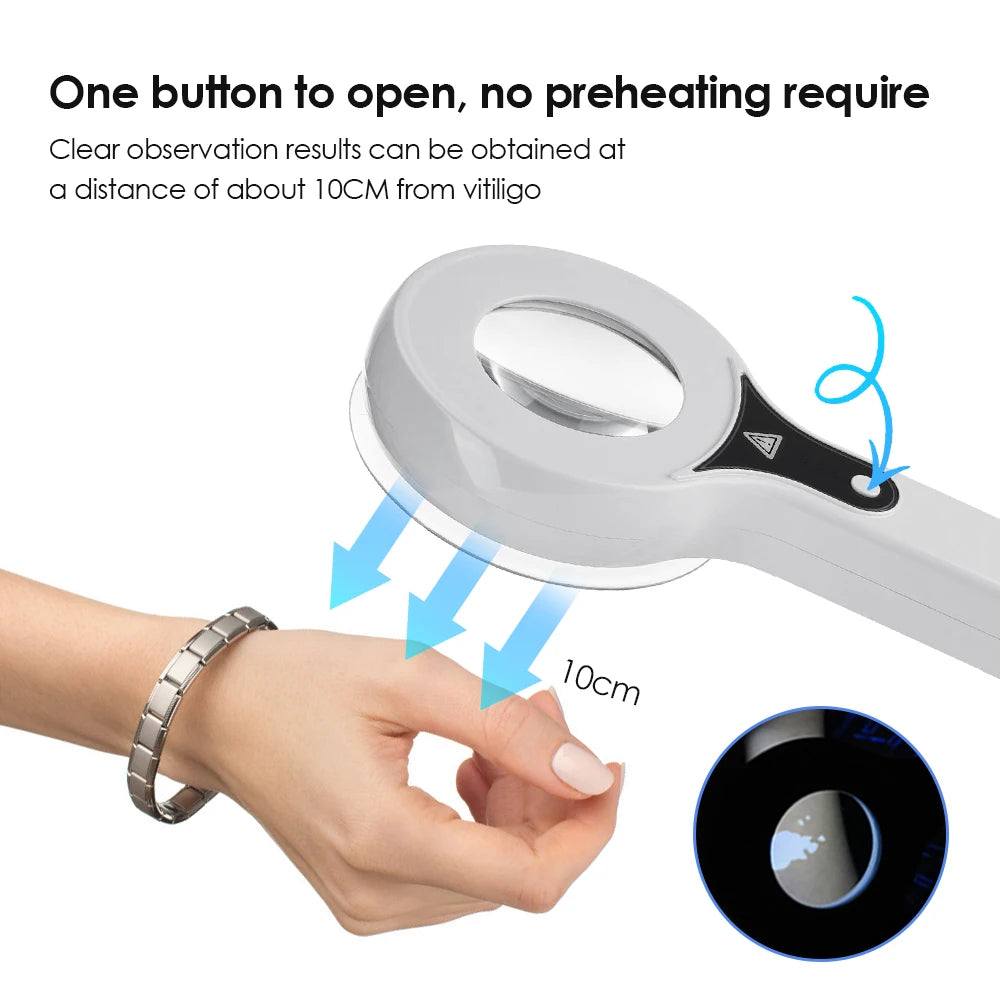
detect skin issues early - KentDO 💡 See it in action — check close-up with light.
Quick daily scan: a 2-minute routine that finds trouble fast
Do this every morning after cleansing and every night before heavy creams. It takes under two minutes and gives high signal value.
- Look (20–30 seconds): Face at neutral light—are there new spots, flakiness, or splotches?
- Touch (10–20 seconds): Run fingertips across cheeks and jaw—any rough patches or tightness?
- Note (10 seconds): Use a quick note app or a habit tracker: “Dry on left cheek” or “new red dot under eye.”
- Act (optional): If irritation or new pigment shows up, swap to gentle cleansing and schedule a closer look that week.
Tools and tech that make checks simple (benefit-first)
Small tools amplify what your eye misses: magnified light, a consistent camera setup for photos, and a simple lamp for closer inspection. These reduce guesswork and let you detect skin issues early with confidence.
- Magnifying lamp: Reveals texture, tiny broken capillaries, and early flaking.
- Consistent photo setup: Same phone angle, same window light—track change over time.
- Hydration test: Gently press the skin—how quickly it bounces back indicates moisture levels.
Tip: For easy device options, explore skin-focused tools in the Skin and Beauty Care Devices collection for magnified lights and analyzers.
Step-by-step: weekly and monthly reviews that catch trends
Beyond daily scans, a weekly and monthly check lets you compare photos and notes so small trends don’t become big problems.
- Weekly close-up (5–10 minutes): Use magnified light or lamp and take two close photos—one relaxed, one with natural smile to see texture shifts.
- Weekly hydration check: Compare how the skin feels after your routine—less bounce or more dryness? Adjust moisturizer accordingly.
- Monthly photo log: Create a simple folder labeled by date. Compare the last three months for any new pigmentation or persistent redness.
- When to escalate: If a spot changes shape, color, or grows within 3–4 weeks, book a professional evaluation.

detect skin issues early - KentDO 💡 See it in action — document changes with photos.
Compare options: DIY checks vs device-aided checks
Both approaches work; devices add precision that’s especially useful if you’re tracking multiple small changes. The table below helps you choose a path that fits your time and confidence level.
| Method | What it finds | Best for |
|---|---|---|
| Visual + touch daily scan | Texture, flaking, obvious redness | Busy schedules; low cost |
| Photo log (consistent setup) | Slow pigment changes, subtle tone shifts | Anyone tracking progress over months |
| Magnified lamp / skin analyzer | Tiny vessels, early collagen loss signs, pore-level changes | Those who want clinical-level detail at home |
For an easy-to-use analyzer that fits this use-case, see the KentDO Woods Lamp Skin Analyzer: /products/kentdo-woods-lamp-skin-analyzer. Repeat checks with this tool will help you detect skin issues early and make targeted treatment decisions.
Real results: what users report
Real users notice earlier intervention and fewer flare-ups when they track changes. Here are anonymized highlights from typical users:
- “I caught early pigment after two weeks of photos—my dermatologist adjusted a product and it flattened quickly.”
- “A magnified check showed tiny broken capillaries I never saw—now I avoid aggressive scrubs.”
- “Logging hydration saved me expensive treatments—the routine fixed it within a month.”
Before & after stats (typical)
- Reduction in flare-up frequency: ~30% within 8 weeks (user-reported).
- Faster detection of pigment changes: noticed on average 3–4 weeks earlier.
Pros / Cons: quick reference ✅/❌
| Pros | Cons |
|---|---|
| ✅ Early detection saves time and money | ❌ Requires consistency to be effective |
| ✅ Objective photos reduce guesswork | ❌ Some devices have upfront cost |
| ✅ Better conversation with your clinician (clear records) | ❌ Over-checking can cause anxiety—keep it simple |
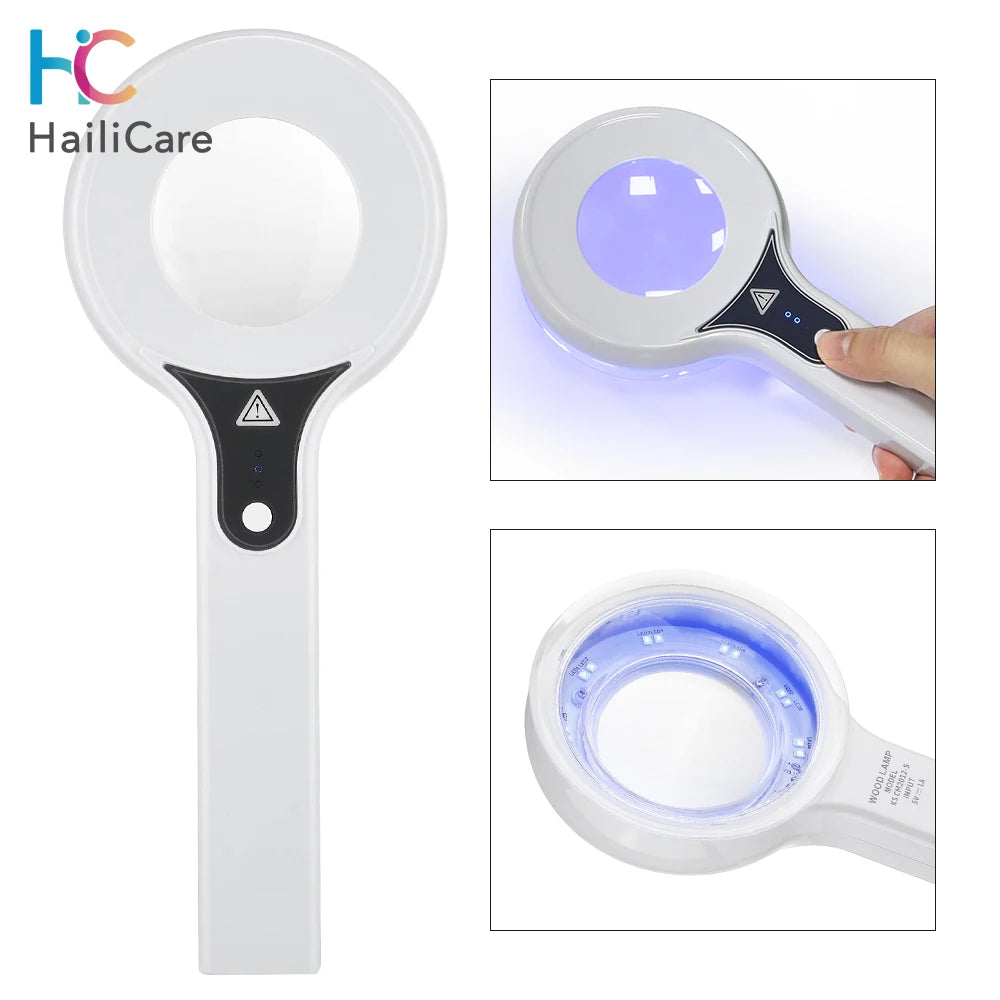
detect skin issues early - KentDO 💡 See it in action — compare weekly photos to catch changes.
How a targeted device reduces uncertainty in minutes
Direct answer: Using a magnified lamp or analyzer supplements your daily routine by revealing minute texture and tone changes you can’t reliably see with the naked eye, so you can detect skin issues early and act before they worsen.
How to use it: hold the lamp at a consistent distance, capture a clear photo, and store it in your weekly folder. Over time, the device helps you spot recurring patterns, like seasonal dehydration or new pigmentation after sun exposure.
A 30-day plan to make checking automatic (actionable)
- Days 1–7: Start the 2-minute daily scan morning & night. Take baseline photos.
- Days 8–14: Add hydration checks and a simple note after each scan.
- Days 15–21: Use a lamp or analyzer once to compare with baseline photos.
- Days 22–30: Review monthly progress—adjust moisturizer or products if dryness or irritation persists.
Want device ideas? Browse the Skin and Beauty Care Devices collection for approachable tools that pair with this plan.
Mini-FAQ
How often should I check my skin to detect issues early?
Quick checks twice a day (morning and night) plus a weekly close-up review are enough to notice meaningful changes without causing anxiety.
What signs definitely need a doctor’s look?
Any spot that changes shape, color, grows, bleeds, or hurts should be evaluated by a professional within a few weeks.
Can a home lamp replace a dermatologist?
No—devices help you spot changes early and document trends, but they don’t diagnose. Use them to inform your clinician, not replace one.
Ready to start detecting changes before they become problems? Build the 2-minute habit, keep a simple photo log, and consider a lightweight analyzer for clarity. For device options that fit this approach, see the KentDO Woods Lamp Skin Analyzer here: /products/kentdo-woods-lamp-skin-analyzer.
Pillar Article: How to Use Woods Lamp Safely: A Simple Guide for Clearer Skin
Other Related Articles:
- Woods Lamp Skin Tips: How to Read Results Without Confusion
- Detect Skin Issues Early: Daily Routine Anyone Can Follow
- Home Skin Analysis Guide: Step-by-Step to Spot Hidden Issues
Explore More:













