How to decompress back at home safely?
To learn how to decompress back at home, use gentle stretches, posture adjustments, and supportive tools like a spine decompression pillow. These methods reduce pressure on spinal discs, improve circulation, and ease stiffness in just minutes daily—without expensive treatments or complicated routines.
How to Decompress Back at Home: Safe Step-by-Step Guide for Daily Relief
Struggling with tightness, stiffness, or constant pressure in your lower back? Learning how to decompress back at home can help restore comfort and mobility with simple daily habits. By combining gentle movement, posture awareness, and supportive tools, you can reduce tension and improve flexibility without complex routines.
⏱ 5 min read
Discover simple ways to relieve back pressure at home today
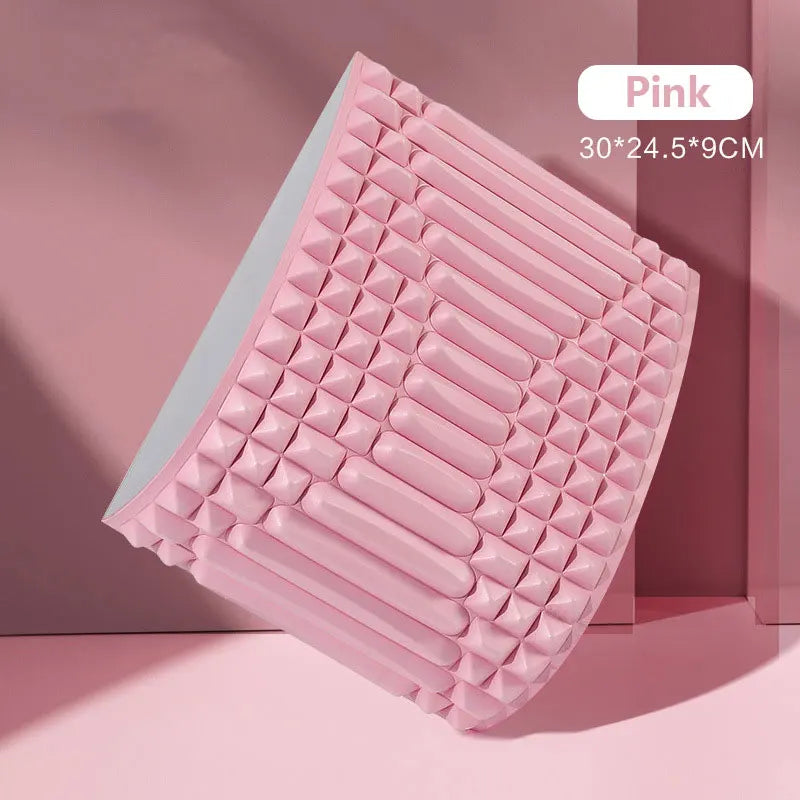
Improve posture and relieve tension instantly with tools designed for how to decompress spine safely at home See it in action
How Spinal Decompression Works and Why It Can Reduce Back Stiffness
Before learning how to decompress back at home, it helps to understand what spinal decompression actually does. Throughout the day, gravity, prolonged sitting, repetitive movement, and poor posture place compressive forces on the spine. This pressure can temporarily reduce space between vertebrae, tighten muscles, and contribute to stiffness.
What Happens When the Spine Becomes Compressed
Spinal discs act as cushions between each vertebra. Extended periods of sitting or standing may increase pressure on these discs while surrounding muscles become tight. Gentle decompression techniques aim to reduce muscle tension, improve joint mobility, and temporarily relieve pressure.
Can You Decompress Your Spine at Home?
Yes. Most people can safely perform gentle spinal decompression exercises at home using stretches, mobility movements, walking, or supportive equipment. These methods are intended for mild stiffness—not serious injuries.
Which Parts of the Spine Benefit Most?
- Lumbar spine (lower back)
- Thoracic spine (mid-back)
- Hip and pelvic mobility that supports spinal movement
Who Should (and Shouldn't) Try Home Spinal Decompression
Good Candidates
- People with mild daily back stiffness
- Desk workers sitting for long periods
- Individuals recovering from muscle tightness
- Adults seeking improved mobility
When to Avoid Home Decompression
Avoid decompression if you have recent trauma, fractures, severe osteoporosis, spinal infection, or conditions requiring medical supervision.
Warning Signs That Require Medical Care
- Progressive numbness
- Loss of bladder or bowel control
- Severe weakness
- Sudden intense pain after injury
- Pain with fever or unexplained weight loss
Why Your Back Needs Daily Decompression for Comfort and Mobility
Gentle daily decompression helps counteract prolonged sitting and repetitive strain. While it doesn’t permanently change spinal structure, consistent movement can improve comfort and flexibility.
Benefits for Desk Workers
Helps reduce prolonged lumbar compression caused by sitting.
Benefits for Active Individuals
Supports muscle recovery and restores mobility after exercise.
Benefits for Chronic Lower Back Stiffness
Consistent routines often provide better results than occasional stretching.
How to Decompress Back at Home (Step-by-Step)
- Child's Pose – Hold 30–60 seconds.
- Knees-to-Chest Stretch – Hold each side 20–30 seconds.
- Cat-Cow Stretch – Perform 10 slow repetitions.
- Pelvic Tilt – Repeat 10–15 times.
- Doorway Traction Stretch – Hold 20–30 seconds.
- Supine Spinal Twist – Hold each side 30 seconds.
- Passive Hanging (if appropriate) – Hang for 10–20 seconds.
- Foam Roller Thoracic Extension – Repeat 8–10 times.
- Use a spine decompression pillow for daily relief – Relax for 5–10 minutes.
- Finish with a 5-minute walk.
Learn step-by-step how to relieve back tension in minutes
How to Decompress Lower Back at Home vs Upper Back
Lumbar Decompression
Lower back stiffness responds well to pelvic tilts, knees-to-chest stretches, and supported decompression.
Thoracic Mobility
Upper back tightness improves with foam rolling and thoracic extension exercises.
Cervical Considerations
Neck mobility should be approached gently unless guided by a professional.
How These Methods Reduce Pressure on the Spine
Disc Pressure
Gentle stretching may temporarily reduce compressive loading on discs.
Muscle Relaxation
Relaxing tight muscles decreases protective tension around the spine.
Joint Mobility
Improved joint movement restores natural motion.
Circulation
Movement increases blood flow to support recovery.
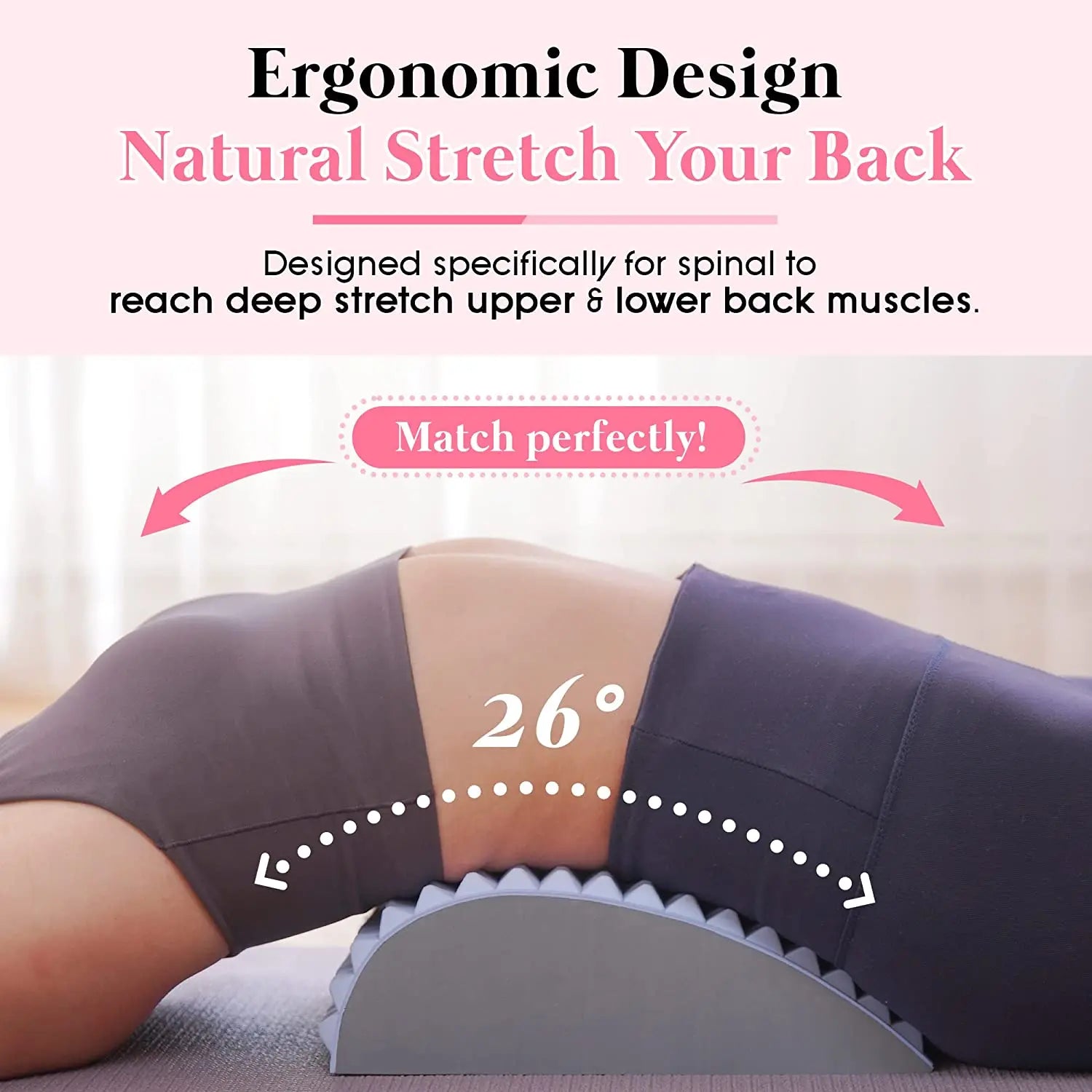
Experience at home remedies for chronic back stiffness with ergonomic support See it in action
Build a Safe 10-Minute Daily Spine Decompression Routine
Beginner Routine
- Cat-Cow – 2 minutes
- Child's Pose – 2 minutes
- Pelvic Tilts – 2 minutes
- Walking – 4 minutes
Intermediate Routine
- Add thoracic extension
- Add spinal twists
- Add decompression pillow
Daily Progression
Perform daily and increase duration gradually.
Manual Stretching vs Support Tools: Which Works Better?
Stretching Alone
Improves flexibility and mobility.
Foam Rollers
Useful for muscle relaxation and thoracic movement.
Spine Decompression Pillow
Provides passive support for sustained gentle extension.
Which Option Fits Your Needs?
Combining both methods often delivers the best results.
Why a Spine Decompression Pillow Makes Daily Relief Easier
How Ergonomic Back Stretcher Pillows Work
An ergonomic spine decompression pillow supports natural spinal curves and encourages muscle relaxation.
Who Benefits Most
- Desk workers
- Drivers
- People with recurring stiffness
- Those seeking passive stretching
Tips for Safe Daily Use
Start with 5–10 minutes and stop if discomfort increases. Try the ergonomic back stretcher pillow for home use for consistent support.
Common Mistakes That Make Back Stiffness Worse
- Stretching aggressively into pain
- Poor posture after decompression
- Ignoring core strengthening
- Skipping consistency
- Expecting instant results

Upgrade your routine with a spine decompression pillow for daily relief See it in action
Frequently Asked Questions
Can you decompress your spine at home?
Yes. Gentle stretching, mobility exercises, walking, and supportive devices may help relieve pressure.
How do you decompress lower back at home?
Use pelvic tilts, knees-to-chest stretches, and supportive lumbar exercises.
How often should you decompress your spine?
Daily gentle mobility is suitable for most healthy adults.
Is hanging enough?
No. Combine it with mobility and strengthening for better results.
Can spinal decompression cure back pain?
No. It may reduce discomfort but does not cure underlying conditions.
Do spine decompression pillows really work?
They may provide temporary comfort when used properly.
When should I stop home decompression?
Stop if pain worsens or symptoms like numbness or weakness appear.
Start your back relief journey today with the easiest solution at home
Related Articles:
- Vibrating Back Pillow: How to Use It for Fast Relief
- Foam Roller Exercises Upper Back: Fix Stiffness in Minutes
- How to Stretch Lower Back: Daily Routine for Quick Relief
- Roller Back Exercises: Simple Moves to Ease Back Pain
Pillar Articles: