

Do Cycling Leg Warmers Work in Cold Weather?
Yes. Cycling leg warmers for winter work by adding targeted insulation around the legs while preserving the flexibility needed for efficient pedaling. Compared with wearing bare legs, thermal cycling leg warmers help reduce heat loss, making cold-weather rides more comfortable and easier to maintain.
Unlike full winter tights, cycling leg warmers offer adjustable protection. Riders can remove them during warmer sections of a ride or combine them with other layers when temperatures drop. This makes them especially useful for changing conditions, early morning rides, and cyclists who prefer a flexible layering system.
Most winter cycling leg warmers use brushed fleece lining, thermal fabric blends, stretch materials, or wind-resistant panels. These features work together to trap warm air, manage sweat, and reduce exposure to cold wind without creating unnecessary bulk.
- Thermal fleece insulation helps retain body heat
- Stretch fabrics maintain full pedaling movement
- Breathable materials help reduce moisture buildup
- Lightweight construction makes layering easier
For riders cycling in temperatures around 0–10°C (32–50°F), thermal cycling leg warmers often provide the right balance of warmth and mobility without the need for heavier winter tights.
Thermal Fleece Cycling Leg Warmers for Winter Rides Reviewed
Finding the best winter cycling leg warmers depends on more than insulation alone. We evaluated thermal fleece cycling leg warmers based on warmth retention, fit stability, weather protection, breathability, and comfort during real riding conditions. This guide helps cyclists choose the right option for cold commutes, training sessions, and longer winter rides.
⏱ 6 min read
Best Cycling Leg Warmers for Winter (Quick Comparison)
Choosing the right cycling leg warmers for winter depends on temperature, ride intensity, weather exposure, and how you prefer to layer. Some thermal cycling leg warmers focus on maximum insulation, while others prioritize lightweight flexibility or wind protection.
Temperature Range Comparison
- 0–5°C (32–41°F): Thermal fleece cycling leg warmers with wind-resistant panels provide better protection against cold air and fast descents.
- 5–10°C (41–50°F): Mid-weight fleece cycling leg warmers offer a strong balance between warmth and breathability.
- 10–15°C (50–59°F): Lightweight thermal leg sleeves for cycling provide comfort without excessive insulation.
Best Use Case by Ride Type
- Commuting: Water-resistant winter cycling leg warmers help handle changing urban conditions.
- Long distance: Breathable fleece cycling leg warmers reduce overheating during extended rides.
- Training rides: Lightweight thermal leg warmers support movement during higher-intensity sessions.
- Cold wind conditions: Windproof cycling leg warmers provide additional protection on exposed roads.
Many riders notice the difference immediately when switching from bare legs to thermal cycling gear. Cold muscles can feel stiff at the beginning of a ride, while properly insulated legs help maintain comfort and consistent movement throughout the session.
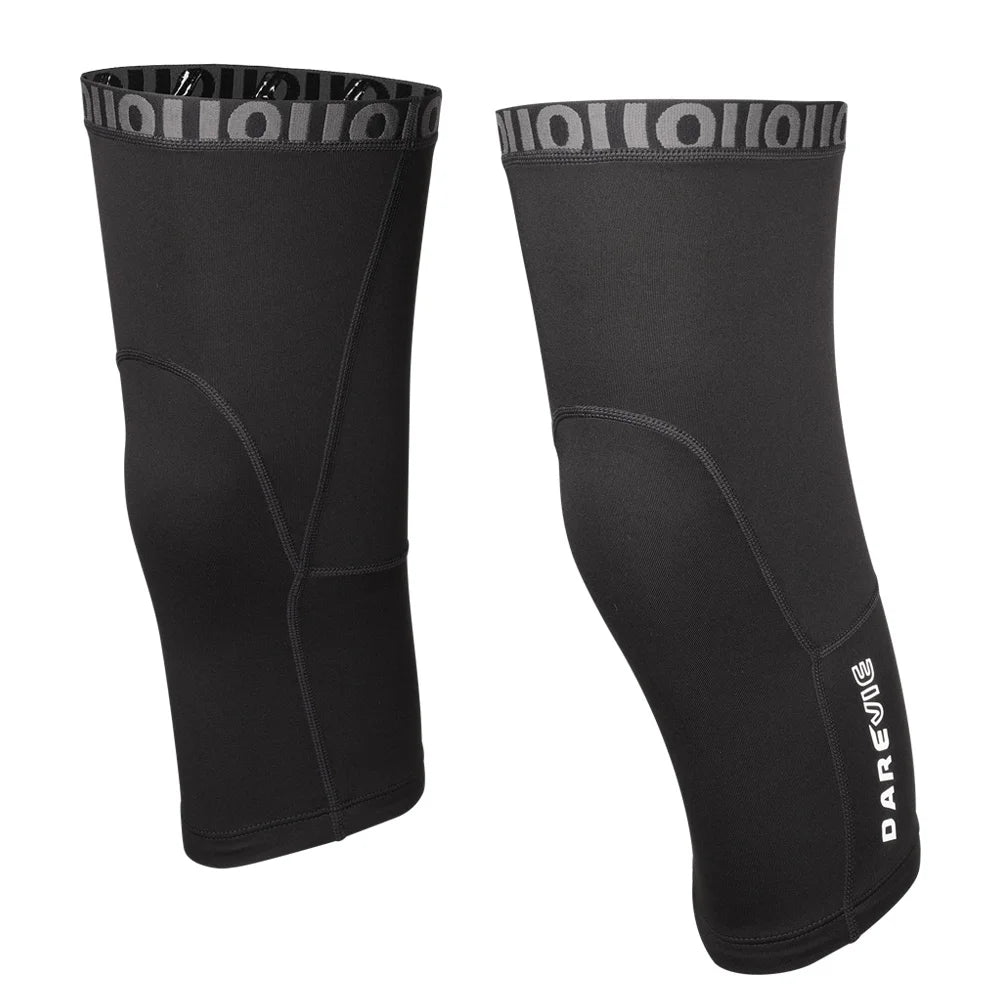
Thermal fleece cycling leg warmers designed for cycling in winter — See it in action
Thermal cycling leg warmers are designed to solve one of the most common winter riding challenges: keeping legs warm without limiting movement. Instead of replacing a full winter cycling outfit, they work as a versatile layer that can be adjusted based on temperature, wind, and ride intensity.
How Thermal Cycling Leg Warmers Keep Your Legs Warm
Thermal cycling leg warmers are designed to create a protective layer between your skin and cold outdoor conditions. They combine insulating fabrics, stretch materials, and weather-resistant panels to trap warm air while allowing excess moisture to escape. This balance helps cyclists stay comfortable during changing temperatures and higher-effort rides.
Thermal Fleece Insulation
Fleece cycling leg warmers use a soft brushed interior that helps retain body heat by creating small air pockets close to the skin. This insulation provides warmth without the bulk of heavier winter cycling tights, making them a practical choice for riders who want flexibility.
- Brushed fleece lining improves heat retention
- Stretch fabric maintains natural pedaling movement
- Lightweight construction supports easy layering
- Thermal materials help reduce cold exposure during rides
Moisture Management and Breathability
Warmth alone is not enough for effective winter cycling gear. During intense rides, the body generates heat and sweat, so quality thermal cycling leg warmers need breathable construction to move moisture away from the skin.
Breathable fleece and moisture-wicking fabrics help prevent dampness from building up inside the layer, keeping riders more comfortable during training sessions, climbs, and longer distances.
- Helps reduce sweat buildup during high-intensity rides
- Supports temperature regulation when effort levels change
- Keeps the skin layer drier during extended cycling sessions
Wind Protection and Heat Retention
Wind exposure can quickly reduce comfort during cycling, especially on fast descents or open roads. Some thermal cycling leg warmers include wind-resistant front panels that help block cold airflow while maintaining flexibility.
For riders looking for how to keep legs warm cycling in colder conditions, combining thermal fleece insulation with wind protection provides better performance than relying on insulation alone.
Temperature Range Performance (0–5°C vs 5–10°C)
- 0–5°C: Windproof fleece cycling leg warmers provide stronger protection against cold air and lower temperatures.
- 5–10°C: Standard thermal cycling leg warmers offer a balanced combination of warmth and breathability.
- 10°C+: Lightweight thermal leg sleeves are often more suitable for preventing overheating.
Thermal Fleece vs Windproof vs Water-Resistant Leg Warmers
The best bike leg warmers for cold weather depend on the conditions you ride in most often. Fleece, windproof, and water-resistant designs each solve different winter cycling challenges.
Fleece Cycling Leg Warmers
Fleece cycling leg warmers prioritize insulation and comfort. They are ideal for dry winter rides where maintaining warmth and freedom of movement are more important than heavy weather protection.
- Best for cool, dry conditions
- Provides soft insulation against cold temperatures
- Works well for training rides and daily cycling
Windproof Cycling Leg Warmers
Windproof cycling leg warmers add protective panels that reduce cold airflow during fast riding. They are especially useful for road cyclists who regularly face strong wind, exposed routes, or downhill sections.
- Helps block wind chill during higher speeds
- Suitable for open roads and colder climates
- Adds protection without sacrificing mobility
Water-Resistant Cycling Leg Warmers
Water-resistant options help riders handle damp conditions, light rain, and wet roads. They are useful for commuters and cyclists who need reliable protection during unpredictable weather.
- Helps repel light moisture
- Suitable for changing winter conditions
- Maintains warmth better than standard fabrics in damp environments
For full winter protection, consider layering with outerwear from the Lifestyle collection.
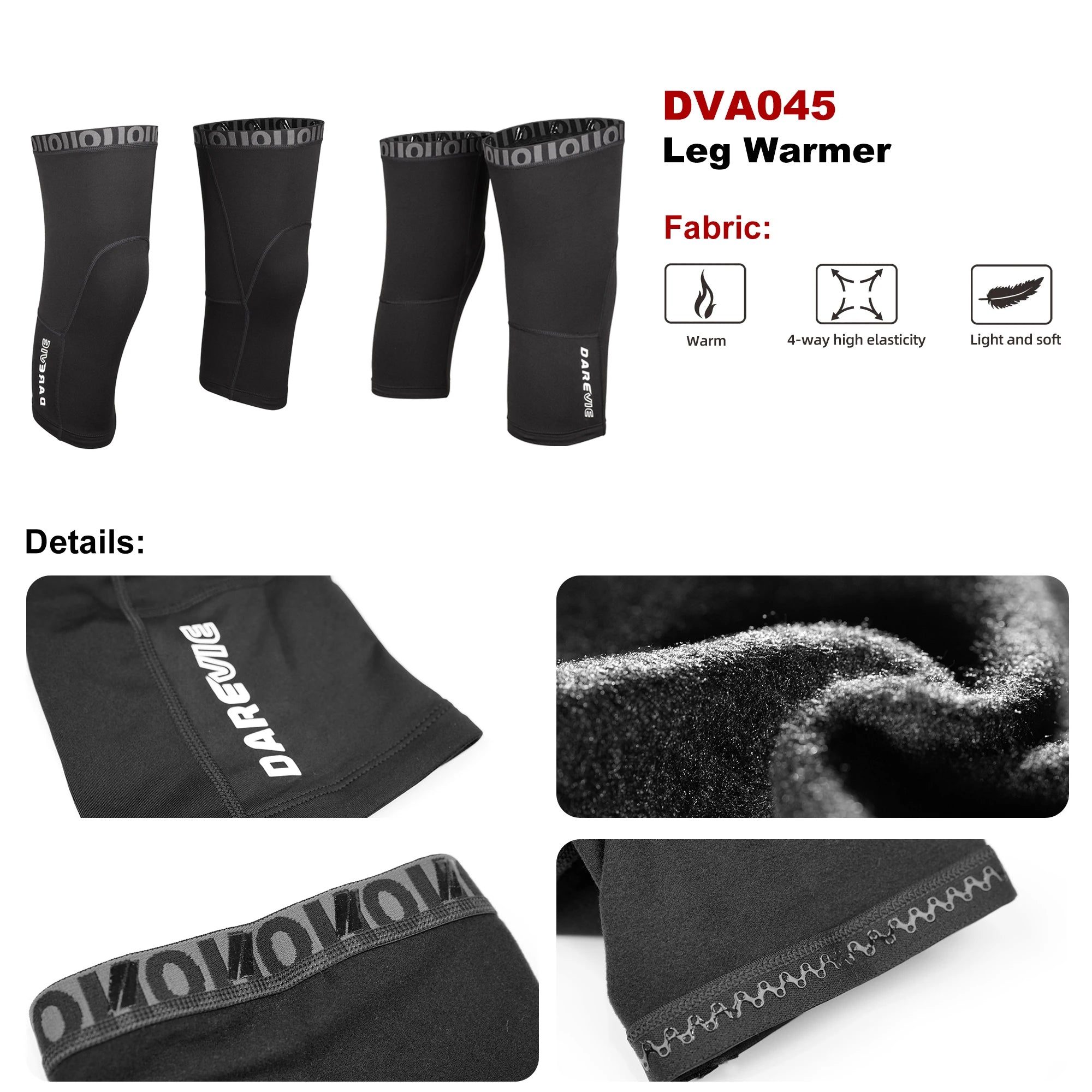
Comparing warmth and flexibility during cold legs during cycling — See it in action
Best Leg Warmers for Different Winter Riding Styles
Commuting
For daily commuting, water-resistant thermal cycling leg warmers provide practical protection against changing weather, road spray, and cool morning temperatures. Riders who cycle through urban areas often benefit from durable materials that balance warmth with easy movement.
Long Distance Training
Long-distance riders need breathable bike leg warmers for cold weather that can handle hours of continuous effort. Fleece cycling leg warmers with moisture management features help prevent overheating while maintaining comfort throughout extended winter sessions.
Road Cycling
Road cyclists often experience stronger wind exposure because of higher speeds and open routes. Windproof cycling leg warmers help maintain warmth during fast sections, descents, and colder rides where airflow becomes a major factor.
Mountain Biking
Mountain bikers need flexible and durable cycling in winter gear legs that can handle changing terrain. Stretch materials, secure fit, and abrasion-resistant construction help maintain mobility when riding uneven trails or technical sections.
How to Keep Legs Warm Cycling in Winter
Knowing how to keep legs warm cycling requires more than adding insulation. A well-planned layering system helps riders adjust protection based on temperature, wind, ride intensity, and changing weather conditions.
Layering Leg Warmers With Bib Shorts
Thermal cycling leg warmers are typically worn over bib shorts to create a flexible winter setup. This combination allows riders to remove layers when temperatures rise while maintaining coverage during colder sections of a ride.
- Start with moisture-wicking thermal bib shorts or cycling shorts as the base layer
- Add fleece cycling leg warmers for insulation around the legs
- Check that the upper edge sits securely without restricting movement
- Adjust layers based on temperature and ride intensity
A proper fit helps prevent gaps between layers and keeps cold air from entering while maintaining comfortable pedaling movement.
Combining Leg Warmers With Base Layers and Jackets
For colder rides, cycling in winter gear legs works best when combined with other temperature-control layers. Pairing thermal leg warmers with a breathable base layer and a wind-resistant outer jacket helps create a complete cold-weather system.
- Base layers help manage sweat during higher-effort cycling
- Wind-resistant jackets reduce cold airflow exposure
- Adjustable layers make it easier to handle changing conditions
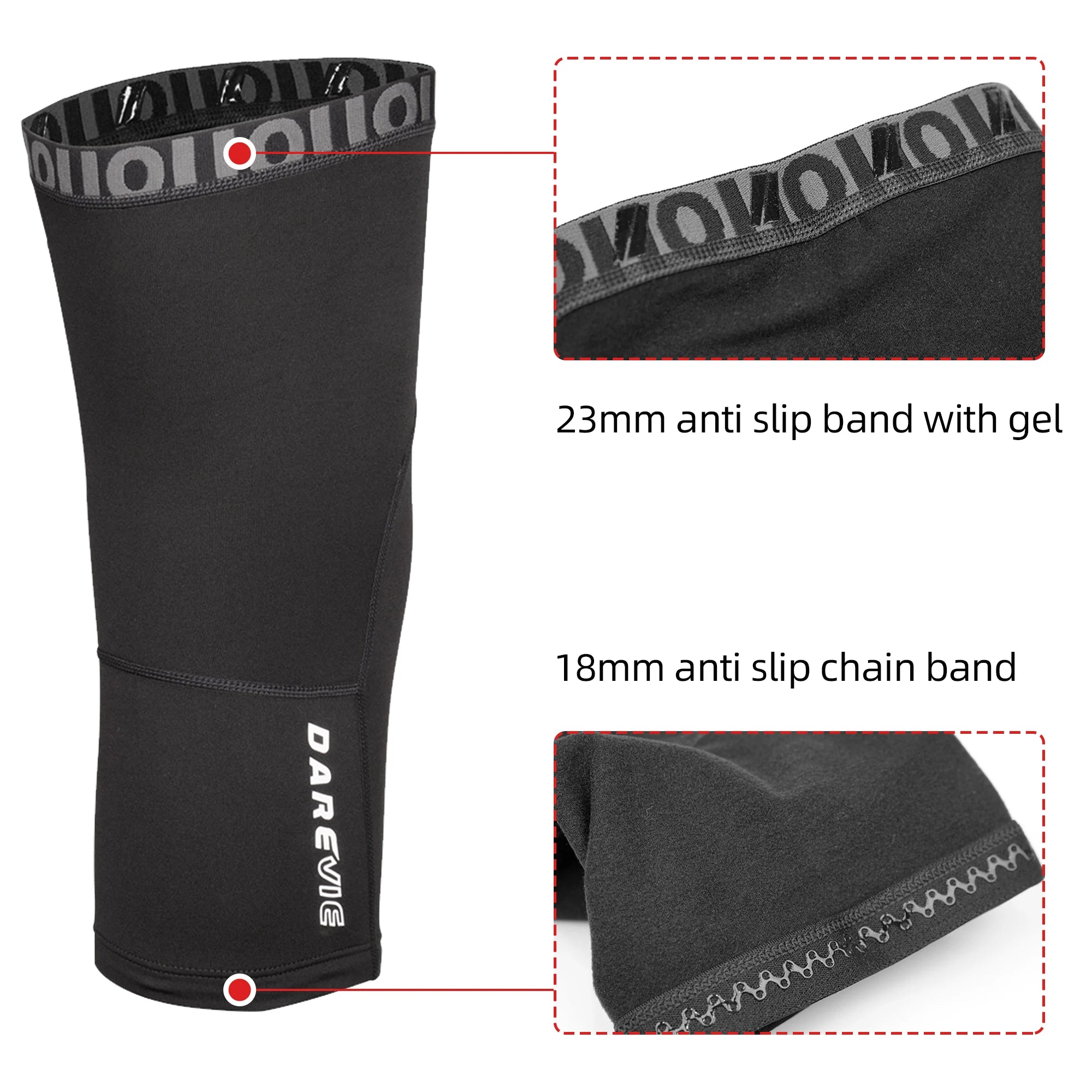
Layering bike leg warmers for keeping legs warm cycling — See it in action
Real-World Cold Weather Testing Insights
Testing thermal cycling leg warmers in real riding conditions shows that performance depends on more than fabric thickness. Riders need consistent warmth, moisture control, and unrestricted movement across different winter environments.
Warmth During Long Rides
During extended winter rides in cool temperatures, winter cycling leg warmers help maintain a more comfortable leg temperature from the start of the ride through longer outdoor sessions. Thermal fleece designs perform especially well during steady endurance cycling because they provide insulation without excessive weight.
- Improved comfort during cold starts
- More consistent warmth during longer rides
- Reduced need for frequent clothing adjustments
Sweat Management and Breathability
Higher-intensity cycling creates heat and moisture, so effective thermal cycling leg warmers need breathable materials. Riders often notice better comfort when fabrics allow sweat vapor to escape instead of trapping moisture against the skin.
- Helps prevent damp fabric buildup
- Supports temperature control during changing effort levels
- Keeps legs more comfortable during training rides
Movement and Comfort Testing
Fit testing during pedaling, climbing, and longer seated riding sessions shows that quality leg warmers should stay in place without limiting motion. Stretch construction, secure grippers, and smooth seams contribute to a more natural cycling experience.
- Maintains flexibility through full pedal rotation
- Reduces distraction from slipping fabric
- Supports comfortable movement across different riding styles
Who Should Use Winter Cycling Leg Warmers?
Winter cycling leg warmers are a practical choice for riders who want extra insulation without committing to full winter tights. They are especially useful for cyclists transitioning from summer gear into colder riding conditions because they provide adjustable warmth and easy layering.
- Riders cycling in 0–10°C conditions who need additional leg insulation
- Early morning or evening cyclists exposed to colder temperatures
- Riders who prefer flexible layers instead of permanent winter tights
- Cyclists who experience discomfort from cold legs during seasonal rides
- Commuters and recreational riders looking for compact cold-weather gear
For cyclists who ride in changing temperatures, thermal cycling leg warmers can be easier to manage than heavier winter clothing. They can be added before a cold ride, removed during warmer periods, and combined with other cycling layers when conditions become more challenging.
Final Verdict: Are Cycling Leg Warmers Worth It for Winter?
Yes, for many riders, cycling leg warmers for winter are worth it. They provide a versatile solution for staying comfortable in cold conditions without the bulk and limited adjustability of heavier winter tights.
The best leg warmers for cycling in winter depend on your typical riding environment. Riders in mild winter conditions may prefer breathable fleece designs, while cyclists facing colder temperatures, wind, or unpredictable weather should consider options with additional wind or moisture protection.
- Best for 0–10°C rides: Thermal fleece cycling leg warmers provide a balance of warmth, flexibility, and comfort.
- Best for windy routes: Wind-resistant materials help reduce cold airflow exposure.
- Best for variable conditions: Layer-friendly designs allow quick adjustments during rides.
Do cycling leg warmers work in cold weather? For most recreational cyclists, commuters, and winter training riders, they offer an effective way to maintain comfort while keeping natural cycling movement.
Explore the product directly here: thermal fleece cycling leg warmers .
Frequently Asked Questions
What Temperature Are Cycling Leg Warmers For?
Cycling leg warmers are typically designed for temperatures between 0–15°C depending on fabric thickness, insulation level, and weather protection. Lightweight thermal leg sleeves work well in milder conditions, while fleece and wind-resistant options are better for colder rides.
Are Fleece Cycling Leg Warmers Enough for Winter?
Fleece cycling leg warmers are suitable for many winter rides, especially in mild to moderate cold conditions around 0–10°C. For freezing temperatures, strong wind, or wet weather, riders may need additional layers or more weather-resistant gear.
Should I Wear Leg Warmers Over or Under Bib Shorts?
Most cyclists wear leg warmers over bib shorts. This makes them easier to adjust or remove during rides while allowing the layers to work together comfortably.
Can Cycling Leg Warmers Be Used for Rainy Weather?
Some cycling leg warmers can handle light rain or damp conditions, especially water-resistant designs. However, they are not a replacement for fully waterproof rain gear during heavy rainfall.
Do Leg Warmers Restrict Movement?
No. Quality thermal cycling leg warmers use stretch fabrics designed for cycling motion. A proper fit should allow full pedal rotation without feeling tight or limiting movement.
How Do I Wash and Maintain Thermal Leg Warmers?
Follow the manufacturer’s care instructions, but most thermal leg warmers last longer when washed gently with mild detergent, kept away from high heat, and air dried instead of using high-temperature drying.
- Anti Slip Cycling Leg Warmers Compared on Fit and Grip
- Lightweight Cycling Leg Sleeves vs Warmers for Cold Mornings
- Cycling Leg Warmers for Winter: 5 Options by Temperature
- Compression Cycling Leg Warmers: Which Help Fatigue Most?
Explore More:
- Compression Benefits for Cyclists in Cold Weather Explained
- Compression Fleece Leg Warmers Cycling Tested on Winter Rides
Pillar Article: Not Found
Explore More:













