

Daily Red Light Therapy: Which Device Best Fits Your Routine?
Daily red light therapy is one of the easiest ways to add photobiomodulation to your wellness routine. Whether your goal is easing sore muscles, supporting exercise recovery, or improving skin appearance, choosing the right device can make a meaningful difference. Wearable red light therapy belts are especially popular because they deliver targeted treatment while allowing you to continue with everyday activities. This guide explains what these devices can realistically do, where the evidence is strongest, and how to decide whether a red light therapy belt fits your needs.
Quick Answer: Do Red Light Therapy Belts Really Work?
The Short Verdict
Yes—red light therapy belts can be effective when used for evidence-supported purposes. Research suggests they are most beneficial for localized pain relief, muscle recovery, improved circulation, and certain skin-health applications. However, they should not be viewed as standalone solutions for significant fat loss or dramatic body contouring.
When They Work (And When They Don't)
- Most effective for: reducing muscle soreness, supporting recovery after exercise, easing minor joint discomfort, and helping manage localized inflammation.
- May provide modest benefits for: skin appearance, temporary reductions in swelling, and short-term changes related to improved circulation.
- Not supported as a standalone treatment for: permanent fat reduction, rapid weight loss, or body sculpting without healthy lifestyle habits.
Overall results depend on factors such as the device's wavelength, power output, treatment consistency, and whether it is used for an evidence-based purpose.
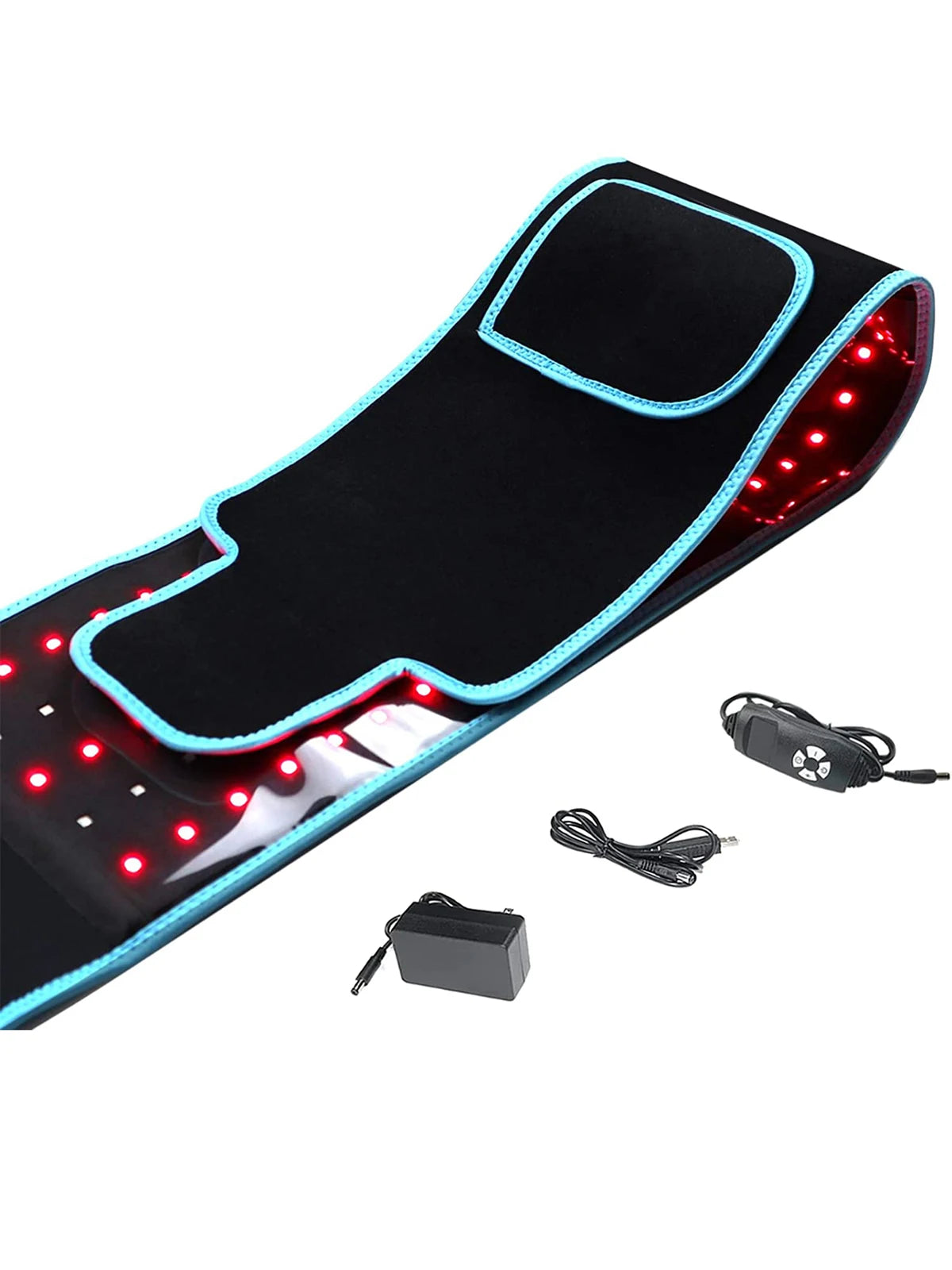
See daily red light therapy in action with infrared belts designed for targeted recovery and skin support.
What Is Red Light Therapy and How Does It Work?
The Science Explained Simply (ATP, Mitochondria, Wavelengths)
Red light therapy, also known as photobiomodulation, uses specific wavelengths of visible red and near-infrared light to stimulate cellular activity. When these wavelengths reach your tissues, they are absorbed by mitochondria—the structures responsible for producing ATP (adenosine triphosphate), the primary source of energy for cellular repair and normal function.
Higher ATP availability may help cells recover more efficiently, supporting tissue repair, healthy circulation, and the body's natural response to physical stress. While ongoing research continues to explore additional applications, the strongest evidence currently supports recovery- and pain-related benefits.
Red vs Near-Infrared Light
- Red light (approximately 630–660 nm): Primarily targets the skin, making it suitable for concerns related to skin tone, texture, and overall skin health.
- Near-infrared light (approximately 800–880 nm): Penetrates deeper into underlying tissues, making it better suited for muscles, tendons, and joints.
Many high-quality red light therapy belts combine both wavelength ranges to provide surface-level skin support while also reaching deeper tissues for recovery-focused applications.
Are Red Light Therapy Belts Effective? (Evidence Breakdown)
Pain Relief & Muscle Recovery
The strongest clinical evidence for red light therapy belts relates to pain management and muscle recovery. Studies on photobiomodulation suggest that targeted red and near-infrared light may help reduce inflammation, support healthy blood flow, and encourage cellular repair after exercise or repetitive strain. For many users, this translates into reduced muscle soreness, less stiffness, and improved comfort during recovery.
Results are typically most noticeable when treatments are performed consistently over several weeks rather than as an occasional session.
Fat Loss vs Temporary Inch Loss
One of the most common misconceptions is that red light therapy belts directly burn body fat. Current evidence does not support this claim. While some users report modest reductions in measurements, these changes are more likely related to temporary fluid shifts, improved circulation, or reduced localized inflammation than permanent fat loss.
Healthy nutrition, regular physical activity, and sustainable lifestyle habits remain the primary drivers of long-term weight management. A red light therapy belt may complement these efforts but should not replace them.
Skin Tightening & Circulation
Research also suggests that red light therapy may stimulate collagen production and support healthier-looking skin. With regular use, some people notice gradual improvements in skin texture, elasticity, and overall appearance. Better local circulation may further contribute to healthier tissue function, although individual results vary depending on age, skin condition, and treatment consistency.
Red Light Therapy Belt Benefits (What You Can Realistically Expect)
Proven Benefits
- Reduced muscle soreness following exercise or physical activity
- Improved circulation in treated areas
- Support for faster recovery from everyday muscle fatigue
- Gradual improvements in skin texture and overall skin appearance
- Convenient, hands-free treatment for targeted body areas
Overhyped Claims to Be Careful Of
- "Instant fat burning" without lifestyle changes
- Permanent inch loss after only a few sessions
- Dramatic body sculpting or spot reduction
- Immediate elimination of chronic pain
- Guaranteed results regardless of device quality or treatment routine
Understanding the difference between evidence-supported benefits and marketing claims helps you choose realistic goals and evaluate products more confidently.
Red Light Therapy Belt Results: What Users Actually Experience
Timeline of Results
- 1–2 weeks: Many users notice gentle warmth during treatment, reduced post-workout soreness, and a greater sense of muscle relaxation.
- 3–6 weeks: Consistent users often report better recovery between workouts, improved flexibility, and less everyday discomfort in treated areas.
- 6+ weeks: Gradual improvements in skin appearance and circulation may become more noticeable, particularly when treatments are paired with healthy lifestyle habits.
Factors That Affect Effectiveness
- Using the device consistently according to the manufacturer's recommendations
- Appropriate wavelength combination, typically including both red and near-infrared light
- Sufficient power output and good contact with the treatment area
- Recommended session length without excessive exposure
- Overall health, sleep quality, exercise habits, and nutrition
Belt vs Panel vs Handheld: Which Device Works Best?
Key Differences in Power & Coverage
| Device Type | Coverage | Typical Power | Best For |
|---|---|---|---|
| Red Light Therapy Belt | Targeted treatment areas | Moderate | Back, waist, knees, shoulders, thighs, and localized muscle recovery |
| Red Light Panel | Large or full-body coverage | High | Whole-body wellness, athletic recovery, and multi-area treatments |
| Handheld Device | Small treatment zones | Low to moderate | Face, hands, elbows, and other small joints |
Best Use Cases for Each
- Belts: A practical choice for people who want hands-free treatment while sitting, working, or relaxing. They are well suited for localized discomfort in the lower back, abdomen, hips, thighs, or shoulders.
- Panels: Ideal when treating multiple body regions during a single session or when seeking broader muscle recovery after intense physical activity.
- Handheld devices: Best for treating smaller areas that require precision, such as facial skincare, wrists, fingers, or individual joints.
No single device is universally better. The right option depends on your treatment goals, desired coverage area, available space, and how frequently you plan to use red light therapy.
What Makes a Red Light Therapy Belt Effective?
Wavelengths
The most versatile wearable devices combine approximately 660 nm red light with 850 nm near-infrared light . Red light primarily supports the skin and superficial tissues, while near-infrared wavelengths penetrate deeper to reach muscles, tendons, and joints. Using both wavelengths allows a single device to address a broader range of recovery and wellness goals.
Power Density & Coverage
Power density, also called irradiance and commonly measured in mW/cm², influences how much light reaches the target tissue during each session. An effective belt should provide sufficient output while maintaining even coverage across the treatment area. Uniform LED spacing and a flexible design help ensure consistent light delivery without leaving untreated gaps.
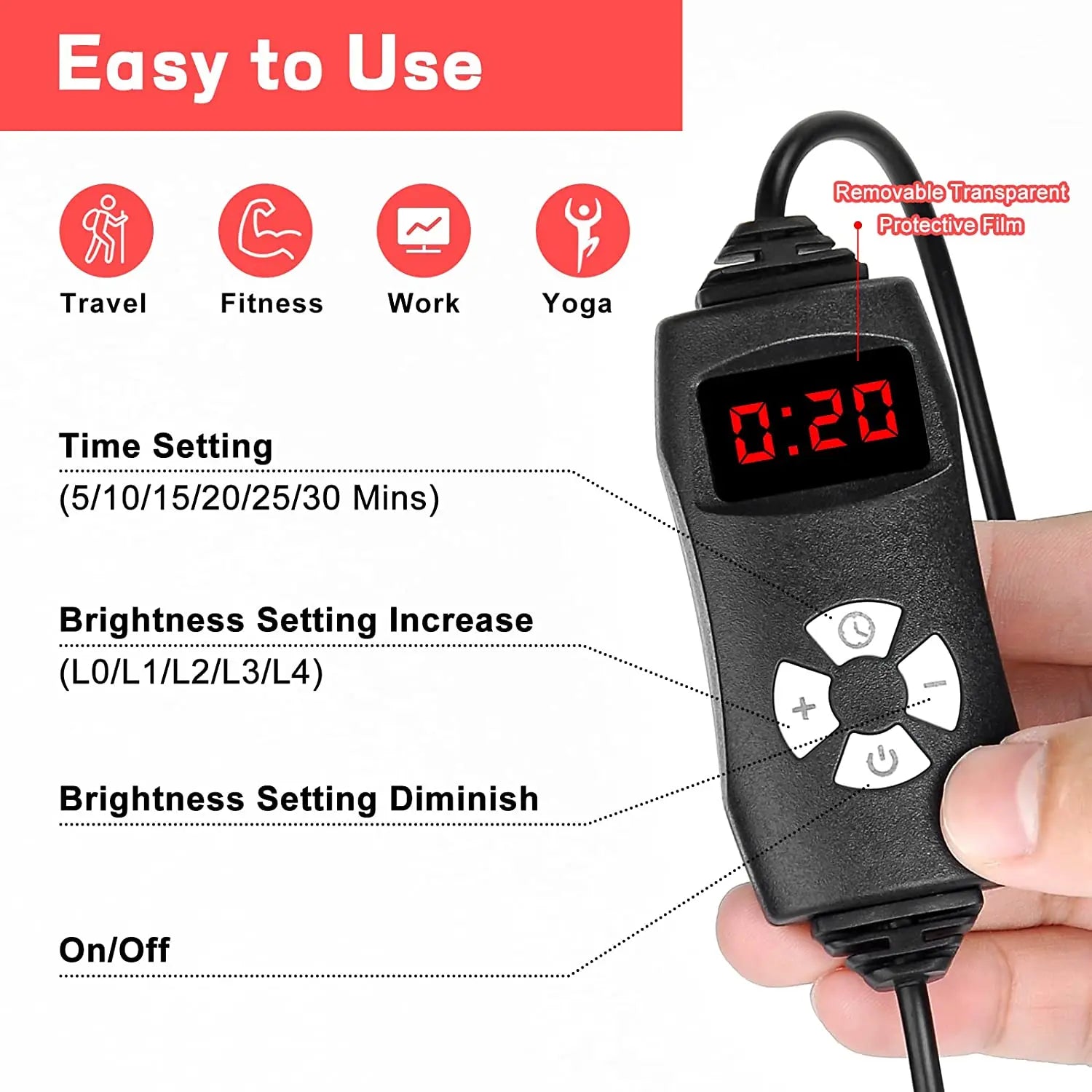
- Built-in automatic shut-off timers to prevent unnecessarily long sessions
- Reliable electrical safety testing and quality manufacturing standards
- Clear operating instructions and recommended treatment protocols
- Stable temperature management for comfortable daily use
Build Quality
A well-designed belt should fit securely so the LEDs remain close to the treatment area throughout each session. Features such as adjustable straps, durable materials, flexible construction, and intuitive controls improve both comfort and consistency.
For users seeking a wearable option with dual-wavelength LEDs and a hands-free design, the KentDO Infrared Belt is one example of a device built for regular home use with targeted treatment areas in mind.
How to Use a Red Light Therapy Belt for Best Results
Frequency & Duration
Most manufacturers recommend sessions lasting 10–20 minutes , performed 3–5 times per week . Some users may tolerate daily treatments depending on the device specifications and intended use, but following the manufacturer's instructions is the safest approach. Consistency is generally more important than increasing session length.
Common Mistakes to Avoid
- Using the device irregularly and expecting long-term benefits.
- Treating red light therapy as a replacement for exercise, rehabilitation, or medical care.
- Expecting rapid fat loss or body contouring from light therapy alone.
- Positioning the belt loosely so light cannot effectively reach the target area.
- Choosing devices without verified wavelength information or adequate power output.

Proper placement and consistent treatment help maximize the potential benefits of wearable red light therapy.
Infrared Therapy Belt Effectiveness: Pros & Cons
Advantages
- Hands-free design that fits easily into daily routines.
- Targeted treatment for muscles, joints, and localized discomfort.
- May support recovery, circulation, and temporary pain relief when used consistently.
- Portable and easier to use than larger full-body systems.
Limitations
- Smaller treatment area than full-size red light panels.
- Effectiveness depends on wavelength, irradiance, and regular use.
- Does not replace evidence-based medical treatment for serious conditions.
- Not a proven standalone solution for weight loss or body sculpting.
Consistent use and realistic expectations are key to getting the most from a red light therapy belt.
FAQ: Red Light Therapy Belts Explained
Do red light therapy belts really work for weight loss?
No. Current evidence does not show that red light therapy belts directly burn body fat. They may complement a healthy lifestyle by supporting recovery or temporarily reducing localized swelling, but sustainable fat loss still depends on nutrition, physical activity, and overall energy balance.
How long does it take to see results?
Some users notice less soreness or greater comfort within the first one to two weeks. More consistent improvements in recovery, circulation, or skin appearance often require three to six weeks or longer of regular treatment.
Can you use a red light therapy belt every day?
Many wearable devices are designed for frequent use, including daily sessions. However, always follow the manufacturer's recommended treatment schedule, as session duration and frequency vary between products.
Are red light therapy belts safe?
For most healthy adults, red light therapy is considered non-invasive and generally safe when used according to the manufacturer's instructions. People who are pregnant, have photosensitivity disorders, take light-sensitizing medications, or are receiving treatment for a medical condition should consult a healthcare professional before use.
Is red light better than near-infrared?
Neither is universally better. Red light primarily benefits superficial tissues such as the skin, while near-infrared light reaches deeper muscles and joints. Devices that combine both wavelengths provide greater versatility for different treatment goals.
What wavelength is best?
Many quality home devices use approximately 660 nm red light together with 850 nm near-infrared light because this combination supports both surface tissues and deeper structures.
Can a belt replace exercise or physical therapy?
No. A red light therapy belt should be viewed as a supportive tool rather than a replacement for exercise, rehabilitation programs, or professional medical care. It works best as part of a comprehensive wellness or recovery routine.
Pillar Article: How Long to Use Red Light Therapy? Best Devices Compared
Other Related Articles:
- Handheld Red Light Therapy Device Reviews: Top Picks for Fast Relief
- Portable Red Light Therapy Device Showdown: Which Works Best?
- Best Time to Do Red Light Therapy? 7 Devices Ranked for Results
- How Does Red Light Work? Top At-Home Devices Reviewed
Explore More:
- How to Use Red Light Therapy for Weight Loss: A Simple 5-Step Plan
- Portable Red Light Therapy Device Reviews: Top Picks Compared
Final Verdict: Are Red Light Therapy Belts Worth It?
For many people, the answer is yes—provided the device is used for evidence-supported purposes and with realistic expectations. Current research indicates that red light therapy belts can help reduce localized pain, support muscle recovery, improve circulation, and contribute to gradual improvements in skin appearance when used consistently as part of a healthy lifestyle.
They are a worthwhile investment for individuals who want a convenient, hands-free option for treating specific areas such as the lower back, shoulders, knees, hips, or thighs. Athletes, active adults, and people managing occasional muscle or joint discomfort may benefit the most from regular treatment.
On the other hand, a red light therapy belt is unlikely to meet expectations if your primary goal is rapid weight loss, permanent body contouring, or replacing exercise, rehabilitation, or medical care. While photobiomodulation can complement an overall wellness plan, it should not be viewed as a standalone solution for these outcomes.
When comparing devices, prioritize clinically relevant wavelength combinations, sufficient power output, comfortable fit, reliable build quality, and consistent treatment protocols over marketing claims. A well-designed device used regularly is far more likely to deliver meaningful results than an expensive product used only occasionally.
Overall, red light therapy belts represent a practical home treatment option with growing scientific support for recovery, pain management, and selected skin-health applications. Choosing a quality device, following the recommended treatment schedule, and maintaining realistic expectations are the keys to achieving the best long-term results.













