

How Long Should You Use Red Light Therapy? (Complete Timing & Schedule Guide)
If you're wondering how long you should use red light therapy to see noticeable results, the answer depends on your treatment goal, your device's power output, and how consistently you follow your schedule. Whether you're using 850 nm near-infrared light to support muscle recovery, manage discomfort, improve skin appearance, or complement a fat-loss routine, the right treatment duration is more important than simply extending session length. This guide explains the ideal red light therapy duration per session, recommended weekly frequency, treatment distance, and dosage principles to help you achieve consistent results safely.
Quick Answer: How Long to Use Red Light Therapy?
For most at-home red light therapy devices, a session of 10–20 minutes per treatment area provides an effective balance between energy delivery and convenience. The ideal schedule varies according to your objective, the device's irradiance, and the size of the area being treated.
- Skin & anti-aging: 10–15 minutes per area, 3–5 sessions each week
- Pain relief: 15–20 minutes, once daily or every other day during active symptoms
- Muscle recovery: 10–20 minutes after exercise or 3–5 times weekly
- Fat reduction: 15–25 minutes, 3–5 sessions per week alongside healthy lifestyle habits
Key takeaway: Consistent treatments are more effective than occasional long sessions. Increasing treatment time beyond the recommended range does not necessarily improve results because the body responds best to an appropriate light dose rather than maximum exposure.
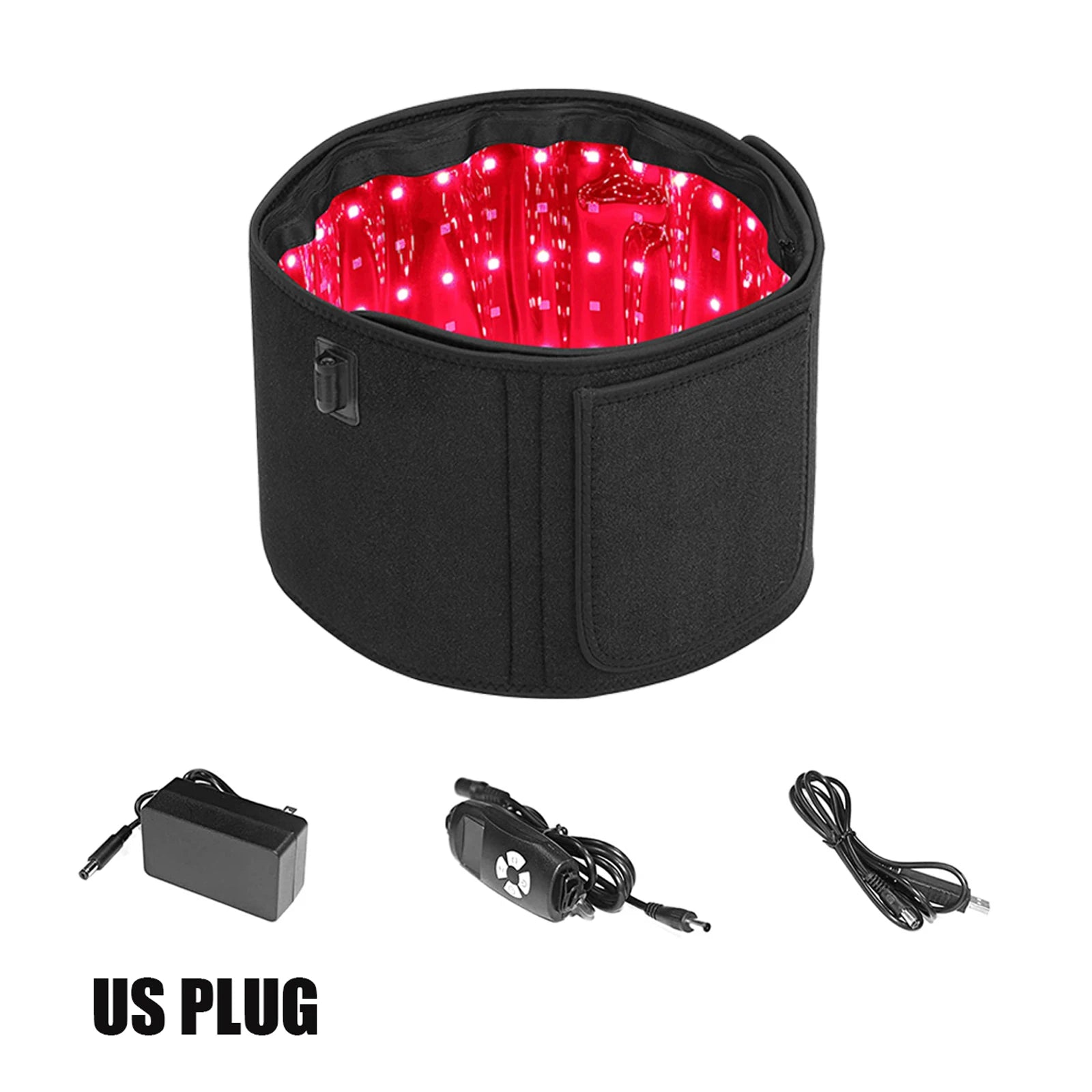
Explore 850 nm red light benefits for at-home use — See it in action
Red Light Therapy Dosage Explained (Time, Frequency & Distance)
Red light therapy duration per session
Most quality home devices are designed to deliver an effective treatment dose within 10–20 minutes per treatment area . Higher-powered LED panels often require shorter sessions because they deliver more light energy over the same period, while compact handheld devices and wearable products may require slightly longer exposure to achieve a similar dose.
Rather than extending every session, follow the schedule recommended for your specific device and treatment goal. Proper dosage is generally more beneficial than simply increasing treatment time.
How often to use red light therapy
Most users benefit from 3–5 treatments per week , especially for skin health, wellness, and recovery. Daily use may be appropriate for short-term discomfort or rehabilitation, while maintenance commonly requires only two or three weekly sessions after initial improvements are achieved.
Missing treatments occasionally is unlikely to eliminate progress, but maintaining a consistent weekly schedule usually produces more predictable long-term results.
Red light therapy time per area
Each treatment area should receive its own recommended exposure. For example, if treating both the face and neck, complete the recommended session for the face before repeating the appropriate duration on the neck instead of dividing the time between both areas.
This approach helps ensure each area receives an adequate light dose for the intended purpose.
Distance from device matters
Distance directly influences the amount of light energy reaching your tissues. Most consumer devices perform best when positioned approximately 15–30 cm (6–12 inches) from the treatment area unless the manufacturer specifies another range.
Moving farther away reduces irradiance, which may require longer sessions to deliver a comparable dose. Conversely, more powerful clinical-grade systems often achieve effective treatment in less time because of their higher light output.
Understanding dose: irradiance and energy density
Session length is only one part of an effective red light therapy protocol. The total dose depends on the combination of irradiance (light intensity) and energy density , typically measured in joules per square centimeter (J/cm²).
A device with higher irradiance can often deliver the desired energy dose in a shorter period, whereas lower-powered devices generally require longer sessions. This is one reason professional treatment panels may recommend shorter exposures than many portable home devices.
Because more exposure is not always better, aim for the recommended dose rather than the longest possible session. Following an appropriate duration, maintaining the correct treatment distance, and using the device consistently usually provides better outcomes than excessive exposure.
Here is the rewritten HTML fragment for Part 2.Recommended Red Light Therapy Schedule by Goal
Skin & anti-aging
Improving skin quality typically requires moderate, consistent treatments rather than extended sessions. Supporting collagen production and skin renewal is a gradual process, so regular use over several weeks generally produces better results than occasional intensive treatments.
- Duration: 10–15 minutes per treatment area
- Frequency: 3–5 sessions each week
- Primary goals: Improve skin tone, soften the appearance of fine lines, and support healthier-looking skin
- Typical schedule: Monday, Wednesday, Friday, with optional weekend sessions for more intensive routines
Pain relief & inflammation
For sore joints, chronic discomfort, or post-injury recovery, shorter intervals between treatments are often more beneficial during the initial phase. As symptoms improve, many people transition to a maintenance schedule.
- Duration: 15–20 minutes per area
- Frequency: Daily or every other day during active recovery
- Primary goals: Support recovery, reduce inflammation, and improve comfort
- Maintenance: Reduce to 2–3 sessions weekly once desired results are maintained
Muscle recovery & performance
Red light therapy is commonly used before or after exercise to support recovery. Athletes often incorporate treatments into their regular training routine rather than using them only after intense workouts.
- Duration: 10–20 minutes
- Frequency: After workouts or 3–5 times each week
- Primary goals: Reduce muscle soreness, support tissue recovery, and promote consistent training performance
- Best practice: Treat the muscle groups that received the greatest workload during training
Hair growth support
Hair-focused red light therapy typically follows a different schedule because hair follicles respond slowly to light-based stimulation. Consistency over several months is generally more important than longer individual sessions.
- Duration: 10–15 minutes
- Frequency: 3–5 times per week
- Primary goals: Support scalp health and healthy hair growth when used with an appropriate device
- Expected timeframe: Visible improvements often require several months of consistent use
Fat reduction & body contouring
Body contouring protocols usually involve repeated treatments over multiple weeks. Red light therapy should be viewed as a complement to healthy nutrition and regular physical activity rather than a replacement for either.
- Duration: 15–25 minutes
- Frequency: 3–5 sessions per week
- Primary goals: Support body contouring and target stubborn treatment areas
- Best results: Combine treatments with regular exercise and a balanced diet
Red Light Therapy Results Timeline (What to Expect Week by Week)
The red light therapy results timeline varies according to the condition being treated, treatment consistency, device quality, and individual factors such as age and overall health. While some people notice subtle changes early, meaningful improvements typically require several weeks of regular use.
- Week 1–2: Some users notice temporary improvements in circulation, reduced post-workout soreness, or healthier-looking skin.
- Week 3–4: Skin texture may begin to improve, inflammation may decrease, and recovery between workouts often becomes more consistent.
- Week 4–8: Many users observe more noticeable improvements in skin appearance, comfort, or recovery when following a regular treatment schedule.
- After 8 weeks: Continued use helps support ongoing collagen production, long-term recovery, and maintenance of previous improvements.
Individual results vary, and missing treatments regularly may slow progress. Following a consistent schedule is generally more effective than extending individual sessions.
How Red Light Therapy Works (ATP, Cells & 850 nm Benefits)
Mitochondria and ATP production
Red light therapy works by delivering specific wavelengths of light that are absorbed by structures within the mitochondria, often called the cell's energy producers. This process supports the production of ATP (adenosine triphosphate) , the molecule cells use as their primary energy source for normal repair and maintenance.
Higher cellular energy may help tissues respond more efficiently to everyday repair processes, which is why regular treatment schedules are generally recommended instead of infrequent, prolonged sessions.
850 nm red light benefits explained
Near-infrared light at approximately 850 nm penetrates more deeply than visible red wavelengths, allowing it to reach muscles, connective tissues, and joints more effectively. This makes it a common choice for recovery-focused treatments.
- Supports muscle and joint recovery
- Helps promote healthy circulation
- Supports the body's normal response to inflammation
- Reaches deeper tissues than visible red light alone
Red vs near-infrared wavelengths
Visible red light, commonly around 630–660 nm, is primarily used for surface-level concerns such as skin appearance. Near-infrared wavelengths around 810–850 nm penetrate deeper beneath the skin and are more commonly selected for muscles, joints, and connective tissues.
Many modern devices combine both wavelength ranges to provide broader coverage, allowing a single treatment session to address superficial tissues and deeper structures simultaneously.
Is Red Light Therapy Safe for Daily Use?
Safe exposure limits
For most healthy adults, red light therapy is generally considered safe when used as directed. Many at-home devices are designed for one treatment per day for each body area , while maintenance routines often require only three to five sessions per week.
Using the recommended treatment duration and maintaining the proper distance from the device helps deliver an appropriate dose of light without unnecessary exposure. More frequent or longer sessions do not necessarily produce better outcomes.
Yes. Although red light therapy has a favorable safety profile, excessive exposure may reduce treatment efficiency and occasionally contribute to temporary skin warmth, redness, or mild irritation in sensitive individuals.
- Avoid significantly exceeding the recommended session duration.
- Allow treated areas to recover between sessions if irritation occurs.
- Use the manufacturer's recommended treatment distance rather than moving extremely close to the LEDs.
- Increase treatment frequency gradually if you are new to red light therapy.
Consistency and correct dosage are generally more effective than extending individual sessions.
Who should avoid it
While red light therapy is suitable for many users, certain individuals should seek medical guidance before beginning treatment.
- People with light-sensitive medical conditions
- Individuals taking medications that increase photosensitivity
- Those with active skin infections or untreated open wounds unless advised by a healthcare professional
- Anyone receiving treatment for a serious medical condition who has questions about light therapy compatibility
Eye safety should also be considered. Although many consumer devices are designed for safe use, bright LEDs can be uncomfortable to look at directly. Protective eyewear may be recommended, particularly when using high-powered panels or treating areas near the eyes.
Common Mistakes That Reduce Results
- Using treatments inconsistently instead of following a regular weekly schedule
- Standing farther from the device than recommended, reducing light intensity
- Expecting visible improvements after only a few sessions
- Using longer sessions than necessary with high-output devices
- Treating multiple body areas without providing adequate time for each one
- Ignoring the manufacturer's recommended treatment distance and session duration
How to Maximize Red Light Therapy Results
Follow a consistent treatment schedule
The most reliable improvements come from maintaining a routine over several weeks. Whether your goal is healthier-looking skin, muscle recovery, or improved comfort, following your planned schedule is typically more beneficial than increasing session length.
- Schedule treatments on the same days each week.
- Avoid skipping multiple sessions whenever possible.
- Adjust your routine only after evaluating progress over several weeks.
Optimize device positioning
Proper positioning helps ensure the intended light dose reaches the treatment area. Keep the device at the recommended distance, expose clean skin whenever practical, and position the LEDs directly toward the target area for even coverage.
- Maintain consistent treatment distance.
- Treat each area individually when multiple body regions are involved.
- Avoid unnecessary movement during the session.
Track progress over time
Many benefits develop gradually, making simple progress tracking worthwhile. Recording treatment frequency, duration, and any noticeable changes can help you determine whether your current protocol is effective.
- Take progress photos every two to four weeks for skin-related goals.
- Record pain levels or recovery time if treating muscles or joints.
- Review your routine after four to eight weeks before making significant adjustments.
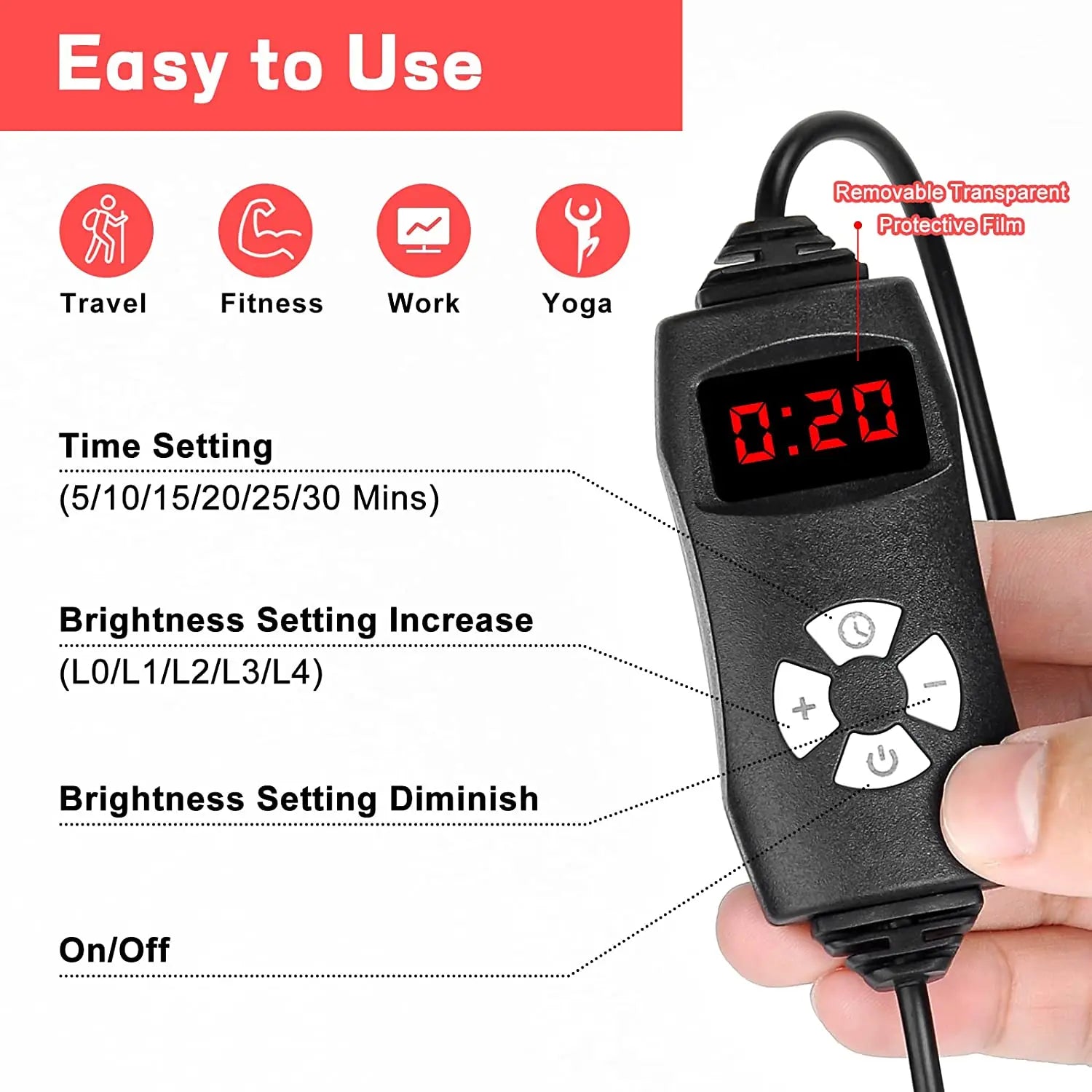
Portable red light for targeted fat reduction and muscle recovery — See it in action
Portable vs. Stationary Devices (Do They Affect Duration?)
The type of red light therapy device you use has a direct impact on the ideal treatment time. Differences in irradiance (light intensity), treatment area, and wavelength output determine how quickly an effective dose reaches the target tissue.
- Portable devices: Typically deliver lower irradiance and often require 15–25 minutes per treatment area to reach the recommended dose.
- Stationary LED panels: Usually produce higher light intensity, allowing many treatments to be completed in 10–15 minutes .
- LED face masks: Commonly use fixed treatment programs lasting around 10–20 minutes for facial care.
- Wearable belts and wraps: Session length varies according to power output and treatment area but generally falls within the 15–25 minute range.
Rather than choosing the longest session available, match your treatment time to your device's specifications. Higher-output systems often require shorter exposure because they deliver more energy per minute, while lower-powered portable devices compensate with longer sessions.
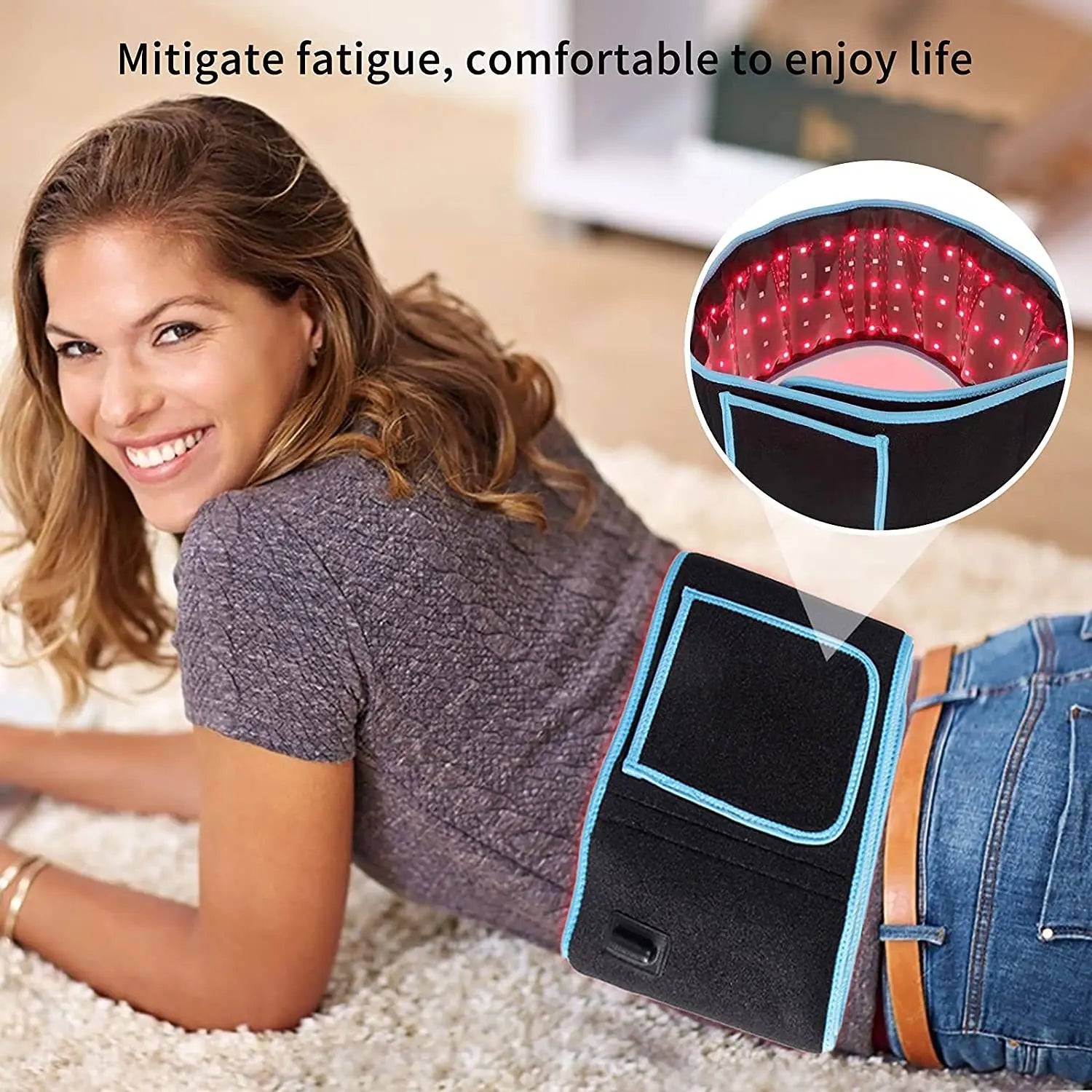
Consistent use of portable red light devices supports recovery and wellness goals when paired with an appropriate treatment schedule.
FAQ: Red Light Therapy Duration & Safety
How many minutes red light therapy per session?
For most home devices, 10–20 minutes per treatment area is an effective session length. Higher-powered panels may require less time, while compact or wearable devices may require slightly longer treatments.
Can you overuse red light therapy?
Yes. Using sessions that are much longer or more frequent than recommended does not necessarily improve results and may contribute to temporary skin irritation or reduced treatment efficiency. Following the recommended schedule is generally the best approach.
Should you use it every day?
Daily use is appropriate for some recovery or pain-management goals, but many people achieve excellent results with three to five sessions per week . Your ideal schedule depends on your treatment objective and device output.
How long does red light therapy take to work?
Some users notice subtle improvements in circulation or post-exercise recovery within the first two weeks, while visible changes in skin appearance, comfort, or recovery commonly require four to eight weeks of consistent use.
Does red light therapy work long term?
Long-term use can help maintain improvements in skin appearance, muscle recovery, and overall treatment outcomes when sessions are performed consistently and according to the recommended protocol.
How long should you use red light therapy each day?
Most people should limit treatment to one appropriately timed session per body area each day. Extending treatment beyond the recommended duration generally offers little additional benefit.
How often should you use red light therapy for skin benefits?
For skin-focused goals, three to five treatments per week with sessions lasting approximately 10–15 minutes per area is a common schedule used by many at-home devices.
Can too much red light therapy be harmful?
Red light therapy has a favorable safety profile when used correctly, but excessive exposure may cause temporary redness or discomfort. Appropriate dosage is typically more effective than increasing treatment time.
Does 850 nm red light work better for deeper tissues?
Near-infrared light around 850 nm penetrates more deeply than visible red wavelengths, making it well suited for muscles, joints, and other deeper tissues. Visible red light is generally preferred for surface-level skin applications, and many devices combine both wavelength ranges.
Related Articles:
- Handheld Red Light Therapy Device Reviews: Top Picks for Fast Relief
- Portable Red Light Therapy Device Showdown: Which Works Best?
- Daily Red Light Therapy Review: Which Device Fits Your Routine
- Best Time to Do Red Light Therapy? 7 Devices Ranked for Results
- How Does Red Light Work? Top At-Home Devices Reviewed
Pillar Articles:













