

How Does Red Light Work? The Complete Guide to Red Light at Home (Devices, Results & Safety)
Curious about how does red light work to support healthier skin, reduce inflammation, and promote recovery? This guide explains the science behind red light at home, how near infrared and red light therapy interact with your cells, and what current evidence says about their effectiveness. You'll also learn why treatment parameters matter and what realistic results you can expect from consistent at-home use.
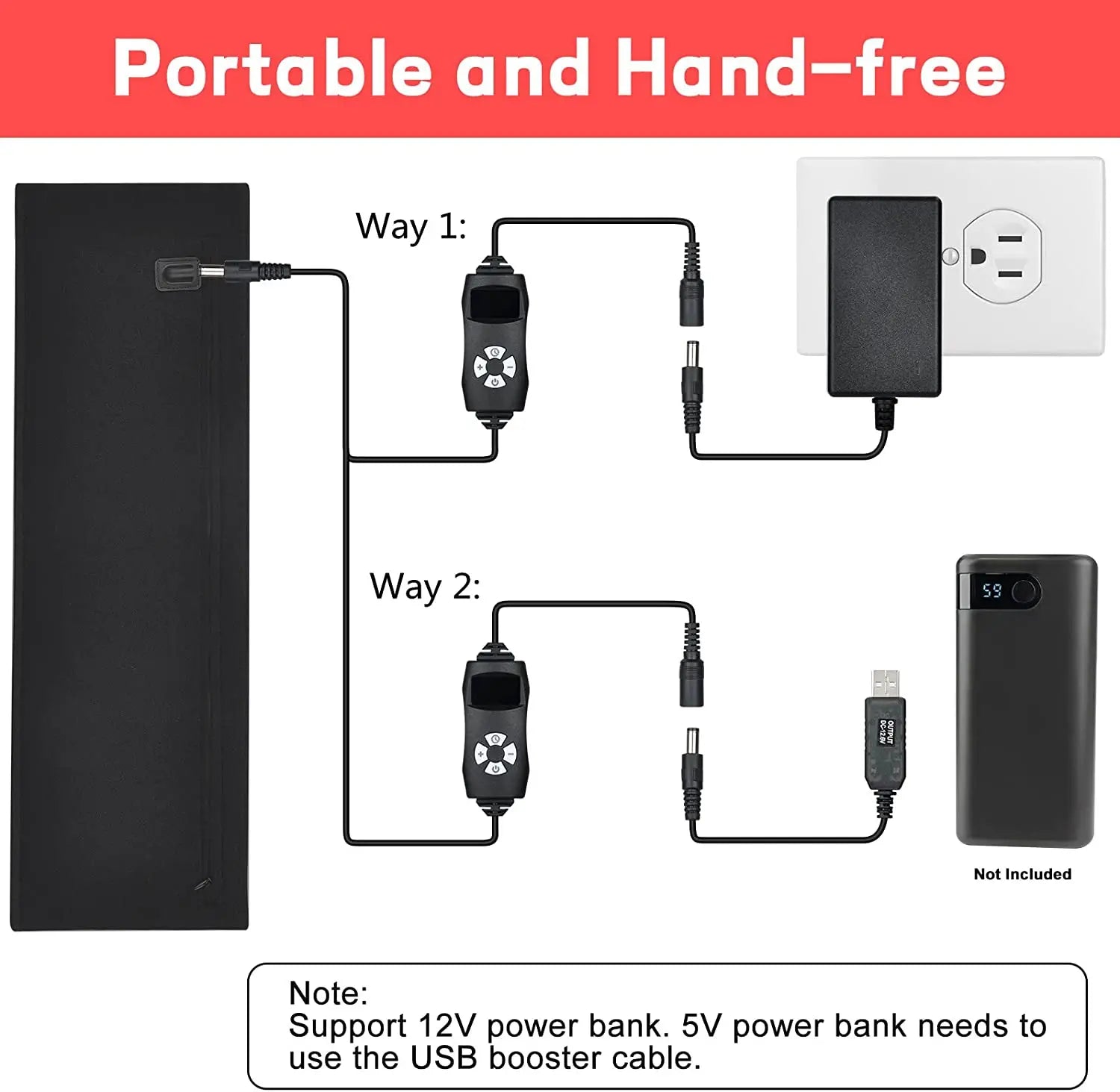
Explore how red light therapy works at home — See it in action!
What Is Red Light Therapy?
Red light therapy is a non-invasive treatment that uses carefully selected wavelengths of visible red light and near infrared light to stimulate normal cellular activity. Today, red light at home has become increasingly popular through LED masks, portable handheld devices, wearable belts, and larger treatment panels that allow users to follow regular wellness routines without visiting a clinic.
The biological process behind this technology is known as photobiomodulation . Rather than generating heat or damaging tissue, photobiomodulation delivers specific wavelengths of light that are absorbed by structures inside cells. This interaction may help support normal cellular repair, collagen production, and healthy inflammatory responses when used consistently.
Most quality at-home red light therapy devices emit wavelengths within approximately 630–660 nm for visible red light and 810–880 nm for near infrared light. While home devices generally produce lower power output than professional systems, they are designed for repeated use over time, making consistency an important factor in achieving noticeable improvements.
How Do Red Lights Work? (Science Explained Simply)
Understanding how do red lights work starts with the mitochondria—the energy-producing structures found inside nearly every cell. Mitochondria generate adenosine triphosphate (ATP), the molecule that powers cellular activities such as repair, growth, and maintenance.
When appropriate wavelengths of red or near infrared light reach the tissue, light-sensitive molecules within the mitochondria absorb this energy. Researchers believe this process can improve mitochondrial efficiency and temporarily increase ATP production, allowing cells to function more effectively during normal repair processes.
As a result, regular treatment may support:
- Healthier collagen production and skin renewal
- Reduced visible redness associated with minor inflammation
- Improved local circulation that supports tissue recovery
- More efficient cellular repair after physical stress
Red Light vs Near Infrared
Although they are often used together, red light and near infrared light therapy serve slightly different purposes because they penetrate tissue to different depths.
- Red light (approximately 630–660 nm) primarily affects the upper layers of the skin, making it well suited for concerns such as fine lines, uneven skin tone, and overall skin appearance.
- Near infrared light (approximately 810–880 nm) penetrates more deeply and is commonly used when the goal is to support muscles, connective tissues, and joints.
Many modern devices combine both wavelength ranges to provide more comprehensive coverage for users interested in both skin health and deeper tissue support.
How Different Wavelengths Affect Tissue
One common question is, does near infrared light therapy work better than red light? The answer depends on the treatment goal rather than one wavelength being universally superior. Red light delivers most of its energy closer to the skin's surface, while near infrared light reaches deeper tissues because it scatters less as it travels through the body.
For this reason, evidence-supported treatment protocols frequently combine near infrared and red light therapy instead of relying on a single wavelength. Selecting the appropriate wavelength, maintaining the recommended treatment distance, and following a consistent schedule are generally more important than simply choosing the highest-powered device.
Red Light vs Near Infrared: What Works Better at Home?
Wavelengths & Penetration Depth
Although red light and near infrared light are often used together, they interact with tissue differently because of their wavelengths and penetration depth. Red light in the 630–660 nm range primarily reaches the upper layers of the skin, where it is commonly used to support collagen production, improve skin texture, and reduce the appearance of fine lines and redness.
Near infrared light, typically between 810–880 nm , penetrates deeper beneath the skin. This makes it more suitable for targeting muscles, connective tissues, and joints where recovery and comfort are often the primary goals.
When to Use Each Type
- Choose red light when your focus is skin rejuvenation, uneven skin tone, acne support, or reducing visible signs of aging.
- Choose near infrared light for muscle recovery, exercise-related soreness, and support for joints or deeper tissues.
- Many quality at-home devices combine both wavelengths to provide broader treatment coverage in a single session.
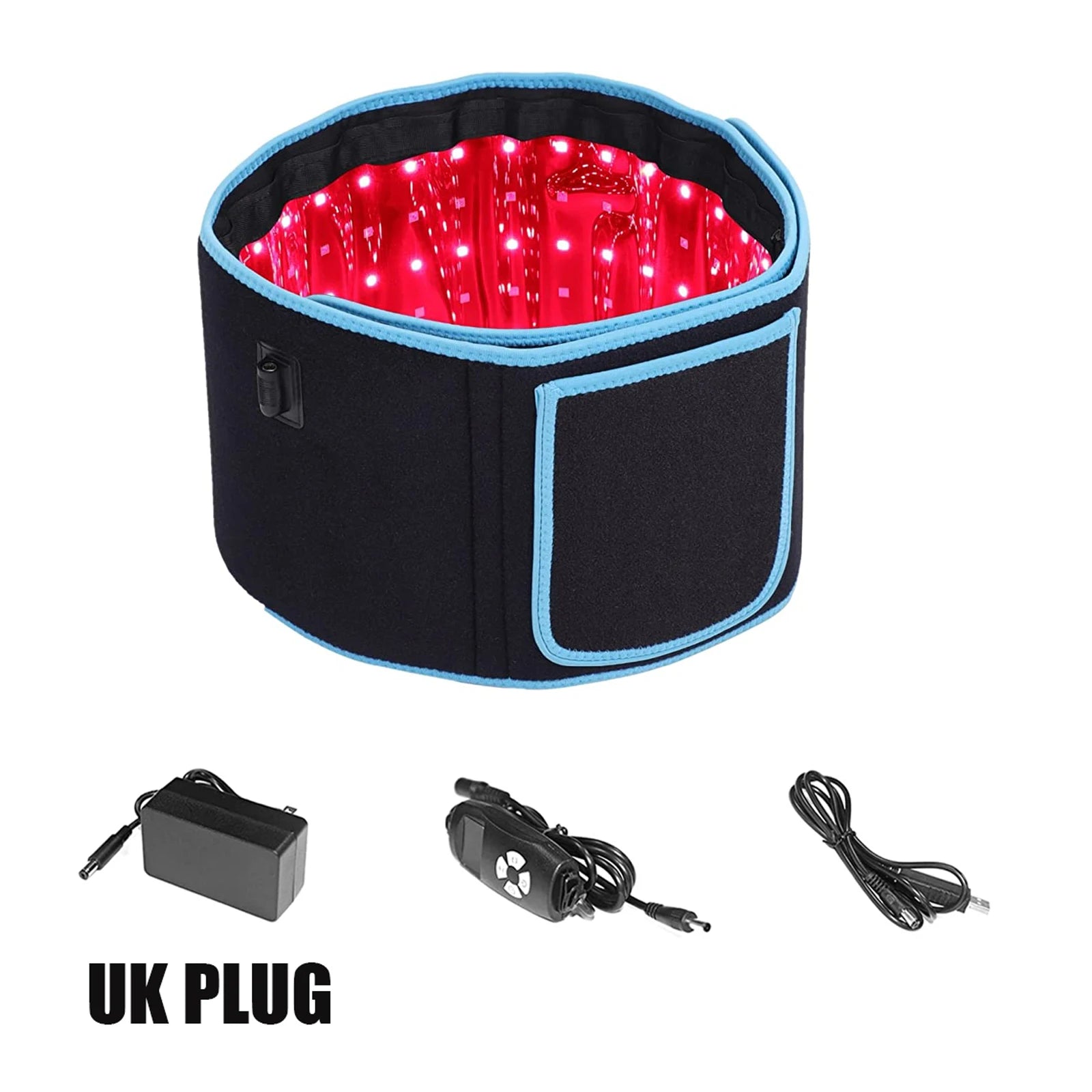
Compare near infrared and red light therapy — Choose based on your goals!
Does Red Light Therapy at Home Work? (Evidence & Reality Check)
Current research suggests that at-home red light therapy can produce measurable benefits when users select an appropriate device and follow a consistent treatment schedule. However, the effectiveness of home devices depends on several factors, including wavelength accuracy, irradiance, treatment distance, and total treatment time.
Clinical studies have found the strongest evidence for improvements in skin quality, temporary relief of certain types of musculoskeletal discomfort, and support for normal tissue healing. Because home devices generally operate at lower power than professional systems, noticeable improvements typically develop gradually over multiple weeks rather than after a few sessions.
Many users begin seeing early changes after 4–8 weeks of regular treatment, while more substantial improvements often require 8–12 weeks or longer, depending on the condition being treated.
- Accurate wavelengths are essential for delivering light to the intended tissues.
- Appropriate power output and treatment duration influence the total dose received.
- Using the device consistently, typically 3–5 sessions per week , is one of the biggest predictors of success.
Benefits of Red Light at Home
Skin Health
One of the best-supported uses of red light at home is improving overall skin appearance. Research suggests that regular treatment may stimulate collagen production, promote healthy skin renewal, and reduce mild inflammation associated with aging or environmental stress.
- Improved skin texture and firmness
- Reduced appearance of fine lines and wrinkles
- More even skin tone with less visible redness
- Support for mild acne and post-inflammatory skin recovery
Most skin-related improvements develop gradually over several weeks, making consistent at-home red light therapy more effective than occasional use.
Pain & Recovery
Devices that include near infrared wavelengths may also support recovery after exercise and help relieve minor muscle or joint discomfort. While results vary between individuals, evidence suggests photobiomodulation may assist normal recovery by supporting circulation and cellular repair processes.
- Reduced post-exercise muscle soreness
- Support for temporary joint stiffness
- Improved recovery between workouts
- Enhanced comfort following repetitive physical activity
Hair & Other Emerging Uses
Researchers continue studying additional applications for at-home red light therapy. Early evidence suggests certain FDA-cleared light devices may support hair growth in people with hereditary hair loss, while other potential uses—including sleep quality, athletic performance, and broader wellness applications—remain areas of ongoing research with less conclusive evidence.
Across all treatment goals, realistic expectations are important. Red light therapy is designed to support the body's normal biological processes rather than provide immediate or permanent results, so benefits are typically cumulative with regular long-term use.
How to Use Red Light Therapy at Home (Step-by-Step Protocols)
Routine for Skin & Anti-Aging
- Cleanse your skin and remove makeup, sunscreen, or skincare products that may block light exposure.
- Position the device according to the manufacturer's recommended distance, typically about 6–12 inches for many facial devices.
- Expose the treatment area for approximately 10–15 minutes per session.
- Repeat treatments 3–5 times per week, allowing consistency to build cumulative results.
Routine for Pain & Recovery
- Place the light directly over the muscle, joint, or treatment area.
- Select near infrared mode if your device offers multiple wavelength settings.
- Treat the area for approximately 10–20 minutes based on the manufacturer's recommendations.
- Repeat daily or every other day depending on your symptoms and recovery goals.
Timing, Distance & Frequency
- Follow the recommended treatment distance to achieve the intended light dose.
- Longer sessions are not always better—avoid exceeding the manufacturer's suggested treatment time.
- Consistency over weeks generally produces better results than occasional high-dose sessions.
- Maintain a regular schedule and document your progress with photos or symptom tracking.
How Long Does Red Light Therapy Take to Work?
Typical Results Timeline
A common question is whether does red light therapy at home work quickly enough to justify the investment. While individual responses vary, most improvements develop gradually because photobiomodulation supports normal biological repair processes rather than producing immediate cosmetic changes.
Typical timelines reported in clinical studies and by manufacturers include:
- Skin appearance: Early improvements often become noticeable after 4–8 weeks of consistent treatment.
- Exercise recovery and minor discomfort: Some users report improvements within 1–2 weeks, although responses vary considerably.
- Fine lines and collagen-related changes: More meaningful improvements generally require 8–12 weeks or longer.
Even after visible improvements appear, maintaining a regular red light at home routine is usually necessary to support ongoing results.
Factors That Influence Results
No two users experience identical outcomes. Several factors determine how quickly benefits develop and how noticeable they become.
- Device quality, wavelength accuracy, and irradiance.
- Treatment distance and total light dose delivered during each session.
- Frequency and consistency of use over several weeks.
- The condition being treated and individual biological differences such as age and skin characteristics.
- Overall lifestyle factors including sleep, nutrition, and recovery habits.
Missing treatments occasionally is unlikely to eliminate progress, but inconsistent use over long periods can significantly slow improvements because the therapeutic effects are cumulative.
How to Choose the Right Device (Buyer Framework)
LED vs Laser Devices
Most home red light therapy devices use LEDs because they safely illuminate larger treatment areas while remaining practical for routine use. Laser devices produce highly focused light and are more commonly used in clinical settings where trained professionals control treatment parameters.
Power Output & Coverage
Look beyond marketing claims and consider specifications such as irradiance, treatment area, and wavelength accuracy. A device that delivers an appropriate light dose over the intended treatment area is generally more important than simply choosing the highest advertised power output.
Portable vs Panel Devices
- Portable handheld devices: Best for treating smaller areas such as the face, joints, or localized discomfort.
- Panels: Suitable for users who want to treat larger body areas or perform full-body sessions.
- Belts and wearable wraps: Convenient for targeted treatment of the waist, back, knees, shoulders, or other specific body regions while allowing greater mobility during sessions.
Safety, Risks & Mistakes to Avoid
At-home red light therapy is generally considered safe when quality devices are used according to the manufacturer's instructions. While adverse effects are uncommon, using incorrect treatment parameters or ignoring safety recommendations can reduce effectiveness or occasionally cause temporary discomfort.
Eye Protection
Some high-intensity LED devices produce bright light that may be uncomfortable to view directly. If recommended by the manufacturer, wear the supplied eye protection, especially when treating areas near the face. Never stare directly into illuminated LEDs during a treatment session.
Overuse & Incorrect Distance
More light is not always better. Excessively long sessions or treating the skin from an inappropriate distance may not improve outcomes and can increase the likelihood of temporary irritation.
- Follow the recommended session duration for your specific device.
- Maintain the suggested treatment distance throughout the session.
- Avoid treating the same area repeatedly in an attempt to accelerate results.
- Keep the device clean and inspect it regularly for damage.
When to Stop Treatment
Discontinue treatment and seek medical advice if you experience persistent skin irritation, worsening symptoms, unusual discomfort, or any unexpected reaction. Individuals taking medications that increase light sensitivity or those with significant medical conditions should consult a healthcare professional before beginning an at-home red light therapy program.
Tips for Best Results at Home
- Follow a consistent treatment schedule instead of using the device sporadically.
- Begin each session with clean, dry skin unless your device instructions specify otherwise.
- Combine red and near infrared light when your treatment goals include both skin health and deeper tissue support.
- Take progress photos or keep a treatment log every week to monitor gradual improvements.
- Support your routine with healthy habits such as adequate sleep, balanced nutrition, hydration, and regular exercise.
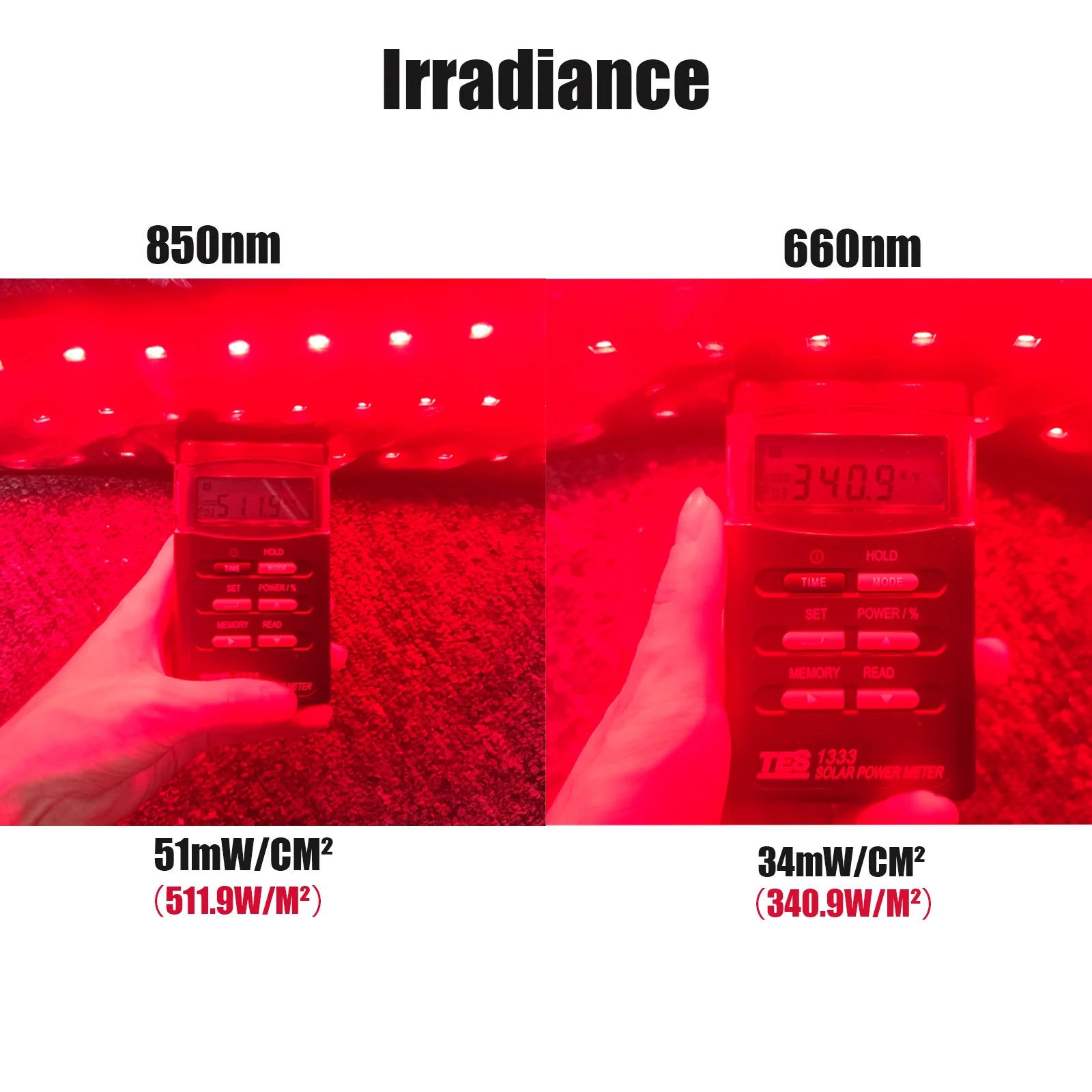
Build a consistent red light routine for visible long-term results.
What Red Light Therapy Cannot Do
Common Myths
Understanding the limitations of red light therapy is just as important as understanding its potential benefits. While research supports several applications, realistic expectations help you judge results more accurately and avoid disappointment.
- Red light therapy does not produce overnight improvements in skin, pain, or recovery.
- It is not a replacement for evidence-based medical diagnosis or treatment.
- It should not be viewed as a standalone solution for weight loss without appropriate nutrition and physical activity.
- Benefits are cumulative, meaning consistent treatment is generally required before meaningful improvements become noticeable.
Marketing Claims vs Evidence
One of the most common questions is whether does red light therapy at home work . Current evidence suggests it can support skin health, recovery, and certain musculoskeletal conditions when quality devices are used correctly. However, consumers should be cautious of products claiming instant rejuvenation, permanent fat reduction, or guaranteed results regardless of treatment protocol.
The strongest outcomes typically come from combining realistic expectations, an appropriate treatment schedule, and a device that delivers clinically relevant wavelengths rather than relying solely on marketing claims.
Mini FAQ
Do at-home red light therapy devices really work?
Yes. Research indicates that quality at-home devices can support skin health, recovery, and certain types of temporary pain relief when they deliver appropriate wavelengths and are used consistently over several weeks.
How often should I use red light therapy at home?
Most manufacturers recommend approximately 3–5 sessions per week for general wellness and skin care, although some targeted recovery protocols may suggest daily use. Always follow the instructions provided with your specific device.
What wavelength is best for home red light therapy?
Visible red light around 630–660 nm is commonly used for skin-related goals, while near infrared wavelengths around 810–880 nm penetrate deeper and are often selected for muscles and joints. Many home devices combine both ranges.
Can I use red and near infrared light together?
Yes. Combining red and near infrared light therapy allows one session to target both superficial skin tissues and deeper structures, making it a practical option for users with multiple treatment goals.
How do I use handheld red light therapy correctly?
Keep the handheld device at the recommended distance, treat each area for the suggested session length, and follow a consistent weekly schedule. Avoid extending treatment times beyond the manufacturer's recommendations.
Are portable red light therapy machines effective?
Portable devices can be highly effective for localized treatment areas such as the face, knees, shoulders, or lower back. While they cover smaller areas than large panels, they offer excellent convenience and encourage consistent use.
Is red light therapy safe to use every day?
Some devices are designed for daily use, while others recommend treatments several times per week. Safety depends on the specific device, treatment parameters, and the manufacturer's instructions rather than a universal schedule.
What's the difference between home and professional red light therapy?
Professional systems generally deliver higher irradiance and may treat larger areas more efficiently. Home devices use similar technology but typically require more frequent sessions over a longer period to achieve comparable improvements.
Pillar Article: How Long to Use Red Light Therapy? Best Devices Compared
Other Related Articles:
- Handheld Red Light Therapy Device Reviews: Top Picks for Fast Relief
- Portable Red Light Therapy Device Showdown: Which Works Best?
- Daily Red Light Therapy Review: Which Device Fits Your Routine?
- Best Time to Do Red Light Therapy? 7 Devices Ranked for Results
Explore More:













