

Can you use a heating pad too much?
Yes, you can use a heating pad too much. Using heat therapy for longer than 20–30 minutes per session or at high temperatures can cause skin irritation, burns, or reduced sensitivity. Safe heating pad usage means limiting session time, allowing breaks, and choosing features like automatic shutoff protection when available.
Can You Use a Heating Pad Too Much? Safety Tips
⏱ 6 min read
If you rely on heat therapy to unwind tight muscles or manage daily aches, you've probably wondered: can you use a heating pad too much? Heat feels comforting and effective, but without the right habits, it can quietly cause irritation, skin damage, or delayed recovery. This guide explains safe heating pad use, recommended session lengths, warning signs of overuse, and practical tips to help you enjoy heat therapy safely.
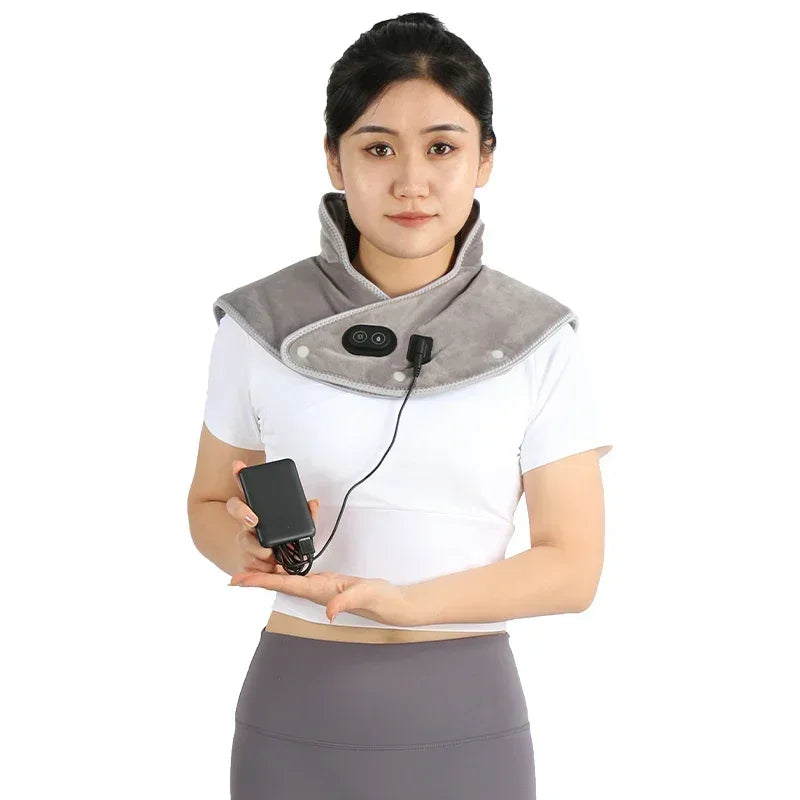
Safe heating pad usage starts with awareness and comfort 💡 See it in action
Can You Use a Heating Pad Too Much?
The Short Answer
Yes, you can use a heating pad too much. While heat therapy can help relieve muscle tension, stiffness, and chronic aches, prolonged or excessive heat exposure may increase the risk of skin irritation, burns, heat-related skin changes, and delayed recovery in some situations.
Most healthcare providers recommend limiting heat therapy sessions to about 15–20 minutes at a time unless a medical professional advises otherwise. Using a heating pad for too long, especially on high settings or while sleeping, increases the likelihood of complications.
When Heat Therapy Becomes Risky
Heat therapy becomes riskier when:
- The heating pad is used continuously for extended periods.
- The temperature setting is excessively high.
- The user has reduced sensation due to a medical condition.
- Heat is applied directly to damaged or irritated skin.
- The heating pad is used overnight.
Understanding safe limits is important because even low-level heat exposure can gradually damage skin if applied for too long.
What Happens If You Use a Heating Pad Too Long?
Effects on Skin and Soft Tissue
Extended heat exposure can cause redness, irritation, dryness, and mild burns. Repeated exposure over time may contribute to a condition known as erythema ab igne, a heat-related skin discoloration associated with chronic exposure to warmth.
Heat Exposure and Nerve Sensitivity
People with reduced sensation may not realize the skin is becoming overheated. This increases the risk of burns because discomfort signals may be delayed or absent.
Why Symptoms Can Sometimes Get Worse
Although heat often provides temporary relief, excessive use may mask worsening symptoms rather than address the underlying cause. If pain continues despite repeated heat therapy, medical evaluation may be necessary to identify the source of the problem.
Understanding Heating Pad Overuse
What Happens If You Use a Heating Pad Too Much?
Overusing a heating pad generally means applying heat for longer than recommended, using it too frequently throughout the day, or selecting a temperature setting that is unnecessarily high.
The body responds to heat by increasing local blood flow. While this can reduce stiffness and improve comfort, excessive exposure may stress the skin and surrounding tissues.
Medical Risks of Overusing Heat Therapy
- Minor to moderate burns.
- Skin irritation and dryness.
- Persistent heat-related discoloration.
- Delayed recognition of worsening injuries.
- Increased risk for individuals with circulation or nerve disorders.
The risk level depends on temperature, duration, frequency, and individual health conditions.
Signs You May Be Overusing a Heating Pad
Early Warning Signs
- Persistent redness after treatment.
- Skin that feels unusually sensitive.
- Dry, itchy, or irritated skin.
- Temporary worsening discomfort.
- Dependence on constant heat for relief.
Symptoms That Require Medical Attention
- Blistering or visible burns.
- Significant skin discoloration.
- Swelling that continues to worsen.
- Numbness or loss of sensation.
- Pain that persists despite treatment.
If these symptoms occur, discontinue heat therapy and seek medical guidance.
Safe Duration and Frequency of Heating Pad Use
How Long Is Too Long for a Heating Pad?
For most people, a heating pad session should generally last about 15–20 minutes. Longer sessions increase cumulative heat exposure and elevate the risk of skin damage.
If additional treatment is needed, allow the skin to cool before starting another session.
How Often Can You Safely Use a Heating Pad?
Many people can safely use heat therapy multiple times per day when following recommended time limits. The appropriate frequency depends on the condition being treated, individual sensitivity, and guidance from a healthcare professional.
Temperature Guidelines for Safe Use
- Use the lowest effective temperature setting.
- Avoid direct skin contact when possible.
- Check the skin regularly during treatment.
- Stop immediately if burning or irritation occurs.
Is It Safe to Use a Heating Pad Every Day?
Daily Use for Chronic Pain
Daily heating pad use may be appropriate for some chronic conditions involving muscle tightness, stiffness, or ongoing discomfort. Consistently following recommended session lengths and temperature settings is important.
When Daily Heat Therapy May Be a Problem
Using a heating pad every day can become problematic if the underlying condition is worsening, if skin changes develop, or if relief becomes increasingly short-lived. Persistent pain should not be managed solely with repeated heat application without understanding the cause.
Why Heat Therapy Feels So Effective for Muscle Pain
Heat therapy works by increasing blood flow to sore areas, relaxing tight muscles, and easing stiffness. This makes it highly effective for managing everyday muscle pain, especially in the neck, shoulders, and lower back.
- Relaxes muscles and joints
- Improves circulation
- Reduces stiffness and discomfort
- Promotes relaxation and stress relief
When paired with tools from Body Care and Health Devices , heat therapy can become part of a balanced self-care routine. For ongoing recovery strategies, consider exploring muscle recovery and chronic pain management resources within your wellness plan.
Step-by-Step Guide to Safe Heating Pad Use
Preparation Before Using a Heating Pad
- Inspect the heating pad for wear or damage.
- Ensure the skin is clean and dry.
- Select a low or medium temperature setting.
Applying Heat Correctly
- Place the heating pad over the affected area.
- Avoid lying directly on top of the device.
- Limit sessions to approximately 15–20 minutes.
- Monitor skin condition during use.
For best results, follow proper heating pad usage guidelines and understand when heat therapy is more appropriate than cold therapy based on your symptoms.
Post-Use Care and Monitoring
- Remove the heating pad after the session ends.
- Check for redness or irritation.
- Allow the skin to cool before reapplying heat.
Common Heating Pad Mistakes to Avoid
Sleeping With a Heating Pad
Falling asleep with a heating pad significantly increases the risk of prolonged exposure and accidental burns, even when safety features are present.
Using High Heat for Long Periods
Higher temperatures do not necessarily provide better results. Excessive heat may increase the likelihood of skin damage without improving pain relief.
Applying Heat to New Injuries
Fresh injuries that involve swelling or inflammation may respond better to cold therapy during the early stages. Applying heat too soon may aggravate symptoms in some cases.
Understanding the differences between cold therapy and inflammation management can help you choose the most appropriate treatment approach.
Who Should Limit or Avoid Heating Pad Use?
High-Risk Groups
- Older adults with reduced skin sensitivity.
- People with diabetes-related nerve damage.
- Individuals with circulation disorders.
- People unable to remove the heating pad independently.
Medical Conditions That Require Caution
Certain neurological, vascular, and skin conditions may increase susceptibility to heat-related injury. Individuals with these conditions should consult a healthcare professional before using heat therapy regularly.
Those managing circulation concerns or diabetes-related nerve issues should take extra precautions and seek individualized medical guidance before frequent heat therapy use.
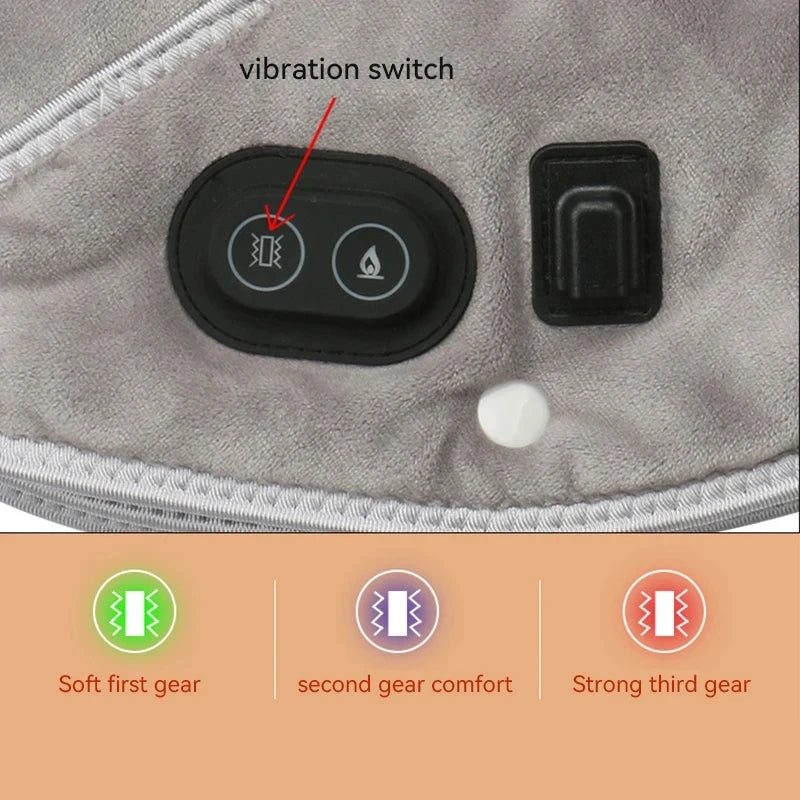
Targeted relief with smart safety features 💡 See it in action
When to Contact a Healthcare Professional
Persistent Pain Despite Heat Therapy
If symptoms continue despite repeated heating pad use, the underlying cause may require professional evaluation and treatment.
People experiencing ongoing back, neck, or muscle pain should consider reviewing chronic pain resources and professional pain evaluation guidance rather than relying solely on heat therapy.
Signs of Burns or Skin Damage
Seek medical attention if you experience blistering, severe skin discoloration, worsening pain, or signs of infection following heat therapy.
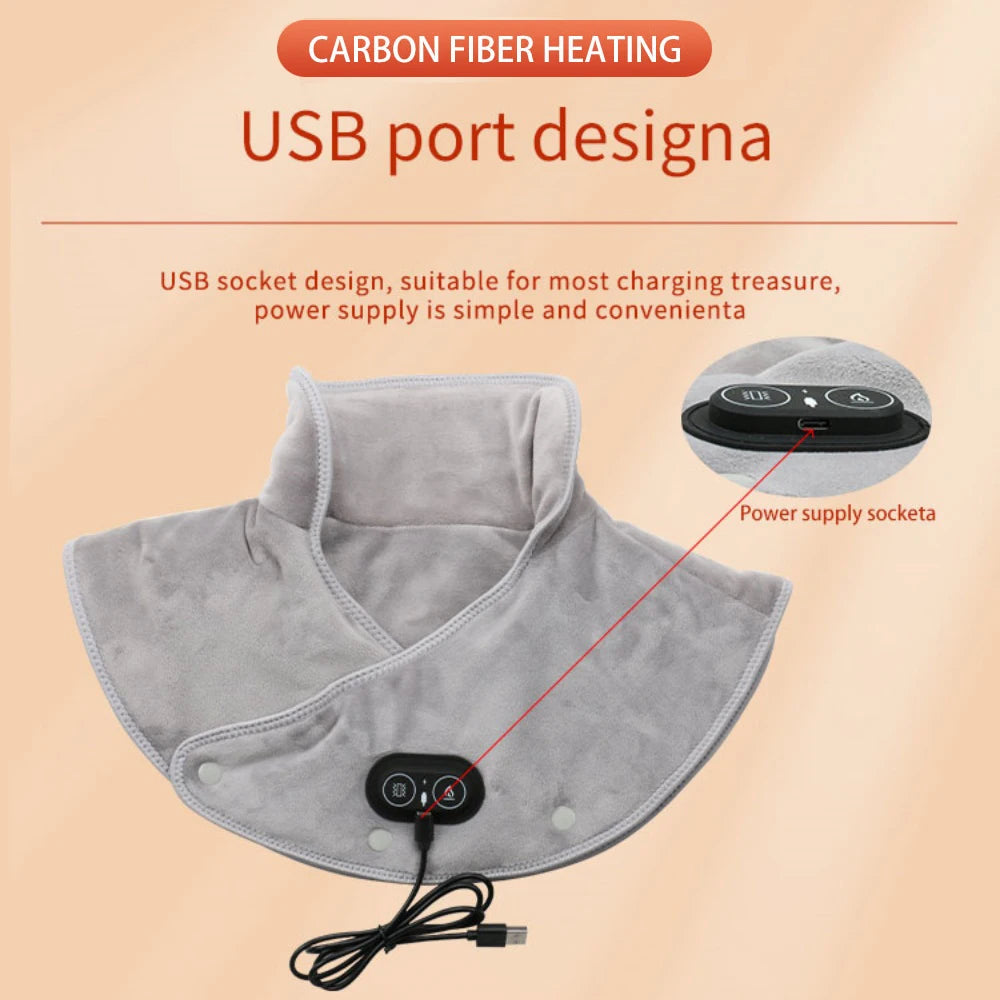
Comfortable heat therapy should never come at the expense of skin safety 💡 See it in action
Frequently Asked Questions
Can you use a heating pad every day?
Yes, daily use may be safe when sessions remain short, temperatures stay moderate, and the skin is monitored regularly for signs of irritation.
Can sleeping with a heating pad be dangerous?
Yes. Sleeping with a heating pad increases the risk of burns, overheating, and prolonged exposure. Always turn the device off before sleeping.
Heating pad burns: symptoms and prevention
- Redness or blistering after use.
- Numbness or tingling sensations.
- Prevention includes limiting session time, using moderate heat, and protecting the skin with a cloth barrier.
Can You Overuse a Heating Pad?
Yes. Overuse can increase the risk of burns, skin irritation, and heat-related skin changes, particularly when sessions are too long or temperatures are too high.
Is It Bad to Use a Heating Pad for Too Long?
Extended use raises the likelihood of skin damage and may delay recognition of symptoms that require medical attention.
Are Heating Pads Safe for Chronic Pain?
Heating pads can be helpful for some chronic pain conditions when used correctly. However, persistent or worsening symptoms should be evaluated by a healthcare professional.
Pillar Article: How to Relax the Neck Muscles Using Heat Therapy
Other Related Articles:
- Posture Recovery for Neck and Shoulders: A Heat Guide
- How to Relieve Muscular Neck Pain Step by Step
- Heating Pad for Neck Tension: Best-Rated Picks Compared
Explore More:













