

Heating Pad for Neck Pain: Why 15–20 Minutes Is Recommended (Safe Use Guide)
⏱ 7 min read
Neck stiffness after long hours at a desk, prolonged screen time, exercise, or everyday stress can limit your comfort and mobility. A heating pad for neck pain can provide targeted, drug-free relief when discomfort is mainly linked to tight or fatigued muscles. The key is using the right temperature, duration, and safety practices for your symptoms.
Choose the right approach to soothe neck pain efficiently and safely.
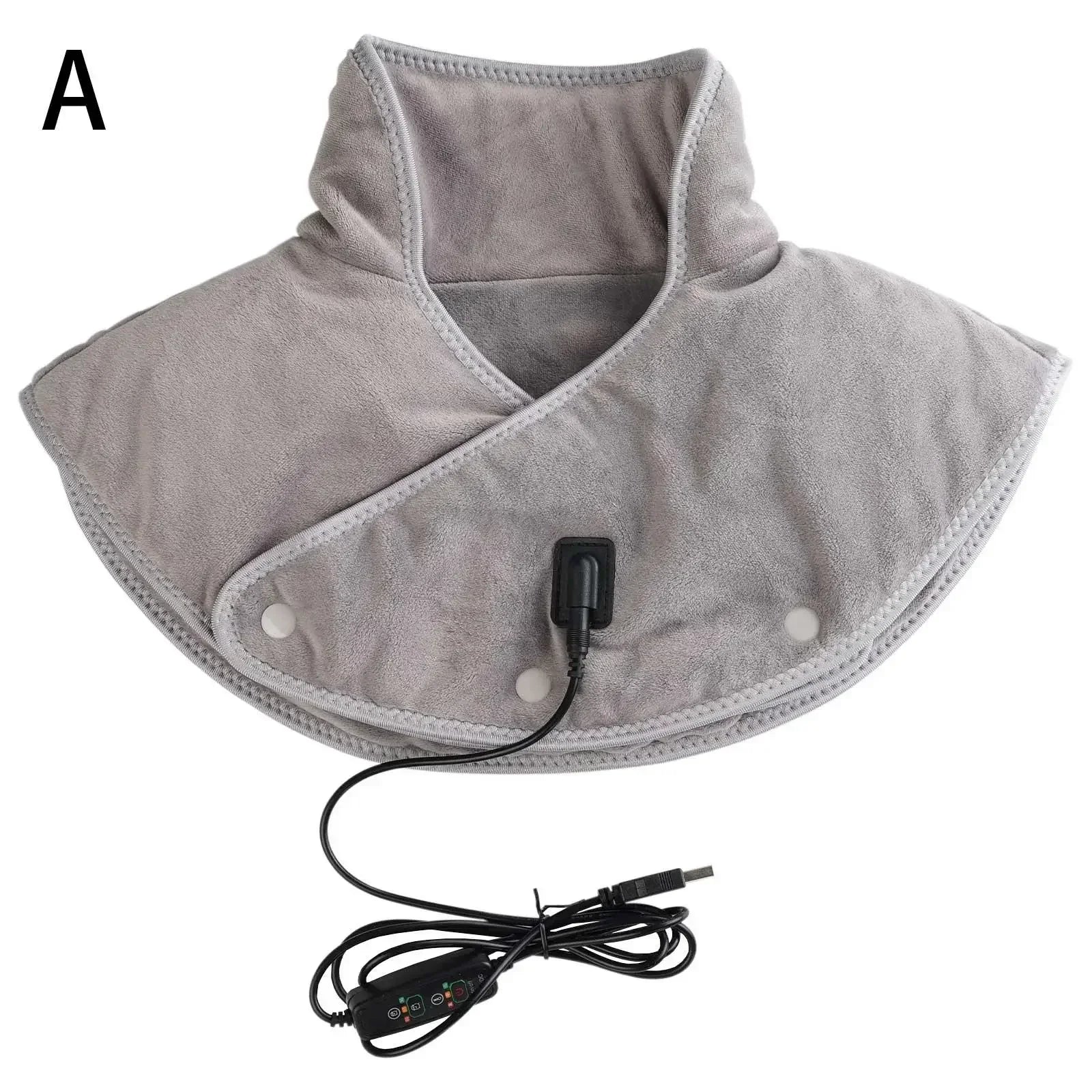
Heating pad for neck tension with wraparound comfort — See it in action
Does a Heating Pad for Neck Pain Really Work?
Yes, a heating pad can help relieve neck pain when the discomfort is primarily caused by muscle tightness, stiffness, fatigue, or tension. Heat therapy increases local blood flow, helps muscles relax, and may reduce the sensation of stiffness that develops after prolonged sitting or repetitive posture.
For many people, the most practical approach is a short session of comfortable warmth rather than prolonged high heat. A neck-specific heating pad can make this easier by covering the neck and shoulders more evenly than a standard flat pad.
Heat therapy for neck stiffness is generally most useful when:
- Your neck feels tight, stiff, or fatigued rather than acutely injured.
- Discomfort is related to desk work, screen use, stress, or prolonged posture.
- Gentle movement makes the area feel looser rather than significantly worse.
- Warmth has previously helped reduce muscle tension.
Heat is not a universal treatment for every type of neck pain. The cause and timing of your symptoms matter, particularly when pain follows a recent injury or occurs with neurological symptoms.
Why Neck Pain Happens (And When Heat Helps Most)
Neck discomfort can develop from prolonged screen use, sustained posture, stress-related muscle tension, exercise, overuse, or an acute strain. Heat is most appropriate when the dominant problem is muscle tightness or stiffness rather than fresh swelling or an acute inflammatory response.
Muscle Tension vs Inflammation
Heat can help tight muscles relax and may make movement feel more comfortable by increasing circulation to the warmed area. This makes it a reasonable option for chronic stiffness, muscular fatigue, and tension that builds gradually.
However, a recently injured area may involve inflammation or swelling. Applying intense heat immediately after an acute injury can make some symptoms feel worse. In that situation, cold therapy may be preferred initially, depending on the injury and individual circumstances.
When Heat Is the Right Choice
- Chronic or recurring neck stiffness
- Muscle tension after prolonged sitting or screen use
- Stress-related tightness in the neck and shoulders
- Muscle fatigue after activity or exercise
- Discomfort that improves with gentle movement and warmth
Heat vs. Ice Decision Guide
| Situation | What may be more appropriate | Why |
|---|---|---|
| Gradual stiffness or muscle tightness | Heat | Warmth can help relax tight muscles and improve comfort. |
| Recent strain with swelling or acute inflammation | Cold may be preferred initially | Cold can help reduce the sensation of swelling and acute discomfort. |
| Long-term muscular tension | Short heat sessions | Controlled warmth may help reduce stiffness before gentle movement. |
| Pain that becomes worse with heat | Stop heat and reassess | Worsening symptoms may indicate that heat is not appropriate for the current problem. |
Learn more about heat vs ice for muscle pain when you are unsure which approach better matches your symptoms.
Why 15–20 Minutes Is the Recommended Duration for Neck Pain Relief
The common recommendation to use a heating pad for neck pain for about 15–20 minutes reflects a practical balance between allowing muscles to warm and relax and limiting unnecessary exposure to prolonged heat. A short, controlled session is usually preferable to leaving a heating pad on continuously.
What Happens in Your Muscles During Heat Therapy
As the tissues warm, local blood vessels can dilate, increasing circulation in the treated area. The warmth may also reduce the feeling of muscle tightness and make gentle movement more comfortable. These effects can be especially useful when stiffness is related to prolonged posture or muscular tension.
The exact response varies with the temperature, the device, the person's skin sensitivity, and the underlying cause of pain. More heat or a longer session does not automatically mean better relief.
Clinical Basis for the 15–20 Minute Recommendation
A heating pad 15–20 minutes neck pain recommendation is best understood as a conservative, practical duration rather than a universal medical rule for every person or device. Many heat-therapy routines use short sessions because the benefits of warming tight muscles can be achieved without unnecessary prolonged exposure.
For neck pain, the area is particularly sensitive to positioning and skin pressure. A 15–20 minute session gives you time to assess whether warmth is helping while making it easier to monitor your skin and symptoms. Always follow the instructions supplied with your specific heating pad if they recommend a different maximum duration.
Risks of Using Heat Too Long
- Skin irritation or heat-related burns
- Overheating of the treated area
- Reduced awareness of excessive heat when relaxing or becoming drowsy
- Worsening discomfort when heat is applied to an unsuitable injury
- Unnecessary prolonged exposure without additional benefit
For this reason, a heating pad 15 to 20 minutes neck pain routine is generally more sensible than continuous use. Stop immediately if the skin becomes painful, unusually red, blistered, or intensely uncomfortable.
How to Use a Heating Pad for Neck Pain Safely (Step-by-Step)
- Check the cause of your symptoms. Heat is generally better suited to stiffness and muscular tension than a fresh injury with swelling.
- Choose a comfortable low-to-moderate setting. The pad should feel pleasantly warm, not painfully hot.
- Position the pad evenly. Place it around the neck and shoulder muscles according to the manufacturer's instructions.
- Start with 15–20 minutes. This is a practical duration for monitoring comfort and skin response.
- Check your skin during the session. Stop if you notice burning, pain, unusual redness, or irritation.
- Remove the pad and reassess. Allow the skin to cool before deciding whether another session is appropriate.
Safe Heating Pad Usage Checklist
- Read the manufacturer's instructions before first use.
- Use a cover or fabric barrier when required by the device instructions.
- Never sleep with a heating pad switched on.
- Do not apply heat directly to numb or significantly reduced-sensation skin unless advised by a healthcare professional.
- Keep the heating pad away from open wounds and irritated skin.
- Inspect the device and its cord for damage before use.
- Stop if symptoms worsen rather than repeatedly increasing the temperature.
Recommended Temperature Settings
There is no single temperature that is right for everyone. Start with the lowest setting that feels comfortably warm and increase only if necessary and permitted by the device. The goal is gentle, tolerable warmth—not intense heat.
Because skin sensitivity varies, do not judge safety solely by how hot the pad feels to another person. If you have reduced sensation, circulation problems, or a condition that affects your ability to feel heat normally, ask a healthcare professional before using a heating pad.
Why Moist Heat Works Faster
Some people find moist heat more comfortable or effective for muscle stiffness because moisture can improve the transfer of warmth to the skin. However, moist heat is not automatically superior for every person or every type of neck pain. The most important factors remain comfortable temperature, appropriate duration, correct placement, and avoiding heat when symptoms suggest acute inflammation or another condition requiring assessment.
For more guidance on how to use a heating pad safely , review the broader safety principles before adding heat therapy to your routine.
When NOT to Use a Heating Pad for Neck Pain
Heat therapy is not suitable for every type of neck pain. Using heat when the problem involves a recent injury, significant inflammation, or an underlying condition requiring medical assessment may worsen discomfort or delay appropriate care.
Signs You Should Use Ice Instead
- Recent injury or sudden onset after an accident or impact
- Visible swelling or significant inflammation
- Acute pain that feels sharp or strongly throbbing
- Symptoms that clearly worsen when heat is applied
When you are uncertain whether symptoms are muscular or related to an acute injury, avoid using intense heat as a substitute for professional assessment.
Medical Conditions That Require Caution
- Diabetes or reduced ability to sense heat
- Circulatory disorders
- Skin conditions, broken skin, or open wounds in the treatment area
- Recent surgery involving the neck or surrounding area
- Any condition that affects normal skin sensation
When to Seek Medical Care
Seek medical advice instead of relying only on heat therapy if neck pain is severe, persistent, repeatedly worsening, or follows a significant injury. Prompt evaluation is also important when neck pain occurs with concerning symptoms such as weakness, significant numbness or tingling, problems with balance, severe headache, fever, or other unusual neurological symptoms.
If you are unsure whether heat is appropriate for your symptoms, consult a qualified healthcare professional.
Heating Pad Types for Neck Tension (What Actually Matters)
The best heating pad recommendation for neck tension depends less on branding and more on whether the design delivers comfortable, consistent warmth safely where you need it.
Adjustable Heat Neck Pads vs Flat Pads
An adjustable heat neck pad is shaped to cover the neck, upper back, or shoulders and may stay in position more easily than a flat pad. This can be useful for targeted muscle tension and routine use while sitting.
Flat pads are more versatile and can be used on different body areas, but they may require more repositioning to maintain coverage around the neck and shoulders. Choose based on the area you want to treat and how securely the pad fits during a session.
Moist Heat vs Dry Heat
Moist heat may feel more penetrating to some users and can be useful for muscle stiffness. Dry heat is often simpler and more convenient for everyday use. Neither option is automatically best for every person, so comfort and safe operation should guide the choice.
Safety Features Worth Choosing
- Adjustable heat settings: Helps you select a comfortable level instead of relying on one fixed temperature.
- Automatic shutoff: Adds an important layer of protection if you become distracted or drowsy.
- Even heat distribution: Helps reduce uncomfortable hot spots.
- Secure neck and shoulder fit: Can make targeted use more comfortable and reduce frequent repositioning.
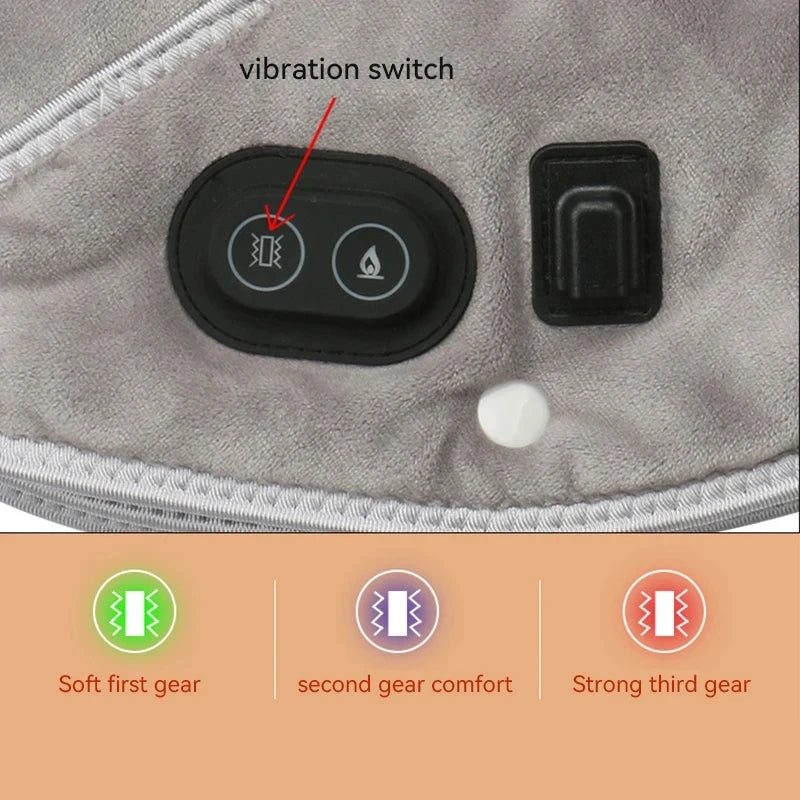
Neck shoulder heater with adjustable heat — Compare comfort levels
Who Benefits Most From Heat Therapy for Neck Stiffness?
- Desk workers: Prolonged sitting and screen use can contribute to muscular tightness and postural fatigue. See these posture tips for a broader approach.
- People with stress-related tension: Stress can contribute to tightness across the neck and shoulders.
- People with recurring muscular stiffness: Short heat sessions may help make routine movement more comfortable.
- People with post-exercise muscle soreness: Gentle warmth may feel soothing when discomfort is muscular rather than related to an acute injury.
- People recovering from mild muscle strain: Heat may be useful after the initial acute inflammatory phase has settled, depending on the injury.
Consistent, short sessions can be helpful when neck discomfort is linked to tight or overworked muscles. For complementary wellness tools, explore the Body Care and Health Devices collection.
Do’s and Don’ts of Heating Pad Use for Neck Pain
- Do start with a comfortable low or moderate heat setting.
- Do use a short session of around 15–20 minutes unless your device instructions specify otherwise.
- Do check your skin and symptoms during use.
- Do allow your skin to cool between sessions.
- Do follow the heating pad manufacturer's safety instructions.
- Don't use intense heat on a recently injured, swollen, or inflamed area without appropriate medical guidance.
- Don't fall asleep while a heating pad is operating.
- Don't place heat over broken or irritated skin.
- Don't continue using heat if your pain or other symptoms become worse.
Frequently Asked Questions
Why is 15–20 minutes the recommended heating pad duration for neck pain?
Using a heating pad for about 15–20 minutes provides a practical period for warming tight muscles while limiting unnecessary prolonged exposure to heat. It is a general guideline, not a universal rule for every device or person, so always follow the manufacturer's instructions.
How long should I use a heating pad for neck pain?
Start with approximately 15–20 minutes per session at a comfortable temperature. Stop sooner if your skin becomes uncomfortable or your symptoms worsen.
How often can I use a heating pad on my neck each day?
Many people can use short heat sessions more than once a day, provided the skin is allowed to cool between sessions and the device instructions permit repeated use. The exact frequency depends on the product and your symptoms.
Should I use heat or ice for a stiff neck?
Heat is generally more suitable for gradual muscular stiffness and tension. Cold may be preferred after a recent injury or when swelling and acute inflammation are present. If you cannot determine the cause of your symptoms, seek professional advice.
Is 15–20 minutes enough for chronic neck pain?
It can be enough for a single heat session, particularly when the goal is to temporarily reduce muscle tightness and improve comfort. Short, consistent sessions may be more practical than prolonged exposure, but persistent chronic pain should be evaluated rather than managed solely with a heating pad.
Is moist heat better than dry heat for neck stiffness?
Some people find moist heat more effective or comfortable for stiffness, while others prefer the convenience of dry heat. The best option depends on personal comfort, the device design, and safe use.
Can I sleep with a heating pad on?
No. You should not sleep while a heating pad is operating. Falling asleep can make it harder to notice excessive heat or skin irritation. Use the device only as directed and switch it off after the recommended session.
Can a heating pad make neck pain worse?
Yes. Heat may aggravate discomfort when applied to an unsuitable acute injury or when the temperature is excessive. Stop using the pad if pain worsens, swelling develops, or the skin becomes painful or irritated.
When should I see a doctor instead of using heat therapy?
Seek medical care for severe, persistent, or worsening neck pain, pain after a significant injury, or symptoms accompanied by concerning neurological changes such as weakness, significant numbness or tingling, balance problems, or other unusual symptoms.
Pillar Article: How to Relax the Neck Muscles Using Heat Therapy
Other Related Articles:
- Posture Recovery for Neck and Shoulders: A Heat Guide
- Can You Use a Heating Pad Too Much? Safety Tips
- How to Relieve Muscular Neck Pain Step by Step
Explore More:
- Auto Shut Off Explained: Why It Makes Heat Therapy Safer
- Neck Heating Pad Review: Is It Worth the Price?
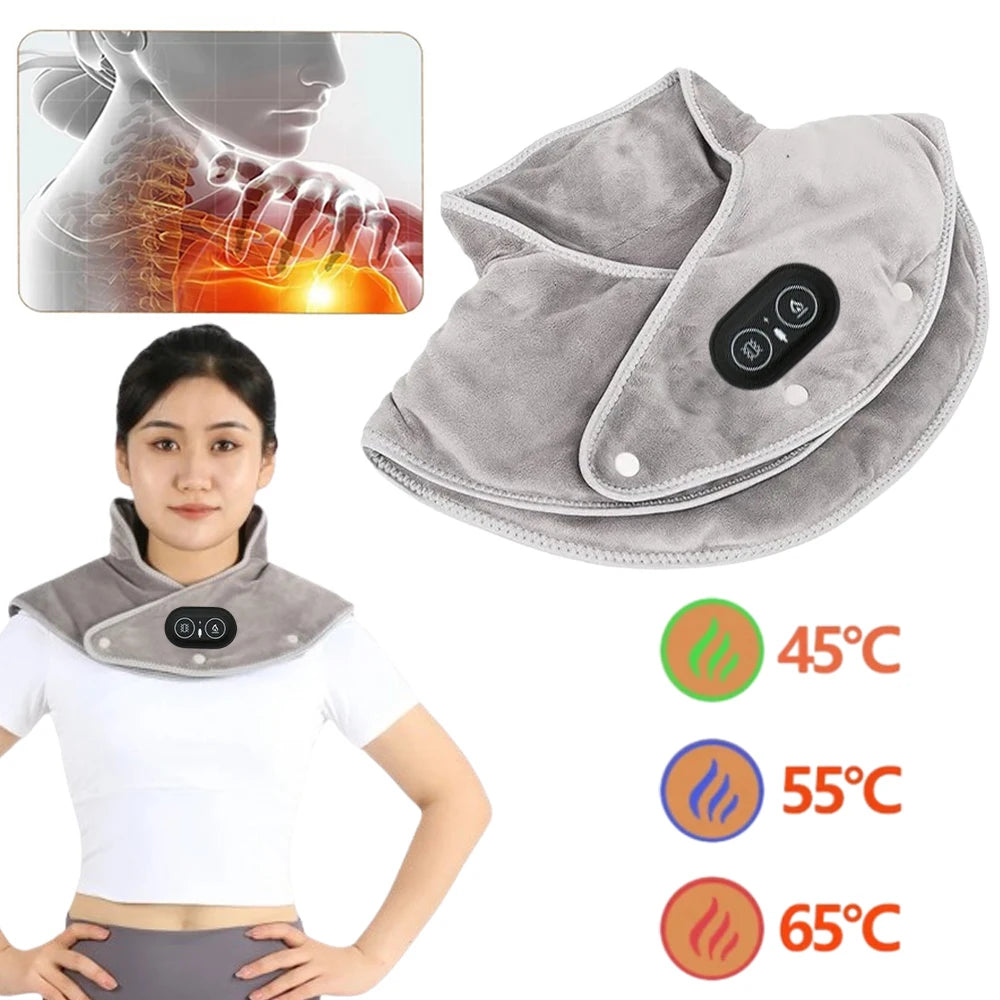
Adjustable heat neck pad for daily relief — Feel the difference













