

Does heat therapy for neck and shoulder pain really work?
Yes—heat therapy for neck and shoulder pain is a research-supported, non-drug approach for relieving muscle tension, stiffness, and posture-related discomfort. Controlled warmth relaxes tight muscles, improves circulation, and helps reduce pain, making daily activities and gentle movement more comfortable.
What science says about heat and muscle relaxation
Applying therapeutic heat raises the temperature of superficial muscles and soft tissues. As tissues warm, blood vessels widen, circulation increases, and muscles become more pliable. This combination helps decrease muscle guarding, ease stiffness, and improve comfort in people with chronic neck tension, desk-related pain, and mild muscular strain.
How increased blood flow reduces pain and stiffness
Improved circulation delivers oxygen and nutrients to overworked muscles while helping remove metabolic byproducts associated with soreness. Heat also reduces joint stiffness and increases connective tissue elasticity, making everyday movements feel smoother and preparing the muscles for stretching or posture exercises.
When results are immediate vs gradual
Many people notice relief within 10–20 minutes when treating mild stiffness or stress-related muscle tension. Chronic posture-related discomfort usually improves more gradually, with the best results coming from consistent heat therapy combined with movement, ergonomic improvements, and strengthening exercises.
Heat Therapy for Neck and Shoulder Pain: How It Works, When to Use It, and Best Practices
If your neck feels stiff after hours at a desk or your shoulders stay tense despite stretching, posture-related pain can become a daily frustration. Heat therapy is one of the simplest ways to relax tight muscles, improve circulation, and make movement more comfortable while supporting long-term posture recovery.
⏱ 7 min read
Discover gentle heat options designed for daily neck and shoulder comfort
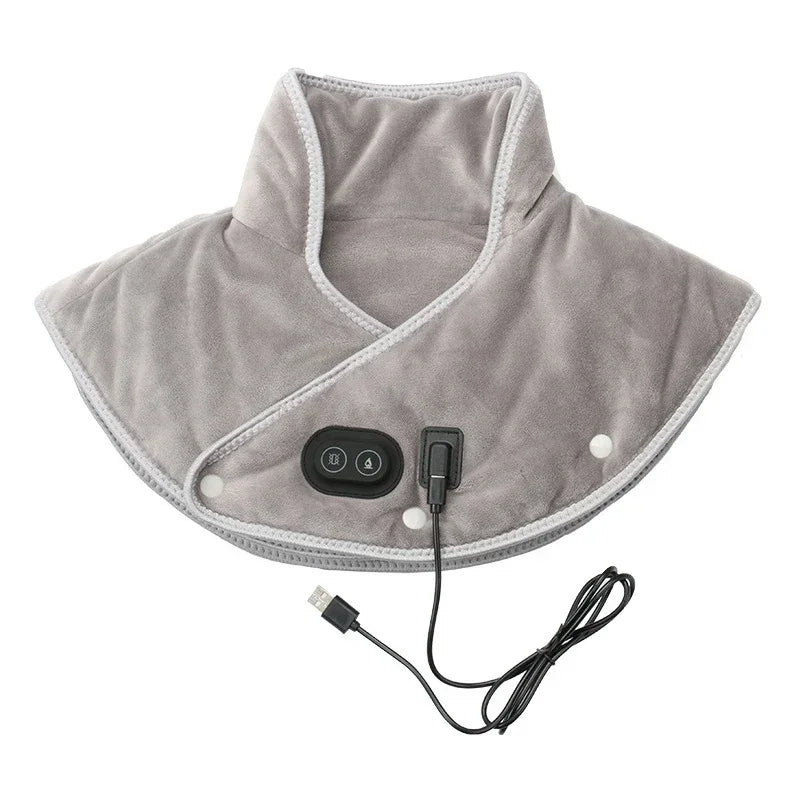
Targeted warmth for posture recovery neck shoulders — See it in action
Why neck and shoulder pain develops
Most neck and shoulder pain develops gradually rather than from a single injury. Long periods of sitting, looking down at a phone, carrying heavy bags, repetitive work, and emotional stress all contribute to persistent muscle tightness.
Muscle tension and poor posture
Forward head posture and rounded shoulders force the muscles of the neck and upper back to work harder to support your head. Over time, these muscles fatigue, tighten, and become painful, while opposing muscles weaken.
Overuse, stress, and ergonomics
Poor workstation setup, infrequent movement breaks, driving for long periods, and high stress levels all increase muscle tension. Many people also unconsciously elevate their shoulders during stressful tasks, further contributing to soreness.
Conditions that respond well to heat therapy
Heat works best for:
- Chronic neck stiffness
- Muscle tightness from poor posture
- Desk-related shoulder tension
- Stress-induced muscle soreness
- Mild muscular overuse without swelling
How heat therapy works to relieve pain
Heat therapy addresses several causes of muscular discomfort at the same time, making it especially useful for chronic neck pain and shoulder tension.
Physiological effects of heat
Warmth increases local blood flow, reduces muscle guarding, and improves the flexibility of muscles, tendons, and connective tissue. These changes make movement feel easier while reducing stiffness.
Heat stimulates temperature-sensitive nerve receptors that can temporarily reduce pain perception. Many people experience a soothing sensation that helps interrupt the cycle of pain, muscle tension, and protective muscle tightening.
Why heat improves flexibility before stretching
Applying heat before gentle stretching often improves range of motion because warmed tissues become more elastic. Following heat therapy with light mobility exercises may produce better long-term improvements than either strategy alone.
Explore a heat solution tailored to both zones
Heat vs cold therapy: which should you use?
Choosing between heat and cold depends primarily on whether your symptoms are caused by inflammation or muscle tightness.
Heat vs acute injuries
Cold therapy is generally the better choice during the first 24–48 hours after a sudden injury because it helps reduce swelling and inflammation.
Heat for chronic stiffness and tension
If your neck feels stiff after working at a computer, sleeping awkwardly, or sitting for extended periods, heat is usually the preferred option because it relaxes muscles and encourages circulation.
Decision guide: heat or cold for neck and shoulder pain
| Symptom | Best Choice |
|---|---|
| Recent injury with swelling | Cold therapy |
| Muscle stiffness | Heat therapy |
| Poor posture discomfort | Heat therapy |
| Exercise soreness without swelling | Heat therapy |
When to avoid heat therapy
Do not apply heat to areas with active inflammation, severe swelling, open wounds, infections, or immediately after an acute injury.
Best types of heat therapy for neck and shoulder pain
Heating pads
Electric heating pads provide consistent temperature control and are one of the most practical options for daily neck pain heat therapy, especially for office workers.
Microwavable wraps and hot towels
These portable options provide moist warmth and work well for short treatment sessions or while traveling.
Warm showers and baths
A warm shower or bath relaxes multiple muscle groups simultaneously and can be an excellent way to reduce whole-body tension before bedtime.
Infrared heat therapy
Some wearable devices use infrared heat, which many users find comfortable because it delivers steady warmth while allowing hands-free movement. Individual responses vary, but it can be a convenient option for regular home use.
How to use heat therapy safely and effectively
How long to use a heating pad on the neck
Most experts recommend applying heat for 15–20 minutes at a time. This duration is usually enough to warm muscles without increasing the risk of skin irritation.
Treatment frequency
For chronic muscle tightness, heat therapy may be used once or twice daily. Allow your skin to return to its normal temperature between sessions.
Step-by-step routine
- Choose a comfortable heat setting.
- Place the heating pad over the neck and shoulders.
- Relax for 15–20 minutes.
- Perform gentle neck and shoulder mobility exercises afterward.
- Repeat during periods of prolonged sitting or increased muscle tension.
Heat before stretching and mobility exercises
Using heat immediately before gentle stretching helps improve flexibility and may reduce discomfort during movement. Avoid aggressive stretching while tissues are painful.
Learn how gentle heat fits into your daily routine
Simple stretches and posture habits that improve results
Gentle neck mobility
Slow chin tucks, side bends, and controlled neck rotations help restore normal movement without placing excessive stress on irritated muscles.
Shoulder blade exercises
Scapular retractions, wall angels, and light rowing movements strengthen the upper back muscles that help support healthy posture.
Workspace ergonomics
Position your monitor at eye level, keep your elbows close to 90 degrees, support your lower back, and stand or walk every 30–60 minutes. These small adjustments reduce recurring muscle strain and help heat therapy provide longer-lasting relief.
Helpful additions include exploring comfort-focused tools from the Body Care and Health Devices collection or recovery inspiration from the Beauty & Self-Care Blog .
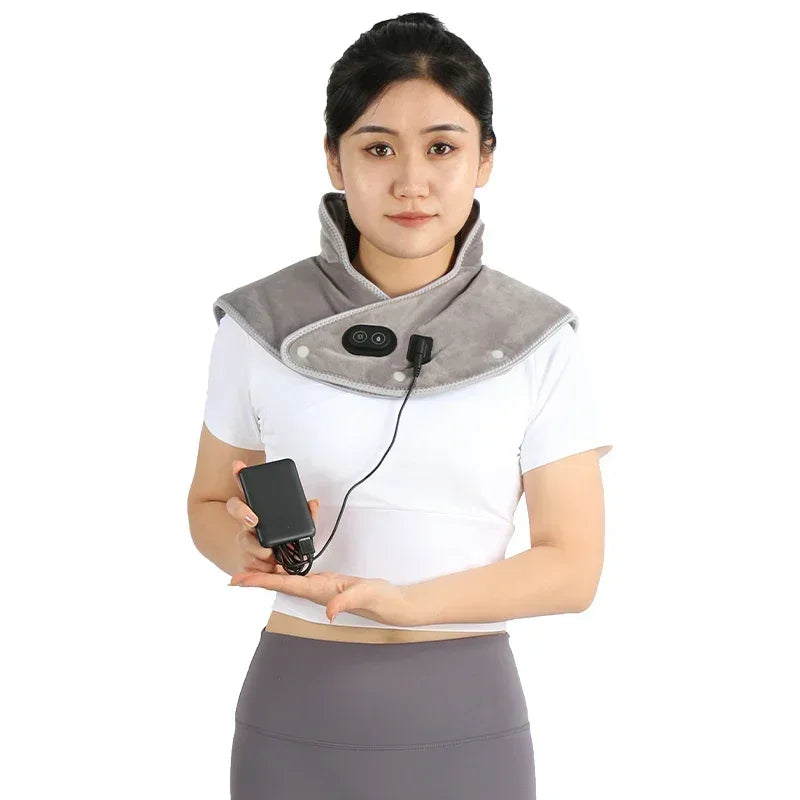
Consistent warmth supports posture correction — See it in action
Safety precautions and when to seek medical care
Who should avoid heat therapy
- People with reduced sensation or significant nerve damage
- Areas with swelling, infection, or open wounds
- Recent traumatic injuries during the inflammatory stage
Burn prevention
Always place a thin layer of fabric between your skin and the heating pad, avoid falling asleep while using heat unless the device has appropriate safety features, and stop treatment if your skin becomes excessively red or uncomfortable.
Symptoms requiring medical evaluation
Seek medical care if neck pain follows significant trauma, is accompanied by numbness or weakness, radiates into the arms with worsening symptoms, causes severe headaches or fever, or persists despite several weeks of appropriate self-care.
FAQ
Does heat help neck pain?
Yes. Heat is particularly effective for muscular neck pain caused by stiffness, stress, and poor posture.
Is heat good for neck and shoulder pain?
For chronic muscular tension, yes. Heat improves circulation, relaxes muscles, and reduces discomfort.
Is heat good for a stiff neck?
Yes. A heating pad or warm shower can help loosen tight muscles before gentle stretching.
How long should I use a heating pad on my neck?
Typically 15–20 minutes per session, once or twice daily as needed.
Should I use heat or ice for neck and shoulder pain?
Use heat for stiffness and muscle tension, and cold for recent injuries or swelling.
What type of heat therapy works best for neck pain?
Electric heating pads, wearable heated wraps, warm showers, and microwavable wraps are all effective options. The best choice depends on convenience, coverage, and how often you plan to use heat.
Can I use heat therapy every day?
Yes. Daily use is appropriate for many people with chronic muscular tension, provided you follow recommended treatment times and skin safety precautions.
When should I avoid using heat therapy?
Avoid heat on swollen, inflamed, infected, or recently injured areas, and consult a healthcare professional if you're unsure whether heat is appropriate.
Get yours now and support daily posture recovery
Pillar Article: How to Relax the Neck Muscles Using Heat Therapy
Other Related Articles:
- Can You Use a Heating Pad Too Much? Safety Tips
- How to Relieve Muscular Neck Pain Step by Step
- Heating Pad for Neck Tension: Best-Rated Picks Compared
Explore More:













