

Does cold weather bike clothing really matter?
Yes. Cold weather cycling clothing has a direct impact on comfort, performance, and safety. The right winter cycling clothing helps regulate body temperature, blocks wind chill, and moves sweat away from your skin before it can cool and leave you feeling cold. Instead of simply adding thicker layers, an effective clothing system balances insulation, breathability, and weather protection to keep you riding comfortably across a wide range of winter conditions.
Whether you're commuting at 10°C, training in freezing temperatures, or tackling long weekend rides, your clothing should adapt to both the weather and your riding intensity. A smart layering strategy helps prevent overheating on climbs, reduces sweat chill during descents, and maintains consistent comfort throughout the ride.
Winter Cycling Clothing: What to Wear for Every Temperature (Complete Guide)
Choosing the right cold weather bike clothing isn't about wearing as many layers as possible—it's about building an efficient system that keeps you warm without trapping excess heat. The best clothing for winter cycling combines moisture-wicking base layers, insulating mid layers, and wind-resistant outer shells to regulate body temperature as riding conditions change. From high-performance bike clothing winter fabrics to reflective winter cycling attire for low-light visibility, the right gear lets you ride farther, recover better, and enjoy the season instead of avoiding it.
⏱ 12 min read
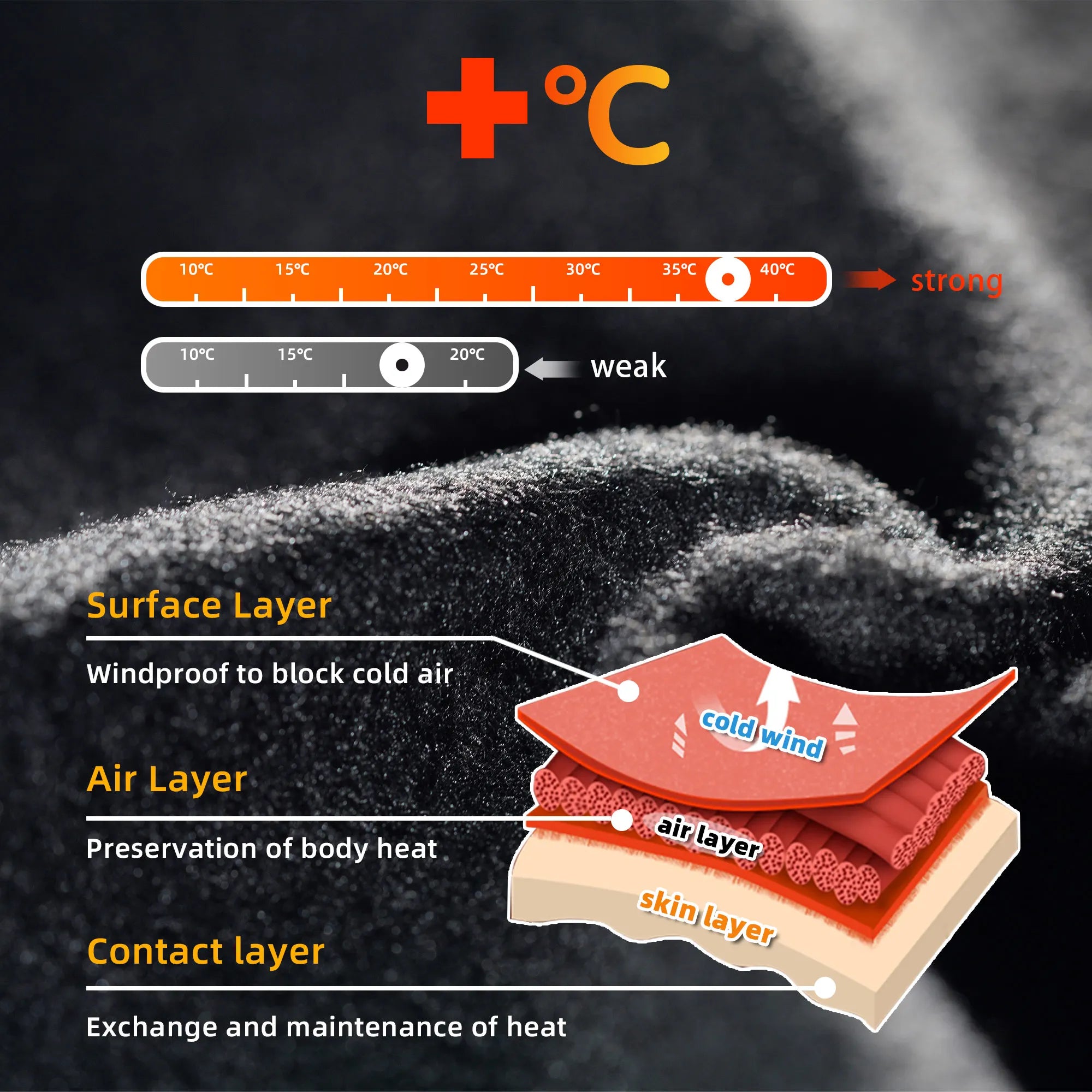
Smart cold weather bike clothing balances warmth and breathability for confident winter rides. See it in action.
Why Cycling in Cold Weather Feels So Hard
Cold weather challenges your body in ways that indoor training never does. As speed increases, wind chill strips away body heat much faster than still air, while repeated changes in effort—from climbing hard to coasting downhill—make temperature regulation difficult. Without the right clothing system, it's easy to start a ride feeling comfortable and end it shivering.
Sweat is another common problem. During hard efforts your body produces heat, but damp clothing quickly becomes cold when your intensity drops. This cycle of overheating and rapid cooling is one of the biggest reasons riders become uncomfortable during winter rides.
If you've ever felt warm in the first few miles and freezing shortly afterward, your clothing likely isn't managing moisture, airflow, and insulation together. One of the most valuable cycling in cold weather tips is to dress for the ride you'll be doing—not just the temperature when you leave home.
What Makes Cold Weather Bike Clothing Actually Work?
The best clothing for winter cycling is designed to balance three competing needs: retaining enough warmth, releasing excess heat, and protecting you from wind and precipitation. Simply choosing the thickest jacket rarely delivers the best results because overheating often leads to excessive perspiration, which eventually causes chilling.
Instead, effective bike clothing winter systems combine technical fabrics with strategic layering to create a stable microclimate around your body throughout the ride.
- Heat retention: Lightweight insulation keeps your core warm without excessive bulk.
- Moisture transport: Performance fabrics move perspiration away from your skin to reduce sweat chill.
- Wind and weather protection: Wind-resistant outer materials reduce heat loss while remaining breathable enough for sustained riding.
Breathability vs Insulation
Warmth alone isn't enough. Highly breathable fabrics allow excess heat and moisture to escape before they accumulate inside your clothing. The ideal balance depends on ride intensity: endurance rides generally benefit from more insulation, while fast training sessions require greater ventilation to avoid overheating.
Fabric Comparison: Merino, Synthetic, Softshell
- Merino wool: Excellent temperature regulation, natural odor resistance, and reliable warmth even when slightly damp, making it a popular choice for base layers.
- Synthetic fabrics: Dry quickly, wick moisture efficiently, and perform well during high-output rides where perspiration is heavier.
- Softshell materials: Commonly used in jackets because they combine wind resistance, moderate weather protection, stretch, and breathability.
Experienced cyclists typically combine these materials rather than relying on a single garment, creating a versatile layering system that adapts as weather and effort levels change.
The 3-Layer System for Winter Cycling (Base, Mid, Outer)
Layering for winter cycling is more effective than wearing one heavy jacket because each layer performs a specific job. You can also remove or add layers as temperatures rise, your pace changes, or weather conditions shift.
Base Layer: Moisture Control
The base layer sits next to your skin and forms the foundation of your winter cycling clothing system. Merino wool and high-quality synthetic fabrics wick moisture away while helping maintain a comfortable body temperature. Avoid cotton, which absorbs sweat and stays wet for long periods.
Mid Layer: Heat Retention
The mid layer traps warm air created by your body. Depending on the temperature and ride intensity, this may be a thermal jersey, lightweight fleece, or insulated cycling jersey. For harder rides, choose thinner insulation to reduce the risk of overheating.
Outer Layer: Wind & Weather Protection
Your outer shell shields you from wind, light rain, and road spray while allowing excess heat to escape. Look for cycling-specific jackets with breathable rear panels, adjustable vents, and an ergonomic fit that remains comfortable in the riding position.
As a general rule, start your ride feeling slightly cool rather than overly warm. Within the first 10 to 15 minutes of riding, your body heat should bring the layering system into balance without causing excessive sweating.
What to Wear for Winter Cycling by Temperature
The ideal winter cycling outfit depends on more than the thermometer. Wind speed, precipitation, ride intensity, and time spent outdoors all influence how much insulation and weather protection you'll need. Use these recommendations as a starting point, then fine-tune your layering based on your personal comfort and the conditions you expect to encounter.
10°C to 5°C (Mild Cold)
These temperatures often feel comfortable once you're moving, especially during moderate or high-intensity rides. Avoid overdressing, as excessive insulation can quickly lead to overheating.
- Lightweight moisture-wicking base layer
- Thermal cycling jersey
- Light windproof jacket or vest
- Full-finger gloves
- Lightweight cycling cap or headband if it's windy
For shorter rides under an hour, lighter layers are usually sufficient. For endurance rides, consider packing an extra windproof layer for rest stops or long descents.
5°C to 0°C (Cold)
As temperatures approach freezing, maintaining a warm core while protecting your hands and feet becomes increasingly important.
- Thermal base layer
- Insulated mid layer or thermal jersey
- Windproof cycling jacket
- Thermal bib tights
- Shoe covers or insulated cycling shoes
- Thermal gloves and neck warmer
If you're riding at a relaxed pace or commuting, add slightly more insulation than you would for a fast training session.
0°C to -5°C (Freezing)
Freezing temperatures require a carefully balanced layering system that traps heat without allowing sweat to accumulate.
- Heavyweight thermal base layer
- Fleece-lined mid layer
- Insulated windproof cycling jacket
- Thermal bib tights
- Thick cycling socks
- Insulated gloves, thermal cap, and neck gaiter
Long rides in these conditions may require additional nutrition and dry spare gloves, since cold hands can quickly affect comfort and bike control.
Below -5°C (Extreme Conditions)
Extreme cold demands maximum protection for exposed skin while maintaining enough breathability to prevent moisture buildup inside your clothing.
- Heavy thermal base layer with an additional lightweight base if needed
- Insulated mid layer
- Weatherproof, wind-resistant outer shell
- Thermal bib tights or insulated cycling pants
- Winter cycling boots or insulated overshoes
- Full-face protection, thermal gloves, and insulated headwear
Reduce exposed skin as much as possible, monitor weather changes closely, and shorten ride duration if temperatures or wind chill become hazardous.
Wet and Windy Conditions
Rain and strong winds increase heat loss far more than temperature alone. In these conditions, prioritize weather protection over extra insulation.
- Water-resistant or waterproof breathable shell
- Windproof gloves with good grip
- Water-resistant overshoes
- Quick-drying synthetic or merino base layer
- Reflective accessories for reduced visibility
Open ventilation zippers during sustained climbs and close them before descents to reduce sweat buildup while maintaining warmth.
Visibility and Safety in Winter Light
Winter rides often begin before sunrise or end after sunset, making visibility just as important as insulation. The best winter cycling clothing combines reflective details with bright colors so you're easier to spot from every angle. Pairing high-visibility apparel with reliable bike lights creates a safer riding setup in fog, rain, and low-light conditions.
- Reflective trims: Improve visibility when illuminated by vehicle headlights.
- High-visibility panels: Fluorescent yellow, orange, or bright colors stand out during overcast daytime rides.
- Lighting integration: Choose jackets and backpacks that don't block front or rear bike lights.
- Low-light optimization: Add reflective ankle bands or shoe covers since moving reflective elements attract drivers' attention more effectively.
Essential Winter Cycling Gear (Head to Toe)
Building the best clothing for winter cycling starts with the essentials. Prioritize pieces that keep your core warm, protect your extremities, and work together as a complete layering system.
Base Layers
A quality base layer is the foundation of every winter cycling gear setup. Merino wool offers excellent temperature regulation and odor resistance, while synthetic fabrics dry faster during high-intensity rides. Choose a snug fit that efficiently moves moisture away from your skin.
Jerseys and Jackets
Thermal jerseys provide insulation for cool conditions, while windproof cycling jackets shield your core from cold air and light rain. Look for breathable rear panels, extended rear hems, and cycling-specific cuts that remain comfortable in the riding position.
Bib Tights
Thermal bib tights help maintain lower-body warmth without restricting pedaling motion. Fleece-lined fabrics are ideal for freezing temperatures, while lighter thermal tights work well during milder winter rides.
Gloves
Cold hands reduce braking confidence and shifting precision. Insulated, wind-resistant gloves with breathable materials help retain warmth while allowing enough dexterity to safely control the bike.
Socks and Overshoes
Your feet receive constant airflow while riding, making them especially vulnerable to cold. Thermal cycling socks paired with insulated overshoes provide significantly better protection than thick socks alone. For changing conditions, cycling leg warmers offer additional versatility by allowing you to adapt your outfit without changing your entire kit.
Headwear and Neck Protection
A thermal cycling cap, helmet liner, neck gaiter, or balaclava helps reduce heat loss from exposed areas while remaining thin enough to fit comfortably beneath a helmet. These accessories become increasingly important as temperatures approach or drop below freezing.
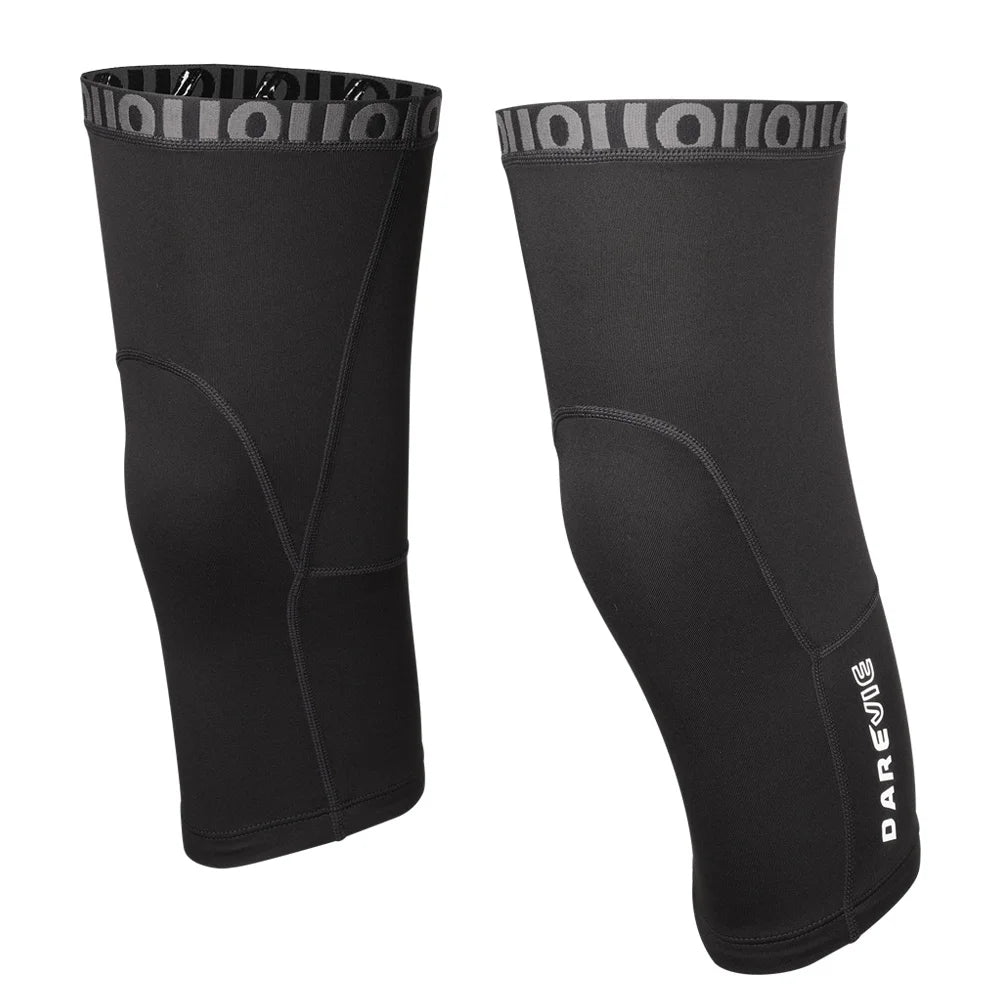
Bike clothing winter designs should flex naturally while providing warmth, weather protection, and lasting comfort throughout every ride. See it in action.
Best Winter Cycling Outfit Examples (Real Scenarios)
Commuting Setup
A commuter-friendly winter cycling outfit should prioritize comfort, visibility, and convenience.
- Moisture-wicking base layer
- Thermal jersey
- Windproof jacket
- Thermal tights
- Water-resistant gloves
- Reflective outerwear and bright bike lights
This combination works well for moderate-intensity rides with frequent stops and changing traffic conditions.
Long-Distance Ride Setup
Long endurance rides require clothing that remains comfortable for several hours while adapting to changing temperatures.
- Merino or thermal synthetic base layer
- Insulated mid layer
- Breathable windproof shell
- Thermal bib tights
- Insulated gloves and overshoes
- Packable waterproof shell for unexpected weather
Carry an extra pair of gloves or a lightweight vest if the forecast includes strong winds or long descents.
High-Intensity Training Setup
Fast-paced workouts generate more body heat, so breathable layering is more effective than maximum insulation.
- Lightweight moisture-wicking base layer
- Thermal jersey
- Light windproof jacket or vest
- Thermal tights suited to the temperature
- Light insulated gloves
This setup minimizes overheating while maintaining enough protection during warm-ups, recoveries, and descents, making it an efficient winter cycling outfit for structured training sessions.
How to Choose the Best Clothing for Winter Cycling
The best clothing for winter cycling depends on where you ride, how long you ride, and the conditions you ride in most often. Instead of buying the warmest gear available, focus on building a winter cycling gear system that lets you add or remove layers as temperatures and effort levels change.
Buying Checklist
- Match your local climate: Riders in cold, dry regions need different gear than those who frequently encounter rain and wind.
- Consider ride duration: Longer rides typically require better insulation and more versatile layering than short commutes.
- Prioritize breathability: Technical fabrics that manage moisture help prevent overheating and sweat chill.
- Choose cycling-specific fit: Clothing designed for the riding position improves comfort and reduces excess fabric flapping in the wind.
- Protect your extremities: Quality gloves, shoe covers or overshoes, warm socks, and headwear often provide a greater comfort improvement than upgrading your jacket.
- Build your kit gradually: Start with a quality base layer, jacket, tights, and gloves before adding accessories for specialized conditions.
When to Upgrade Gear
Consider replacing or upgrading winter cycling clothing if you consistently experience overheating, cold hands or feet, damp base layers after moderate rides, or noticeable wear that reduces wind or weather protection. Durable technical fabrics generally perform better over multiple seasons when properly maintained.
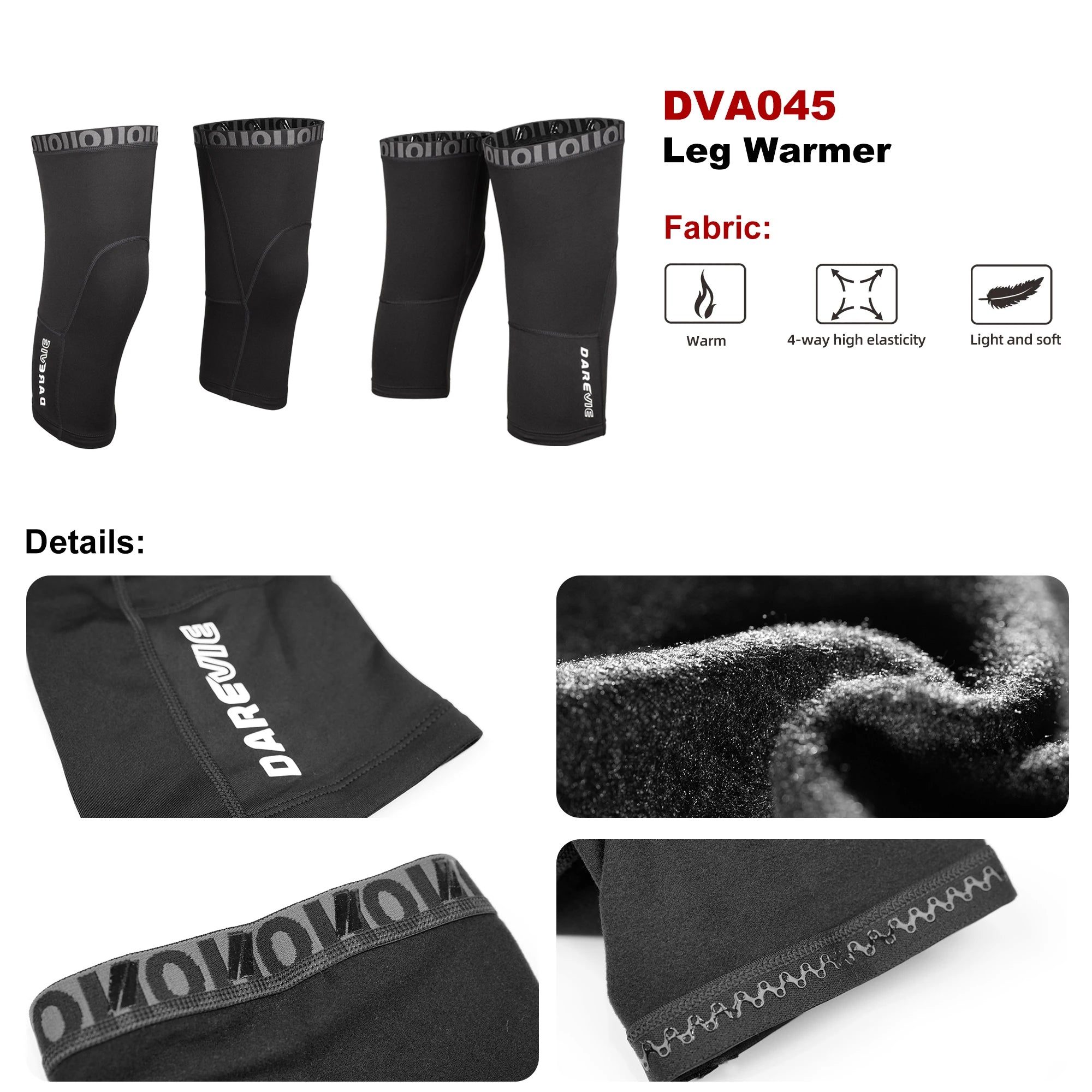
The right winter cycling attire helps you ride longer with confidence. See it in action.
Cycling in Cold Weather Tips (Beyond Clothing)
Hydration & Nutrition
Cold weather reduces thirst, but you still lose fluids through breathing and perspiration. Drink consistently, eat carbohydrate-rich snacks during longer rides, and avoid waiting until you feel thirsty or fatigued before refueling.
Bike Setup Adjustments
Prepare your bike for winter by checking tire pressure regularly, using lubricants suited to wet or cold conditions, and inspecting brakes before every ride. Slightly wider tires and appropriate pressure can improve grip on damp or uneven roads.
Safety & Visibility
Plan routes with good road conditions whenever possible, use front and rear lights even during daytime rides, and wear reflective gear to improve visibility in fog, rain, or fading daylight. Let someone know your route before heading out in severe weather.
Winter Cycling Clothing FAQ
What should I wear cycling in cold weather?
Wear a three-layer system consisting of a moisture-wicking base layer, an insulating mid layer, and a windproof or weather-resistant outer layer. Adjust insulation according to temperature, ride duration, and intensity.
How many layers do I need for winter cycling?
Most riders are comfortable with two to three layers in cool weather and three layers in colder conditions. Extremely low temperatures may require an additional lightweight insulating layer.
What temperature is too cold for cycling?
There is no universal cutoff. Many experienced cyclists ride comfortably below freezing with appropriate winter cycling clothing, but wind chill, road conditions, and personal tolerance should always guide your decision.
Should I wear waterproof or windproof clothing?
For cold, dry weather, a breathable windproof jacket is often sufficient. If rain, sleet, or wet snow is expected, choose a waterproof breathable shell to reduce heat loss while still allowing moisture to escape.
Is winter cycling clothing different from regular winter wear?
Yes. Winter cycling clothing is designed specifically for riding posture, moisture management, ventilation, and freedom of movement, making it more suitable than everyday winter clothing for sustained cycling.
Do I need special gear for short rides?
Yes. Even brief rides can expose your hands, feet, and face to cold wind. Basic winter gloves, appropriate layers, and weather protection significantly improve comfort and safety.
- Compression Benefits for Cyclists in Cold Weather Explained
- Fleece Lined Bike Leg Warmers: Why They Feel Warmer
- Cycling Clothing for Cold Weather by Rider Type
- Layering for Cold Bike Rides: Step-by-Step Winter Setup
- Best Winter Leg Warmers Cycling: Top Picks Compared
Pillar Article: Not Found
Explore More:













