

Does cycling clothing for cold weather really work?
Cycling clothing for cold weather works by combining thermal insulation, moisture control, and wind protection to keep riders warm without overheating. When layered correctly, winter cycling attire helps manage sweat, block cold air, and maintain body temperature—making winter rides safer, more comfortable, and sustainable over longer distances.
Winter Cycling Clothing: What to Wear + Best Gear by Temperature & Rider Type
Cycling clothing for cold weather can transform miserable miles into confident, comfortable rides when temperatures drop. Whether you’re commuting, training long distances, or riding casually, the right layers regulate body heat, control moisture, and protect against wind chill. This guide breaks down exactly what to wear for winter cycling—by temperature, gear type, and rider style—so you can build a system that performs in real-world conditions.
⏱ 8 min read
Explore how the right cold-weather layers can change every winter ride.
Ever finished a cold ride with numb toes, frozen fingers, or damp layers that never quite dried? Most riders don’t struggle with motivation—they struggle with the wrong gear. Let’s fix that.
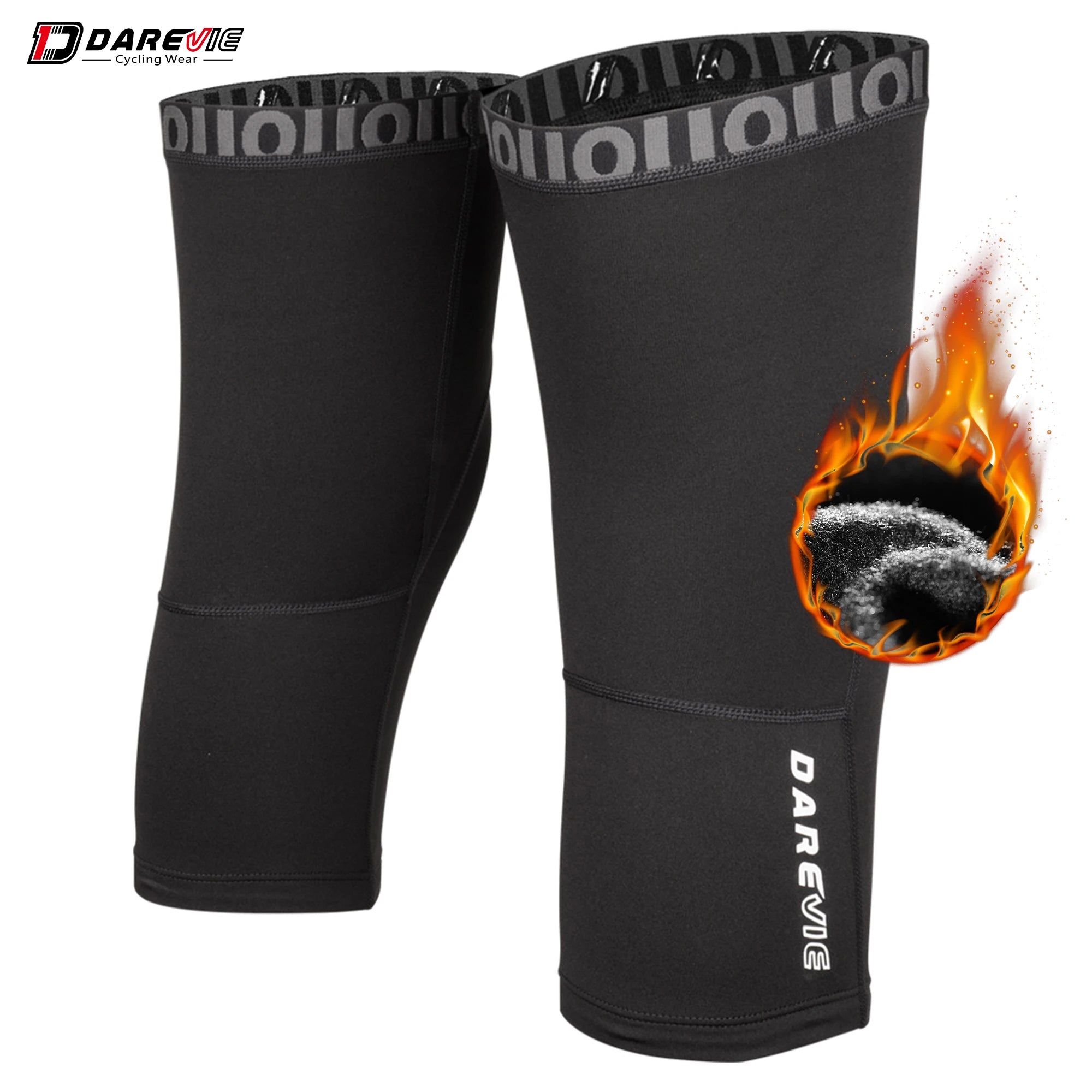
Layering matters in cycling clothing for cold weather — stay warm and ride longer See it in action
Why Winter Cycling Clothing Matters (Warmth, Safety & Performance)
Winter cycling isn’t just about staying warm—it’s about maintaining performance, safety, and consistency. Cold muscles reduce efficiency, slow reaction time, and increase injury risk. On the other hand, overheating leads to sweat buildup that quickly turns into chilling once intensity drops.
- Stable core temperature improves endurance
- Dry layers prevent post-ride chills
- Wind protection reduces heat loss dramatically
- Proper gear increases confidence in harsh conditions
The goal isn’t maximum warmth—it’s controlled warmth.
How to Dress for Winter Cycling (Layering System by Temperature)
The best winter cycling clothing depends heavily on temperature, wind chill, and ride intensity. Instead of guessing, use this temperature-based system to choose the right layering strategy for every ride.
10–5°C (Cool Conditions): Light Layers & Breathability
- Light thermal base layer
- Long-sleeve jersey or light mid-layer
- Wind-resistant vest or light jacket
- Full-finger gloves and light tights
Focus on breathability—overheating at this range is common.
5–0°C (Cold): Thermal Balance & Wind Protection
- Thermal base layer (moisture-wicking)
- Insulated mid-layer or fleece jersey
- Windproof cycling jacket
- Thermal bib tights, gloves, and shoe covers
Wind chill becomes a major factor—prioritize windproof fabrics.
0 to -5°C (Very Cold): Insulation + Windproofing
- Heavy thermal or merino wool base layer
- Insulated mid-layer
- Fully windproof and water-resistant outer shell
- Thermal tights, winter gloves, overshoes, skull cap
Maintaining core warmth becomes critical for both performance and safety.
Below -5°C (Extreme Cold): Full Protection System
- Double base layers (moisture-wicking + thermal)
- Thick insulating mid-layer
- Heavy-duty winter cycling jacket
- Thermal bib tights, insulated gloves, face covering, toe warmers
Protect extremities and prevent sweat buildup, which can rapidly lead to chilling.
The Winter Layering System Explained
Direct answer: Cycling clothing for cold weather works best as a three-layer system that traps heat, manages moisture, and blocks wind.
Base Layer: Moisture Management is Critical
The base layer moves sweat away from your skin before it cools.
- Merino wool for warmth and odor resistance
- Synthetic fabrics for high-intensity rides
- Close fit to maximize moisture transfer
Mid Layer: Insulation Without Overheating
This layer traps heat while remaining breathable.
- Thermal jerseys
- Fleece-lined tops
- Light insulated vests
Outer Layer: Windproof & Water Resistance
The outer shell protects against wind, rain, and snow.
- Windproof softshell jackets
- Water-resistant coatings
- Stretch panels for mobility
Complete Winter Cycling Outfit Examples (Head-to-Toe Systems)
Instead of mixing random pieces, use these proven winter cycling outfit systems based on your riding style.
Commuter Outfit (Urban Riding)
- Moisture-wicking base layer
- Insulated jacket with urban styling
- Water-resistant pants or thermal tights
- Windproof gloves and waterproof shoes
Endurance/Training Outfit (Long Distance)
- High-performance thermal base layer
- Breathable insulating jersey
- Windproof cycling jacket
- Thermal bib tights and aerodynamic gloves
Casual/Recreational Outfit (Comfort Focus)
- Comfort-focused base layer
- Fleece-lined jacket
- Standard thermal leggings or pants
- Basic gloves and shoe covers
Best Winter Cycling Clothing by Category (Top Picks)
Choosing the best clothing for winter cycling depends on performance, insulation, and weather resistance.
Best Base Layers for Winter Cycling
- Merino wool base layers for warmth and odor control
- Synthetic thermal layers for high-output rides
Best Winter Cycling Jackets & Outer Shells
- Windproof softshell jackets for dry cold rides
- Waterproof shells for wet conditions
Best Thermal Bib Tights & Legwear
- Fleece-lined bib tights for insulation
- Windproof front panels for protection
Flexible options like cycling leg warmers allow easy adjustment during rides.
Best Gloves, Shoe Covers & Accessories
- Insulated gloves for sub-zero temperatures
- Overshoes for wind and water protection
- Thermal caps and neck gaiters
Cold Weather Cycling Gear Comparison Table
Use this quick comparison to match gear with conditions.
- Base Layer: Merino (warm, breathable) vs Synthetic (better for sweat-heavy rides)
- Mid Layer: Fleece (insulation) vs Lightweight jersey (breathability)
- Outer Layer: Softshell (windproof) vs Hardshell (waterproof)
- Legwear: Thermal bib tights vs layered tights
- Accessories: Light gloves vs insulated winter gloves
Best Winter Cycling Attire by Rider Type
Commuters: Practical & Weatherproof Gear
- Waterproof outer layers
- Reflective elements
- Durable gloves and footwear
Endurance Riders: Performance & Thermoregulation
- Breathable layering system
- Lightweight insulation
- Aerodynamic winter gear
Recreational Riders: Comfort & Simplicity
- Fleece-lined apparel
- Comfort-first layering
- Basic cold-weather accessories
What to Wear for Extreme Cold Cycling (Sub-Zero Strategy)
In sub-zero conditions, focus on insulation, windproofing, and protecting extremities.
- Balaclavas or thermal neck gaiters
- Insulated shoe covers
- Layered gloves or mitts
- Thermal socks with moisture control
Small upgrades—especially for hands and feet—deliver the biggest comfort improvements.
Winter Cycling Tips for Staying Warm & Dry
- Start slightly cold—your body warms quickly
- Avoid overdressing to prevent sweat buildup
- Protect extremities first (hands, feet, face)
- Use windproof layers to reduce heat loss
- Adjust layers mid-ride
Common Winter Cycling Clothing Mistakes (That Make You Colder)
- Wearing too many layers and trapping sweat
- Ignoring wind chill
- Using cotton fabrics
- Neglecting gloves and shoe covers
- Choosing bulky, restrictive gear
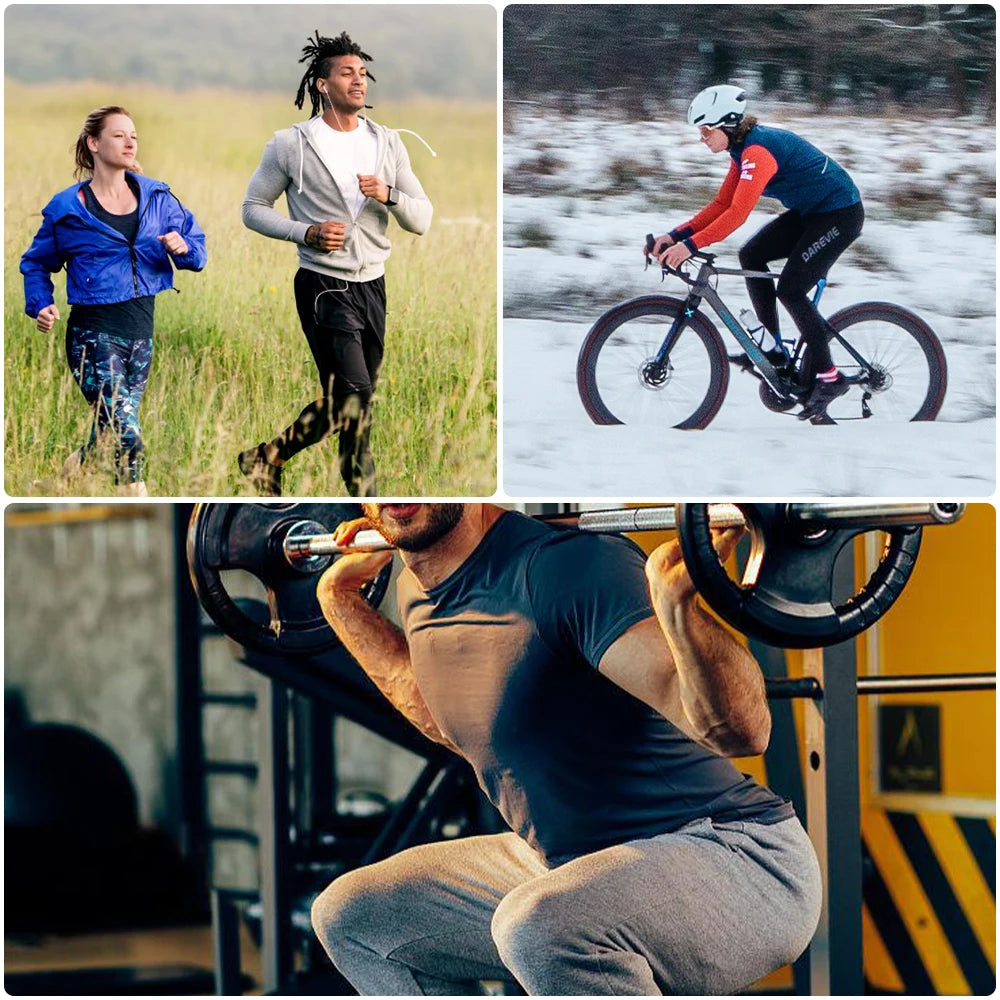
Small gear changes can transform winter cycling comfort See it in action
Winter Cycling Clothing FAQs
What temperature range is winter cycling gear designed for?
Most setups work between 20°F and 50°F (-6°C to 10°C), depending on layering and intensity.
Is layering better than a thick jacket?
Yes. Layering improves temperature control and moisture management.
How do I prevent sweating too much?
Use breathable base layers and adjust layers mid-ride.
What is the best fabric for winter cycling?
Merino wool and technical synthetics are best for balancing warmth and moisture control.
Do I need windproof gear?
Yes. Windproof layers dramatically reduce heat loss, especially at higher speeds.
Build a cold-weather setup that keeps you riding all season long.
- Long Ride Cycling Leg Warmers for Endurance Comfort
- Improving Circulation While Cycling With Cold-Weather Gear
- Cold Weather Bike Clothing: Features That Actually Matter
- Layering for Cold Bike Rides: Step-by-Step Winter Setup
- Best Winter Leg Warmers Cycling: Top Picks Compared
Pillar Article: Not Found
Explore More:
UPGRADE PLAN { "outline": [ { "action": "KEEP", "h2": "Does cycling clothing for cold weather really work?", "h3": [], "focus": [ "featured snippet", "benefits of technical apparel", "layering effectiveness", "purchase intent" ], "keywords": [ "cycling clothing for cold weather", "winter cycling clothing" ] }, { "action": "KEEP", "h2": "Why Winter Cycling Clothing Matters (Warmth, Safety & Performance)", "h3": [], "focus": [ "heat retention", "weather protection", "visibility", "comfort" ], "keywords": [ "winter cycling attire", "cycling in cold weather" ] }, { "action": "MODIFY", "h2": "How to Dress for Winter Cycling (Layering System by Temperature)", "h3": [ "10–5°C (Cool Conditions): Light Layers & Breathability", "5–0°C (Cold): Thermal Balance & Wind Protection", "0 to -5°C (Very Cold): Insulation + Windproofing", "Below -5°C (Extreme Cold): Full Protection System", "Rainy & Windy Conditions: Adjusting Your Layers" ], "focus": [ "temperature guidance", "weather adjustments", "layer combinations", "common mistakes" ], "keywords": [ "how to dress for winter cycling", "what to wear for winter cycling", "layering for winter cycling" ] }, { "action": "KEEP", "h2": "The Winter Layering System Explained", "h3": [ "Base Layer: Moisture Management is Critical", "Mid Layer: Insulation Without Overheating", "Outer Layer: Windproof & Water Resistance" ], "focus": [ "fabric selection", "layer purpose", "fit", "breathability" ], "keywords": [ "layering for winter cycling", "best clothing for winter cycling" ] }, { "action": "MODIFY", "h2": "Complete Winter Cycling Outfit Examples (Head-to-Toe Systems)", "h3": [ "Commuter Outfit (Urban Riding)", "Road Cycling Outfit (Training & Endurance)", "Mountain Bike Outfit (Trail Riding)", "Women's Fit Considerations", "Men's Fit Considerations" ], "focus": [ "complete outfits", "discipline differences", "fit", "accessory pairing" ], "keywords": [ "winter cycling outfit", "winter cycling attire" ] }, { "action": "MODIFY", "h2": "Best Winter Cycling Clothing by Category (Top Picks)", "h3": [ "Best Base Layers for Winter Cycling", "Best Winter Cycling Jackets & Outer Shells", "Best Thermal Bib Tights & Legwear", "Best Gloves, Shoe Covers & Accessories", "How to Choose the Right Fabric & Features" ], "focus": [ "buying criteria", "product categories", "fabric technologies", "value" ], "keywords": [ "best clothing for winter cycling", "cold weather cycling gear" ] }, { "action": "MODIFY", "h2": "Cold Weather Cycling Gear Comparison Table", "h3": [ "Base Layers vs Merino vs Synthetic", "Softshell vs Hardshell Jackets", "Thermal Tights vs Leg Warmers" ], "focus": [ "feature comparison", "pros and cons", "weather suitability", "budget" ], "keywords": [ "cold weather cycling gear", "best clothing for winter cycling" ] }, { "action": "MODIFY", "h2": "Best Winter Cycling Attire by Rider Type", "h3": [ "Commuters", "Road Cyclists", "Mountain Bikers", "Beginners", "Experienced Riders" ], "focus": [ "riding style", "budget", "performance", "comfort" ], "keywords": [ "winter cycling attire", "winter cycling clothing" ] }, { "action": "KEEP", "h2": "What to Wear for Extreme Cold Cycling (Sub-Zero Strategy)", "h3": [], "focus": [ "sub-zero layering", "exposed skin", "ride duration", "safety" ], "keywords": [ "cycling in cold weather", "what to wear for winter cycling" ] }, { "action": "MODIFY", "h2": "Winter Cycling Tips for Staying Warm & Dry", "h3": [ "Before the Ride", "During the Ride", "After the Ride" ], "focus": [ "temperature regulation", "hydration", "ventilation", "ride planning" ], "keywords": [ "cycling in winter tips", "cycling in cold weather" ] }, { "action": "KEEP", "h2": "Common Winter Cycling Clothing Mistakes (That Make You Colder)", "h3": [], "focus": [ "overdressing", "cotton clothing", "poor fit", "ignoring extremities" ], "keywords": [ "winter cycling clothing", "how to dress for winter cycling" ] }, { "action": "ADD", "h2": "How to Care for Winter Cycling Clothing", "h3": [ "Washing Technical Fabrics", "Restoring Water Repellency", "Storage Tips" ], "focus": [ "maintenance", "fabric longevity", "performance", "care" ], "keywords": [ "winter cycling clothing", "cold weather cycling gear" ] }, { "action": "KEEP", "h2": "Winter Cycling Clothing FAQs", "h3": [ "What temperature range is winter cycling gear designed for?", "Is layering better than a thick jacket?", "How do I prevent sweating too much?", "What is the best fabric for winter cycling?", "Do I need windproof gear?" ], "focus": [ "common buying questions", "layering", "fabric", "weather" ], "keywords": [ "winter cycling clothing", "cycling clothing for cold weather" ] } ], "internal_links": [ "Winter cycling jackets buying guide", "Best thermal cycling base layers", "Merino wool vs synthetic base layers", "Winter cycling gloves guide", "Cycling overshoes and shoe covers", "How to choose cycling bib tights", "Rain cycling clothing guide", "High-visibility cycling gear", "Cold weather cycling accessories", "How to wash technical cycling apparel" ], "faq": [ "What should I wear for winter cycling at different temperatures?", "How many layers do I need for winter cycling?", "Is merino wool or synthetic better for winter cycling?", "Do I need waterproof or windproof cycling clothing?", "What accessories make the biggest difference in cold weather cycling?", "How do I avoid sweating while cycling in winter?", "Can I use the same winter cycling outfit for commuting and road riding?", "How should I wash and maintain winter cycling clothing?" ], "trim": [ "Reduce overlap between temperature-based layering and layering system sections.", "Merge repeated advice about gloves and shoe covers into one comprehensive section.", "Limit repeated explanations of windproof versus waterproof fabrics.", "Avoid duplicating commuter recommendations across outfit and rider-type sections." ] } Approved linked products: - cycling leg warmers (/products/cycling-leg-warmers) Product Rules - Keep all approved products. - Only approved products may contain affiliate links. - You may add real competitor products when useful. - Competitor products must not contain links unless already present. - Only create comparison tables when they genuinely improve the article. RULES - Apply every instruction in the Upgrade Plan. - Keep all existing affiliate links unchanged. - Keep all existing internal links unchanged. - Keep all existing image URLs unchanged. - Preserve sections such as Related Articles, Related Posts and Recommended Reading. - Avoid duplicate headings. - Insert new sections only where specified. - Improve clarity, topical coverage, EEAT and readability. - Expand weak sections only when required. - Use natural keyword placement. - Keep semantic HTML clean. YEAR UPDATE If visible article text contains "2005", replace it with "2026". Do not modify years inside: - URLs - href attributes - image filenames OUTPUT REQUIREMENTS Return ONLY the final upgraded HTML article. The output must be valid HTML and ready to publish. Do NOT return: - Markdown - Explanations - Notes - Code fences - JSON - XML Return the HTML beginning with the first HTML element and ending with the last HTML element.












