

What is layering for cold weather cycling?
Layering for cold weather cycling is a clothing system that helps riders manage body heat, sweat, wind, and changing weather conditions during winter rides. Instead of relying on one thick jacket, cyclists combine a moisture-wicking base layer, an insulating mid layer, and a protective outer layer to create adjustable warmth and comfort.
The goal of how to layer for winter cycling is not simply to stay warm—it is to maintain the right balance between insulation and breathability. A well-designed layering system keeps you dry during hard efforts, blocks wind on descents, and adapts when temperatures or riding intensity change.
Layering for Cold Weather Cycling: The Complete Winter Riding System
Layering for cold bike rides doesn’t have to feel complicated. The right winter cycling setup creates warmth where needed, breathability where you sweat, and consistent comfort—without bulky clothing or constant adjustments.
⏱ 7 min read
Layering for cold bike rides starts with the right foundation
Which layer actually keeps you warm—and which one makes you sweat? Build a winter cycling system where every layer works together for comfort, performance, and control.
Why Layering Matters for Cycling in Cold Weather
Thermoregulation While Riding
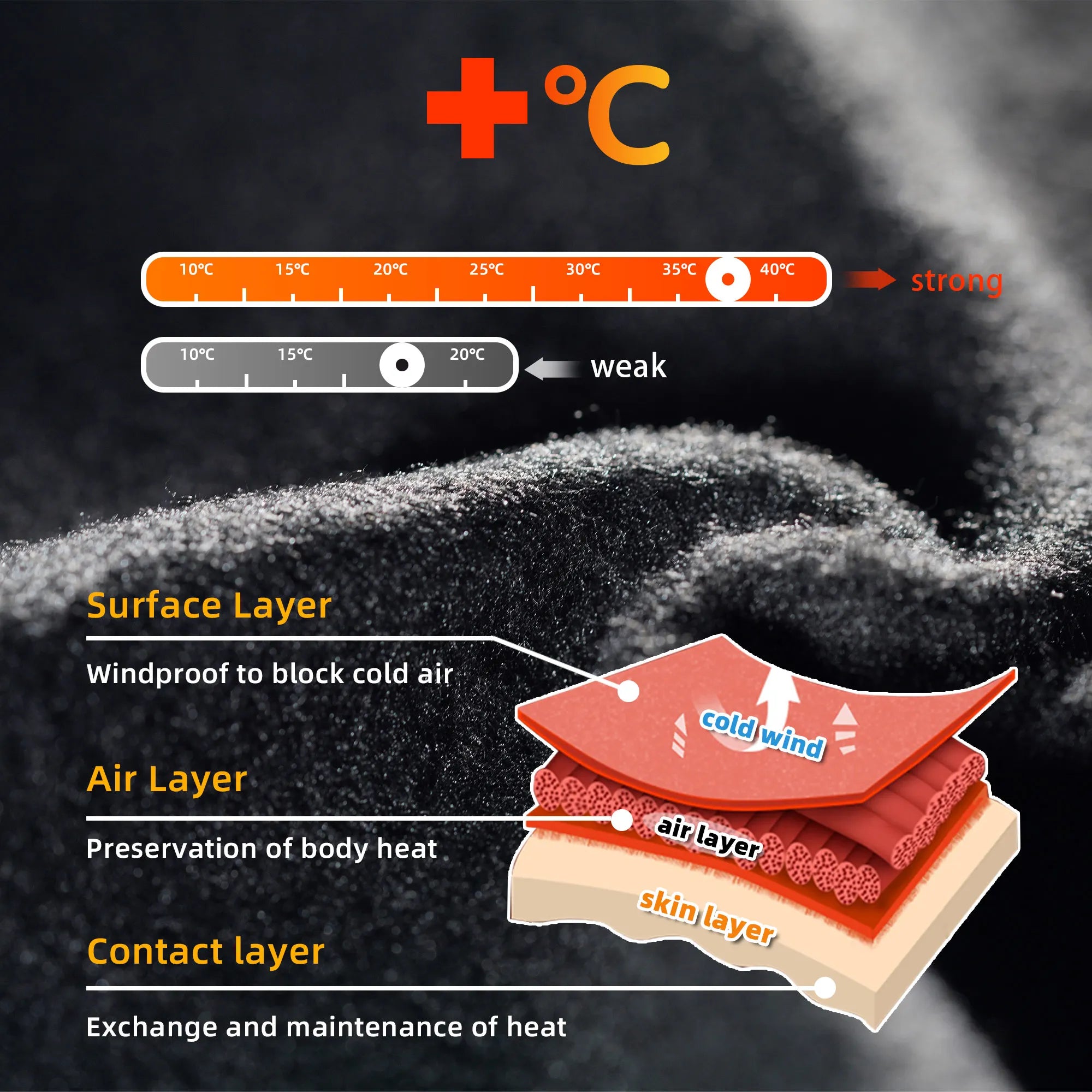
Cycling creates significant body heat, especially during climbs or high-effort sections. However, cold air removes heat quickly, particularly when riding at speed. Effective layering helps your body maintain a stable temperature by adding insulation when needed while allowing excess heat to escape.
Wind Chill vs Air Temperature
Wind can make a cold ride feel much colder than the actual temperature suggests. During cycling, your forward movement increases airflow across your body, making wind protection one of the most important parts of cold weather bike clothing.
Sweat Management and Overheating
The biggest winter cycling mistake is wearing too many heavy layers. Sweat trapped inside clothing can make you feel colder once your pace slows. Breathable fabrics and adjustable layers help move moisture away while keeping insulation effective.
The 3-Layer System for Winter Cycling (Explained Simply)
Base Layer (Moisture Control)
The base layer sits against your skin and manages moisture. Its main job is moving sweat away from your body so your insulation layers can work properly.
Mid Layer (Insulation Strategy)
The mid layer traps warm air created by your body. The best options provide insulation without restricting airflow, allowing you to stay comfortable during changing effort levels.
Outer Layer (Wind & Weather Protection)
The outer layer protects against wind, rain, and road spray. A good shell blocks harsh weather while still releasing heat and moisture during intense riding.
How to Choose the Right Base Layer (Merino vs Synthetic)
Merino Wool Benefits
Merino wool is popular for winter cycling because it naturally regulates temperature, manages odor, and provides warmth even when slightly damp. It works especially well for long-distance rides and variable conditions.
Synthetic Performance Fabrics
Synthetic base layers are designed for fast moisture movement and quick drying. They are often preferred for training rides, racing, and high-output cycling where sweat control is the priority.
When to Use Each Material
- Choose merino for endurance rides and colder temperatures.
- Choose synthetic fabrics for intense workouts and faster drying.
- Choose blended fabrics when you want versatility for everyday winter riding.
| Feature | Merino Wool | Synthetic |
|---|---|---|
| Warmth | High | Moderate |
| Moisture Control | Good | Excellent |
| Drying Speed | Slow | Fast |
| Odor Resistance | Excellent | Moderate |
Mid Layers That Trap Warmth Without Overheating
Breathability vs Insulation Balance
A good mid layer should provide warmth without creating a heat trap. Lightweight insulation with airflow helps prevent overheating during climbs while maintaining comfort during colder sections.
Grid Fleece vs Thermal Jerseys
Grid fleece provides excellent ventilation and moisture movement, while thermal jerseys deliver consistent insulation for steady rides. Your choice depends on temperature, effort level, and ride duration.
Adjusting for Ride Intensity
High-intensity cyclists usually need lighter insulation because their bodies generate more heat. Casual riders or commuters often benefit from additional warmth because of slower speeds and frequent stops.
Balanced insulation keeps winter rides smooth
Outer Layers: Windproof vs Waterproof Explained
Softshell vs Hardshell Jackets
Softshell jackets provide flexibility, breathability, and light weather protection, making them ideal for dry cold conditions. Hardshell jackets offer stronger rain protection and are better suited for wet or unpredictable weather.
When You Actually Need Waterproofing
A waterproof jacket is valuable during rain, wet snow, or long rides in damp conditions. In dry winter weather, a highly breathable windproof layer may perform better because it reduces sweat buildup.
Ventilation Features That Matter
Look for practical features such as zip vents, breathable panels, adjustable cuffs, and packable designs. These details make it easier to regulate temperature during changing conditions.
Lower Body Layering for Winter Cycling
Thermal Bib Tights vs Leg Warmers
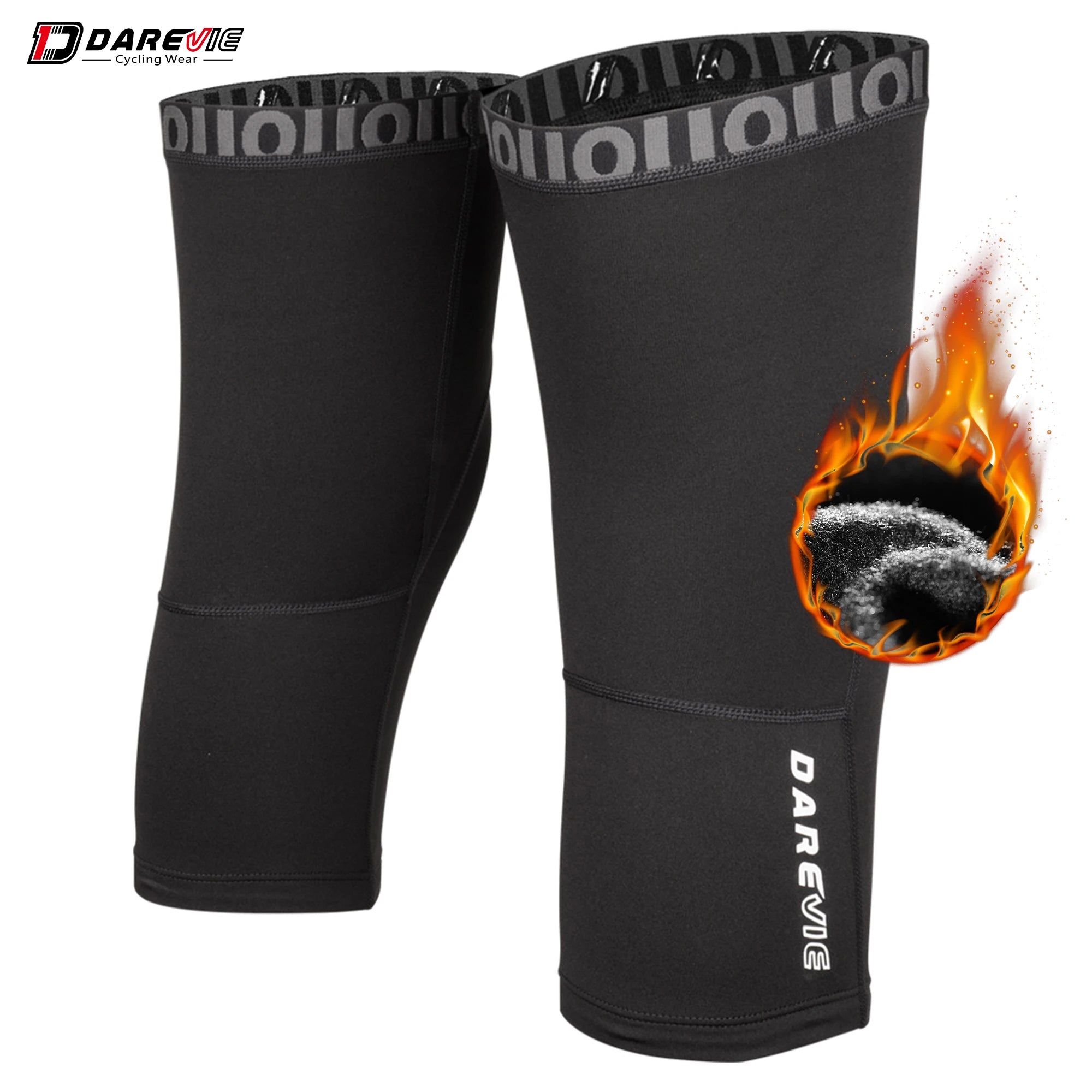
Thermal bib tights provide full coverage and insulation for consistently cold rides, while cycling leg warmers provide flexibility when temperatures change throughout the day.
Wind Protection for Knees and Thighs
Knees and thighs are exposed to airflow throughout a ride. Wind-resistant materials help reduce cold discomfort and maintain mobility during longer winter sessions.
Layering for Wet vs Dry Roads
Dry cold conditions allow more breathable fabrics, while wet roads require better water resistance to protect against spray and moisture buildup.
- Protects muscles from cold stiffness
- Improves comfort during long rides
- Allows quick adjustments when temperatures rise
- Works with existing winter cycling attire
Hands, Feet, and Head: Critical Heat Zones
Glove Layering Strategy
Hands lose warmth quickly because they remain exposed to airflow. Use insulated gloves in colder conditions or combine thin liners with protective outer gloves for better temperature control.
Overshoes, Shoe Covers and Thermal Socks
Feet are especially vulnerable to wind exposure. Thermal socks paired with windproof shoe covers help maintain warmth without adding unnecessary bulk inside cycling shoes.
Headwear, Neck Gaiters and Helmet Compatibility
A thin thermal cap, ear warmer, or neck gaiter can reduce heat loss while maintaining helmet fit. Choose low-profile accessories that do not interfere with safety equipment.
Layering by Temperature: What to Wear from 60°F to Below 32°F (15°C to Below 0°C)
50–60°F (10–15°C)
- Light moisture-wicking base layer
- Long sleeve jersey or lightweight thermal layer
- Windproof vest or light jacket
- Light gloves if needed
40–50°F (4–10°C)
- Thermal base layer
- Medium insulation layer
- Wind-resistant outer jacket
- Thermal tights or leg protection
32–40°F (0–4°C)
- Warm base layer
- Insulated mid layer
- Windproof jacket
- Full gloves and shoe covers
Below 32°F (Below 0°C)
- Heavy thermal base layer
- High-insulation mid layer
- Protective outer shell
- Winter accessories for hands, feet, and face
Layering for Different Riding Disciplines and Conditions
Road Cycling
Road cyclists benefit from lightweight, aerodynamic layers that balance warmth with ventilation during sustained efforts and fast descents.
Gravel and Mountain Biking
Off-road riding often involves lower speeds, changing terrain, and more stops. More durable outer layers and additional insulation can improve comfort.
Commuting
Commuters usually need warmer setups because stop-start riding produces less continuous body heat. Packable layers are useful when temperatures change during the day.
Wind, Rain and Variable Weather
Changing weather requires flexible systems. Carrying a lightweight shell or removable layer allows quick adjustments without carrying excessive clothing.
How to Adjust Layers During the Ride
Start Slightly Cool
Beginning a ride slightly cool helps prevent overheating once your body warms up. A comfortable layering system should feel better after the first few minutes of movement.
Managing Sweat
Open vents before you become overheated. Removing excess moisture early helps prevent damp clothing from making you cold later.
When to Add or Remove Layers
Add protection before long descents, exposed roads, or weather changes. Remove layers during climbs or higher-effort sections to maintain comfort.
Common Winter Cycling Layering Mistakes to Avoid
Overdressing
Too many layers can trap sweat and reduce comfort. Choose breathable insulation instead of simply adding bulk.
Cotton Base Layers
Cotton absorbs moisture and dries slowly, making it a poor choice for winter cycling. Technical fabrics are better suited for temperature regulation.
Ignoring Ventilation
A warm jacket without airflow control can quickly become uncomfortable. Breathability is just as important as insulation.
Poor Accessory Choices
Cold hands, feet, and ears can ruin a ride even when your core is warm. Quality accessories often make the biggest difference in winter comfort.
Quick Layering Checklist (Before You Ride)
- Check temperature, wind, and precipitation before leaving.
- Select moisture-wicking base layers.
- Add insulation based on ride intensity.
- Protect exposed areas from wind.
- Pack an extra layer for changing weather.
- Prepare spare dry clothing after the ride.

Ride longer with confidence
After the Ride: Drying, Recovery and Clothing Care
Change Out of Damp Layers
Remove sweaty clothing soon after finishing a ride. Staying in damp technical fabrics can reduce comfort and make it harder to warm up.
Drying Technical Fabrics
Allow cycling layers to fully dry before storing them. Follow garment care instructions to maintain fabric performance and insulation.
Preparing for the Next Ride
Check your gear after each ride, replace damaged layers, and keep frequently used accessories ready for changing winter conditions.
Winter Cycling Layering FAQs
How many layers do I need for cold bike rides?
Most riders can stay comfortable with three main layers: a moisture-wicking base layer, insulating mid layer, and protective outer layer.
Are leg warmers better than thermal tights?
Leg warmers provide flexibility for changing temperatures, while thermal tights offer more complete insulation for consistently cold rides.
What should I wear for a 45°F bike ride?
A 45°F ride usually works well with a thermal base layer, lightweight insulation, wind protection, and optional leg coverage depending on wind and ride intensity.
How do I layer for winter cycling without overheating?
Use breathable fabrics, avoid excessive insulation, and adjust vents or layers before sweat builds up.
Is a windproof jacket better than a waterproof jacket for cycling?
A windproof jacket is often better for dry cold conditions because it provides protection while allowing more breathability. Waterproof jackets are better when rain or wet snow is expected.
Should I wear a mid layer on high-intensity winter rides?
High-intensity riders often need lighter insulation because they generate more heat. A breathable mid layer may still help during colder temperatures or long descents.
What accessories make the biggest difference in cold weather cycling?
Gloves, shoe covers, thermal socks, and helmet-compatible headwear often provide the biggest comfort improvements because hands, feet, and head lose heat quickly.
How should I dress for long winter bike rides with changing weather?
Use adjustable layers that can be added or removed during the ride. Packable outer shells and versatile mid layers work well for unpredictable conditions.
- What to Wear Winter Cycling: A Simple Gear Checklist
- Cold Legs During Cycling? Fix It Before Your Next Ride
- Keeping Legs Warm Cycling Without Bulky Winter Tights
- Unisex Winter Cycling Leg Warmers Compared for Fit and Warmth
- Cycling Clothing for Cold Weather by Rider Type
- Cold Weather Bike Clothing: Features That Actually Matter
- Best Winter Leg Warmers Cycling: Top Picks Compared
Pillar Article: Not Found
Explore More:













