

Does Using a Foam Roller for the Upper Back Really Work?
Yes. Learning how to use a foam roller for upper back mobility can reduce stiffness, improve thoracic spine movement, and temporarily relieve muscle tension when performed correctly. Foam rolling works by applying gentle pressure to tight muscles and connective tissue, helping improve circulation and making movement feel easier.
Unlike lower back rolling, upper back foam rolling targets the thoracic spine, where reduced mobility commonly contributes to rounded shoulders, neck tension, and limited overhead movement.
- Improves thoracic mobility
- Helps reduce upper back stiffness
- Supports healthier posture
- May decrease muscle soreness after exercise
- Prepares the shoulders for lifting or stretching
Although relief can be immediate, lasting improvements come from combining foam rolling with mobility exercises and strengthening work.
⏱ 6 min read
How to Use a Foam Roller for Upper Back: Step-by-Step Guide to Relieve Stiffness and Improve Thoracic Mobility
Upper back stiffness often develops gradually from prolonged sitting, poor posture, repetitive movements, or limited thoracic mobility. Learning how to use a foam roller for upper back mobility can help restore movement, reduce muscle tension, and support better posture. When combined with a foam back stretcher for posture improvement and targeted mobility exercises, foam rolling can become an effective part of your daily back care routine.
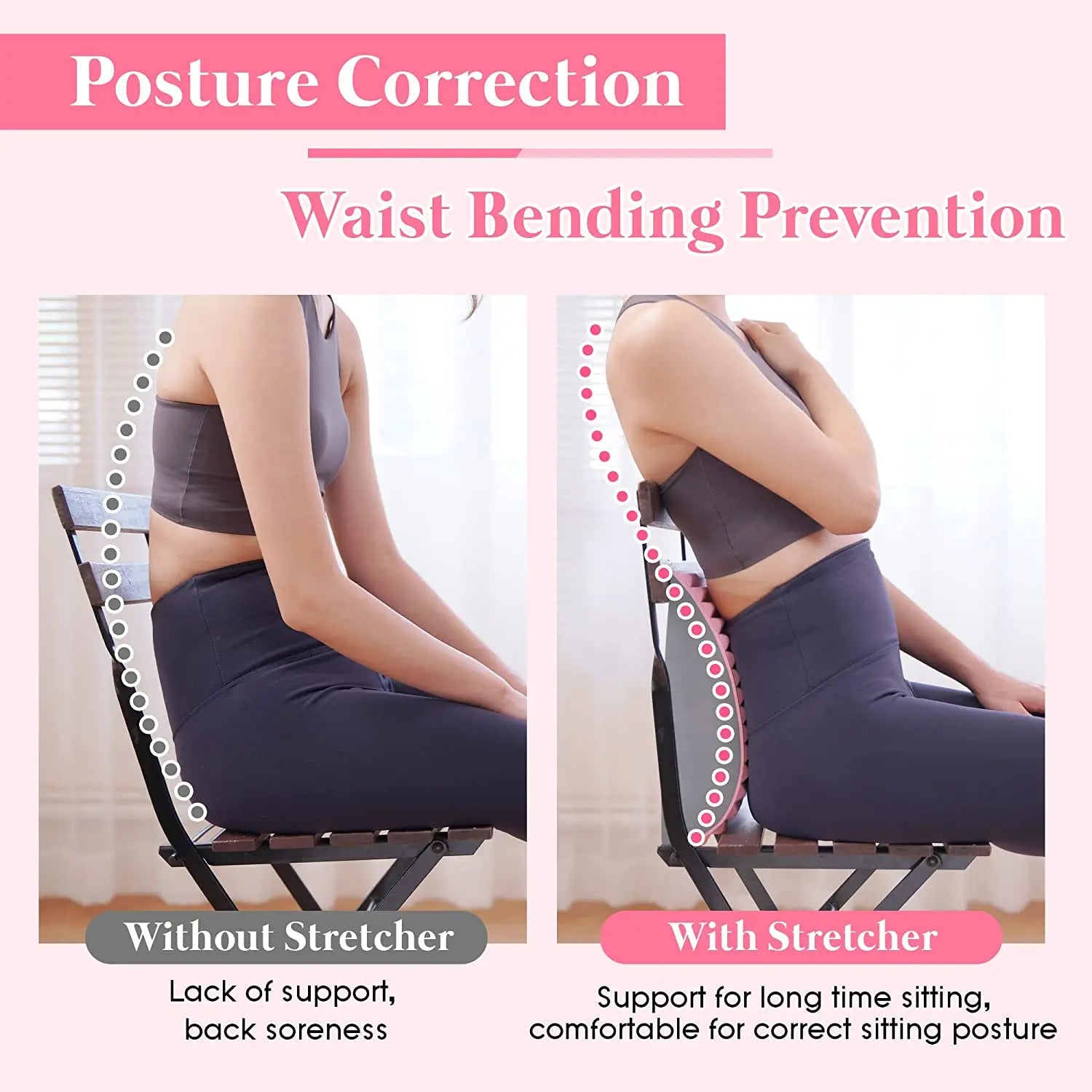
Foam roller exercises upper back for posture improvement — See it in action
Do you experience upper back tightness after working at a desk, driving, or exercising? Restricted thoracic mobility can contribute to stiffness, poor posture, neck discomfort, and shoulder movement limitations.
Can a few minutes of foam rolling each day really improve upper back mobility and posture?
The answer depends on using the correct technique and combining it with mobility and strengthening exercises.
Why the Upper Back Gets Stiff (Thoracic Spine Anatomy Explained)
The thoracic spine consists of the twelve vertebrae between your neck and lower back. Because these joints connect to the rib cage, they naturally move less than the neck or lumbar spine. Long periods of sitting, poor posture, repetitive movements, and limited exercise can make this region even stiffer.
What Is the Thoracic Spine?
The thoracic spine supports the rib cage while allowing controlled rotation, extension, and movement during daily activities. When mobility decreases, nearby joints—including the shoulders and neck—often compensate, leading to discomfort and poor movement patterns.
Muscles Targeted During Upper Back Foam Rolling
- Upper and middle trapezius
- Rhomboids
- Thoracic erector spinae
- Upper latissimus dorsi fibers
- Posterior shoulder muscles
Why Mobility Matters for Posture and Shoulder Movement
Improving thoracic extension and rotation helps support overhead reaching, lifting mechanics, posture, breathing efficiency, and overall spinal movement. Better thoracic mobility can also reduce compensatory stress on the neck and shoulders.
Who Should—and Shouldn't—Use a Foam Roller for the Upper Back?
People Who May Benefit
- Office workers who sit for long periods
- Athletes with limited thoracic mobility
- People with muscle tightness between the shoulder blades
- Individuals working on posture improvement
- People recovering from mild muscular stiffness after exercise
Who Should Avoid Foam Rolling
- People with recent fractures
- Known spinal instability
- Acute injuries causing severe pain
- Unexplained numbness or weakness
- Recent spinal surgery unless cleared by a healthcare professional
Stop Immediately If You Experience
- Sharp or shooting pain
- Pain radiating into the arms
- Dizziness
- Loss of strength
- Numbness or tingling
How to Prepare Before Foam Rolling Your Upper Back
Choose the Right Foam Roller
Beginners generally tolerate a medium-density foam roller better than firm textured rollers. A standard 18–36 inch roller provides adequate support for the upper back.
Starting Position
Sit on the floor with your knees bent. Position the foam roller horizontally beneath the upper back, just below the shoulder blades. Support your head with both hands to avoid straining the neck.
Focus on Slow Breathing
Take slow diaphragmatic breaths before rolling. Exhaling during movement helps relax the muscles and reduce unnecessary tension.
How to Use a Foam Roller for Upper Back (Step-by-Step)
-
Step 1: Position the Foam Roller Correctly
Place the foam roller across the upper back below the shoulder blades while avoiding the neck and lower back.
-
Step 2: Lift Your Hips and Support Your Head
Interlace your fingers behind your head and raise your hips slightly so your body weight rests comfortably on the roller.
-
Step 3: Roll Slowly Through the Thoracic Spine
Move only a few inches at a time, rolling from the middle back to the top of the shoulder blades over 30–60 seconds.
-
Step 4: Pause on Tight Spots
When you find a tender area, stop for 20–30 seconds while breathing slowly instead of aggressively rolling over it.
-
Step 5: Perform Thoracic Extensions
Lower your hips and gently extend backward over the roller, then return to neutral. Repeat 6–10 times.
-
Step 6: Finish with Mobility Drills
Follow foam rolling with open-book rotations, wall slides, or cat-cow stretches to reinforce your improved range of motion.
For deeper results, combine foam rolling with a foam back stretcher for posture improvement , which helps support gentle spinal extension and posture training.
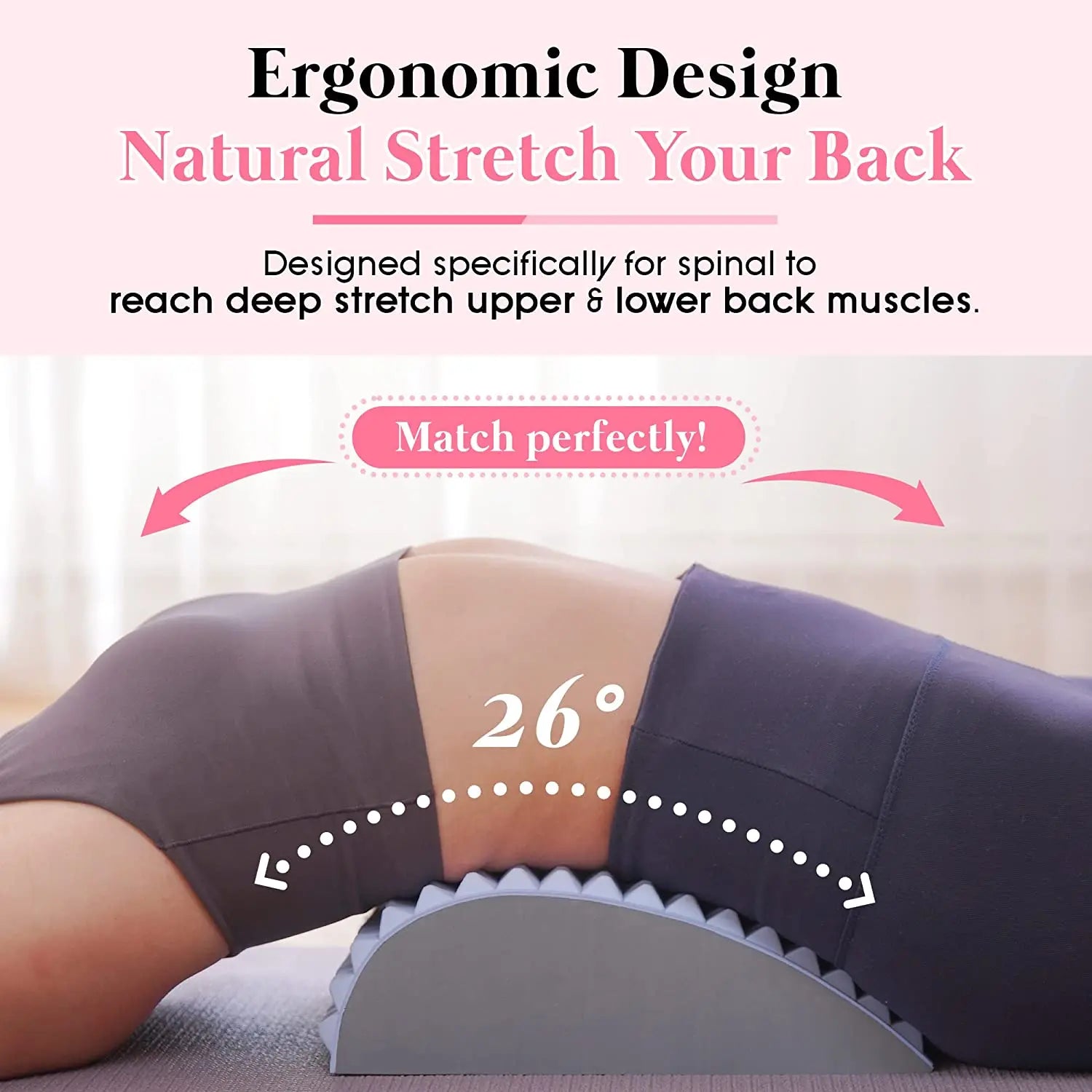
Back stretching device for posture correction — See it in action
5-Minute Upper Back Foam Roller Routine
Beginner Routine
- 60 seconds slow rolling
- 6 thoracic extensions
- 30 seconds deep breathing
Intermediate Routine
- 90 seconds rolling
- 10 thoracic extensions
- 10 open-book rotations each side
- 10 wall slides
Limited Mobility Variation
- Keep hips on the floor
- Use smaller movements
- Reduce pressure as needed
- Spend extra time on breathing
Common Foam Rolling Mistakes That Can Make Upper Back Pain Worse
- Rolling directly on the neck
- Rolling over the lower back instead of the thoracic spine
- Moving too quickly
- Holding your breath
- Using excessive pressure
- Ignoring sharp pain
- Skipping mobility exercises afterward
Slow, controlled movements combined with steady breathing generally produce better results than aggressive rolling techniques.
Foam Roller vs. Back Stretcher: Which Is Better for Upper Back Stiffness?
A foam roller and a back stretcher improve mobility using different mechanisms.
| Feature | Foam Roller | Back Stretcher |
|---|---|---|
| Muscle release | Excellent | Moderate |
| Thoracic mobility | Excellent | Good |
| Passive spinal extension | Limited | Excellent |
| Ease of use | Requires technique | Beginner-friendly |
| Posture support | Supportive | Highly effective |
- Foam roller: Better for muscle tension, thoracic mobility, and myofascial release.
- Back stretcher: Better for passive spinal extension and prolonged stretching.
Many people benefit from using a foam roller first to relax tight muscles before progressing to a back stretching device for posture correction for additional mobility work.
What to Do After Foam Rolling for Longer-Lasting Relief
Stretch Tight Muscles
Perform chest stretches, thoracic rotations, and shoulder mobility exercises immediately after rolling.
Strengthen Your Posture
Add rows, face pulls, and lower trapezius strengthening exercises to maintain improved alignment.
Practice Better Daily Habits
- Take movement breaks every hour
- Alternate sitting and standing
- Keep screens at eye level
- Continue thoracic mobility work several times each week
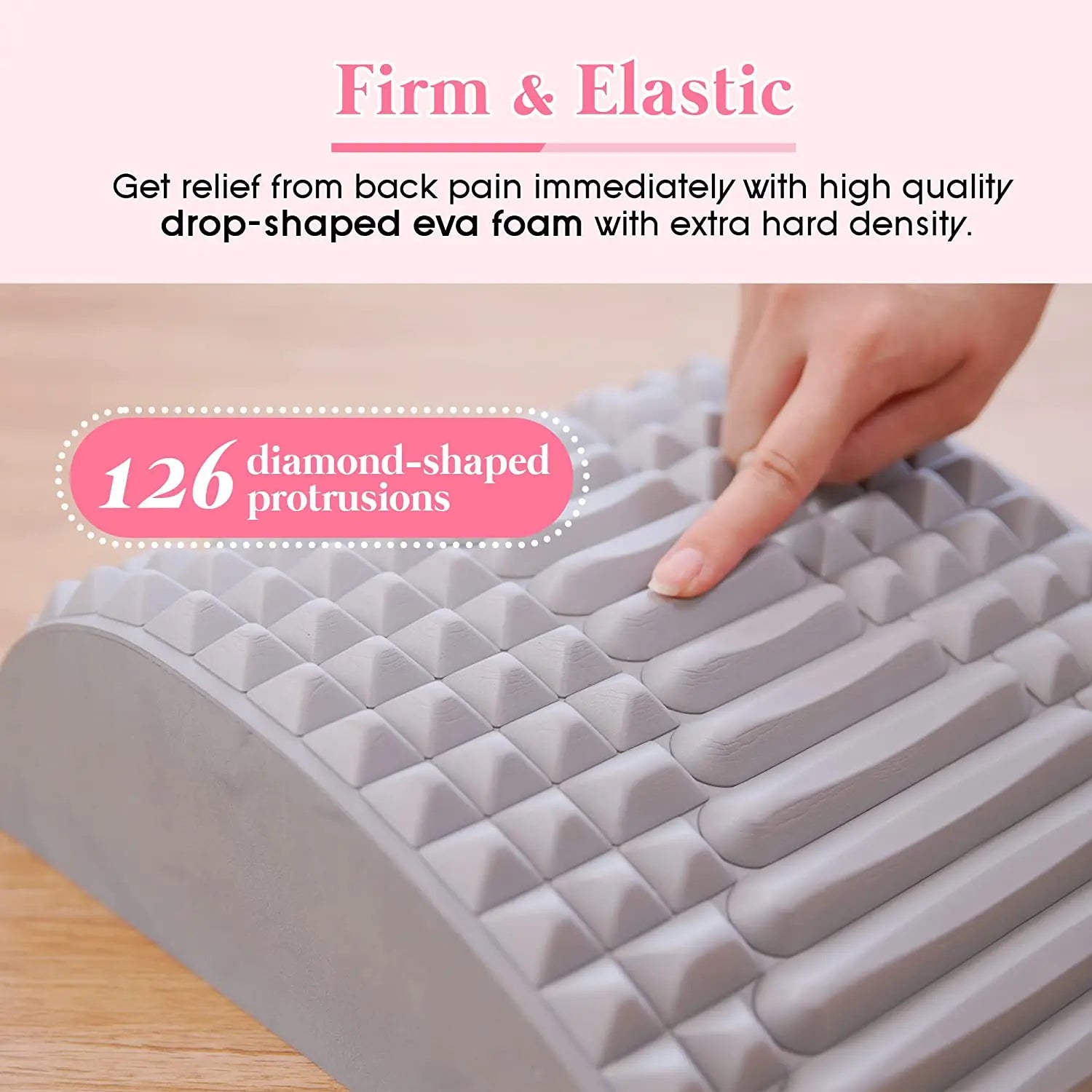
Decompress spine safely at home — See it in action
Most people notice temporary relief immediately after foam rolling, while long-term improvements in posture and mobility typically develop through consistent practice over several weeks.
Frequently Asked Questions
How often should I foam roll my upper back?
Most people benefit from performing upper back foam rolling 3–7 times per week, depending on their activity level and degree of stiffness.
Can foam rolling crack my back safely?
Occasional popping sounds are common and usually occur because of changes in joint pressure rather than bones shifting out of place.
Why does my neck hurt while foam rolling?
Neck discomfort often means the head is not adequately supported or the foam roller has been positioned too high.
How long should each session last?
Most upper back mobility sessions require only 5–10 minutes.
Can foam rolling improve posture?
Foam rolling can support posture improvement by increasing mobility, but lasting changes also require strengthening exercises and ergonomic habits.
Is soreness after foam rolling normal?
Mild soreness lasting up to 24 hours can occur, especially in beginners. Sharp or persistent pain is not considered normal and should be evaluated.
Pillar Article: How to Decompress Back at Home: Step-by-Step Relief Guide
Other Related Articles:
- Vibrating Back Pillow: How to Use It for Fast Relief
- How to Stretch Lower Back: Daily Routine for Quick Relief
- Roller Back Exercises: Simple Moves to Ease Back Pain
Explore More:













