

What Are Roller Back Exercises and Do They Really Help?
Roller back exercises use a foam roller or support tool to apply gentle pressure and movement to muscles and fascia. This approach—often called self-myofascial release—can temporarily reduce stiffness, improve mobility, and support better movement patterns when used consistently.
How Foam Rolling Works on Muscles and Fascia
Foam rolling applies controlled pressure to soft tissues, helping reduce muscle sensitivity and improve short-term range of motion. It does not permanently change tissue structure but can make movement feel easier and less restricted.
Which Back Muscles Benefit Most
- Upper back (thoracic spine muscles)
- Latissimus dorsi (lats)
- Rhomboids between shoulder blades
- Glutes and hip rotators that influence lower back tension
Who Should Use Roller Back Exercises
- People with mild stiffness from sitting or daily activity
- Individuals recovering from workouts
- Desk workers needing posture support
- Anyone looking to improve mobility safely at home
⏱ 5 min read
Roller Back Exercises: Simple Moves to Ease Back Pain
Feeling constant tightness in your lower back after long days, lifting your baby, or even pushing a stroller? You’re not alone. Many people look for simple, effective ways to ease discomfort without complex routines. This guide shows how roller back exercises can help restore movement and reduce tension safely at home.
Discover simple tools and routines inside the Body Care and Health Devices collection.
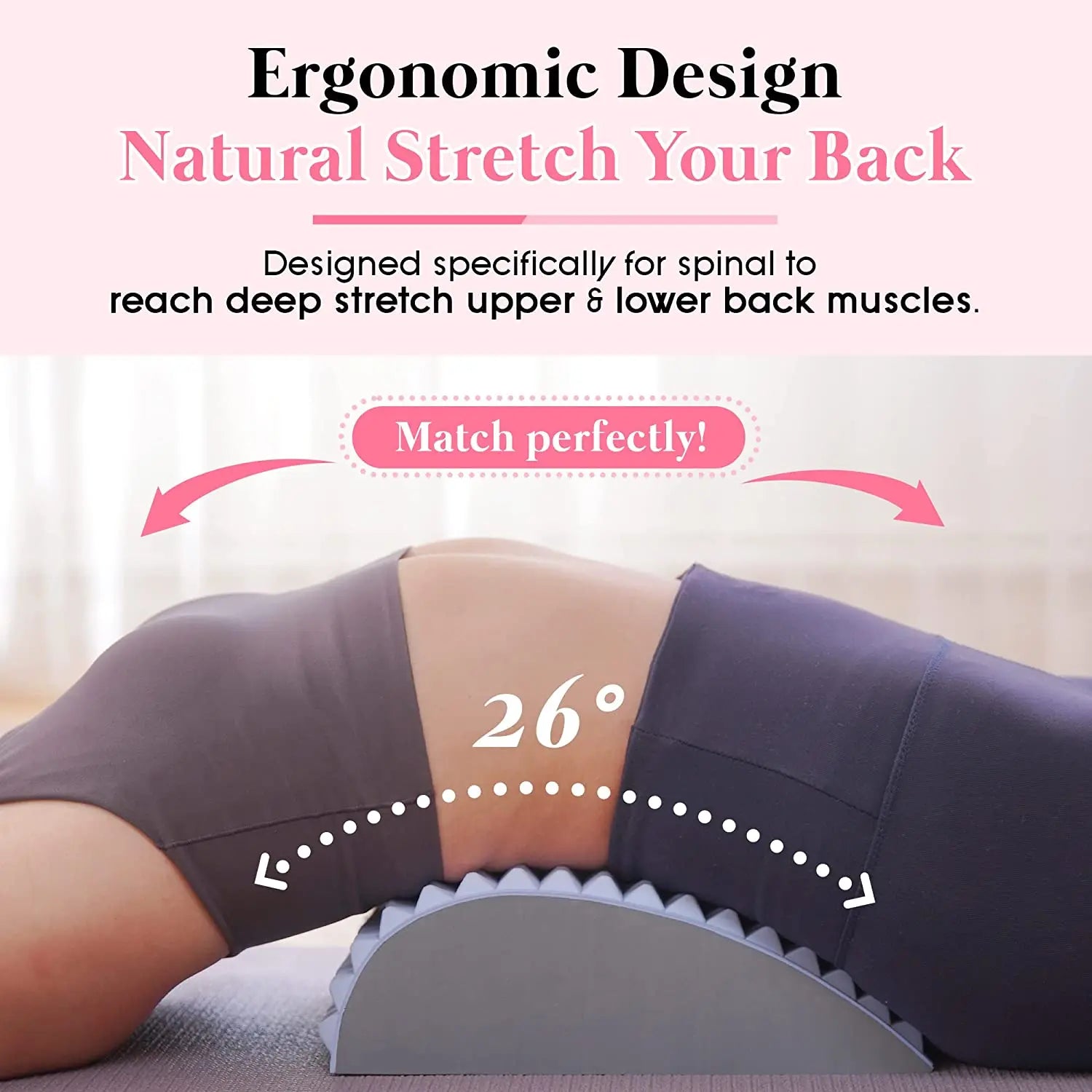
Foam roller stretches lower back for daily relief See it in action
Which routine fits your lifestyle best? Keep reading to find the easiest way to stretch safely—even on your busiest days.
Safety First: When to Use—and Avoid—Foam Roller Back Exercises
Roller back exercises are generally safe when performed with control and proper positioning. However, not every type of back pain responds well to foam rolling.
Signs You're Safe to Begin
- Mild muscle tightness or stiffness
- Soreness after exercise
- Poor posture from prolonged sitting
- Reduced upper back mobility
When to Stop Immediately
- Sharp or radiating pain
- Numbness or tingling
- Loss of strength
- Pain that worsens during rolling
Medical Conditions Requiring Professional Advice
- Recent spinal surgery
- Suspected fracture
- Severe osteoporosis
- Disc injuries with nerve symptoms
- Inflammatory spinal disorders
Common Foam Rolling Mistakes
- Rolling directly on the lower spine
- Using excessive pressure
- Moving too quickly
- Holding your breath
- Ignoring pain signals
Before You Start: Choosing the Right Foam Roller
The right foam roller improves comfort and effectiveness.
Soft vs Firm Rollers
- Soft: best for beginners
- Medium: balanced pressure
- Firm: deeper release
Smooth vs Textured Rollers
- Smooth: even pressure
- Textured: targeted pressure
Best Roller Size for Back Mobility Exercises
An 18–36 inch roller provides stability for most movements.
10 Roller Back Exercises for Better Mobility and Pain Relief
These exercises target key muscle groups involved in back stiffness. Avoid rolling directly over the lumbar spine.
Thoracic Spine Roll
- Lie with roller under upper back
- Support head
- Roll slowly 30–60 seconds
Upper Back Extension
- Position roller across upper back
- Gently extend over it
- Repeat 8–10 times
Latissimus Foam Roll
Roll from armpit toward mid-back.
Rhomboid Release
Roll between shoulder blades while hugging yourself.
Quadratus Lumborum Side Release
Target muscles beside lower back—not the spine.
Glute Release
Sit and roll slowly with one ankle crossed.
Piriformis Release
Focus on deep hip muscles affecting the lower back.
Child's Pose Foam Roller Stretch
Reach forward with hands on roller.
Foam Roller Back Stretch with Reach
Extend arms to lengthen upper body muscles.
Core Stability Reset
Finish with breathing and abdominal engagement.
How to Stretch Lower Back Safely Daily with a Roller
Consistency matters more than intensity.
5-Minute Daily Mobility Routine
- Thoracic roll — 60 seconds
- Lat stretch — 60 seconds
- Child's pose — 60 seconds
- Glute release — 60 seconds
- Breathing reset — 60 seconds
10-Minute Recovery Routine
Spend more time on tight areas with slow movement.
Warm-Up Before Exercise
Use light rolling before dynamic stretching.
Try this simple tool: back stretcher pillow for lower back pain relief
Complete Roller Back Exercise Routines for Different Goals
For Lower Back Stiffness
- Glute release
- Piriformis release
- Thoracic roll
For Better Posture
- Upper back extension
- Thoracic mobility
- Lat release
For Desk Workers
- Upper back roll
- Chest opening
- Breathing reset
For Post-Workout Recovery
- Upper back roll
- Lat release
- Glute release
Why These Roller Back Exercises Work for Pain Relief
Foam rolling supports movement quality and short-term flexibility.
Improved Mobility
Muscles move more freely.
Better Circulation
Increased blood flow prepares tissues.
Reduced Muscle Guarding
Helps reduce protective tension.
Improved Movement Quality
Supports smoother daily movement.
Common Mistakes That Limit Results
- Rolling on the spine
- Moving too fast
- Using too much pressure
- Holding breath
- Skipping strengthening exercises

How to stretch lower back safely daily with simple tools See it in action
Key Benefits You'll Notice Over Time
First Week
Reduced stiffness and easier movement.
After One Month
Improved posture and recovery.
Long-Term
Better mobility habits and movement quality.
Foam Roller vs Traditional Stretching: Which Is Better?
When Rolling Works Best
Before activity or when stiff.
When Stretching Works Best
After warm-up for flexibility.
Why Combining Both Is Most Effective
Rolling prepares muscles, stretching maintains gains.
A Smarter Way to Support Your Back at Home
Healthy Daily Habits
- Walk regularly
- Strengthen core and hips
- Change positions often
- Stay hydrated
When to Seek Professional Care
If pain persists or worsens, consult a professional.
Explore a simple solution here: back stretcher pillow for lower back pain relief
Get yours now — limited stock! Start your back relief routine
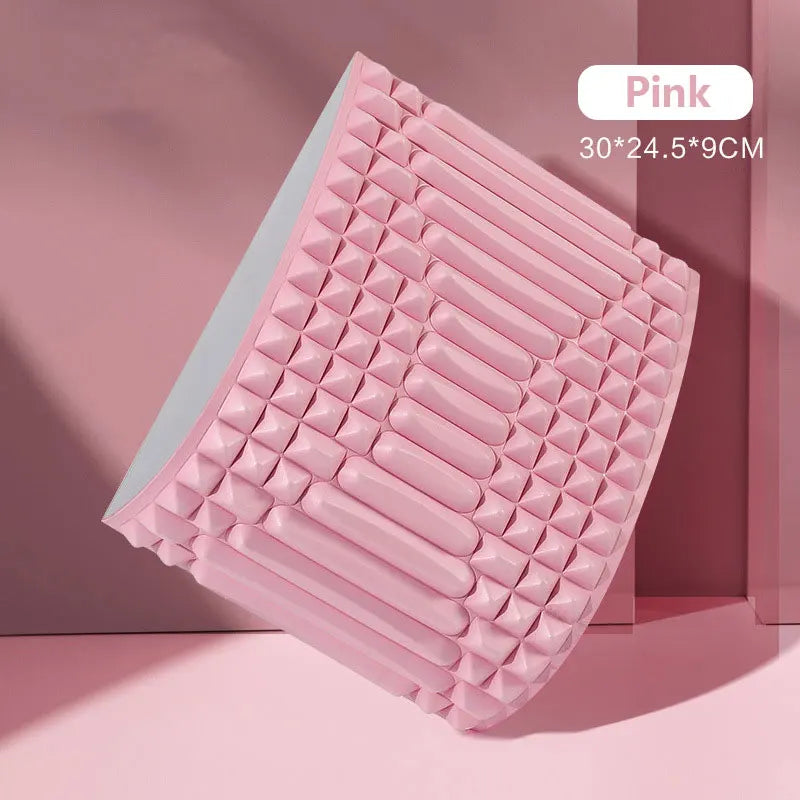
At home remedies for chronic back stiffness made simple See it in action
Frequently Asked Questions
Can foam roller exercises help lower back pain?
They can reduce muscle tension and improve mobility, especially when combined with strengthening exercises.
Should I roll my lower back directly?
No. Focus on surrounding muscles like glutes and upper back.
How long should each exercise last?
30–60 seconds per area is typically effective.
Can foam rolling replace stretching?
No. Both work best when combined.
Which foam roller is best for beginners?
A soft or medium-density smooth roller is ideal.
Pillar Article: How to Decompress Back at Home: Step-by-Step Relief Guide
Other Related Articles:
- Vibrating Back Pillow: How to Use It for Fast Relief
- Foam Roller Exercises Upper Back: Fix Stiffness in Minutes
- How to Stretch Lower Back: Daily Routine for Quick Relief
Explore More:













