

Does foam roller exercises upper back really work?
Foam roller exercises upper back help reduce stiffness, improve posture, and release tight muscles within minutes when done correctly. By combining controlled rolling with a foam back stretcher, you can safely decompress the spine at home and restore mobility without needing complex equipment or long routines.
Best Vibrating Back Pillow: Reviews, Buying Guide & Comparison for Neck and Back Relief
If you're comparing the best vibrating back pillow before buying, this guide reviews top-rated models, explains the differences between massage technologies, compares key features, and helps you choose the right option for home, office, travel, or daily pain relief. You'll also learn which heated massage pillow or neck and back massage pillow best matches your needs and budget.
Quick Comparison Table of the Best Vibrating Back Pillows
| Product Type | Heat | Massage Modes | Power | Best For |
|---|---|---|---|---|
| Premium Vibrating Massage Pillow | Yes | Multiple | AC + Car Adapter | Home Use |
| Compact Heated Massage Pillow | Yes | 3 | USB | Travel |
| Back Massage Pad with Heat | Yes | 5 | AC | Office Chair |
| Neck and Back Massage Pillow | Optional | 4 | Rechargeable | Full Upper Back |
| Budget Vibrating Back Pillow | No | 2 | USB | Occasional Use |
Tight shoulders, a stiff upper back, and that constant “locked” feeling after long hours sitting—sound familiar? Foam roller exercises upper back routines offer a fast, effective way to release tension, improve posture, and feel lighter in minutes. With the right technique and tools, you can finally stop struggling with daily discomfort and start moving freely again.
⏱ 5 min read
Explore the Body Care and Health Devices collection to find smart solutions designed for daily comfort.
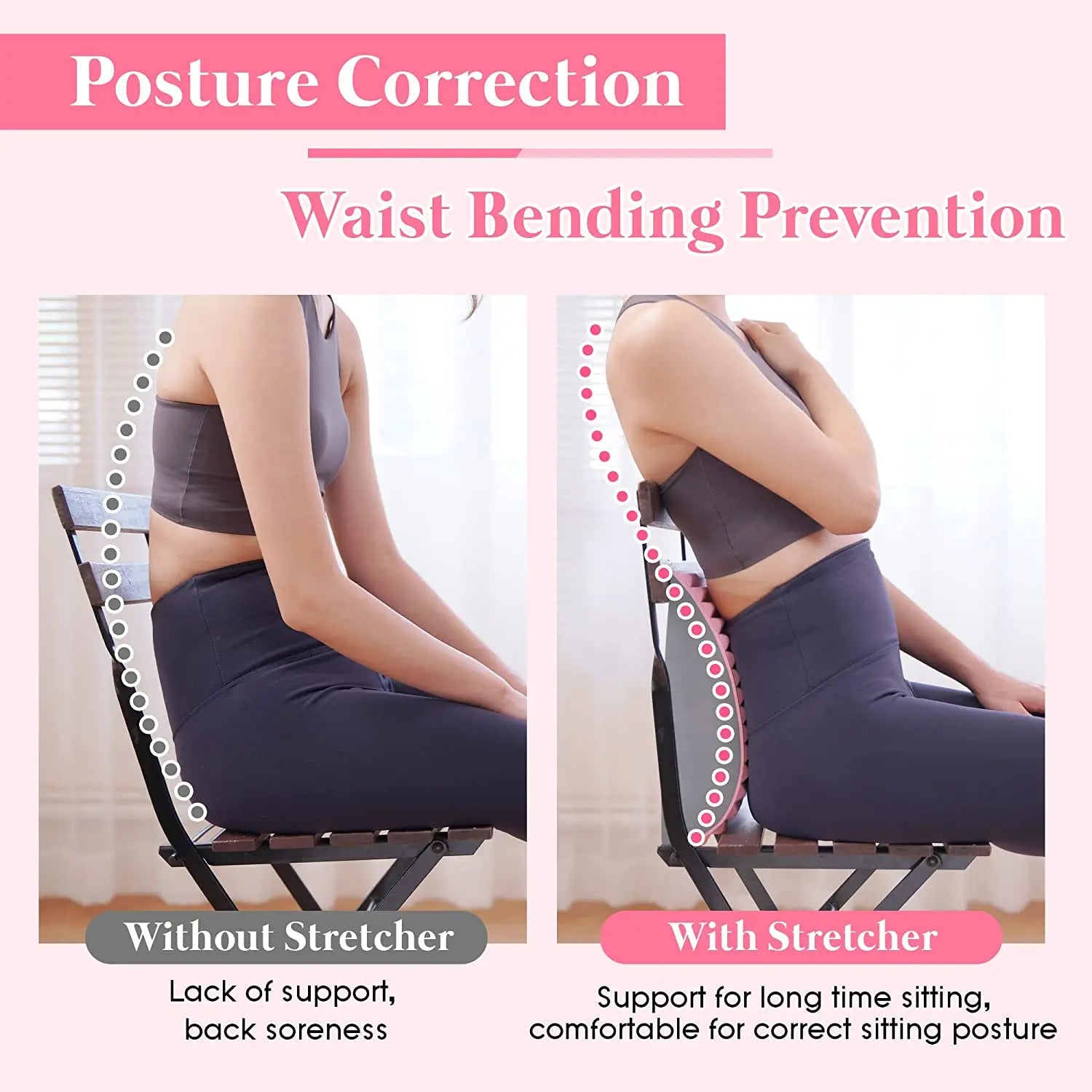
Foam roller exercises upper back + posture improvement tools See it in action
What Is a Vibrating Back Pillow and How Does It Work?
A vibrating back pillow uses built-in vibration motors to stimulate muscles, reduce tension, and promote relaxation. Many models also include heat therapy, creating a soothing combination for mild muscle soreness after work, exercise, or long periods of sitting.
Vibration vs Shiatsu Massage
Unlike rotating shiatsu massage nodes that knead deep tissue, vibration provides gentle stimulation across a wider surface area. Users who prefer lighter pressure often choose a vibrating massage pillow.
How Heat Enhances Muscle Relaxation
A heated massage pillow improves comfort by encouraging blood circulation and helping tight muscles relax before or during vibration therapy.
Who Benefits Most
- Office workers
- Drivers
- Remote workers
- Older adults
- People with occasional back stiffness
Best Vibrating Back Pillows Compared
Best Overall Vibrating Massage Pillow
Models like HoMedics Shiatsu Max 2.0 combine ergonomic support with adjustable vibration and heat, making them suitable for everyday use at home.
Best Heated Massage Pillow
Zyllion Shiatsu Back and Neck Massager stands out for consistent heat output and targeted muscle relaxation after long workdays.
Best Neck and Back Massage Pillow
Snailax Shiatsu Massage Cushion offers full upper-back coverage and customizable intensity levels.
Best Back Massage Pad with Heat
Comfier Massage Seat Cushion is ideal for office chairs, delivering broader coverage for larger muscle groups.
Best Budget Choice
RENPHO Back Massager provides basic vibration features at an affordable price for occasional users.
Pros and Cons of Using a Vibrating Massage Pillow
Key Benefits
- Easy daily relaxation
- Portable design
- Heat improves comfort
- Simple controls
- Suitable for home, office, and travel
Limitations to Know Before Buying
- Does not replace deep tissue massage
- Battery life varies
- Heat output differs between brands
- Not a medical treatment
Why Your Upper Back Feels Stiff Daily
Modern routines are quietly damaging your posture. Sitting, scrolling, and stress all contribute to muscle tightness.
- Forward head posture from screens
- Rounded shoulders from desk work
- Weak upper back muscles
- Compressed spine from prolonged sitting
How Foam Roller Exercises Upper Back Relieve Tension Fast
Foam roller exercises upper back target tight fascia and muscles, improving circulation and mobility. By gently rolling along the thoracic spine, you release knots, reduce stiffness, and restore posture alignment.
- ✔ Breaks up muscle tightness quickly
- ✔ Improves posture naturally
- ✔ Enhances flexibility and movement
- ✔ Supports long-term back health
Combine foam rolling with a back stretching device for posture correction for faster results.
Step-by-Step Foam Roller Routine for Immediate Relief
- Position the roller under your upper back
- Support your neck with hands
- Slowly roll across tight areas
- Pause on tension spots
- Breathe deeply
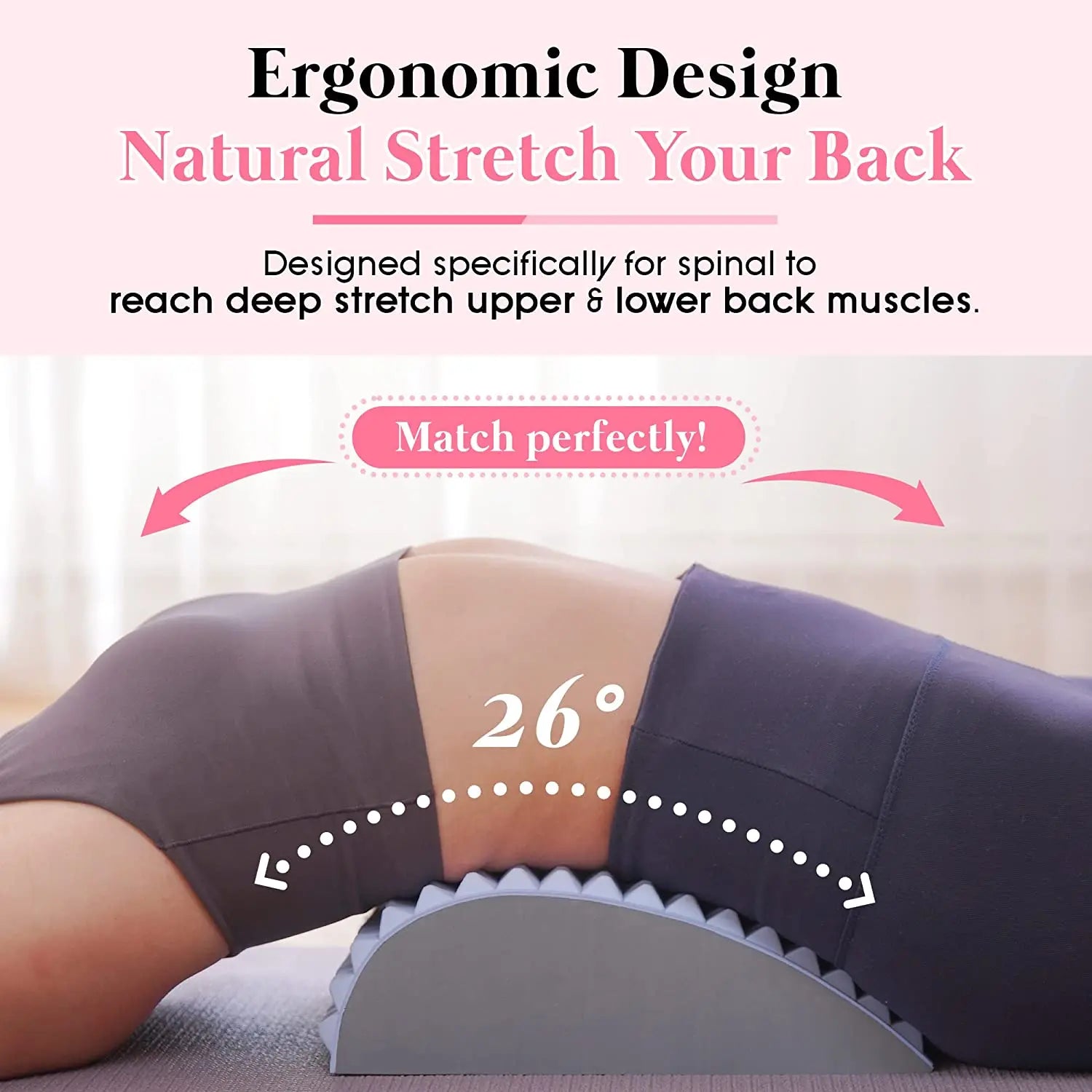
How to decompress spine safely at home using foam techniques
How to Decompress Spine Safely at Home
- Lie back over a curved support device
- Hold stretch for 3–5 minutes
- Breathe slowly
- Repeat daily
Why a Foam Back Stretcher Speeds Up Results
A foam back stretcher for posture improvement works deeper than rolling alone by promoting spinal extension and alignment.
- ✔ Passive stretch
- ✔ Supports spine curvature
- ✔ Reduces stiffness
- ✔ Easy daily use
Vibrating Back Pillow vs Back Massage Pad vs Back Stretcher Pillow
Which Is Better for Daily Pain Relief?
Vibrating pillows provide gentle relaxation, while massage pads cover a larger surface area for full-back relief.
Which Is Better for Posture?
An ergonomic foam back stretcher for posture improvement helps improve spinal alignment but does not provide massage.
Which Is Better for Travel?
Compact vibrating pillows are easier to carry and ideal for travel use.
Foam Roller vs Back Stretcher Comparison
| Feature | Foam Roller | Back Stretcher |
|---|---|---|
| Muscle Release | Active rolling | Passive stretch |
| Posture Correction | Moderate | High |
| Ease of Use | Requires technique | Beginner-friendly |
| Best For | Quick relief | Long-term alignment |
How to Choose the Right Vibrating Back Pillow
- Choose multiple vibration modes
- Select heat for stiffness relief
- Consider portability
- Check ergonomic design
- Review warranty and return policy
Vibrating Back Pillow Benefits for Different Types of Pain
Office Workers
Helps reduce stiffness from prolonged sitting.
Drivers
Improves comfort during long commutes.
New Parents
Supports recovery from repetitive lifting.
Athletes
Useful for post-workout muscle relaxation.
How to Use a Vibrating Back Pillow Safely
How to Use a Vibrating Back Pillow
- Place pillow behind target area
- Select vibration mode
- Enable heat if needed
- Relax without pressure
How Long Should You Use a Vibrating Massage Pillow?
Use for 15–30 minutes per session depending on manufacturer guidelines.
Best Daily Routine
Use after work or exercise for consistent results.
Are Back Stretcher Pillows Safe for Daily Use?
Most are safe when used gradually. People with spinal conditions should consult a professional.
Safety Tips
- Start with short sessions
- Use on firm surface
- Avoid overstretching
- Stop if pain increases
Maintenance, Cleaning, and Expected Lifespan
Cleaning Tips
Remove covers and wipe surfaces with a dry cloth.
Storage
Keep in a cool, dry place.
Durability
Most quality devices last several years with proper care.
Common Mistakes That Delay Results
- ❌ Rolling too fast
- ❌ Ignoring breathing
- ❌ Inconsistent use
- ❌ Poor posture
Real Results: What Users Experience
- ✔ Reduced stiffness within weeks
- ✔ Improved posture
- ✔ Less daily discomfort
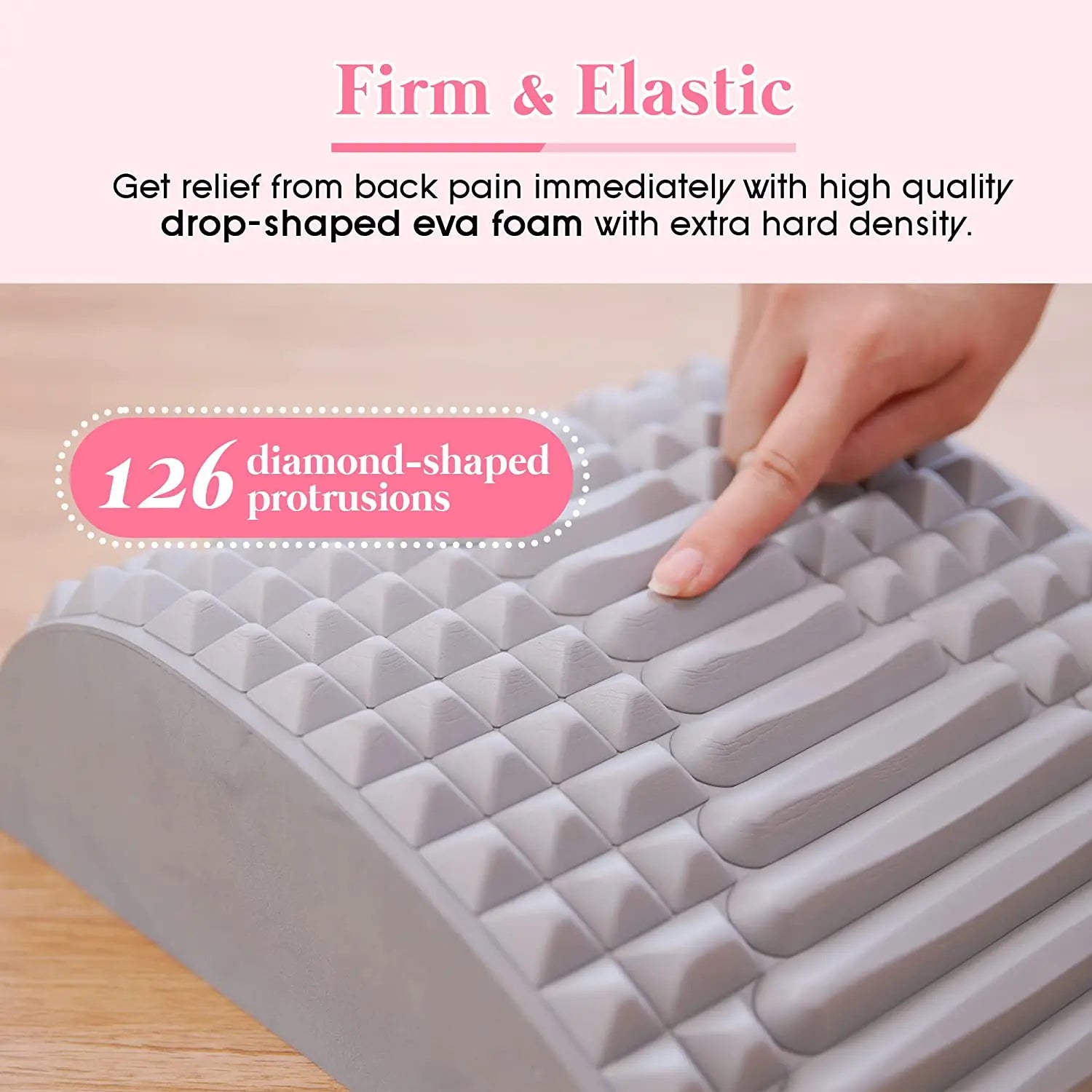
Back stretching device for posture correction
Upgrade your routine with this foam back stretcher for posture improvement .
Frequently Asked Questions
Is a vibrating back pillow good for back pain?
It may help relieve mild muscle tension and temporary stiffness, but it is not a substitute for medical treatment.
Can I use heat every day?
Most users can use heat daily if they follow usage guidelines and avoid prolonged sessions.
Are heated massage pillows worth buying?
Yes, heat enhances comfort and improves muscle relaxation for many users.
Can I use a vibrating back pillow at work?
Many models are designed for office chairs and portable use.
How long does a massage pillow usually last?
Most last several years depending on build quality and usage frequency.
Pillar Article: How to Decompress Back at Home: Step-by-Step Relief Guide
Other Related Articles:
- Foam Roller Exercises Upper Back: Fix Stiffness in Minutes
- How to Stretch Lower Back: Daily Routine for Quick Relief
- Roller Back Exercises: Simple Moves to Ease Back Pain
Explore More:













