

Last updated: 2026
Does a heated vest really keep you warm without bulky layers?
A heated vest review shows that modern heated clothing can provide targeted warmth without the weight and restriction of multiple winter layers. By using built-in heating zones powered by rechargeable batteries, heated vests actively generate heat around the core, helping users stay comfortable during commuting, outdoor activities, and cold-weather work.
Do heated vests work in real winter conditions?
Yes, heated vests work effectively in real winter conditions when paired with appropriate clothing layers. Unlike traditional jackets that only trap existing body heat, heated vests create additional warmth through electrical heating elements placed around areas where heat loss is common, such as the chest and back.
However, a heated vest is not designed to replace every piece of winter clothing. The best results come from combining active heating with a moisture-wicking base layer and a protective outer layer in windy, wet, or extremely cold environments.
Who benefits most from a heated vest?
Heated vests are especially useful for people who spend long periods outdoors or frequently experience cold discomfort. They are popular among commuters, hikers, campers, cyclists, outdoor workers, hunters, and anyone who wants extra warmth without wearing a thick winter coat.
What to expect compared with insulated jackets
Insulated jackets rely on materials such as down or synthetic fibers to slow heat loss, while heated vests actively add warmth. This makes them useful for situations where passive insulation alone is not enough.
The biggest advantage of a heated vest is flexibility. A lightweight design can be worn under a winter jacket, over a base layer, or indoors on lower heat settings while maintaining better mobility than bulky outerwear.
Heated Vest Review 2026: Which Models Are Actually Worth It?
⏱ 8 min read
Cold mornings, uncomfortable commutes, and bulky winter layers can make everyday activities harder. A smart heated vest promises lightweight warmth, adjustable temperature control, and comfort that lasts throughout the day. But which options actually deliver reliable performance in 2026?
Wearable winter heating apparel has advanced quickly, with options ranging from simple everyday vests to powerful outdoor models designed for harsh conditions. This heated vest review examines the features that matter most, including heating coverage, battery life, comfort, durability, and real-world performance.
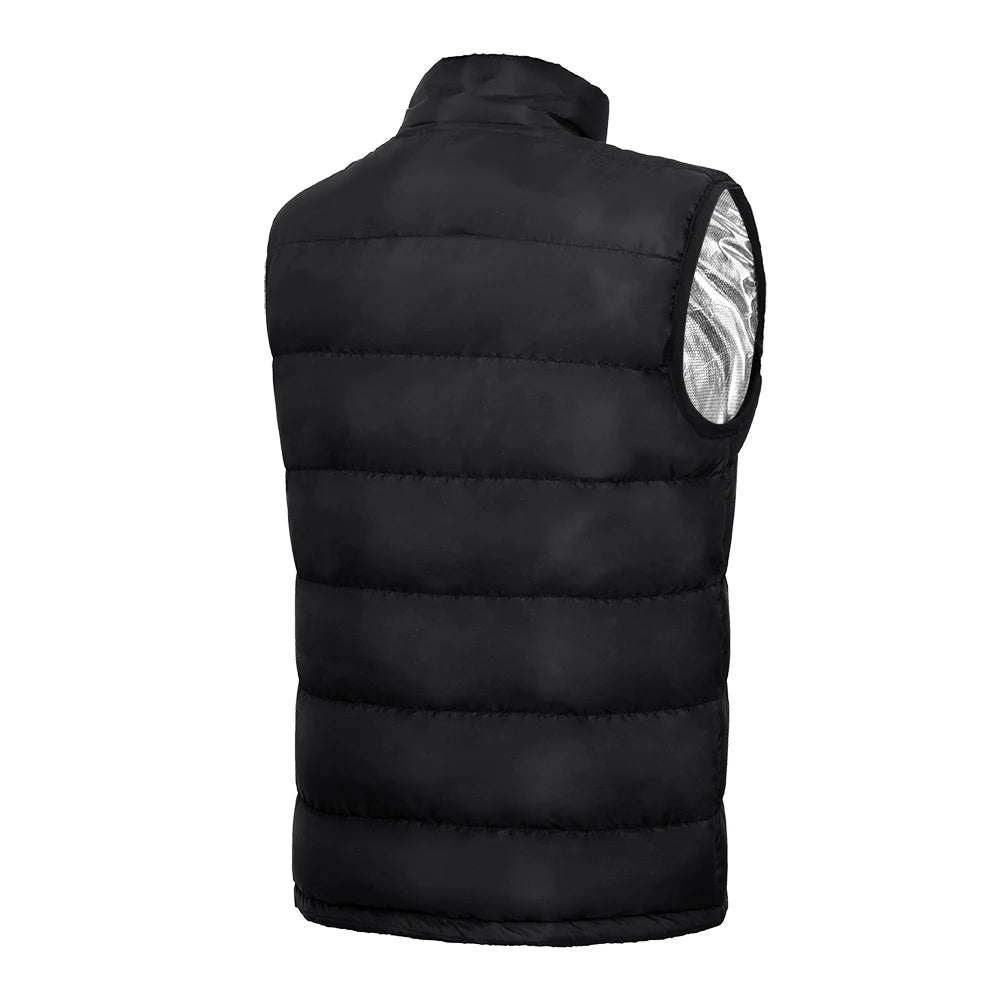
A closer look at wearable winter heating apparel in action See it in action
What Is a Heated Vest and How Does It Work?
A heated vest is a battery-powered garment designed to deliver active warmth through integrated heating elements. Unlike standard insulated clothing, which only slows heat loss, heated vests generate warmth using electrical-powered panels positioned throughout the garment.
Carbon Fiber vs Graphene Heating Elements
Most heated vests use carbon fiber heating panels because they are thin, flexible, lightweight, and capable of spreading heat evenly. These panels are commonly positioned across the chest and back to warm the body’s core.
Some smart vest reviews highlight graphene heating technology because of its fast heat transfer, durability, and slim construction. However, overall performance depends on heating placement, battery efficiency, insulation quality, and temperature management.
Battery Systems and Compatibility
Heated vests typically use rechargeable lithium-ion batteries. Common systems include 5V USB-powered designs and higher-powered 7.4V battery systems.
- 5V USB systems: Convenient, portable, and compatible with many power banks.
- 7.4V systems: Usually provide stronger heating performance for colder environments.
Battery capacity affects runtime, while voltage affects heat output. The ideal choice depends on whether you prioritize portability, stronger warmth, or longer operating time.
Heating Zones and Temperature Control
The number and location of heating zones strongly influence comfort. Basic models usually heat the back and chest, while advanced designs may include additional shoulder or collar heating areas.
Most heated vests offer multiple heat settings:
- Low: Longer runtime for mild cold.
- Medium: Balanced warmth for daily outdoor use.
- High: Maximum heat output for colder environments.
Built-In Safety Features
Reliable heated vests include safety systems such as temperature regulation, short-circuit protection, and controlled power management. Always use compatible batteries and follow manufacturer instructions for safe operation.
How We Tested These Heated Vests
This heated vest review evaluates performance using real-world factors instead of relying only on advertised specifications.
Testing Conditions
Testing focused on cold-weather situations such as outdoor walking, commuting, and extended wear. Each model was evaluated for warmth consistency, battery performance, comfort, and practical daily use.
Evaluation Criteria
- Heat performance: Warm-up speed, heating coverage, and temperature consistency.
- Battery efficiency: Runtime across different heat settings.
- Comfort: Weight, fit, flexibility, and layering compatibility.
- Durability: Fabric quality, construction, and maintenance requirements.
- Usability: Controls, charging convenience, and everyday practicality.
Scoring System
Each heated vest was assessed based on warmth, comfort, battery performance, durability, and overall value. The best heated vest options are not necessarily the hottest models, but those that provide dependable performance for their intended users.
Best Heated Vest Reviews (Tested Models for 2026)
Best Overall Heated Vest
The best overall heated vest delivers the strongest combination of heating coverage, battery efficiency, comfort, and everyday usability. It should provide reliable warmth without adding unnecessary bulk.
Best for: Daily commuting, travel, and general winter use.
Best for Extreme Cold
The warmest heated vest options are built for demanding environments with higher-powered batteries, expanded heating zones, and improved insulation. These models are better suited for freezing temperatures and long outdoor exposure.
Best for: Outdoor workers, winter sports, and sub-zero conditions.
Best Heated Vest for Women
Women's heated vest reviews often focus on better shaping, comfortable sizing, and efficient heat placement. A well-designed women's model should provide warmth while maintaining a lightweight feel.
Best for: Everyday wear, travel, and outdoor activities.
Best Heated Vest for Men
Men's heated vest reviews typically prioritize durability, extended sizing, stronger batteries, and higher heat output. These models are often preferred by users who spend more time outdoors.
Best for: Work, hiking, and outdoor recreation.
Best Budget Heated Vest
A budget heated vest can still provide dependable warmth when it includes quality heating zones and efficient battery usage. Lower-priced models may have fewer features but can work well for occasional winter use.
Best for: First-time buyers and casual users.
Best Lightweight Vest
Lightweight heated vests focus on mobility and comfort. They are ideal for users who need warmth while walking, cycling, commuting, or staying active.
Best for: Active lifestyles.
Best for Hunting and Outdoor Work
Outdoor-focused heated vests require durable construction, longer battery life, and consistent heating during periods of limited movement.
Best for: Hunting, camping, and outdoor jobs.
Best Smart Heated Vest
Smart heated vests provide advanced temperature control and improved power management for users who want precise comfort adjustments throughout changing weather conditions.
Best for: Technology-focused users.
Side-by-Side Heated Vest Comparison
- Heating Zones: Chest, back, collar, and shoulder coverage.
- Battery Life: Low settings generally provide 8–10 hours, medium settings 5–7 hours, and high settings 2–4 hours.
- Charging Time: Usually 3–6 hours.
- Weight: Approximately 400g–900g depending on battery and insulation.
- Best Use Case: Commuting, hiking, work, hunting, or extreme cold.
Runtime Comparison
Battery runtime varies based on temperature, battery capacity, and selected heat level. Lower settings usually provide the longest operating time.
Heating Zones Comparison
More heating zones can improve comfort, but placement is more important than quantity. Chest and back coverage usually provides the greatest impact.
Weight and Fit Comparison
Lightweight designs improve everyday comfort, while heavier models may offer better insulation for severe weather.
Price and Value Comparison
The best value depends on how often you use a heated vest. Frequent outdoor users may benefit from premium features, while occasional users may prefer simpler models.
Real-World Performance and Comfort
Warmth at Different Outdoor Temperatures
Heated vests perform best when protecting the body’s core during cold conditions. Mild weather may only require low heat settings, while colder environments require stronger output combined with proper layering.
Battery Runtime by Heat Setting
Cold temperatures can reduce lithium-ion battery efficiency. Below 5°C (41°F), runtime may decrease by approximately 15–25% depending on battery quality and usage conditions.
Weather Resistance
Many heated vests resist light wind and moisture, but most are not designed as waterproof outerwear. Additional rain or snow protection may be necessary in harsh weather.
Comfort, Fit and Layering
A proper fit allows heating elements to stay close to the body while maintaining mobility. Adjustable sizing and flexible materials improve comfort during extended wear.
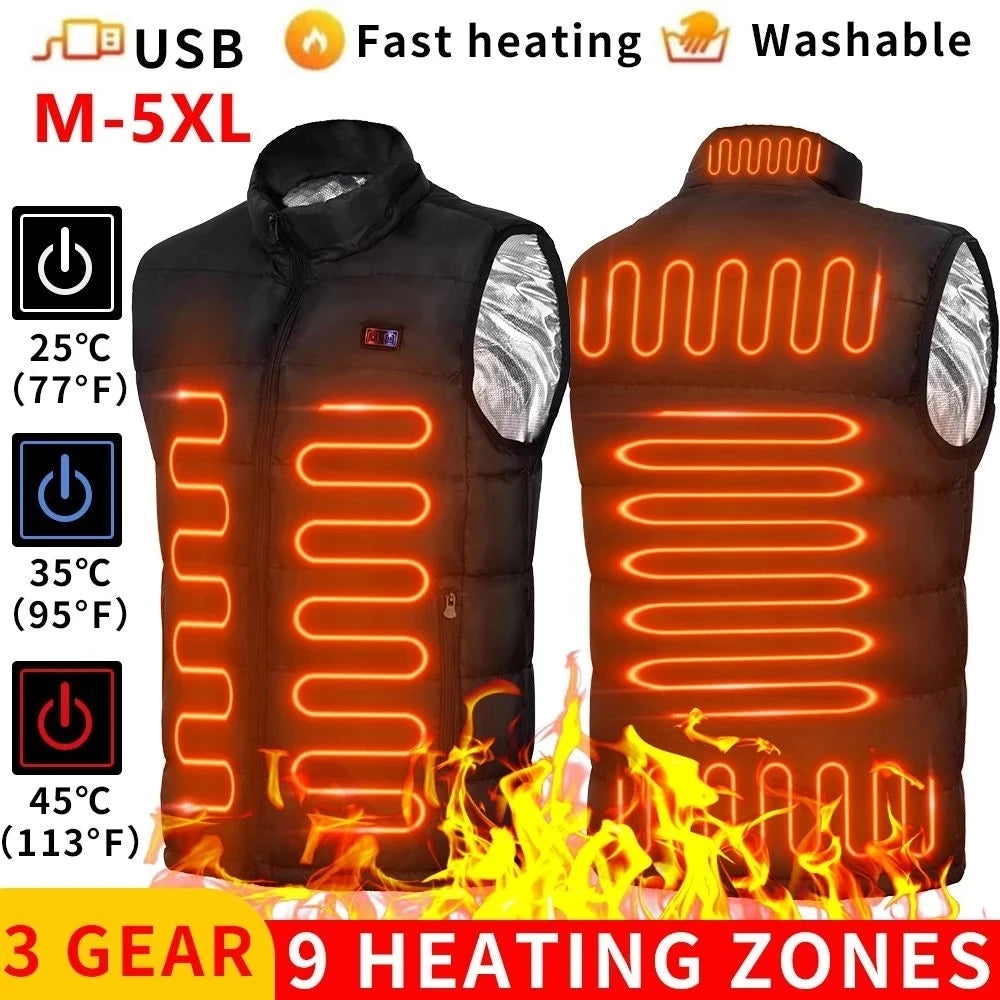
Designed for comfort without bulk — best heated vest for winter See it in action
How to Choose the Best Heated Vest for Winter
By Activity
Select lightweight models for commuting and travel. Choose stronger heating systems with durable materials for hiking, hunting, and outdoor work.
Sizing and Layering Guide
A heated vest should fit close enough for efficient heat transfer while leaving room for comfortable movement. Layering it beneath a weather-resistant jacket often provides the best winter protection.
Battery Selection
Choose larger battery capacities for longer outdoor sessions. USB-compatible models may be more convenient for travel and daily charging.
Durability and Washability
Consider removable batteries, quality stitching, durable fabrics, and clear cleaning instructions before purchasing.
Battery Care, Charging and Long-Term Maintenance
Charging Best Practices
Use the recommended charger and avoid exposing batteries to extreme heat or cold during storage. Proper charging habits can extend battery lifespan.
Washing Instructions
Remove the battery before washing and follow manufacturer instructions to protect heating components.
Battery Replacement
Most heated vest batteries maintain good performance for approximately 300–500 charge cycles before capacity begins to decline.
Storage Tips
Store the vest clean, dry, and loosely folded. Avoid damaging heating panels by placing heavy objects on top during storage.
Are Heated Vests Worth It? (Honest Verdict)
Best Buyers
Heated vests are worth considering for commuters, outdoor workers, hikers, travelers, and anyone who regularly experiences cold temperatures.
Who Should Skip
People who rarely encounter cold weather or already feel comfortable with traditional insulated jackets may not need a heated vest.
Cost vs Performance
A heated vest can provide strong value when used frequently because it improves comfort without requiring multiple bulky winter layers.
Final Recommendations by User Type
- Commuters: Lightweight models with convenient charging.
- Outdoor workers: Durable designs with longer battery runtime.
- Extreme cold users: High-output models with multiple heating zones.
- First-time buyers: Balanced models offering comfort and reliability.
Heated Vest FAQ
Is a heated vest safe for daily use?
Yes. Modern heated vests include temperature controls and safety features when used correctly.
Can heated vests be washed?
Most heated vests can be washed after removing the battery pack, but manufacturer care instructions should always be followed.
How long does a heated vest battery last?
Most batteries provide approximately 4–10 hours of runtime depending on heat level and capacity.
Can I bring a heated vest on a plane?
Many airlines allow heated clothing, but lithium battery rules vary. Check airline requirements before traveling.
Can I use another battery pack?
Only use compatible batteries designed for your heated vest. Incorrect power sources may affect safety and performance.
Do heated vests work in sub-freezing temperatures?
Yes. High-powered heated vests can work in freezing conditions, although battery runtime may decrease.
How long should a heated vest last?
A quality heated vest can last several years with proper cleaning, storage, and battery maintenance.
Pillar Article: Best Heated Vest for Winter Compared Side by Side
Other Related Articles:
- Heated Vest Without Bulky Layers Is It Worth It
- Lightweight Heated Vest Daily Wear Compared
- Graphene Heated Vest Unisex Options Compared
- USB Powered Heated Vest Pros Cons and Top Picks
Explore More:













