

Does a lightweight heated vest really work for daily wear?
A lightweight heated vest can work effectively for daily wear by adding targeted warmth around the body’s core without the thickness of traditional winter layers. Unlike bulky coats that rely mainly on insulation, heated vests use battery-powered heating elements to provide adjustable warmth while maintaining mobility, comfort, and easier layering for commuting, travel, and everyday cold-weather activities.
Best Lightweight Heated Vest for Daily Wear Compared
The best lightweight heated vests are designed for people who want reliable winter warmth without the weight and restriction of bulky outerwear. By combining low-profile materials, built-in heating zones, and adjustable temperature control, these vests offer a practical balance between comfort, mobility, and cold-weather protection.
Unlike traditional insulated clothing that only traps existing body heat, a lightweight electric warming vest actively generates warmth around key areas such as the chest and upper back. This allows a thinner design that works well under jackets, during daily commuting, outdoor activities, and indoor environments where temperatures fluctuate.
⏱ 7 min read
Lightweight heated vest daily wear meets winter layering without bulk
What Makes a Lightweight Heated Vest Different?
A lightweight heated vest is designed around efficiency: less bulk, targeted warmth, and improved freedom of movement. Instead of adding multiple thick layers, these vests use integrated heating elements to warm areas where the body naturally loses heat while keeping the overall garment easier to wear.
Heat Without Excess Weight
Traditional winter clothing often depends on thicker insulation, which can increase weight and limit flexibility. A thin heated vest takes a different approach by combining lightweight fabrics with active heating technology. This creates warmth without requiring the same amount of material found in heavy winter jackets.
For daily wear, weight and thickness matter because a vest that feels comfortable for a few minutes may become noticeable after several hours. The best lightweight heated vest should maintain a slim profile, distribute weight evenly, and avoid creating unnecessary pressure around the shoulders or torso.
Low-Profile Design for Easier Layering
One of the biggest advantages of a lightweight heated vest is its ability to work as a middle layer. A slim heated vest winter layering setup allows users to wear an outer jacket when needed while keeping the arms unrestricted and reducing overall bulk.
- Fits more easily under coats and jackets
- Allows natural shoulder and arm movement
- Reduces the need for multiple thick layers
- Works for both indoor and outdoor temperature changes
Targeted Core Heating Technology
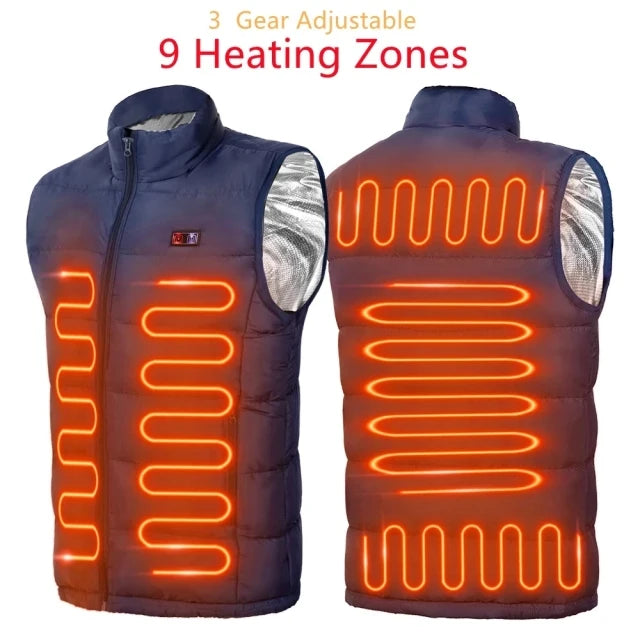
Most modern lightweight electric warming vests place heating areas near the chest and upper back. These zones help provide concentrated warmth where cold exposure is often felt most, while adjustable heat settings allow users to adapt comfort levels based on activity and weather conditions.
Many shoppers exploring wearable winter comfort solutions also browse wellness-focused collections like Body Care and Health Devices to complement their seasonal comfort routines.
Best Lightweight Heated Vests: Quick Comparison Table
The best lightweight heated vest depends on how you plan to use it. This comparison focuses on practical factors that affect everyday performance, including weight, heating coverage, battery design, fit, and layering comfort.
- Weight and profile – determines whether the vest remains comfortable during extended wear
- Heating zones – affects how evenly warmth is distributed across the torso
- Battery runtime – impacts how long the vest can provide heat before recharging
- Layering ability – shows how easily the vest fits under jackets or coats
- Best use case – helps match the design to commuting, outdoor work, hiking, or casual wear
| Category | Lightweight Heated Vest | Traditional Insulated Vest |
|---|---|---|
| Warmth Control | Adjustable heating levels for changing conditions | Fixed insulation with no active temperature adjustment |
| Weight and Thickness | Thin, low-profile construction designed for layering | Usually thicker with more insulation material |
| Heat Distribution | Targeted warmth through built-in heating zones | Relies on trapped body heat |
| Mobility | Allows freer arm and shoulder movement | May feel bulkier during active movement |
| Indoor Comfort | Easier to adjust when moving between temperatures | Can feel too warm indoors |
| Daily Wear Versatility | High for commuting, travel, and layering | Better suited for colder outdoor conditions |
Best Lightweight Heated Vests for Daily Wear
Best Overall Lightweight Heated Vest
The best overall lightweight heated vest should provide a strong balance of heat performance, low weight, comfortable materials, and reliable everyday usability. The ideal option combines evenly distributed heating zones with a slim design that works for both indoor and outdoor use.
This type of vest is best suited for users who need consistent warmth throughout the day without carrying the extra bulk of heavier winter clothing.
- Best for: Daily commuting, travel, walking, and general winter use
- Key advantages: Balanced warmth, comfortable fit, versatile layering
- Consider avoiding if: You need maximum insulation for extreme outdoor conditions
Best Slim Heated Vest for Layering
A slim heated vest focuses on reducing thickness while maintaining core warmth. These designs are easier to wear beneath coats and jackets because they minimize added volume around the torso.
The best thin heated vest options prioritize lightweight fabrics, compact heating components, and flexible construction so users can move naturally while staying warm.
- Best for: Office workers, commuters, travelers, and urban winter wear
- Key advantages: Low-profile fit, easy layering, improved mobility
- Consider avoiding if: You need a standalone outer layer for harsh weather
Best Lightweight Heated Vest for Women
A lightweight heated vest for women should combine warmth with a comfortable fit that follows the body without restricting movement. Many women prefer designs with flexible materials, a closer silhouette, and reduced bulk around the shoulders and waist.
- Best for: Everyday wear, commuting, and casual outdoor activities
- Key advantages: Comfortable fit, lightweight feel, easier layering
- Consider avoiding if: The sizing does not allow enough room for base layers underneath
Best Lightweight Heated Vest for Men
A lightweight heated vest for men often emphasizes durability, practical storage, and longer-lasting performance. These designs work well for users who need dependable warmth during commuting, outdoor tasks, and cold-weather activities.
- Best for: Outdoor work, travel, walking, and daily winter use
- Key advantages: Durable construction, comfortable movement, reliable heating
- Consider avoiding if: You prefer an ultra-thin vest designed mainly for indoor layering
Best Budget Lightweight Electric Warming Vest
A budget lightweight electric warming vest can be a practical choice for occasional winter use. While lower-cost models may offer fewer heating zones or shorter runtime, they can still provide useful core warmth for everyday activities.
- Best for: Casual users who need affordable extra warmth
- Key advantages: Lower cost, simple operation, lightweight design
- Consider avoiding if: You require maximum battery performance for long outdoor sessions
Comfort, Fit, Breathability, and Mobility
Slim Fit vs Regular Fit
Fit plays an important role in how effectively a lightweight heated vest performs during everyday use. A slim-fit design sits closer to the body, helping heating elements transfer warmth more efficiently while making the vest easier to wear beneath jackets or coats.
Regular-fit heated vests provide more space for additional layers and may feel more comfortable during outdoor activities where freedom of movement and thicker clothing are priorities. The right choice depends on whether you need a low-profile layer or a more relaxed fit for extended outdoor use.
Breathable Materials and Moisture Management
A breathable heated vest should balance insulation, airflow, and comfort. Materials such as polyester blends and soft-shell fabrics help maintain warmth while allowing moisture and excess heat to escape during movement.
For daily wear, fabric performance matters because overheating can reduce comfort when moving between cold outdoor environments and heated indoor spaces. Lightweight materials with flexible construction help maintain a comfortable temperature throughout the day.
Mobility for Daily Activities
The main advantage of a lightweight heated vest is maintaining warmth without limiting movement. Compared with bulkier winter layers, a low-profile design allows easier arm movement for commuting, driving, working, traveling, and outdoor activities.
- Reduced shoulder strain during extended wear
- Flexible construction for natural movement
- Less bulk when worn under outer jackets
- Comfortable for active and stationary use
Women's vs Men's Fit Considerations
A lightweight heated vest for women often prioritizes a closer silhouette and flexible sizing, while a lightweight heated vest for men may focus more on broader fit options, durability, and practical outdoor use. Regardless of design, the vest should provide enough room for comfortable layering without creating gaps that reduce heat transfer.
If your winter routine includes relaxation and personal comfort, pairing cold-weather gear with collections like Lifestyle products can support a more comfortable seasonal routine.
Heated vest without bulky layers supports comfortable winter layering
Battery Life and Heating Performance in Real-World Use
Heating Zones and Heat Distribution
Heating performance depends heavily on the placement and coverage of heating zones. Most lightweight heated vests focus warmth around the chest and upper back, helping deliver core heating while keeping the garment thin and flexible.
A well-designed heating system should provide consistent warmth without creating noticeable hot spots. Multiple heat settings allow users to adjust performance based on activity level, indoor temperature, and outdoor conditions.
Battery Capacity and Runtime
Battery capacity affects both operating time and overall vest weight. Larger rechargeable batteries can provide longer heating sessions but may add extra bulk, making battery placement an important factor for comfort.
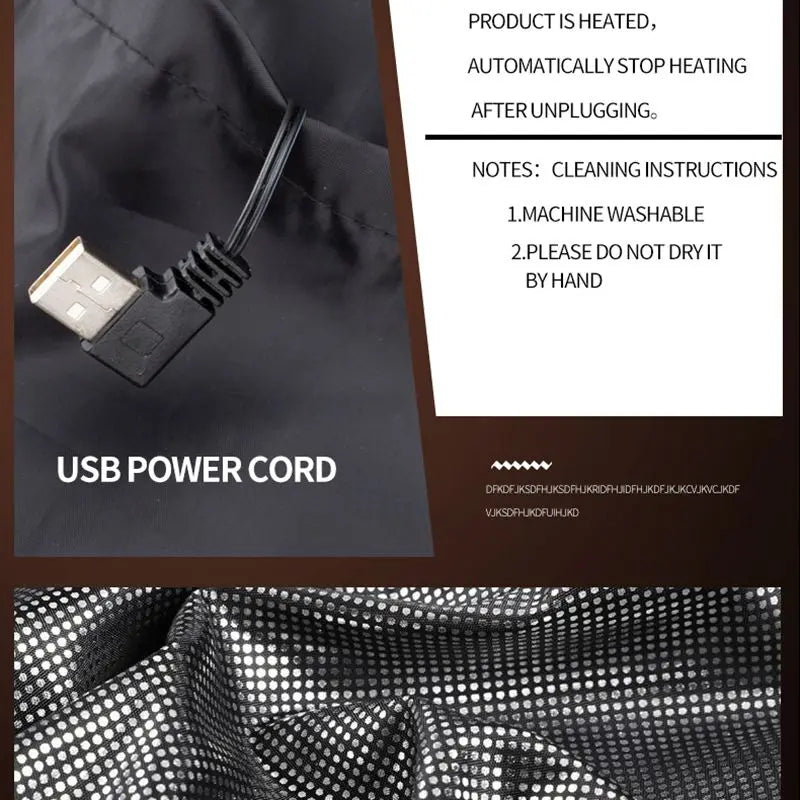
USB rechargeable lithium batteries are commonly used because they are convenient for daily charging at home, work, or while traveling. The best lightweight electric warming vest balances sufficient runtime with a battery size that does not compromise mobility.
Low, Medium, and High Heat Performance
Heat settings provide flexibility for different environments. High heat is useful during colder outdoor exposure, while medium settings often provide the best balance between warmth and battery efficiency for daily activities.
- High setting: Stronger warmth for colder conditions but shorter runtime
- Medium setting: Balanced comfort and battery performance for regular use
- Low setting: Extended warmth for commuting and longer wear periods
Realistic Cold-Weather Runtime
Actual battery runtime depends on heat level, outside temperature, activity, and clothing layers. In general, higher temperatures require more power, while lower settings can extend usage throughout much of the day.
A lightweight heated vest should be evaluated not only by maximum runtime claims but also by whether the battery provides practical warmth without adding excessive weight or reducing everyday comfort.
How to Choose the Best Lightweight Heated Vest
Prioritize Weight and Profile
A lightweight heated vest should provide reliable core warmth without creating the bulk of a traditional winter jacket. When comparing options, consider the vest’s overall thickness, material flexibility, and how easily it fits under an outer layer. A thin heated vest with a low-profile design is usually better suited for commuting, travel, and everyday wear because it allows natural movement while adding targeted warmth.
The best lightweight heated vest balances weight and insulation rather than simply using the smallest construction possible. A vest that is too thin may struggle to retain warmth when the heating system is turned off, while an overly insulated design can reduce breathability and layering flexibility.
Choose the Right Heating Zones
Heating zone placement has a major impact on comfort and warmth distribution. Most lightweight electric warming vests focus heat around the chest, upper back, and sometimes the lower back because these areas help maintain overall body comfort in cold conditions.
For daily wear, look for heating coverage that matches your activity level. A commuter may prefer balanced front and back heating for consistent comfort, while someone spending more time outdoors may benefit from broader heat coverage and multiple temperature settings.
Check Battery Size, Charging, and Runtime
Battery performance is one of the most important trade-offs in a lightweight heated vest. Larger batteries generally provide longer heating time but can increase weight and affect the slim profile that makes these vests comfortable for layering.
A practical design should include a rechargeable battery system that is easy to remove, charge, and store. USB charging compatibility can also improve convenience for users who need to recharge during travel, work, or outdoor activities.
Evaluate Materials, Insulation, and Breathability
A breathable heated vest should combine lightweight insulation with fabrics that allow moisture and excess heat to escape. Polyester blends, soft-shell materials, and flexible outer fabrics are commonly used because they provide durability while maintaining comfort.
For a heated vest without bulk, prioritize materials that support movement and resist everyday wear. Features such as water-resistant outer layers, flexible panels, and easy-care fabrics can improve performance during changing winter conditions.
Look for Safety and Care Features
Safety features are essential for regular heated vest use. Look for temperature controls, overheating protection, and reliable battery connections that help maintain consistent performance during extended wear.
Care requirements also affect long-term value. Check whether the battery is removable before washing, follow the manufacturer’s cleaning instructions, and avoid storing the vest with a depleted battery for long periods. Proper maintenance helps protect heating elements, fabric quality, and battery lifespan.
Which Lightweight Heated Vest Fits Your Lifestyle Best?
Commuting
For commuting, the ideal lightweight heated vest should have a slim profile, comfortable fit, and enough battery life for daily travel. A thin heated vest that fits under a coat provides warmth during outdoor transitions while remaining comfortable once indoors.
Outdoor Activities
Hiking, walking, and outdoor recreation require a balance of warmth, mobility, and runtime. Lightweight designs with durable fabrics, multiple heating zones, and longer battery performance are better suited for extended exposure to colder weather.
Office and Indoor Wear
For office environments or indoor use, a breathable heated vest with adjustable temperature settings offers better comfort than heavy winter layers. Lower heat settings and lightweight construction help prevent overheating while providing extra warmth in colder rooms.
Many shoppers exploring heated outerwear also discover complementary wellness tools in collections like Body & Face Blog to support comfort from head to toe.
Winter layering without bulk for daily confidence See it in action
Frequently Asked Questions About Lightweight Heated Vests
What Is the Best Lightweight Heated Vest?
The best lightweight heated vest depends on how you plan to use it. For everyday wear, the ideal option combines a slim profile, comfortable fit, reliable heating zones, and enough battery life without adding unnecessary weight. A high-quality lightweight heated vest should provide targeted core warmth while remaining easy to layer under jackets or coats.
Are Lightweight Heated Vests Warm Enough for Winter?
Yes. A lightweight heated vest can provide effective warmth in cold conditions by adding active heat to key body areas such as the chest and upper back. While it may not replace a heavy insulated jacket in extreme weather, it offers a strong balance of warmth, mobility, and comfort for commuting, outdoor activities, and everyday winter use.
What Makes a Heated Vest Lightweight and Low Profile?
A heated vest is considered lightweight when it combines thinner materials, flexible heating elements, and a compact battery design without sacrificing core warmth. Features such as slim construction, breathable fabrics, and minimal bulk help create a heated vest without bulk that works well for layering.
Can I Wear a Lightweight Heated Vest Under a Winter Jacket?
Yes. One of the main advantages of a slim heated vest winter layering system is that it can fit beneath many coats and jackets. A low-profile design improves freedom of movement while allowing users to combine active heating with additional outer protection when temperatures drop.
How Long Does a Lightweight Heated Vest Battery Last?
Battery life depends on the battery capacity, selected heat level, outdoor temperature, and activity level. Most lightweight heated vests provide several hours of warmth, with lower heat settings generally lasting longer than high heat settings. Choosing the right balance between battery size and vest weight helps maintain comfort during extended use.
Are Heated Vests Safe for Everyday Use?
Modern heated vests are designed with safety features such as temperature controls, overheating protection, and regulated heating systems. For safe daily use, follow the manufacturer’s charging, cleaning, and storage instructions, inspect the battery and wiring regularly, and avoid using damaged components.
Is a Heated Vest Better Than a Heated Jacket for Layering?
For many daily users, a heated vest offers greater layering flexibility because it provides core warmth while keeping the arms unrestricted and the overall weight lower. Heated jackets may offer more full-body coverage for prolonged outdoor exposure, while lightweight heated vests are often more practical for commuting, indoor transitions, and changing temperatures.
For those seeking a balance of warmth, style, and mobility, a lightweight heated vest daily wear option offers a practical, modern alternative to heavy winter coats.
Pillar Article: Best Heated Vest for Winter Compared Side by Side
Other Related Articles:
- Heated Vest Without Bulky Layers Is It Worth It
- Graphene Heated Vest Unisex Options Compared
- USB Powered Heated Vest Pros Cons and Top Picks
- Heated Vest Review Which Models Are Worth It
Explore More:













