

Does cold-weather cycling gear really improve circulation?
Cold-weather cycling gear does not directly increase circulation, but it helps maintain healthy blood flow by preserving body heat and reducing excessive vasoconstriction. Proper layers, wind protection, and compression leg warmers help keep muscles warmer, support venous return, and reduce discomfort caused by cycling poor circulation in cold weather.
⏱ 7 min read
How to Improve Circulation While Cycling in Cold Weather
Cold rides can quickly become uncomfortable when your legs feel heavy, your feet go numb, and your performance drops. Learning how to improve circulation while cycling in cold weather helps you maintain warmth, muscle responsiveness, endurance, and riding comfort. The best approach combines proper preparation, active movement, smart pacing, and winter cycling gear that protects your body from heat loss.
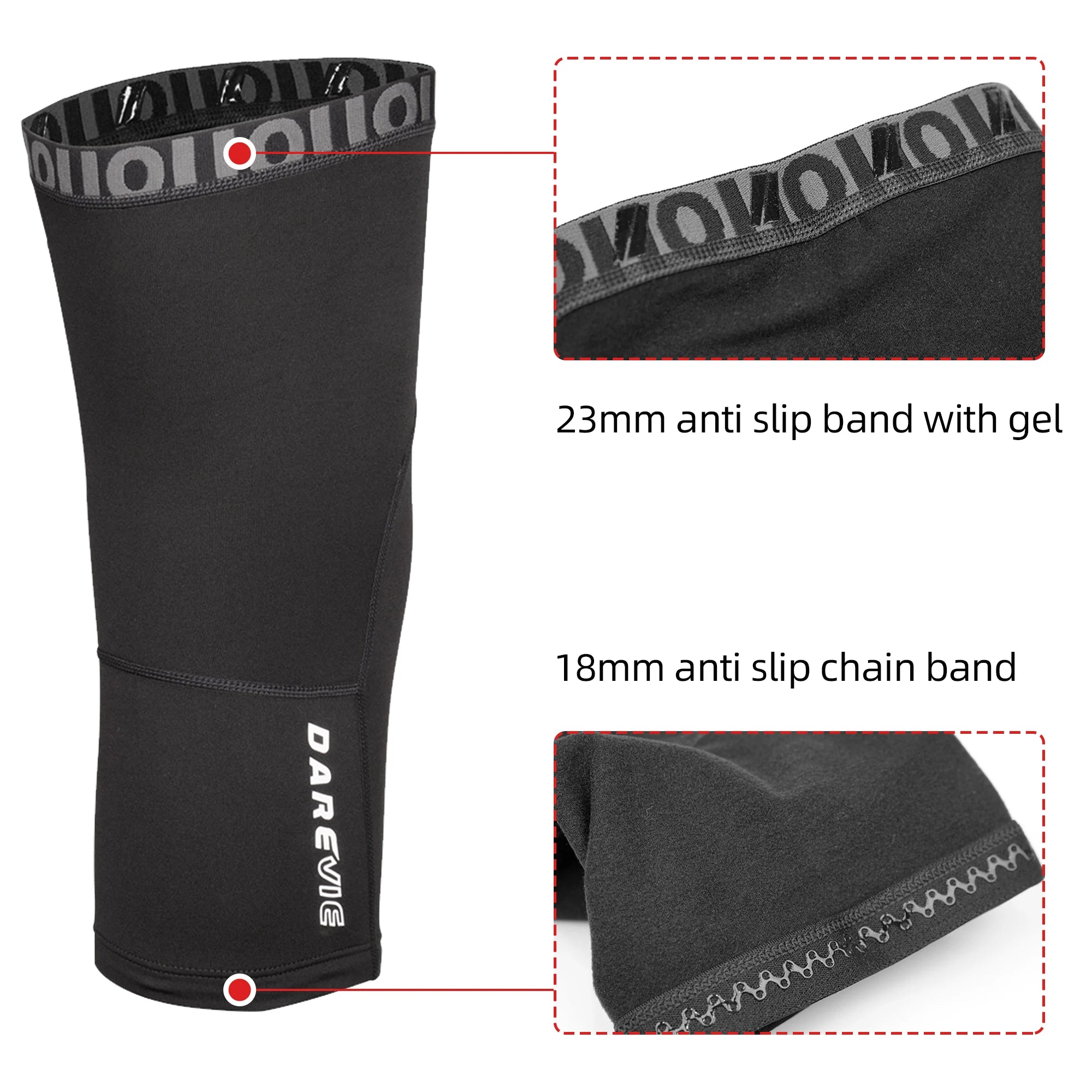
Cold-weather rides demand smarter gear and habits for improving circulation while cycling. See it in action
Why Circulation Decreases While Cycling in Cold Weather
Improving circulation cycling cold weather becomes more challenging because your body naturally tries to protect its core temperature. When temperatures drop, blood vessels narrow through a process called vasoconstriction . This reduces blood flow to the skin and extremities, helping conserve heat but making hands, feet, and legs feel colder.
How Cold-Induced Vasoconstriction Works
Vasoconstriction is the body's normal response to cold exposure. Blood vessels become narrower, which reduces heat loss from the surface of the body. For cyclists, this can affect comfort and performance because working muscles may receive less warm, oxygen-rich blood.
- Muscles can become stiffer and less flexible
- Cold muscles may require more effort to produce power
- Reduced circulation can increase feelings of fatigue and discomfort
- Recovery may feel slower after long winter rides
Why Extremities Cool First
Many cyclists wonder, “why do legs get cold cycling?” The answer involves both body temperature regulation and riding conditions. Legs, hands, and feet are exposed to continuous airflow and are located farther from the body's core.
- Cold exposure: Causes blood vessels to narrow and reduces surface circulation
- Wind chill: Cycling speed increases heat loss from exposed areas
- Insufficient insulation: Allows body heat to escape faster
- Tight clothing: Can create pressure points that restrict comfort and movement
When Poor Circulation Becomes a Safety Concern
Normal cold discomfort should improve after warming up or adjusting your gear. However, cyclists should take persistent symptoms seriously.
- Continued numbness after warming up
- Loss of hand control or reduced coordination
- Severe pain or unusual weakness
- Skin color changes that do not improve
These signs may indicate excessive cold exposure or an underlying circulation issue that requires professional advice.
How to Improve Circulation While Cycling in Cold Weather
Before Your Ride: Warm-Up & Prep
Learning how to improve blood circulation while cycling starts before you leave home. A short warm-up increases muscle temperature and prepares your body for colder conditions.
- Perform 5–10 minutes of dynamic movements such as squats, lunges, and leg swings
- Wear breathable layers that retain heat without trapping excessive moisture
- Start your ride warm instead of beginning with cold muscles
During the Ride: Maintain Blood Flow
Active movement is one of the simplest ways to help keep blood flow cycling winter conditions.
- Maintain a consistent cadence to keep muscles working
- Stand periodically to activate different muscle groups
- Move fingers and toes regularly to reduce numbness
- Avoid standing still for long periods during stops
After the Ride: Recovery for Circulation
Post-ride recovery supports the return of normal circulation and helps reduce stiffness after cold exposure.
- Remove damp clothing immediately
- Use gentle stretching to encourage mobility
- Warm up gradually rather than using sudden extreme heat
- Replace fluids and calories after longer rides
Troubleshoot Circulation Problems by Symptom
Cold Hands
Cold hands often happen because fingers receive less blood flow in cold conditions. Gloves that are too tight can make the problem worse.
- Choose insulated gloves with enough room for finger movement
- Avoid tight wrist openings that create pressure
- Move fingers periodically during long rides
Cold Feet and Numb Toes
To prevent numb feet when cycling in cold weather, focus on insulation without creating compression. Thick socks alone do not always solve the problem if shoes become too tight.
- Use thermal socks that allow toe movement
- Add windproof shoe covers when temperatures drop
- Check that cycling shoes are not restricting circulation
Tingling Legs or Reduced Dexterity
Tingling sensations or reduced control may indicate cold exposure, equipment pressure points, or insufficient movement.
- Adjust tight clothing or equipment
- Increase movement intensity gradually
- Stop riding if numbness affects safety or bike control
Cold Weather Cycling Circulation Tips That Actually Work
Movement Techniques While Riding
- Alternate seated and standing positions regularly
- Increase cadence instead of pushing heavy resistance
- Relax your shoulders and hands to avoid unnecessary tension
Nutrition & Hydration for Blood Flow
Hydration and energy intake influence how efficiently your body maintains circulation during exercise.
- Drink regularly even when cold weather reduces thirst
- Consume carbohydrates during longer rides
- Use warm beverages to help maintain comfort and core temperature
Breathing and Pacing Strategies
Maintaining a steady pace helps your body produce heat efficiently without creating unnecessary fatigue.
- Avoid starting too aggressively in cold conditions
- Use controlled effort throughout the ride
- Allow your muscles time to warm up before harder efforts
Best Clothing for Circulation Cycling in Winter
Base Layers and Thermal Regulation
The right base layer supports temperature control and helps prevent excessive heat loss that can affect circulation.
- Choose moisture-wicking fabrics
- Avoid cotton because it holds sweat and cools quickly
- Use multiple layers that can be adjusted during rides
Compression Gear for Cycling Circulation
Compression gear for cycling circulation can provide muscle support and help improve comfort during longer rides. Compression does not create circulation, but it may support venous return and reduce muscle vibration.
- Graduated compression may support efficient blood movement
- Helps stabilize muscles during endurance rides
- Adds warmth and coverage during winter training
Many riders choose specialized options like cycling leg warmers to combine thermal protection and compression support.
Riders can also explore recovery solutions through Body Care and Health Devices to support comfort after cold-weather training.
Keeping Hands Warm
- Use insulated gloves designed for cycling movement
- Avoid gloves that reduce finger mobility
- Protect wrists from wind exposure
Keeping Feet Warm
- Choose thermal socks that do not compress toes
- Use cycling shoe covers for additional insulation
- Avoid adding layers that make shoes too tight
Additional comfort-focused options are available through the Lifestyle collection.
Bike Fit and Equipment Factors That Restrict Blood Flow
Shoe Fit
Tight cycling shoes are a common cause of numb toes and reduced comfort during winter rides.
- Allow space for toe movement
- Avoid tightening straps excessively
- Check fit after adding thicker winter socks
Glove Fit
Gloves should protect against cold while maintaining flexibility. Excess pressure around fingers and wrists may reduce comfort and dexterity.
Saddle Position and Handlebar Reach
Poor bike fit can create unnecessary pressure points and reduce comfort. Proper saddle height and reach help maintain a natural riding position during longer rides.
Common Mistakes That Reduce Circulation While Cycling in Cold Weather
- Wearing overly tight layers that restrict movement
- Skipping a warm-up before riding
- Using shoes or gloves that compress extremities
- Overdressing and sweating excessively
- Ignoring hydration in cold conditions
- Continuing despite serious numbness
Avoiding these mistakes can improve comfort, circulation, and safety during winter cycling.
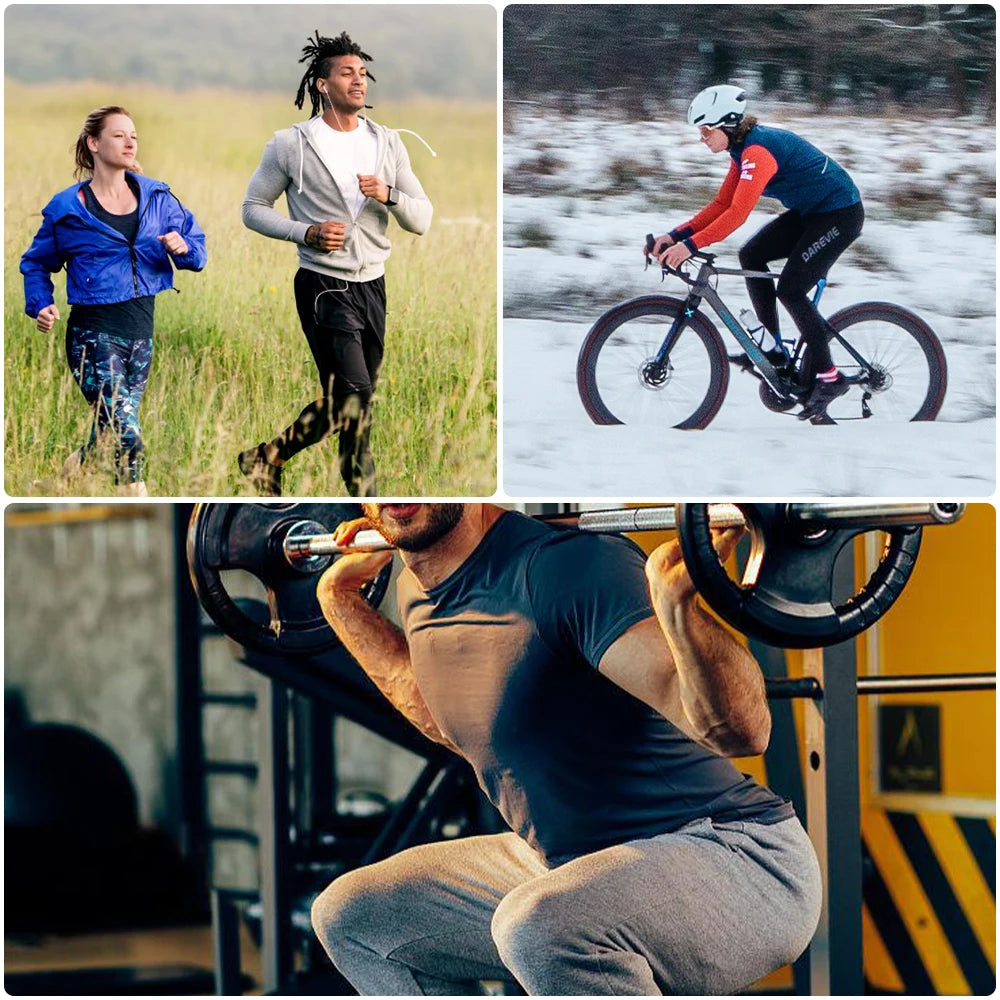
Compression leg warmers supporting poor circulation cold weather and endurance. See it in action
When Poor Circulation May Require Medical Advice
Most cycling poor circulation cold weather problems improve with proper clothing, movement, and preparation. However, medical guidance may be appropriate if symptoms continue despite these changes.
- Persistent numbness after warming up
- Repeated circulation problems during normal rides
- Severe pain, weakness, or loss of coordination
- Symptoms that continue long after exposure to cold
Cyclists with underlying health concerns affecting circulation should discuss persistent symptoms with a healthcare professional.
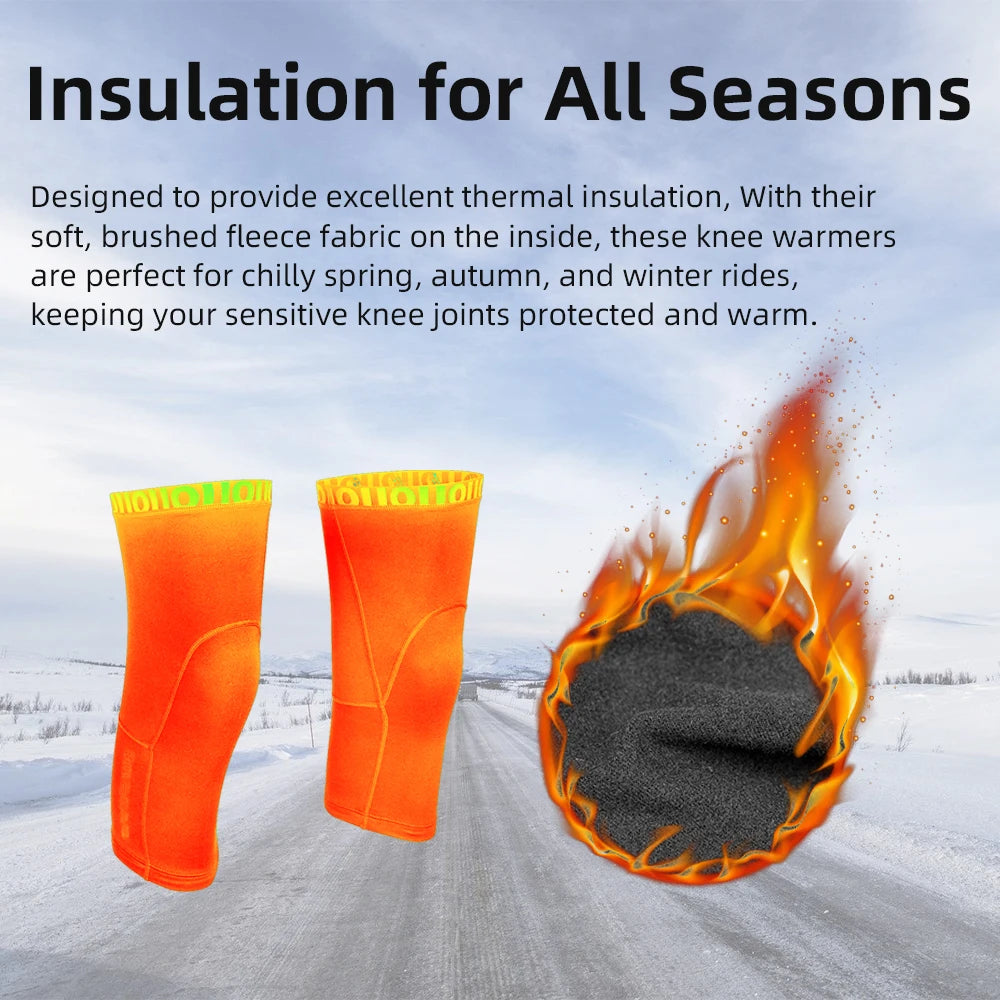
Winter cycling attire that supports improving circulation while cycling. See it in action
Frequently Asked Questions
How do I keep blood flow while cycling in winter?
Maintain steady cadence, warm up before riding, wear proper layers, and keep your hands and feet moving to support circulation.
Can compression gear improve circulation while cycling?
Compression gear supports venous return and muscle stability, but it works best when combined with warmth and active movement.
Why do my feet go numb when cycling in the cold?
Numb feet are commonly caused by cold temperatures, tight footwear, reduced blood flow, or insufficient insulation.
How do I keep my hands warm without losing dexterity?
Use insulated cycling gloves that protect against wind while allowing enough flexibility for braking and shifting.
What is the best clothing for circulation in winter cycling?
The best winter cycling gear for circulation combines moisture-wicking layers, thermal insulation, wind protection, and properly fitted accessories.
Should I warm up before cycling in cold weather?
Yes. A dynamic warm-up prepares muscles and supports circulation before exposure to cold temperatures.
Explore More:
- Anti Slip Cycling Leg Warmers Compared on Fit and Grip
- Cycling Leg Warmers for Winter: 5 Options by Temperature
Pillar Article: Not Found
Explore More:













