

Do long ride cycling leg warmers really make a difference on endurance rides?
Yes, cycling leg warmers make a noticeable difference on long rides by helping regulate temperature, reduce muscle stiffness, and improve overall comfort. On endurance rides lasting several hours, maintaining consistent muscle warmth can help delay fatigue and reduce the risk of tightness or discomfort.
Unlike full tights, leg warmers give riders flexibility to adapt to changing weather. This makes them especially useful for long distance cycling gear setups where temperature can vary significantly throughout a ride.
Long Ride Cycling Leg Warmers for Endurance Comfort
Best Cycling Leg Warmers for Long Rides (Tested & Compared)
Quick Comparison Table (Fit, Fabric, Temp Range, Ride Duration)
- Best Overall: Balanced warmth, secure fit, ideal for 3–6 hour rides
- Best Winter Option: Thermal fleece lining, designed for cold weather endurance
- Best Lightweight: Breathable fabric for variable conditions
- Best Budget: Reliable comfort for shorter long-distance rides
Best Overall for Long Distance Comfort
Designed for endurance riders, these cycling leg warmers combine compression, moisture-wicking fabric, and anti-slip grippers to maintain comfort over several hours in the saddle.
Best for Cold Weather & Winter Riding
Winter cycling leg warmers use thermal fleece interiors to retain heat while still allowing breathability, making them ideal for early starts and cold descents.
Best Lightweight Option for Variable Conditions
Lightweight leg warmers are perfect for rides where temperatures shift, offering easy removal and excellent sweat management.
Best Budget Option for Endurance Riders
Affordable options focus on core performance features like fit and basic insulation, suitable for riders building endurance without premium pricing.
Long ride cycling leg warmers are often overlooked, yet they quietly solve one of endurance riding’s biggest frustrations: staying warm without feeling weighed down or restricted. For cyclists logging hours in unpredictable cold, the right leg warmers can be the difference between finishing strong or fighting stiffness, fatigue, and discomfort mile after mile.
⏱ 7 min read
Ever start a long ride feeling great, only to notice your legs stiffen as the temperature drops? Or overheat halfway up a climb because winter tights cycling felt like too much? If that sounds familiar, you’re not alone.
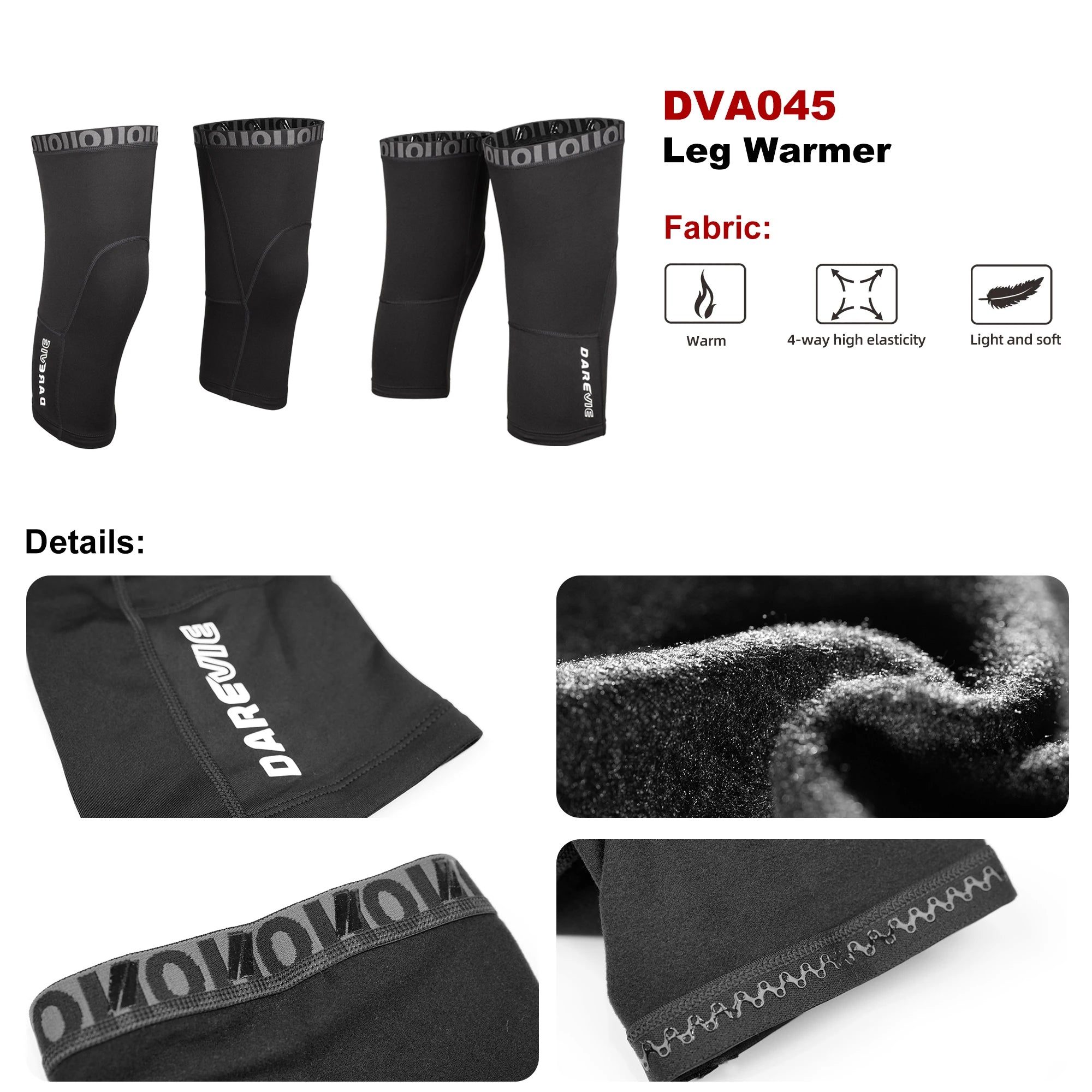
Long ride cycling leg warmers that balance warmth and freedom See it in action
Why Endurance Riders Choose Leg Warmers Over Tights
Endurance cyclists often prefer cycling leg warmers over full tights because of their versatility. On long rides, conditions can change quickly, and leg warmers can be easily removed or adjusted without disrupting the ride.
- Early morning starts: Stay warm at the beginning, remove later
- Climbing vs descending: Prevent overheating on climbs, retain warmth on descents
- Layering flexibility: Pair with bib shorts for adaptable comfort
This flexibility makes leg warmers a core part of long distance cycling gear essentials.
How Long Ride Cycling Leg Warmers Help Reduce Cycling Muscle Fatigue
One of the key leg warmers cycling benefits is their ability to help manage cycling muscle fatigue. By keeping muscles warm, they support better blood flow and reduce stiffness during long rides.
On endurance rides, fatigue often builds gradually due to temperature drops, wind exposure, and prolonged effort. Leg warmers help by:
- Maintaining consistent muscle temperature
- Reducing tightness during long steady efforts
- Improving comfort during recovery phases of the ride
While they don’t directly increase power output, they contribute to better endurance comfort, which can improve overall ride performance.
Common Problems on Long Rides (And How Good Leg Warmers Solve Them)
Slipping and Fit Issues
Poor-quality leg warmers can slide down during rides. High-quality options use silicone grippers and anatomical shaping to stay in place for hours.
Chafing Over Hours
Seams and fabric choice matter on long rides. Flatlock seams and soft materials help prevent irritation during extended use.
Sweat Build-Up and Overheating
Breathable fabrics wick moisture away, preventing overheating during climbs or intense efforts.
Temperature Swings During Long Rides
Leg warmers allow riders to adapt quickly, making them ideal for changing weather conditions throughout endurance rides.
What to Look for in Long Ride Cycling Leg Warmers
Comfort That Lasts for Hours
Look for soft, stretchable materials that maintain comfort during long endurance rides without causing pressure points.
Thermal Balance for Changing Conditions
The best cycling leg warmers balance insulation and breathability to prevent both cold exposure and overheating.
Secure Fit Without Restriction
A secure fit is essential to prevent slipping while still allowing full range of motion.
Easy Pairing With Existing Gear
Leg warmers should integrate smoothly with bib shorts and jackets. Many endurance riders pair them with other recovery-focused tools found in the Body Care and Health Devices collection to support overall muscle comfort.
Fabric Technology (Fleece vs Thermal vs Lycra)
Fleece-lined options provide warmth for winter cycling, while lightweight Lycra versions are better for mild conditions.
Temperature Range & Ride Duration Matching
Choose based on how long and how cold your rides are. Longer rides require better moisture control and sustained comfort.
| Feature | Why It Matters on Long Rides |
|---|---|
| Thermal fabric | Maintains muscle warmth without bulk |
| Breathability | Prevents overheating on climbs |
| Elastic grip | Keeps warmers in place for hours |
| Lightweight design | Reduces fatigue from excess material |
How to Choose Based on Your Riding Scenario
Early Morning Starts
Thermal leg warmers help retain warmth before temperatures rise later in the ride.
Long Endurance Rides (3–6+ Hours)
Focus on comfort, moisture-wicking, and a secure fit that won’t shift over time.
Cold Descents & Mountain Conditions
Insulated options provide protection against wind chill during descents.
Variable Weather Rides
Lightweight, packable leg warmers are ideal when conditions change throughout the ride.
Real Rider Experiences on Cold Miles
Many endurance cyclists report that cycling leg warmers become essential after the first hour of a long ride, especially in cooler conditions. Riders often highlight improved comfort, reduced stiffness, and better adaptability to changing weather.
- Less muscle tightness during long steady efforts
- Improved comfort during descents
- Better temperature control throughout the ride
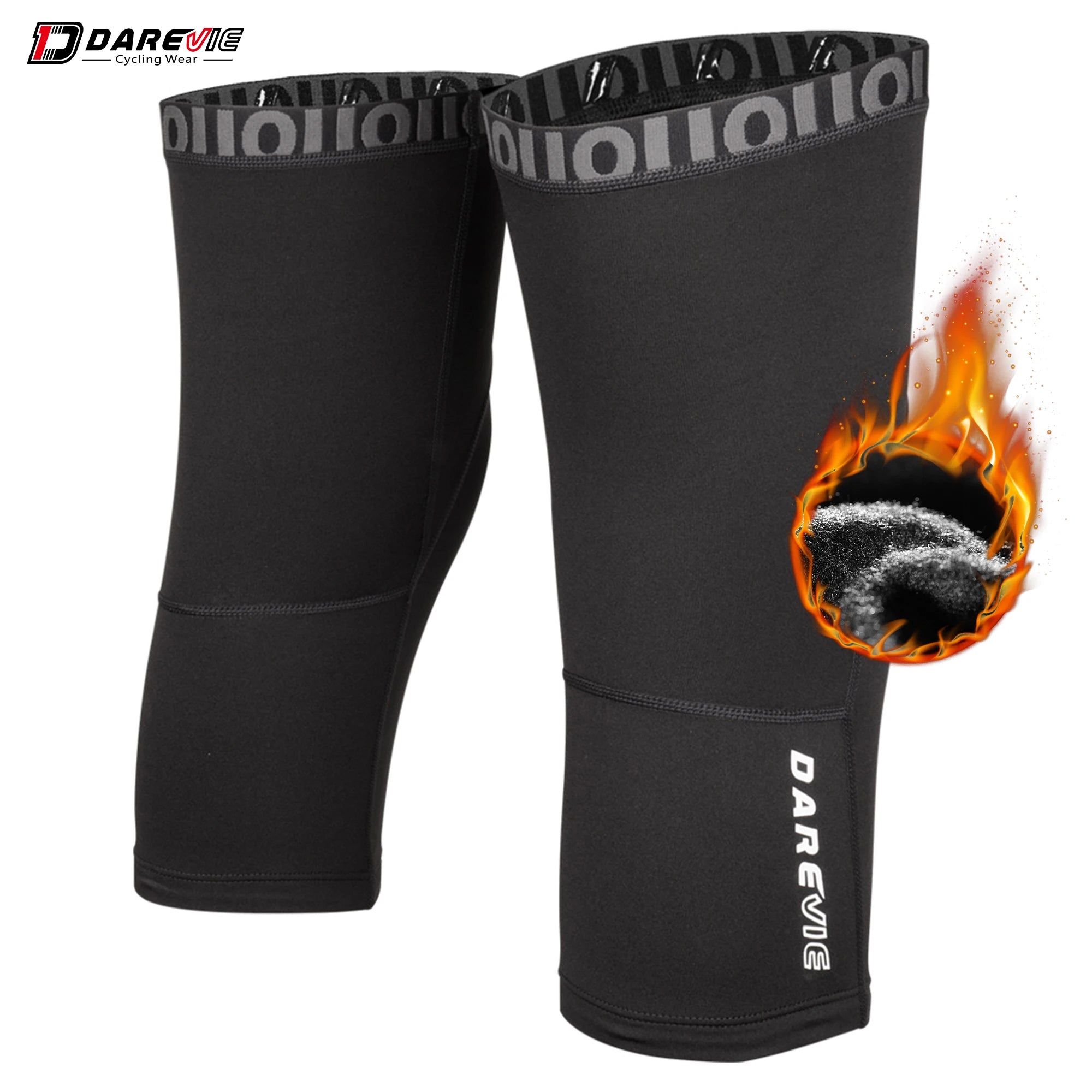
Cycling leg warmers during long-distance rides See it in action
How to Wear and Care for Cycling Leg Warmers on Long Rides
Proper use extends comfort and lifespan.
- Put leg warmers on before heading out, ensuring seams align comfortably.
- Check grip placement to avoid pinching behind the knee.
- Remove or roll down during warmer segments if needed.
- Wash gently after rides to preserve elasticity.
Many riders find that caring for their gear with the same attention as their bodies—using recovery tools or gentle routines—keeps performance consistent ride after ride.
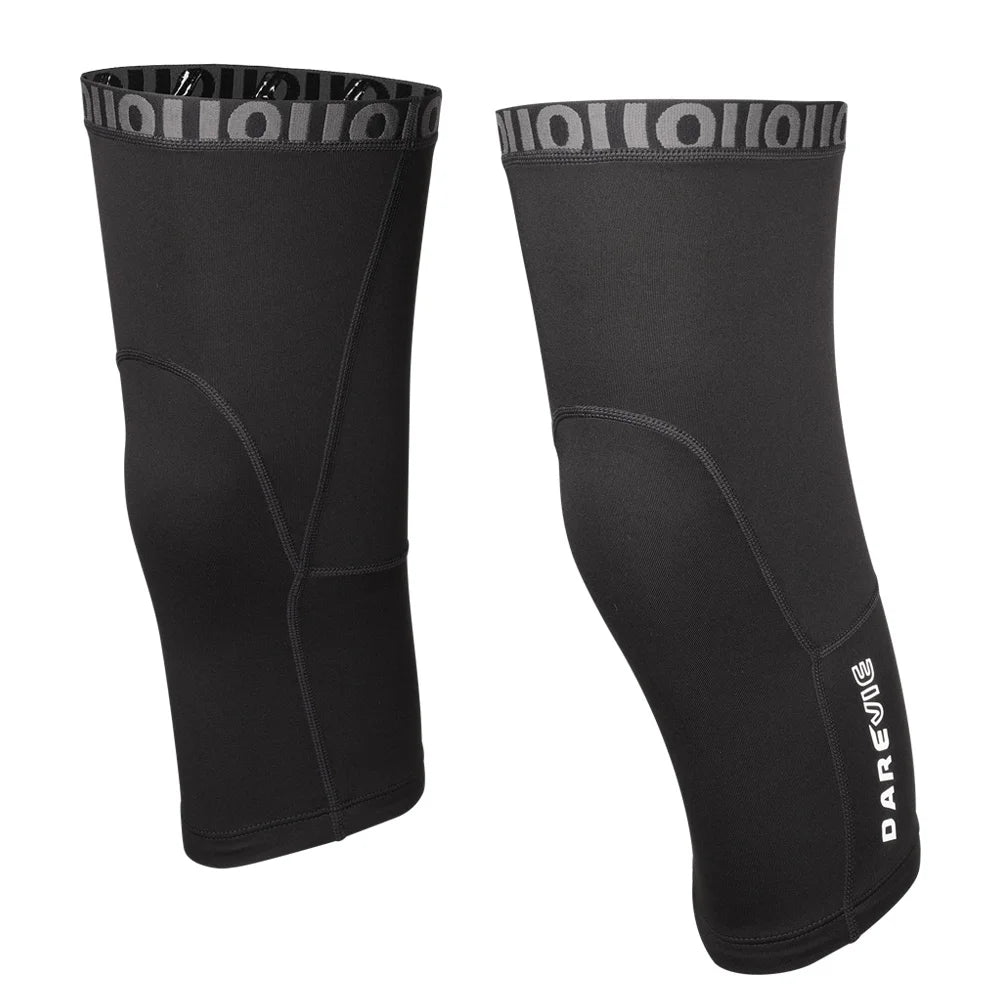
Endurance comfort without bulk See it in action
Mini FAQ
Are cycling leg warmers better than winter tights cycling?
Leg warmers are more versatile, while winter tights provide more consistent warmth in very cold conditions.
Do leg warmers really help with cycling performance?
They improve comfort and reduce fatigue, which can indirectly support better performance on long rides.
How cold is too cold for leg warmers?
Below very low temperatures, full winter tights may be more effective than leg warmers alone.
Can leg warmers prevent cycling muscle fatigue?
They help reduce fatigue by keeping muscles warm and improving comfort over long durations.
What are the best leg warmers for cycling long rides?
The best options combine secure fit, breathable fabric, and comfort designed for multi-hour endurance rides.
Explore More:
- Anti Slip Cycling Leg Warmers Compared on Fit and Grip
- Cycling Leg Warmers for Winter: 5 Options by Temperature
Pillar Article: Not Found
Explore More:
UPGRADE PLAN { "outline": [ { "action": "MODIFY", "h2": "Do cycling leg warmers for long rides really improve endurance comfort and performance?", "h3": [], "focus": [ "Answer commercial intent quickly", "Summarize endurance and temperature benefits", "Address muscle fatigue expectations", "Recommend who should buy" ], "keywords": [ "cycling leg warmers for long rides", "cycling leg warmers", "do leg warmers help cycling performance", "leg warmers cycling benefits" ] }, { "action": "MODIFY", "h2": "Best Cycling Leg Warmers for Long Rides (Tested & Compared)", "h3": [ "Quick Comparison Table", "Best Overall", "Best for Winter Cycling", "Best for Variable Weather", "Best Budget", "Best Compression Support", "Best for Gravel & Endurance" ], "focus": [ "Comparison by ride scenario", "Pros and cons", "Temperature recommendations", "Best-for awards", "Value comparison" ], "keywords": [ "best leg warmers for cycling", "winter cycling leg warmers", "cycling endurance comfort gear" ] }, { "action": "ADD", "h2": "How We Tested These Cycling Leg Warmers", "h3": [ "Fit & Stability", "Warmth Across Temperature Ranges", "Moisture Management", "Durability After Washing" ], "focus": [ "Field-testing methodology", "Long-distance comfort", "Performance consistency", "Objective evaluation" ], "keywords": [ "cycling leg warmers", "cycling endurance comfort gear" ] }, { "action": "KEEP", "h2": "Why Endurance Riders Choose Leg Warmers Over Tights", "h3": [ "Flexibility", "Packability", "Temperature Adaptability" ], "focus": [ "Comparison with tights", "Weather versatility", "Ride efficiency" ], "keywords": [ "cycling leg warmers", "long distance cycling gear essentials" ] }, { "action": "MODIFY", "h2": "How Cycling Leg Warmers Help Reduce Muscle Fatigue on Long Rides", "h3": [ "Compression Support", "Warm Muscle Maintenance", "Recovery Between Climbs" ], "focus": [ "Circulation support", "Warmth vs recovery", "Performance limitations", "Evidence-based expectations" ], "keywords": [ "cycling muscle fatigue prevention", "how to prevent leg fatigue cycling", "cycling fatigue symptoms legs" ] }, { "action": "MODIFY", "h2": "Common Long-Ride Problems and How Quality Leg Warmers Solve Them", "h3": [ "Slipping During Hours in the Saddle", "Overheating on Climbs", "Cold Descents", "Chafing & Seam Comfort" ], "focus": [ "Real ride challenges", "Feature-to-benefit mapping", "Fit optimization", "Comfort improvements" ], "keywords": [ "cycling leg warmers", "cycling endurance comfort gear" ] }, { "action": "MODIFY", "h2": "Buying Guide: What to Look for in Cycling Leg Warmers", "h3": [ "Fabric Comparison (Roubaix vs Merino vs Lycra vs Fleece)", "Temperature Range Guide", "Grip Bands & Fit", "Breathability & Moisture Control", "Reflective Features", "Sizing Tips" ], "focus": [ "Fabric selection", "Fit guidance", "Safety", "Weather matching" ], "keywords": [ "cycling leg warmers", "winter cycling leg warmers", "best leg warmers for cycling" ] }, { "action": "MODIFY", "h2": "Choose the Right Leg Warmers for Your Riding Style", "h3": [ "Road Cycling", "Gravel Riding", "Century & Endurance Events", "Mountain Climbs", "Training Commutes" ], "focus": [ "Ride-specific recommendations", "Weather scenarios", "Duration matching", "Gear pairing" ], "keywords": [ "cycling endurance comfort gear", "long distance cycling gear essentials" ] }, { "action": "ADD", "h2": "How to Layer Leg Warmers with Bib Shorts for Changing Weather", "h3": [ "Early Morning Starts", "Mid-Ride Removal", "Rain & Wind Layers" ], "focus": [ "Layering strategy", "Comfort optimization", "Packability", "Temperature transitions" ], "keywords": [ "winter cycling leg warmers", "cycling leg warmers" ] }, { "action": "REMOVE", "h2": "Real Rider Experiences on Cold Miles", "h3": [], "focus": [], "keywords": [] }, { "action": "MODIFY", "h2": "Care, Washing, and Longevity", "h3": [ "Washing Tips", "Maintaining Elasticity", "Storage" ], "focus": [ "Extend lifespan", "Prevent slipping", "Fabric care" ], "keywords": [ "cycling leg warmers" ] }, { "action": "MODIFY", "h2": "Frequently Asked Questions", "h3": [], "focus": [ "Performance", "Temperature", "Sizing", "Layering" ], "keywords": [ "cycling leg warmers", "do leg warmers help cycling performance" ] } ], "internal_links": [ "Best cycling bib shorts", "Winter cycling clothing guide", "Cycling base layers", "Cold weather cycling gloves", "Cycling arm warmers", "Road cycling apparel", "Gravel cycling gear", "Cycling compression apparel" ], "faq": [ "What temperature should you wear cycling leg warmers?", "Do leg warmers improve cycling performance or just comfort?", "Can cycling leg warmers help prevent muscle fatigue?", "Are leg warmers better than winter cycling tights?", "How tight should cycling leg warmers fit?", "What fabric is best for winter cycling leg warmers?", "Can you wear cycling leg warmers in wet weather?", "How do you stop cycling leg warmers from slipping?" ], "trim": [ "Real Rider Experiences on Cold Miles", "Reduce repetitive comfort explanations between fatigue and problem sections", "Condense generic endurance benefits repeated in introduction and buying guide" ] } Approved linked products: - View Cycling Leg Warmers (/products/cycling-leg-warmers) - Get Yours Now (/products/cycling-leg-warmers) Product Rules - Keep all approved products. - Only approved products may contain affiliate links. - You may add real competitor products when useful. - Competitor products must not contain links unless already present. - Only create comparison tables when they genuinely improve the article. RULES - Apply every instruction in the Upgrade Plan. - Keep all existing affiliate links unchanged. - Keep all existing internal links unchanged. - Keep all existing image URLs unchanged. - Preserve sections such as Related Articles, Related Posts and Recommended Reading. - Avoid duplicate headings. - Insert new sections only where specified. - Improve clarity, topical coverage, EEAT and readability. - Expand weak sections only when required. - Use natural keyword placement. - Keep semantic HTML clean. YEAR UPDATE If visible article text contains "2005", replace it with "2026". Do not modify years inside: - URLs - href attributes - image filenames OUTPUT REQUIREMENTS Return ONLY the final upgraded HTML article. The output must be valid HTML and ready to publish. Do NOT return: - Markdown - Explanations - Notes - Code fences - JSON - XML Return the HTML beginning with the first HTML element and ending with the last HTML element.












