Does heat therapy for neck and shoulder pain really work?
Yes—heat therapy is an effective, research-supported way to relieve neck and shoulder pain caused by muscle tension and poor posture. By applying controlled warmth, it helps relax tight muscles, improve blood flow, and reduce discomfort without medication.
What science says about heat and muscle relaxation
When heat is applied to the neck and shoulders, it raises tissue temperature and causes blood vessels to dilate. This improved circulation delivers oxygen and nutrients to tight muscles while helping remove metabolic waste that contributes to soreness and stiffness.
When results are immediate vs gradual
Relief can often be felt within 10–15 minutes for mild stiffness or desk-related tension. However, chronic posture-related discomfort typically improves over days or weeks with consistent use.
Heat Therapy for Neck and Shoulder Pain: How It Works, When to Use It, and Best Practices
If your neck feels stiff after hours at a desk or your shoulders stay tense no matter how often you stretch, posture-related pain can feel frustratingly persistent. Heat therapy offers a simple, effective way to relax overworked muscles, improve circulation, and support long-term posture correction—without adding complex routines.
⏱ 7 min read
👉 Discover gentle heat options designed for daily neck and shoulder comfort
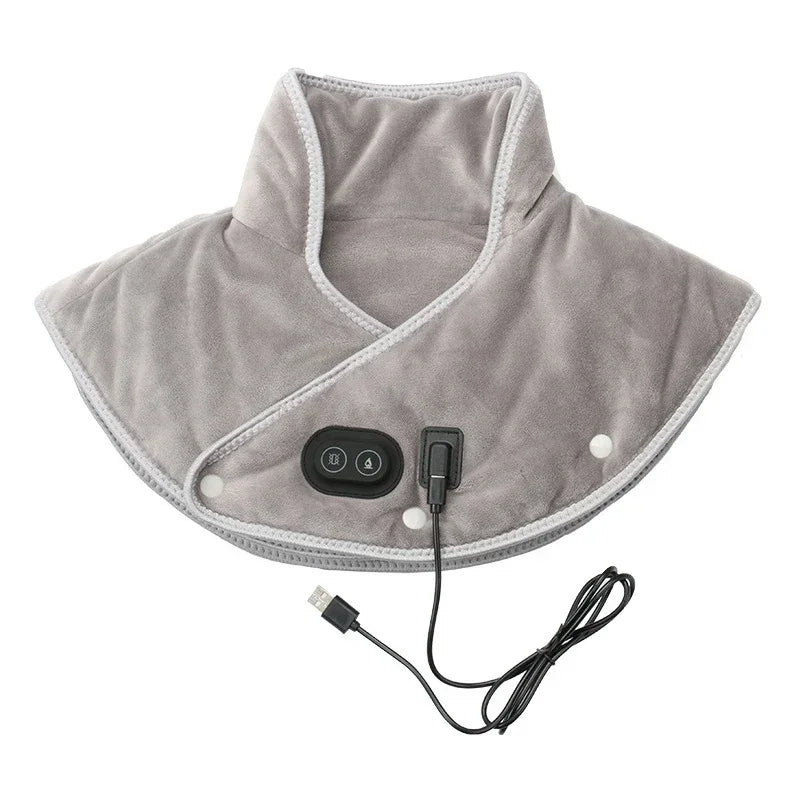
Targeted warmth for posture recovery neck shoulders 💡 See it in action
Why neck and shoulder pain develops (and worsens with poor posture)
Neck and shoulder pain often develops from prolonged poor posture, especially during computer or phone use. Forward head position and rounded shoulders place continuous strain on muscles, leading to tightness and discomfort.
Posture correction neck shoulders: the root cause explained
When your head shifts forward even slightly, the load on your neck muscles increases significantly. Over time, this creates imbalances where some muscles become overworked and tight, while others weaken.
Muscle stiffness, circulation, and tension buildup
Poor posture restricts blood flow to certain muscle groups, contributing to stiffness and reduced mobility. This is why posture-related pain often feels worse at the end of the day or after long periods of sitting.
How heat therapy works to relieve muscle stiffness and tension
Heat therapy targets the underlying causes of discomfort by loosening tight tissues and improving circulation, making it especially effective for chronic stiffness and posture-related pain.
Improve circulation with heat therapy
Heat causes blood vessels to expand, increasing circulation in the affected area. This helps deliver oxygen and nutrients while flushing out waste products that contribute to soreness.
How heat affects nerves and pain signals
Warmth also calms nerve endings, reducing the intensity of pain signals sent to the brain. This creates a soothing effect that helps muscles feel more relaxed and less sensitive.
👉 Explore a heat solution tailored to both zones
Heat vs cold therapy: when to use each
Choosing between heat and cold therapy depends on the type of pain you are experiencing. Using the wrong method can slow recovery.
Acute injury vs chronic stiffness
- Use heat: for muscle stiffness, tension, and posture-related discomfort
- Use cold: for swelling, inflammation, or recent injuries (within 24–48 hours)
When NOT to use heat therapy
Avoid heat if the area is swollen, inflamed, or recently injured, as it may increase blood flow and worsen inflammation.
Upper back heating pad benefits for posture recovery
An upper back heating pad provides targeted warmth across the neck, shoulders, and upper spine—areas most affected by poor posture.
Why the upper back is key to neck pain relief
The upper back supports the neck and shoulders. When it becomes tight, it pulls the shoulders forward and increases strain on the neck.
Types of heating pads and wraps (and what to look for)
- Electric heating pads for consistent heat
- Microwavable wraps for portability
- Wearable heat wraps for hands-free use
Look for adjustable temperature settings and ergonomic designs that cover both the neck and upper back.
| Feature | Benefit |
|---|---|
| Wide coverage | Targets neck, shoulders, and upper back together |
| Consistent warmth | Supports circulation and muscle relaxation |
| Hands-free design | Convenient for daily use |
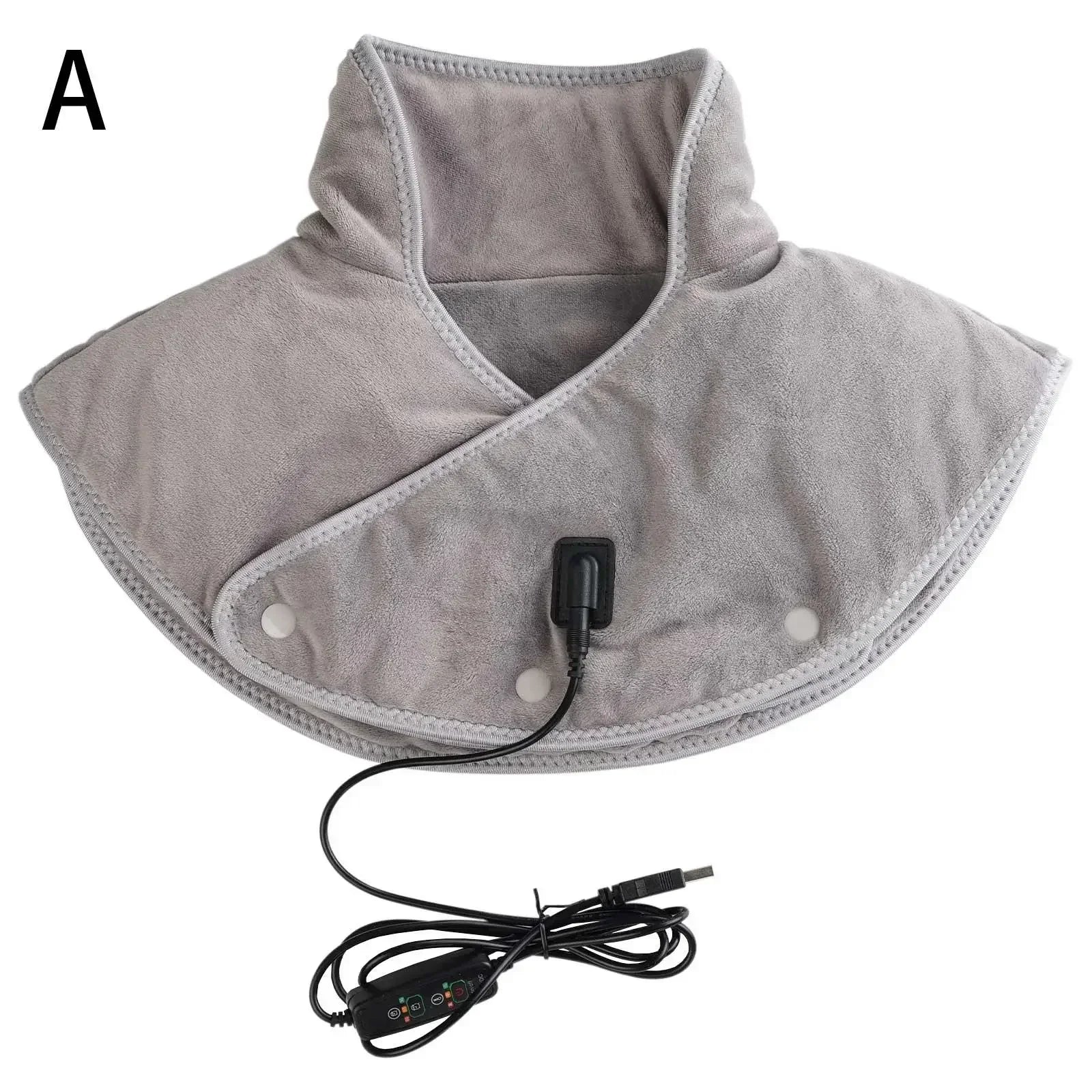
Upper back heating pad support for posture recovery neck shoulders 💡 See it in action
How to use heat therapy correctly (step-by-step protocol)
Using heat therapy properly ensures maximum benefit while avoiding potential risks.
How long to use heating pad on neck and shoulders
Apply heat for 15–20 minutes at a time. This duration is sufficient to relax muscles without overheating the skin.
Daily routine for posture-related pain relief
- Apply heat to the neck and shoulders for 15–20 minutes
- Focus on slow breathing to enhance relaxation
- Follow with gentle stretching or posture exercises
- Repeat 1–2 times daily during high-stress or sedentary days
👉 Learn how gentle heat fits into your daily routine
Can heat therapy improve posture pain long term?
Heat therapy can significantly reduce discomfort, but it does not correct the underlying causes of posture-related pain on its own.
Why heat alone is not enough
While heat relaxes tight muscles, it does not strengthen weak muscles or fix alignment issues caused by poor posture habits.
Combining heat with posture correction habits
For lasting improvement, combine heat therapy with ergonomic adjustments, regular movement, and posture exercises. Small daily changes lead to sustainable results.
Helpful additions include exploring comfort-focused tools from the Body Care and Health Devices collection or recovery inspiration from the Beauty & Self-Care Blog.
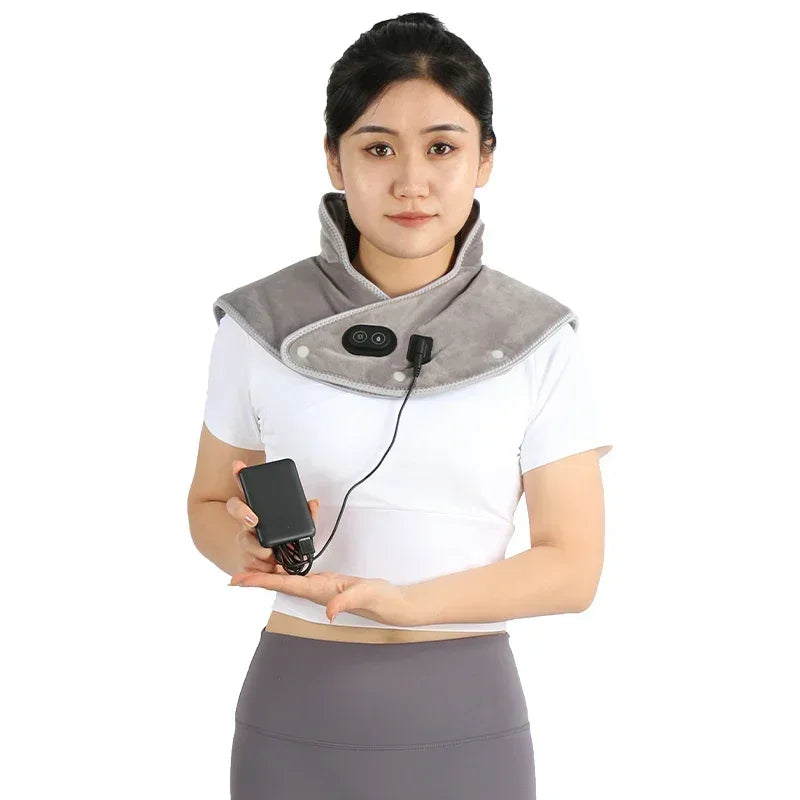
Consistent warmth supports posture correction 💡 See it in action
Risks, safety tips, and common mistakes
Heat therapy is generally safe, but improper use can lead to irritation or burns.
Overuse, burns, and sensitive conditions
Avoid using heat for longer than recommended. Always place a protective layer between the heating pad and your skin to prevent burns.
Who should avoid heat therapy
- People with reduced sensation or nerve damage
- Areas with swelling or active inflammation
- Recent injuries or open wounds
Mini FAQ: Heat therapy for neck and shoulder pain
Is heat good for shoulder tension?
Yes, heat is highly effective for relieving shoulder tension caused by tight muscles and stress.
Best heat therapy for upper back pain?
Heating pads or wearable wraps that cover both the neck and upper back provide the most consistent and effective relief.
Can heat improve posture pain?
Heat can reduce discomfort caused by poor posture, but it should be combined with corrective habits for long-term results.
How often should I use heat therapy?
Most people benefit from using heat therapy 1–2 times daily for 15–20 minutes per session.
👉 Get yours now and support daily posture recovery
Pillar Article: How to Relax the Neck Muscles Using Heat Therapy
Other Related Articles:
- Can You Use a Heating Pad Too Much? Safety Tips
- How to Relieve Muscular Neck Pain Step by Step
- Heating Pad for Neck Tension: Best-Rated Picks Compared
Explore More: