Does red light therapy speed wound healing?
Answer: Yes — when used correctly, red light therapy can accelerate tissue repair, reduce inflammation, and improve circulation. For how long to use red light therapy for wound healing, short daily sessions (typically 2–10 minutes per treated area at clinically effective irradiance) over 1–4 weeks produce measurable gains in recovery and less irritation.
⏱ 12 min readHow Long to Use Red Light Therapy for Wound Healing: Best Devices Reviewed
Wondering how long to use red light therapy for wound healing so you actually see faster recovery and less irritation? This guide breaks down timing, dosing, and the tech behind today’s most effective devices, including surprising benefits you might be missing and how nan enhancements boost results. Ready to find out what most people overlook?
What this guide covers
Fast summary: this article explains the science behind red and near-infrared light for tissue repair, gives clear dosing and timing recommendations for wound healing, and compares practical devices so you can match product features to your needs — from targeted wands to full panels. It’s built for people who want evidence-backed routines, not hype.
how long to use red light therapy for wound healing, nan — 💡 See it in action — KentDO Red Light Wand
Quick answer: How long should you use red light therapy for wound healing?
Direct answer (40–60 words): For most small wounds, use red/near-infrared therapy 1–2 times daily for 2–10 minutes per treatment area at clinically effective power densities. Typical programs run 7–28 days depending on severity — shorter, frequent sessions yield better results than one long session. The key is consistent, correctly dosed exposure.
Why red light therapy helps wounds: clear benefits
How red & near-infrared light speeds repair
- Stimulates cellular energy (mitochondrial ATP) to speed tissue repair.
- Reduces inflammation and oxidative stress at the injury site.
- Improves local microcirculation and oxygen delivery.
- Supports collagen synthesis for stronger skin closure.
Which style suits you best? Read on!
Best devices — at a glance (which fits your healing path?)
Devices fall into three practical buckets: handheld wands for targeted wounds, small panels for moderate coverage, and full panels for larger areas or chronic recovery. Here’s where they shine:
- Handheld wands — precise, portable, ideal for small cuts, surgical sites, and specific patches of irritation. (Good for on-the-go and post-procedure touch-ups.)
- Small panels — broader coverage for arms/legs; faster treatment of moderate wounds or multiple sites. (Use when you need to cover a 10–20 cm² zone.)
- Full panels — best for larger injuries, chronic wounds, or systemic skin regimens requiring repeated sessions across broad areas.
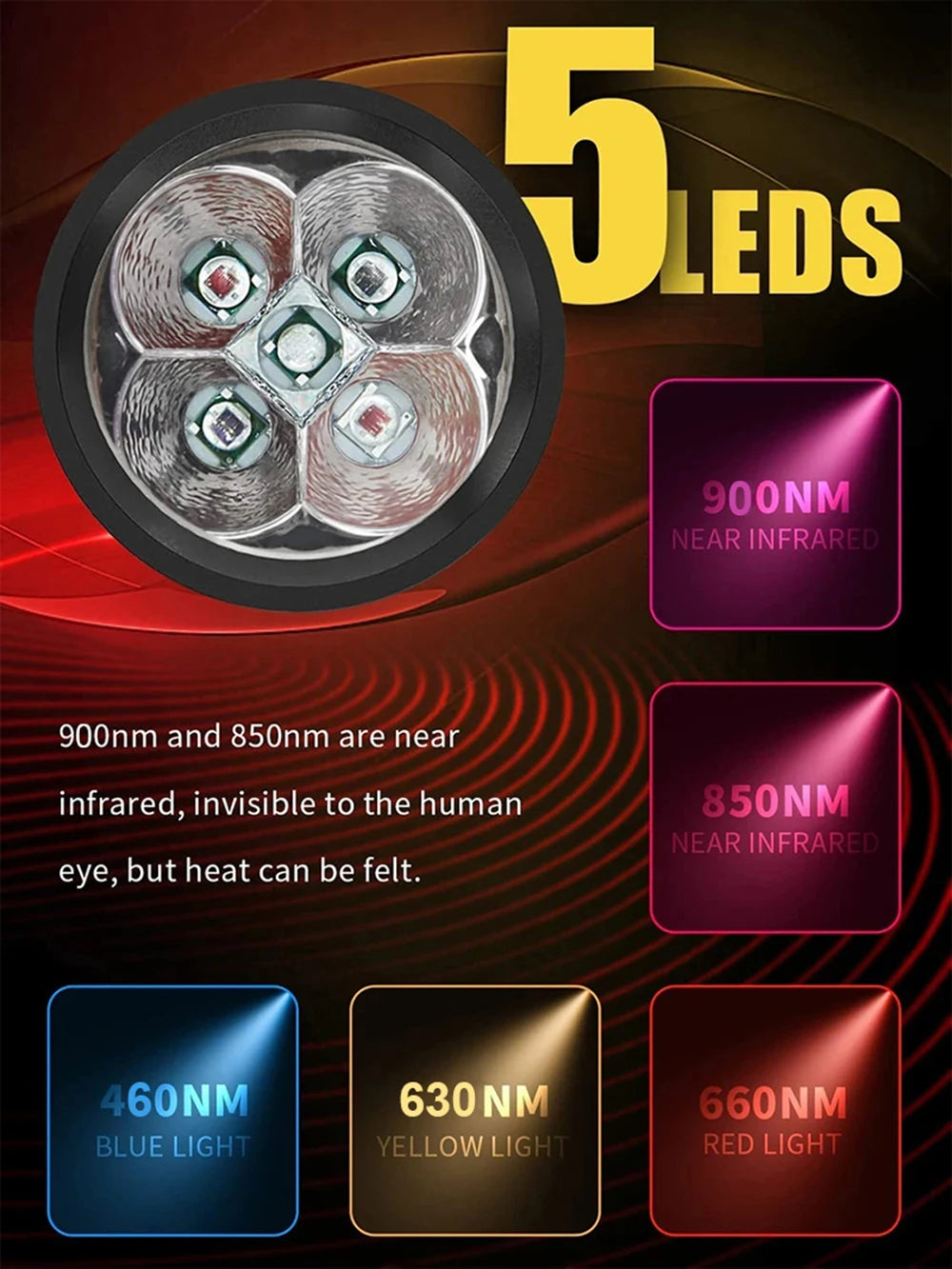
Featured product (review focus): KentDO Red Light Wand — a targeted wand with multi-wavelength output and nan-boost features for deeper tissue penetration and faster circulation benefits.
Device comparison (specs & fit)
| Device type | Best for | Typical session | Pros | Cons |
|---|---|---|---|---|
| Handheld wand | Small wounds, precise spots | 2–5 min per spot | Portable, targeted, low cost | Small coverage, requires positioning |
| Small panel | Moderate-sized areas | 5–12 min per area | Faster coverage, even output | Less portable, higher cost |
| Full panel | Large wounds, chronic care | 10–20 min per session | Broad coverage, efficient | Bulky, expensive |
Remember: effective healing depends more on correct dosing (irradiance, time, distance) than on price or flashy claims.
How to use: dosing, timing, and exact steps for wound healing
How long to use red light therapy for wound healing?
Direct answer (40–60 words): Use red light therapy daily or twice daily for 2–10 minutes per wound area at effective irradiance (check device specs). Most users follow a 7–28 day program — smaller wounds heal in about one week, deeper or chronic wounds need longer. Consistency and correct power density matter more than single-session length.
Step-by-step (MOFU: actionable)
- Clean the wound and surrounding skin; follow medical advice first for deep or infected wounds.
- Position device 0–10 cm from skin, based on manufacturer instructions.
- Start with a short session (2–3 minutes) per spot to assess tolerance.
- Increase to the recommended dose (often 5–10 minutes) once tolerated.
- Treat once or twice daily. Track progress with photos and measurements.
- Stop and seek medical care if signs of infection worsen or if healing stalls.
Key dosing tips
- Irradiance (mW/cm²) — devices should list output; higher irradiance reduces time. Aim for clinically tested ranges when possible.
- Wavelengths — red (630–660 nm) and near-infrared (810–850/880–940 nm) are commonly used together for skin and deeper tissue repair.
- Frequency — daily or twice daily is common; more than twice rarely needed and can waste time.
- Distance — closer distance increases dose; follow manufacturer guidance to avoid overtreatment.
Usage visuals & quick checklists
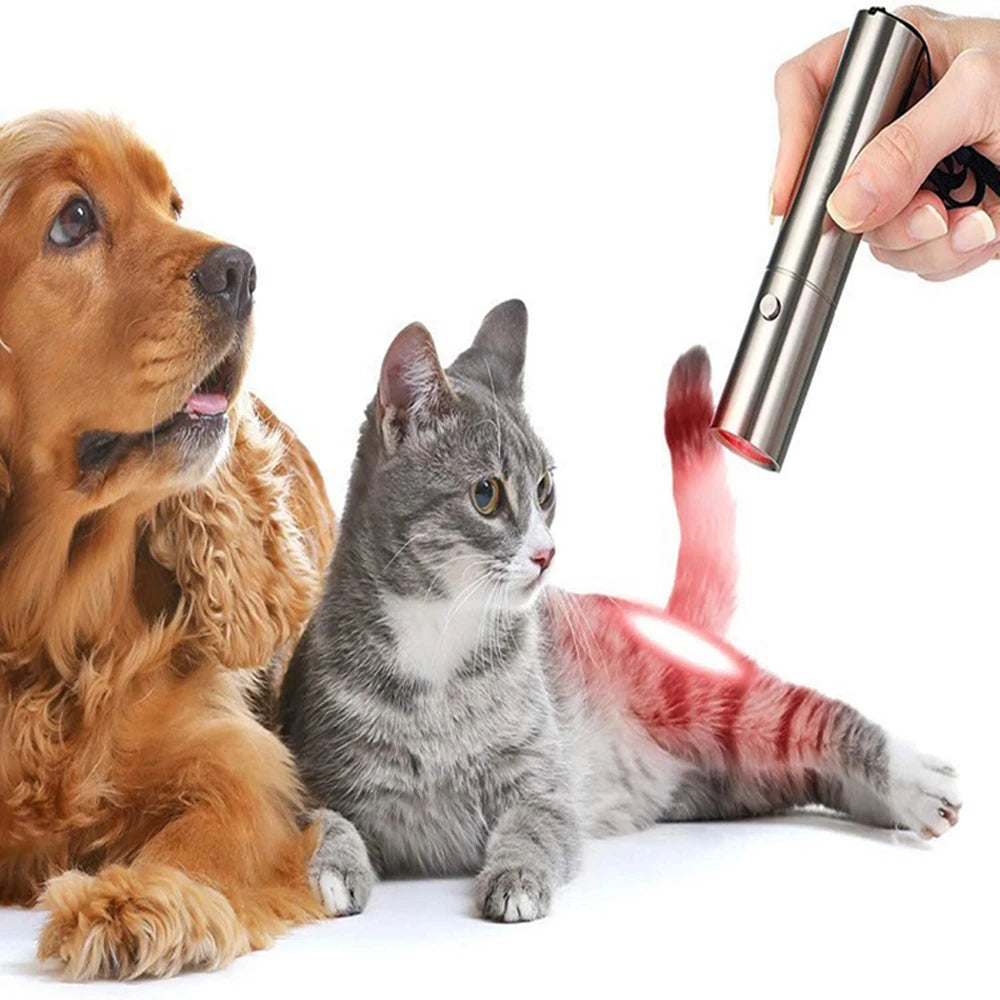
how long to use red light therapy for wound healing, nan — 💡 See it in action — KentDO Red Light Wand
Quick checklist before each session
- Is the wound clean and stable? (If in doubt, consult a clinician.)
- Do you know the device’s irradiance and recommended distance?
- Have you documented baseline photos for comparison?
- Plan for consistent daily sessions — small but regular beats occasional long sessions.
Real-world results & social proof
Users commonly report faster closure of superficial wounds, reduced redness, and less discomfort with consistent use. In forums and product reviews, people notice visible improvements in 7–14 days for minor wounds when devices are used daily. Below are typical testimonials (paraphrased for clarity):
“After daily 5-minute sessions for two weeks my surgical incision looked flatter and less red — pain reduced too.” — Verified user
“Used the wand twice daily after skin procedure; healing felt quicker and scabbing was minimal.” — Verified user
For evidence-focused readers: look for devices that publish output specs (mW/cm²) and wavelengths, and cite clinical studies or protocols. The product page for the KentDO wand lists multi-wavelength output and practical use cases — useful when comparing features: KentDO Red Light Wand.
When not to use & safety considerations
Red light therapy is generally safe for topical wound healing, but follow these rules:
- Do not use over untreated infections — see a clinician first.
- Avoid shining the device directly into eyes; use eye protection when indicated.
- Stop treatment and seek medical help if the wound worsens, shows rising pain, spreading redness, or fever.
- Consult doctors for wounds associated with diabetes, poor circulation, or autoimmune conditions before self-treatment.
Pros & Cons — quick reference
| Pros | Cons |
|---|---|
| Speeds repair, reduces inflammation, non-invasive, low side effects | Effectiveness depends on correct dosing; not a substitute for medical care |
Buying guide: choose by your main goal
Targeted wound care (best fit)
- Choose a handheld wand with mixed red + NIR wavelengths.
- Look for clear irradiance numbers and recommended treatment times.
- Product example: KentDO Red Light Wand — targeted, portable, multi-wavelength.
Moderate coverage & at-home recovery
- Choose a small panel that covers 10–20 cm² to reduce session count.
- If you treat multiple wounds or larger areas regularly, panels save time.
- Consider product warranties and customer service reputation.
Chronic or large-area treatment
- Full panels deliver efficient sessions for larger areas or stubborn wounds.
- Look for clinically validated power output and cooling design for long sessions.
For related solutions and cross-sell: explore other recovery devices in Body Care and Health Devices: Body Care and Health Devices.
Practical dosing examples (realistic)
- Minor cut / abrasion: 2–5 minutes, once daily for 5–10 days.
- Sterile surgical wound (after clearance): 5 minutes, twice daily for 2 weeks (follow surgeon’s guidance).
- Post-derm procedures (small areas): 2–5 minutes per treated zone daily until healed.
- Chronic wound (clinical oversight): longer programs (4–8+ weeks) with higher frequency and professional monitoring.
Always log sessions — a simple photo every 2–3 days helps track healing rate and guide duration decisions.
Evidence summary & how to interpret studies
Clinical studies show consistent positive trends for red/NIR therapy in wound healing, with outcomes like faster epithelialization and reduced inflammation. When reading research, check:
- Wavelengths used (630–660 nm for red; 810–940 nm for NIR).
- Power density and energy dose (mW/cm² and J/cm²).
- Number and frequency of sessions.
- Primary outcomes (time to closure, pain scores, scar quality).
Devices that list wavelengths and irradiance help you map study protocols to home use.
Troubleshooting common questions
Why isn’t my wound improving?
Possible reasons: inadequate dose (too low irradiance or too-short sessions), infection, or underlying health issues (e.g., diabetes). Reassess device specs, frequency, and consult a clinician for persistent problems.
Can I overdo red light therapy?
Excessive exposure is unlikely to cause severe harm but may be wasteful and provide diminishing returns. Stick to manufacturer guidelines and clinical dosing ranges.
Top pick (BOFU): targeted wands for wound healing
Direct answer (40–60 words): The best targeted devices for wound healing combine red and near-infrared wavelengths with clear irradiance specs and easy positioning. The KentDO wand is a strong fit for targeted care—portable, multi-wavelength, and designed for short, repeatable sessions that match clinical dosing patterns.
Why this category stands out
- Precision reduces wasted exposure of healthy tissue.
- Portable units encourage consistent use — the biggest driver of results.
- Often more affordable than full panels but clinically useful when used correctly.
BOFU CTA 👉 Get yours now — limited stock! Shop the KentDO Red Light Wand
Cost vs. value: what to expect
Entry-level wands are affordable and useful for targeted care; mid-range panels add consistency and faster sessions; high-end clinical-grade devices offer validated specs and warranties. Choose based on frequency of use and coverage needs.
Simple at-home protocol (example)
- Days 1–3: 2–3 minutes, once daily to avoid overstimulation while tissue begins to recover.
- Days 4–14: 5 minutes per area, once or twice daily depending on wound and device output.
- After day 14: evaluate progress. Continue until healed or consult a clinician for further care.
Final thoughts & CTAs
Red light therapy is a tool — not a magic bullet. When matched to the right device and used with consistent, correctly dosed sessions, it can noticeably speed wound recovery, reduce inflammation, and improve comfort. Prioritize devices that publish wavelength and irradiance specs, follow a short daily routine, and keep medical supervision for complex wounds.
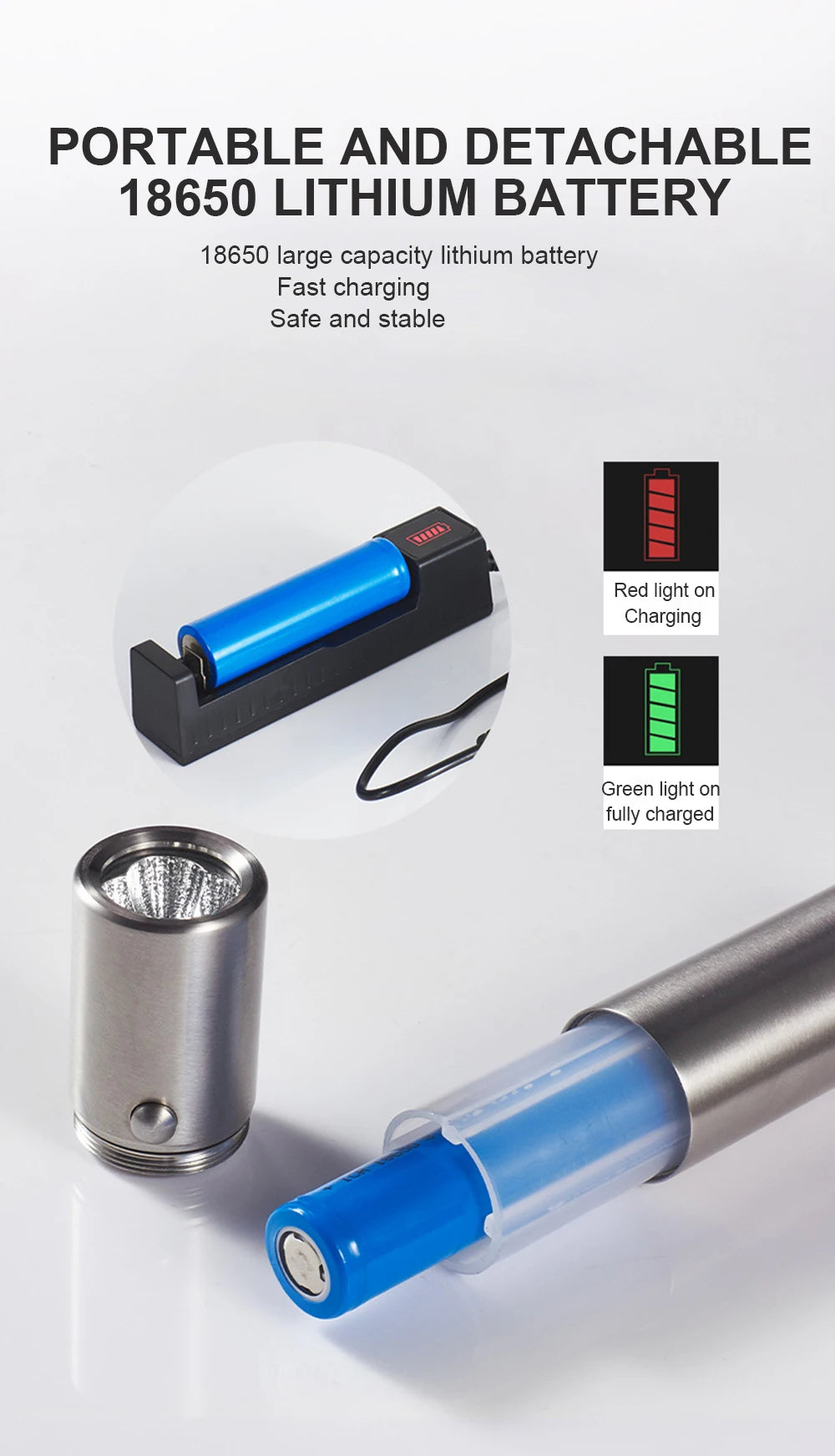
how long to use red light therapy for wound healing, nan — 💡 See it in action — KentDO Red Light Wand
Mini FAQ (schema-ready)
1. How soon will I see results using red light therapy on a small wound?
Most users see visible improvements in redness and pain within 3–7 days and clearer closure within 7–14 days with daily sessions. Individual results vary with wound size and health status.
2. Can I use red light therapy on infected wounds?
No — do not rely on light therapy for infected wounds. Seek medical treatment first; after infection control, light therapy can support healing under guidance.
3. How often should I treat the same spot?
Once or twice daily is typical. Consistent short sessions (2–10 minutes) work better than infrequent long sessions. Track progress and consult a clinician for chronic wounds.
Related Articles:
- How to Use Red Light Therapy for Eyes: Best Gentle, Low-Intensity Wands Compared
- How to Use Red Light Therapy for Lungs: Top Devices Ranked & Reviewed
- Red Light Therapy Wand for Wrinkles: Best Anti-Aging Picks Compared
- How Does Red Light Work? 5 Best Therapy Devices Reviewed Side-by-Side
- Ease Muscle Tension: Top Red Light Wands Compared for Faster Relief
Pillar Articles: