

Do cold legs during cycling have a quick fix?
Cold legs during cycling usually come from reduced blood flow, wind chill, or poor layering. Simple fixes like choosing the right cycling leg warmers temperature range, improving circulation with a warm-up, and adjusting winter layers can keep muscles warm, responsive, and powerful even when cycling in winter.
Cold Legs During Cycling? Fix It Before Your Next Ride
Cold legs during cycling don’t just feel uncomfortable—they steal power, focus, and confidence. If you’ve ever started a ride feeling strong only to lose sensation or strength as temperatures drop, you’re not alone. The good news? With smarter layering, better timing, and the right gear choices, you can stay warm without overheating or adding bulk.
⏱ 7 min read
Which adjustment will make the biggest difference for you—better layering, smarter warm-ups, or choosing the right temperature range? Read on and find out.
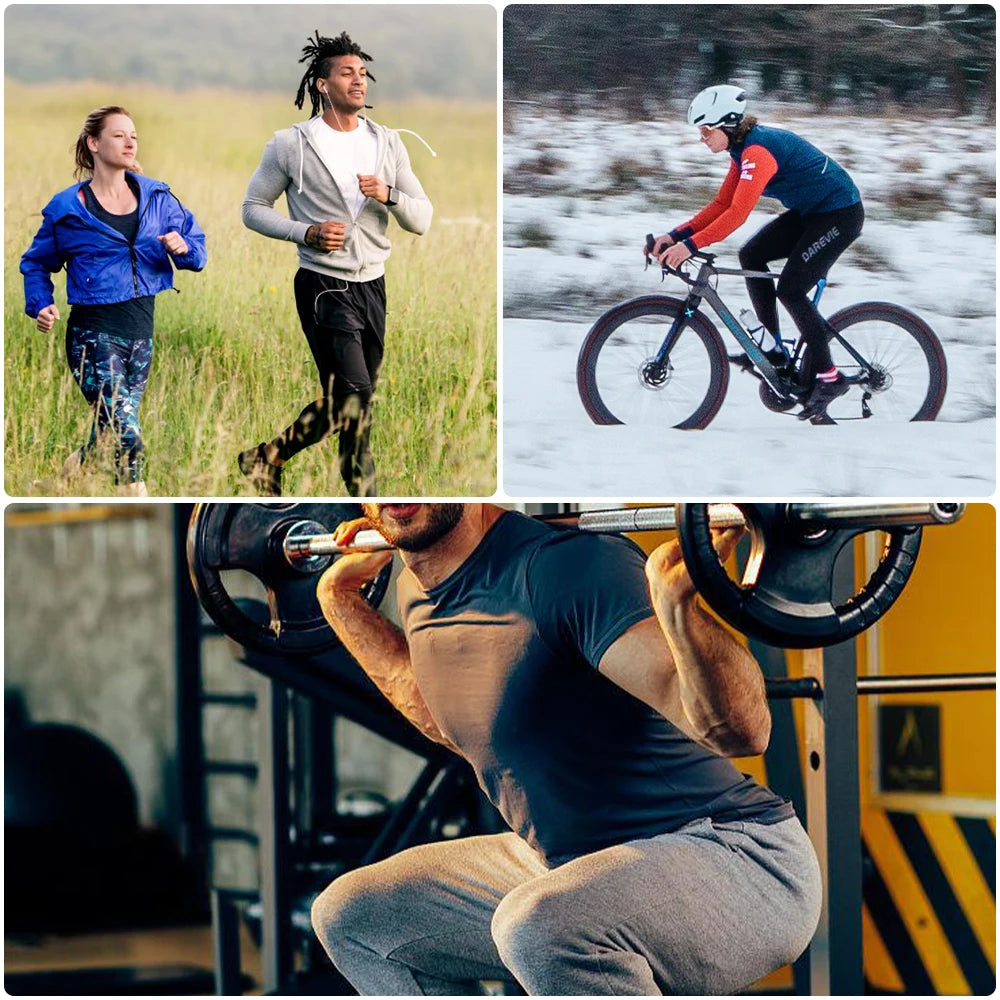
Cold legs during cycling can start early—💡 see it in action and fix it fast.
Why Cold Legs Happen During Cycling
Cold legs during cycling happen when your body prioritizes core warmth over extremities. Wind chill, sweat evaporation, and tight clothing can reduce circulation, making muscles feel stiff or numb. When cycling in winter, these factors combine quickly, especially during early-morning or long-distance rides.
- Wind strips heat faster at speed
- Sweat cools skin once intensity drops
- Restricted blood flow from tight layers
- Ignoring cycling leg warmers temperature limits
Riders often blame the weather, but the real issue is mismatched preparation.
Quick Fixes Before You Ride
Cold legs during cycling can often be prevented before you even clip in. A few minutes of prep makes a noticeable difference.
- Warm up indoors: 5–10 minutes of light spinning or bodyweight squats boost blood flow.
- Check the real feel: Wind chill matters more than air temperature.
- Choose adaptable layers: Removable pieces beat thick, fixed layers.
- Fuel and hydrate: Low energy reduces heat production.
How to Layer for Cycling in Winter Without Bulk
When cycling in winter, effective layering is about balance. Too little insulation causes cold legs during cycling; too much traps sweat and leads to chilling later.
Base Layer: Start Dry
Moisture-wicking shorts or tights keep sweat off skin, preserving warmth.
Mid Layer: Adjustable Warmth
This is where leg warmers shine—easy to add or remove as temperatures change.
Outer Layer: Wind Defense
A thin, wind-resistant shell blocks airflow without overheating.
For recovery and off-bike comfort, many riders explore wellness tools from the Body Care and Health Devices collection to keep muscles relaxed between rides.
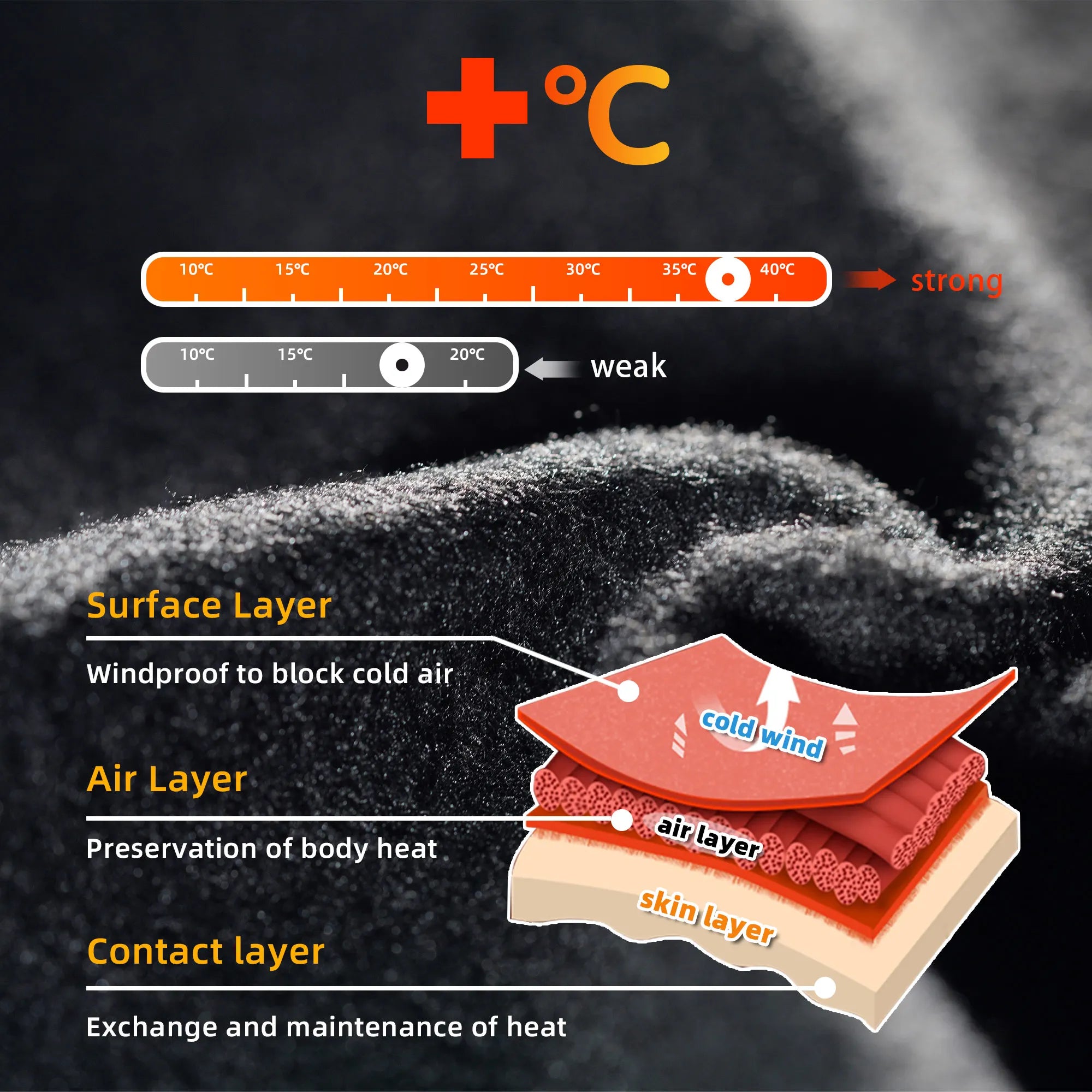
Layering right prevents cold legs during cycling—💡 see it in action.
Cycling Leg Warmers Temperature Guide
Cold legs during cycling often come down to using the wrong gear for the temperature. Matching cycling leg warmers temperature ranges to conditions keeps muscles warm without overheating.
| Temperature | Recommended Setup |
|---|---|
| 60–50°F | Light leg warmers, breathable fabric |
| 50–40°F | Thermal leg warmers with wind protection |
| Below 40°F | Insulated tights or layered warmers |
Using cycling leg warmers within their intended temperature range helps maintain muscle elasticity and reduces fatigue on longer rides.
Step-by-Step Winter Ride Setup
Cold legs during cycling don’t require complicated routines—just consistent habits.
- Check forecast and wind speed.
- Select leg warmers based on temperature range.
- Warm up indoors before heading out.
- Adjust layers after first 10 minutes.
Riders who treat this as part of their routine report better comfort and steadier power output throughout winter rides.
Common Cold-Weather Mistakes to Avoid
- Waiting until you feel cold to add layers
- Wearing overly tight tights that restrict circulation
- Ignoring post-ride warmth and recovery
- Assuming one setup works for all temperatures
Staying comfortable also means supporting overall wellness. Some cyclists explore lifestyle tools from the Lifestyle collection to stay relaxed and ready for the next ride.
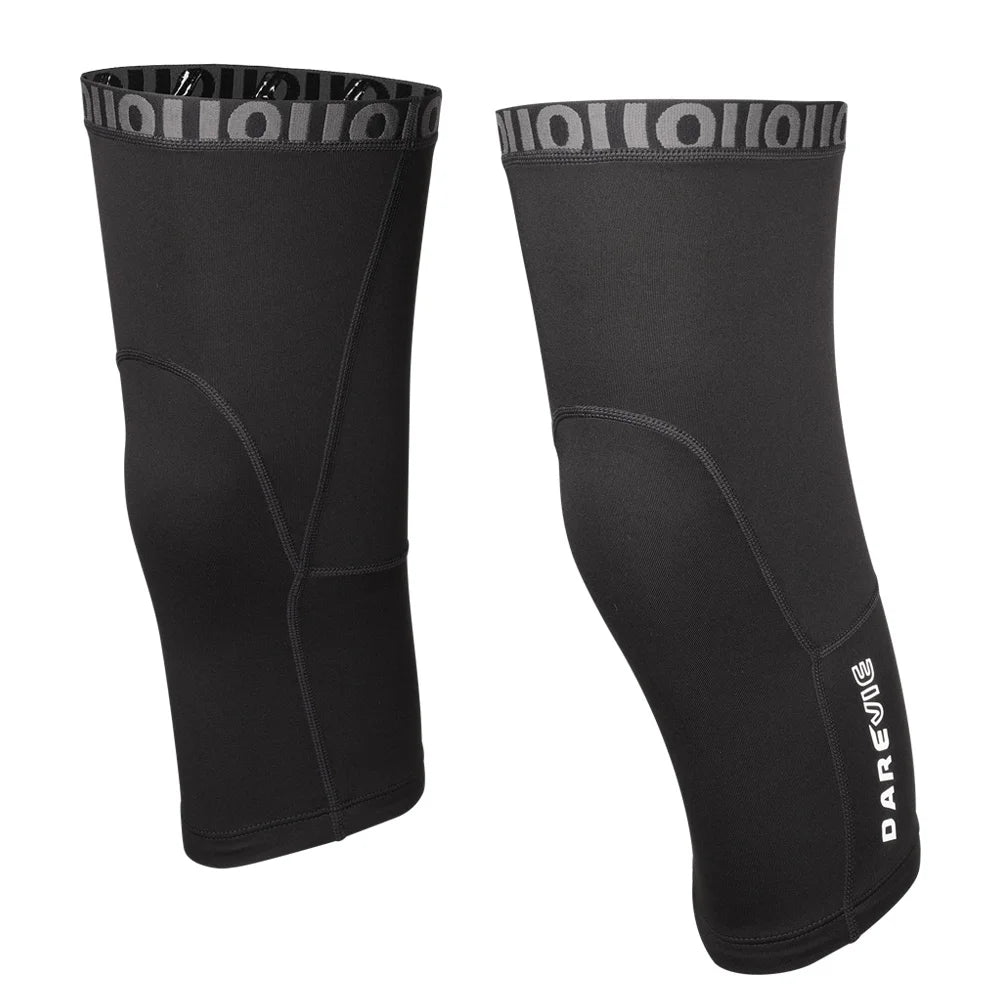
Ride longer without cold legs during cycling—💡 see it in action.
FAQs About Cold Legs During Cycling
Why do my legs go numb even with tights?
Tights alone may not block wind effectively. Adding leg warmers improves insulation and circulation.
Can cold legs affect performance?
Yes. Cold muscles produce less power and fatigue faster, increasing injury risk.
Are leg warmers better than full tights?
Leg warmers offer flexibility, making them ideal for variable winter conditions.
- What to Wear Winter Cycling: A Simple Gear Checklist
- Keeping Legs Warm Cycling Without Bulky Winter Tights
- Unisex Winter Cycling Leg Warmers Compared for Fit and Warmth
Explore More:
- Compression Cycling Leg Warmers: Which Help Fatigue Most?
- Cycling Leg Warmers for Winter: 5 Options by Temperature
Pillar Article: Not Found
Explore More:













