

Keeping Legs Warm Cycling: Complete Guide Without Bulky Winter Tights
Does keeping legs warm cycling really work without bulky winter tights?
Yes. Keeping legs warm cycling is entirely possible without relying on bulky winter tights. The best way to keep legs warm cycling is to combine moisture-wicking base layers, breathable insulation, and wind protection that match the weather rather than simply adding thicker clothing. This layering approach helps regulate body temperature, preserves freedom of movement, and adapts easily as conditions change throughout your ride.
For most riders, cycling leg warmers paired with bib shorts or lightweight tights provide sufficient warmth in cool to cold weather, while dedicated thermal tights become the better choice when temperatures remain close to or below freezing. Matching your clothing to the temperature and ride intensity prevents both overheating and excessive cooling.
⏱ 7 min read
Cold rides can quickly reduce comfort and performance. Wind chill, sweat evaporation, and reduced circulation all contribute to stiff muscles and faster heat loss. Instead of relying on heavy winter tights for every ride, experienced cyclists often use a flexible layering system that provides insulation where it's needed while remaining breathable during climbs and higher-intensity efforts.
Quick question: Do your legs feel comfortable when you leave home, only to become cold, stiff, or sweaty halfway through your winter ride? If so, your layering strategy—not simply the thickness of your clothing—is usually the real issue.
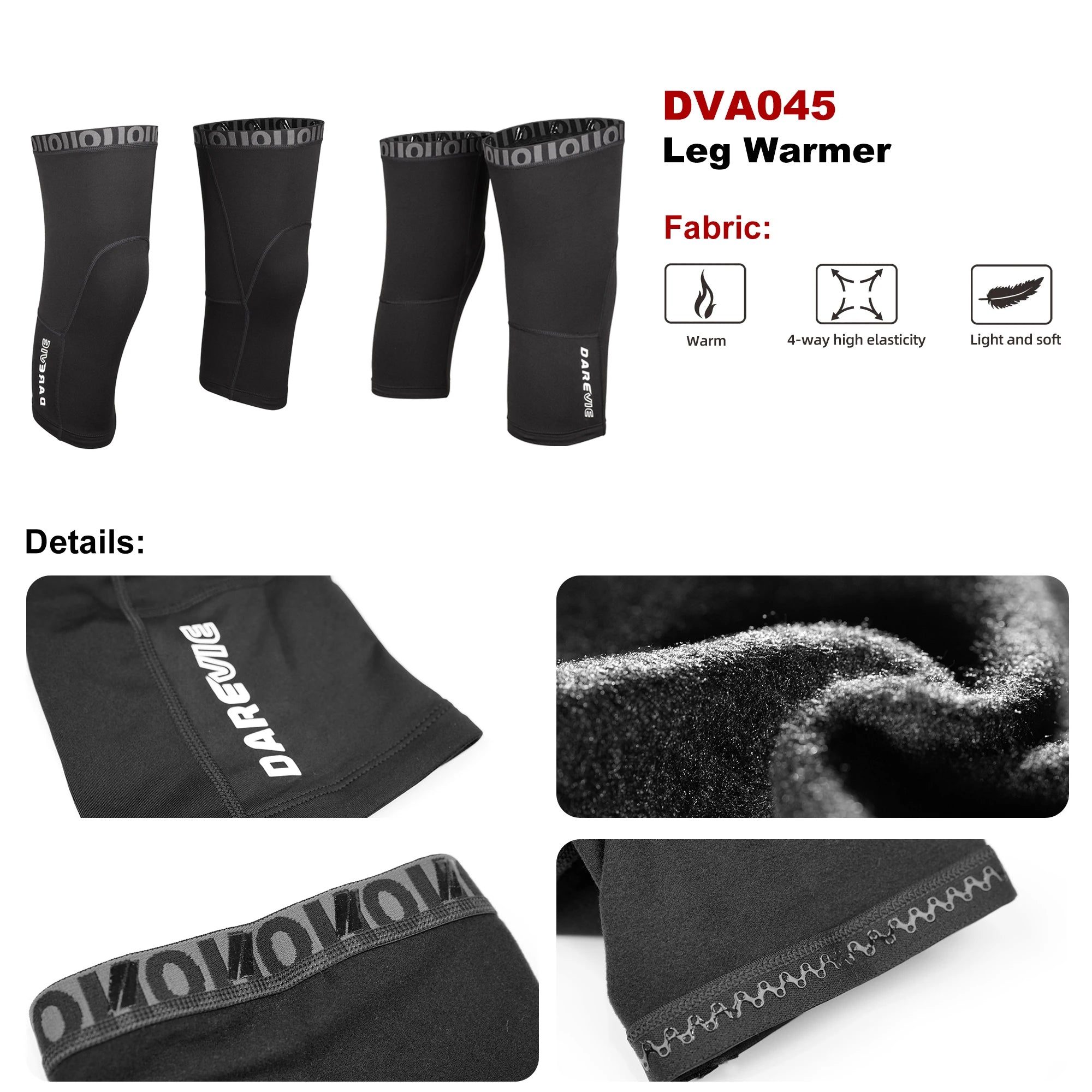
Keeping legs warm cycling with flexible layering — See it in action
Why Legs Get Cold Faster When Cycling (Wind Chill + Sweat Explained)
Your legs generate plenty of power while pedaling, yet they are also among the first parts of your body to lose heat. Constant airflow, exposed muscles, and moisture buildup make cold weather cycling legs especially vulnerable to rapid temperature changes.
Wind Chill and Cycling Speed
As riding speed increases, moving air strips away the thin layer of warm air surrounding your skin. Even on days that feel comfortably cool while standing still, wind chill can make your legs feel significantly colder once you're riding. The faster your descent or the stronger the headwind, the greater the heat loss.
Evaporative Cooling From Sweat
Pedaling produces heat and sweat, particularly during climbs or hard efforts. If perspiration remains trapped against your skin, it cools rapidly when your intensity drops or you encounter stronger airflow. Moisture-wicking fabrics move sweat away from your skin so your insulation continues to work effectively.
Reduced Blood Flow and Muscle Performance
Cold temperatures naturally encourage the body to conserve heat by reducing blood flow to the extremities. As muscles cool, flexibility and efficiency can decline, making your legs feel heavier during long rides. Staying consistently warm helps maintain muscle function while reducing stiffness during extended winter cycling sessions.
- Wind exposure: increases heat loss as cycling speed rises.
- Sweat accumulation: cools rapidly when moisture cannot escape.
- Reduced circulation: contributes to muscle tightness and reduced comfort.
- Long descents: lower heat production while increasing wind exposure.
Understanding these heat-loss mechanisms explains why the best way to keep legs warm in winter is to combine moisture management, insulation, and wind protection rather than relying on one thick layer alone.
How to Keep Legs Warm Cycling: The Layering System That Works
The most effective way to keep legs warm cycling is to build a layering system that responds to changing temperatures, ride intensity, and weather conditions. Each layer serves a specific purpose, allowing you to stay warm without unnecessary bulk.
Base Layer: Moisture Control for Cold Weather Cycling Legs
Your first layer should wick perspiration away from the skin to keep your legs dry throughout the ride. Synthetic technical fabrics or merino wool blends are excellent choices because they continue insulating even as your effort level changes.
The insulating layer traps warm air close to your body. Lightweight thermal fabrics or fleece-backed materials provide warmth while maintaining the flexibility needed for efficient pedaling. More insulation is not always better—choose enough warmth for the expected temperature without encouraging excessive sweating.
Outer Layer: Wind Protection for Winter Cycling Leg Protection
A wind-resistant outer layer shields your thighs and knees from cold airflow while still allowing moisture to escape. Softshell fabrics and strategically placed windproof panels are especially useful on exposed roads, long descents, or breezy winter days.
Adjusting Layers for Ride Duration
Short commutes often require slightly more insulation because you generate less sustained body heat. Longer endurance rides benefit from adaptable clothing that can be removed or adjusted as temperatures rise. Begin your ride feeling slightly cool rather than overly warm to reduce sweat buildup later.
- Keep skin dry to maintain insulation.
- Trap warm air instead of adding unnecessary bulk.
- Use wind protection where exposure is greatest.
- Adjust clothing based on ride length, intensity, and weather.
When these layers work together, they provide dependable winter cycling leg protection while allowing natural movement, making bulky winter tights unnecessary for many cool and moderately cold riding conditions.
Cycling Leg Warmers vs Tights: Which Should You Choose?
Choosing between cycling leg warmers vs tights comes down to three factors: temperature, weather stability, and how much flexibility you want during the ride. Neither option is universally better—each performs best under different riding conditions.
When to Choose Cycling Leg Warmers
Winter cycling leg warmers are ideal when temperatures fluctuate or your ride includes changing elevations and varying effort levels. Because they can be removed and stored easily, they allow you to adapt without carrying a second outfit.
- Temperatures between 5–15°C (41–59°F)
- Morning rides that warm up later in the day
- Variable weather or mixed sunshine and shade
- Cyclists who value flexibility and ventilation
When Thermal Tights Are Better
Thermal cycling tights provide continuous insulation and eliminate gaps between layers. They are often the better option when cold temperatures remain consistent throughout the ride or when long descents increase wind exposure.
- Temperatures consistently below 5°C (41°F)
- Extended rides in cold wind
- Wet, damp, or freezing conditions
- Maximum warmth is the highest priority
Hybrid Strategy: Combine Both for Flexibility
Many experienced cyclists use a hybrid system by pairing bib shorts with cycling leg warmers or lightweight thermal tights featuring windproof front panels. This combination balances warmth, breathability, and freedom of movement while making it easier to adapt to changing weather.
Temperature-Based Guide: What to Wear on Your Legs for Cold Weather Cycling
Choosing winter cycling clothing for legs is easier when you start with the forecast, then adjust for wind, rain, and ride intensity. Use this guide as a practical starting point rather than a fixed rule.
10–15°C (50–59°F)
- Cycling shorts with lightweight cycling leg warmers
- Prioritize breathability and easy layer removal
- Suitable for moderate to high-intensity rides
5–10°C (41–50°F)
- Thermal leg warmers or lightweight thermal tights
- Add wind-resistant protection for exposed routes
- Increase insulation for long descents or strong headwinds
0–5°C (32–40°F)
- Thermal cycling tights with fleece lining
- Choose windproof panels over the thighs and knees when possible
- Reduce exposed skin to maintain consistent muscle warmth
Below 0°C (Below 32°F)
- Heavy thermal tights combined with a windproof outer layer
- Extra insulation around knees is recommended
- Prepare for snow, ice, or prolonged exposure by minimizing moisture buildup
Ride intensity also matters. High-output interval sessions generate more body heat than steady endurance rides, while long descents can quickly cool your muscles. Adjust layers based on both the weather forecast and how hard you expect to ride.
How Cycling Leg Warmers Keep You Warm Without Bulk
Modern thermal leg warmers for cycling are designed to retain warmth where it matters most without restricting movement. Instead of relying on thick insulation throughout the entire leg, they combine advanced fabrics with targeted protection to improve comfort across a wide range of winter conditions.
Fleece-Lined Fabrics
Brushed fleece interiors create tiny pockets of warm air next to the skin while remaining lightweight and flexible. This provides effective insulation without the heavy feel of traditional winter tights.
Softshell Windproof Panels
Many premium cycling leg warmers include wind-resistant panels across the front of the thighs or knees. These areas experience the greatest airflow during riding, so blocking wind can significantly reduce heat loss while maintaining breathability elsewhere.
Merino Wool vs Synthetic Materials
Merino wool offers excellent temperature regulation and natural odor resistance, making it a comfortable option for long rides. Synthetic fabrics dry more quickly, stretch better, and often provide greater durability in wet winter conditions. Many riders choose synthetic thermal warmers for everyday use because they balance insulation, moisture management, and easy maintenance.
- Thermal fabrics help retain body heat efficiently.
- Breathable construction limits sweat accumulation.
- Elastic silicone grippers keep warmers securely in place.
- Wind-resistant zones improve protection without adding excessive weight.
These features are why many cyclists choose cycling leg warmers for cool to cold rides where adaptability is just as important as warmth.
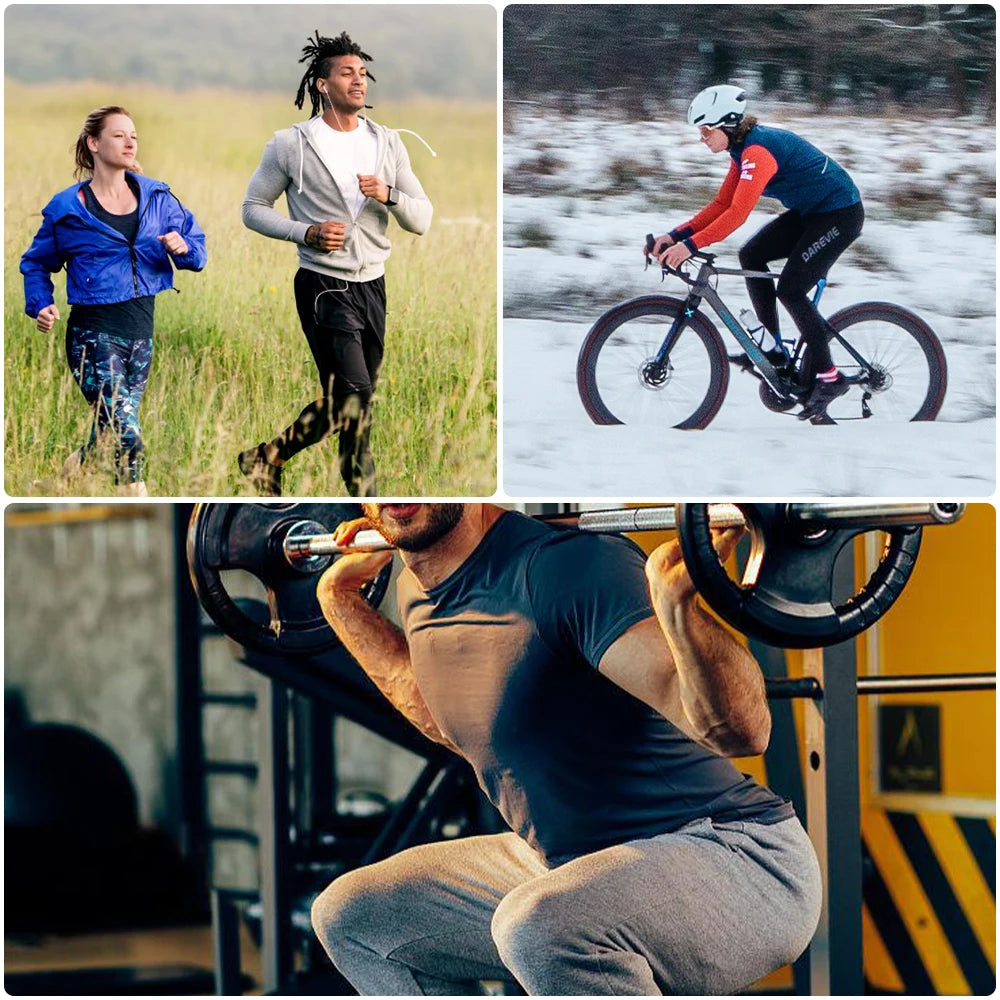
Leg warmers vs tights cycling—light warmth that adapts. See it in action.
How to Use Cycling Leg Warmers Step by Step (Pro Fit Tips)
Even the best cycling leg warmers perform poorly if they do not fit correctly. Proper positioning improves warmth, prevents pressure points, and keeps the fabric securely in place throughout your ride.
When to Put Them On
Put your leg warmers on before heading outdoors while your muscles are still warm and dry. They work best when paired with bib shorts or cycling shorts, allowing the upper gripper to sit comfortably against the thigh without bunching.
- Start with clean, dry skin to improve grip.
- Roll each warmer from the ankle upward instead of pulling aggressively.
- Position the upper band high on the thigh without excessive tension.
- Align the fabric so it bends naturally around the knee.
- Pedal for a few minutes before making any final adjustments.
Prevent Slipping
Slipping is usually caused by poor sizing rather than poor-quality materials. Choose winter cycling leg warmers with silicone grippers, a close athletic fit, and enough stretch to stay secure without restricting circulation.
- Avoid twisting the fabric during installation.
- Match the size to your thigh and calf measurements.
- Replace worn silicone grippers if they lose effectiveness over time.
Removing Them Mid-Ride
One of the biggest advantages of cycling leg warmers is adaptability. As temperatures rise, simply roll them off, fold them neatly, and store them in a jersey pocket. This allows you to regulate body temperature without carrying extra clothing.
Best Way to Keep Legs Warm Cycling for Different Riding Styles
Commuting
Urban commuters benefit from lightweight, removable layers that adapt to changing morning and afternoon temperatures. Cycling leg warmers are especially practical because they can be taken off quickly after arriving at work.
Road Cycling
Road riders often encounter sustained speeds and long descents that increase wind chill. Streamlined thermal tights or fitted leg warmers help preserve aerodynamics while maintaining consistent muscle warmth over long distances.
Mountain Biking
Trail riding combines lower speeds with frequent movement and changing terrain. Look for durable, abrasion-resistant materials that stretch comfortably while protecting against mud, moisture, and cool forest conditions.
Long Descents and Endurance Rides
Long rides require clothing that performs for several hours rather than just the first few miles. Extended descents can cool working muscles rapidly, making wind-resistant panels and moisture management increasingly important. Riders tackling endurance routes should prioritize comfort, temperature regulation, and clothing that remains effective even after repeated climbs and descents.
Common Mistakes That Make Your Legs Cold While Cycling
Many cold weather cycling problems are caused by clothing choices rather than low temperatures alone. Avoiding these common mistakes often improves comfort more effectively than adding thicker insulation.
- Overdressing: Excess insulation traps sweat, which later cools and increases heat loss.
- Ignoring wind protection: Fast-moving air dramatically increases cooling, particularly during descents.
- Poor moisture control: Cotton and non-technical fabrics hold moisture instead of moving it away from the skin.
- Poor fit: Loose layers allow cold air to circulate, while overly tight clothing can restrict circulation.
- Skipping a warm-up: Starting with cold muscles delays natural heat production and reduces early-ride comfort.
- Neglecting fuel and hydration: Long winter rides require adequate energy to help your body continue producing heat.
Keeping legs warm cycling is about balancing insulation, breathability, and movement. A properly fitted layering system, combined with good preparation, usually delivers better comfort than simply wearing heavier clothing.
Quick FAQs About Winter Cycling Leg Warmers
Are cycling leg warmers enough for freezing temperatures?
Usually not by themselves. Winter cycling leg warmers perform best in cool to cold conditions, but when temperatures fall below 0°C (32°F), most riders benefit from thermal bib tights or an additional windproof outer layer. Wind speed, precipitation, and ride duration should also influence your clothing choice.
Do leg warmers slip during rides?
Quality cycling leg warmers with silicone grippers and the correct size should remain securely in place throughout normal riding. Slipping is most often caused by incorrect sizing, worn grippers, or placing the upper cuff too low on the thigh.
Can I remove leg warmers mid-ride?
Yes. Their removability is one of the biggest advantages over full-length tights. Once temperatures rise or your effort level increases, you can roll them off, fold them compactly, and store them in a jersey pocket.
What material is best for thermal leg warmers cycling?
Fleece-lined synthetic fabrics provide an excellent balance of insulation, stretch, moisture management, and durability. Merino wool is another strong option for riders who prioritize natural temperature regulation and odor resistance during long rides.
Should beginners use tights or leg warmers?
Many beginners find cycling leg warmers easier to use because they offer greater flexibility across changing conditions. Riders who regularly cycle in consistently cold weather may eventually prefer dedicated thermal tights for maximum warmth.
How cold is too cold for cycling without thermal tights?
There is no single temperature that applies to every rider, but once conditions approach freezing or include strong wind and wet roads, thermal tights generally provide more consistent protection than leg warmers alone.
Should I wear leg warmers over bib shorts or under them?
Leg warmers are typically designed to be worn with bib shorts. Position the upper gripper high on the thigh so the bib shorts comfortably overlap the warmer, creating continuous coverage without restricting movement.
Are fleece-lined bib tights warmer than leg warmers?
Yes. Fleece-lined bib tights usually provide more uniform insulation across the entire leg, making them a better choice for prolonged exposure to very cold weather. Leg warmers remain the more versatile option when temperatures change throughout the ride.
How do I stop sweating and getting cold during winter rides?
Start your ride feeling slightly cool rather than overheated, wear moisture-wicking base layers, and adjust clothing according to your effort level. Staying dry is often more important than adding extra insulation.
Do windproof panels make a bigger difference than thicker insulation?
In many winter riding conditions, yes. Preventing cold wind from reaching your muscles often improves comfort more than simply increasing fabric thickness, especially during fast descents.
What should I wear for rainy winter cycling?
Prioritize water-resistant outer layers, moisture-wicking base fabrics, and clothing that continues insulating even when damp. Keeping your legs dry helps preserve warmth throughout the ride.
How should clothing change for long rides versus short commutes?
Short commutes often allow slightly heavier insulation because overheating is less of a concern. Longer rides benefit from adaptable layering systems that can be adjusted as temperatures, weather, and riding intensity change.
- What to Wear Winter Cycling: A Simple Gear Checklist
- Cold Legs During Cycling? Fix It Before Your Next Ride
- Unisex Winter Cycling Leg Warmers Compared for Fit and Warmth
Explore More:
- Compression Cycling Leg Warmers: Which Help Fatigue Most?
- Cycling Leg Warmers for Winter: 5 Options by Temperature
Pillar Article: Not Found
- Compression Fleece Leg Warmers Cycling Tested on Winter Rides
- Compression Cycling Leg Warmers: Which Help Fatigue Most?
Ride Longer With Comfort and Confidence
Keeping legs warm cycling is less about wearing the thickest gear and more about choosing clothing that matches the weather, your riding intensity, and the length of your ride. A well-planned layering system helps maintain muscle comfort, supports efficient movement, and reduces the distraction of constantly feeling too hot or too cold.
Whether you commute through cool mornings or spend hours on winter training rides, selecting breathable insulation and effective wind protection will usually deliver better comfort than bulky winter tights alone. Adaptability is often the key to riding farther with confidence.













