

Do Cycling Leg Warmers Work in Cold Weather?
Yes, cycling leg warmers work in cold weather by insulating your legs, reducing heat loss, and helping maintain comfortable muscle temperature during winter rides. They are especially useful because they provide warmth without the bulk of full tights, allowing cyclists to adjust layers as conditions change.
When Leg Warmers Are Enough (5–12°C)
For mild winter conditions between 5–12°C, thermal cycling leg warmers are often enough on their own. They trap body heat, protect knees from cold air, and allow moisture to escape during commuting, endurance rides, and higher-intensity training sessions.
When Thermal Leg Warmers Excel (0–5°C)
When temperatures drop closer to freezing, thermal cycling leg warmers with fleece insulation provide better warmth than lightweight sleeves. They are ideal for longer rides because they help maintain comfort around key areas such as the knees and thighs.
For rides lasting several hours, combine them with insulated bib shorts, winter cycling socks, and a wind-resistant outer layer for improved protection.
When Full Winter Tights Are the Better Choice (Below 0°C)
Below freezing temperatures, strong winds, or wet conditions may require more coverage. Full winter bib tights provide additional insulation and protection when cycling leg warmers alone cannot maintain enough warmth.
Best Cycling Leg Warmers for Winter: Tested Picks for Cold Weather Riding
Cold rides shouldn’t mean stiff legs, uncomfortable knees, or ending your workout early. The best cycling leg warmers for winter combine insulation, stretch, breathability, and reliable grip to keep riders comfortable without limiting movement.
⏱ 5 min read

Unisex winter cycling leg warmers designed for cycling in cold weather — Stay flexible and warm
Best Cycling Leg Warmers for Winter: Tested Picks Compared
Quick Comparison Table
| Product Type | Best For | Temperature Range | Key Feature | Ideal Rider |
|---|---|---|---|---|
| Thermal Fleece Cycling Leg Warmers | Cold winter rides | 0–10°C | Brushed insulation and comfort | Regular winter cyclists |
| Windproof Leg Warmers | Cold, windy routes | -5–8°C | Wind-blocking panels | Fast riders and exposed roads |
| Lightweight Thermal Sleeves | Variable weather | 8–15°C | Breathability and flexibility | Season-transition riders |
| Budget Cycling Leg Warmers | Short rides | 5–12°C | Affordable protection | Casual cyclists |
| Endurance Cycling Leg Warmers | Long-distance rides | 0–10°C | Long-ride comfort and stability | Touring cyclists |
Best Overall Cycling Leg Warmers Winter
Thermal cycling leg warmers with brushed fleece interiors are the best all-around option for most riders. They provide a balance of warmth, flexibility, and moisture control while working across a wide range of winter conditions.
Pros: Versatile, comfortable, breathable, easy to layer.
Best for: Commuters, fitness riders, and cyclists who need one dependable winter option.
Best Thermal Cycling Leg Warmers for Freezing Conditions
Fleece-lined thermal designs perform best when temperatures approach freezing. The extra insulation helps retain warmth during slower sections, long climbs, and extended outdoor sessions.
Pros: Maximum warmth, soft interior, better cold protection.
Best for: Winter training and cold morning rides.
Best Windproof Leg Warmers for Cold, Windy Rides
Windproof leg warmers are designed for riders who frequently face strong winds or high-speed descents. Their protective outer panels reduce wind chill and help prevent rapid heat loss.
Pros: Better protection against airflow and exposed conditions.
Best for: Road cyclists and commuters in windy climates.
Best Budget Cycling Leg Warmers
Budget options can provide reliable warmth for shorter rides when premium insulation is not required. Focus on stretch fabric, secure grips, and comfortable seams.
Pros: Affordable, practical, suitable for occasional use.
Best for: New winter cyclists and casual riders.
Best Lightweight Leg Warmers for Variable Weather
Lightweight cycling leg warmers are useful when temperatures fluctuate throughout the day. They can be removed easily and stored when conditions become warmer.
Best Long-Distance Endurance Pick
For endurance rides, comfort and stability matter most. The best long-distance options combine moisture management, secure fit, and fabrics that remain comfortable after several hours of pedaling.
Do Cycling Leg Warmers Work in Cold Weather?
When Leg Warmers Are Enough (5–12°C)
At moderate winter temperatures, cycling leg warmers provide enough insulation for many riders. They keep muscles covered while maintaining flexibility, making them useful for daily rides and changing conditions.
When Thermal Leg Warmers Excel (0–5°C)
Thermal cycling leg warmers become more valuable as temperatures approach freezing. Fleece interiors and thicker fabrics provide additional warmth without the restrictions some riders experience with full tights.
When Full Winter Tights Are the Better Choice (Below 0°C)
When temperatures fall below freezing or conditions become wet and windy, full winter tights are often the better choice. They provide more complete coverage and reduce exposure to harsh weather.
How to Choose Cycling Leg Warmers for Winter
Temperature Ratings
Select leg warmers based on your typical riding temperatures:
- 10–15°C: Lightweight designs for cool weather.
- 0–10°C: Thermal cycling leg warmers for winter rides.
- Below 0°C: Layering or full winter tights may be required.
Thermal Fleece vs Lycra vs Windproof Panels
- Thermal fleece: Provides maximum insulation for cold rides.
- Lycra: Offers flexibility and lightweight comfort.
- Windproof panels: Reduce wind chill during fast riding.
Water Resistance and DWR Coatings
Some cycling leg warmers feature water-resistant treatments that help protect against light rain and road spray. They improve comfort during unpredictable weather but are not a replacement for waterproof cycling gear.
Fit, Silicone Grippers and Compression
A proper fit prevents sliding and improves comfort. Look for silicone grippers, ergonomic shaping, and stretch fabrics that move naturally with your pedal stroke.
Compatibility with Bib Shorts
Cycling leg warmers are designed to pair with bib shorts. The upper section should overlap comfortably without creating pressure points.
Cycling Leg Warmers vs Tights: Which Is Better?
When Leg Warmers Outperform Tights
Leg warmers are better for riders who experience changing temperatures. They can be removed during warmer sections, making them highly versatile.
When Winter Bib Tights Make More Sense
Winter bib tights are better for consistently cold environments because they provide full leg coverage and continuous insulation.
Cost and Versatility Comparison
Leg warmers usually offer better value for riders who already own cycling shorts. They extend the usability of existing gear across multiple seasons.
How to Keep Your Legs Warm While Cycling
Layering for Dry Cold
For dry winter conditions, start with moisture-wicking bib shorts and add thermal leg warmers. This combination balances insulation and breathability.
Layering for Wet Winter Rides
Wet rides require better moisture management. Combine leg warmers with water-resistant outer layers and avoid fabrics that trap sweat.
Choosing the Right Accessories
Complete your winter setup with protective gear such as winter cycling gloves, thermal base layers, jackets, overshoes, and winter cycling socks.
Thermal vs Standard Cycling Leg Warmers
Warmth Comparison
Thermal cycling leg warmers provide more insulation because of thicker fabrics and brushed interiors. Standard options focus more on flexibility and lightweight coverage.
Breathability
Standard leg warmers allow more airflow, while thermal versions prioritize warmth during colder rides.
Stretch and Comfort
High-quality designs use elastic fabrics that move naturally while maintaining a secure fit.
Best Conditions for Each
- Thermal: Cold winter rides.
- Standard: Mild weather and transitional seasons.
- Windproof: Cold and exposed routes.
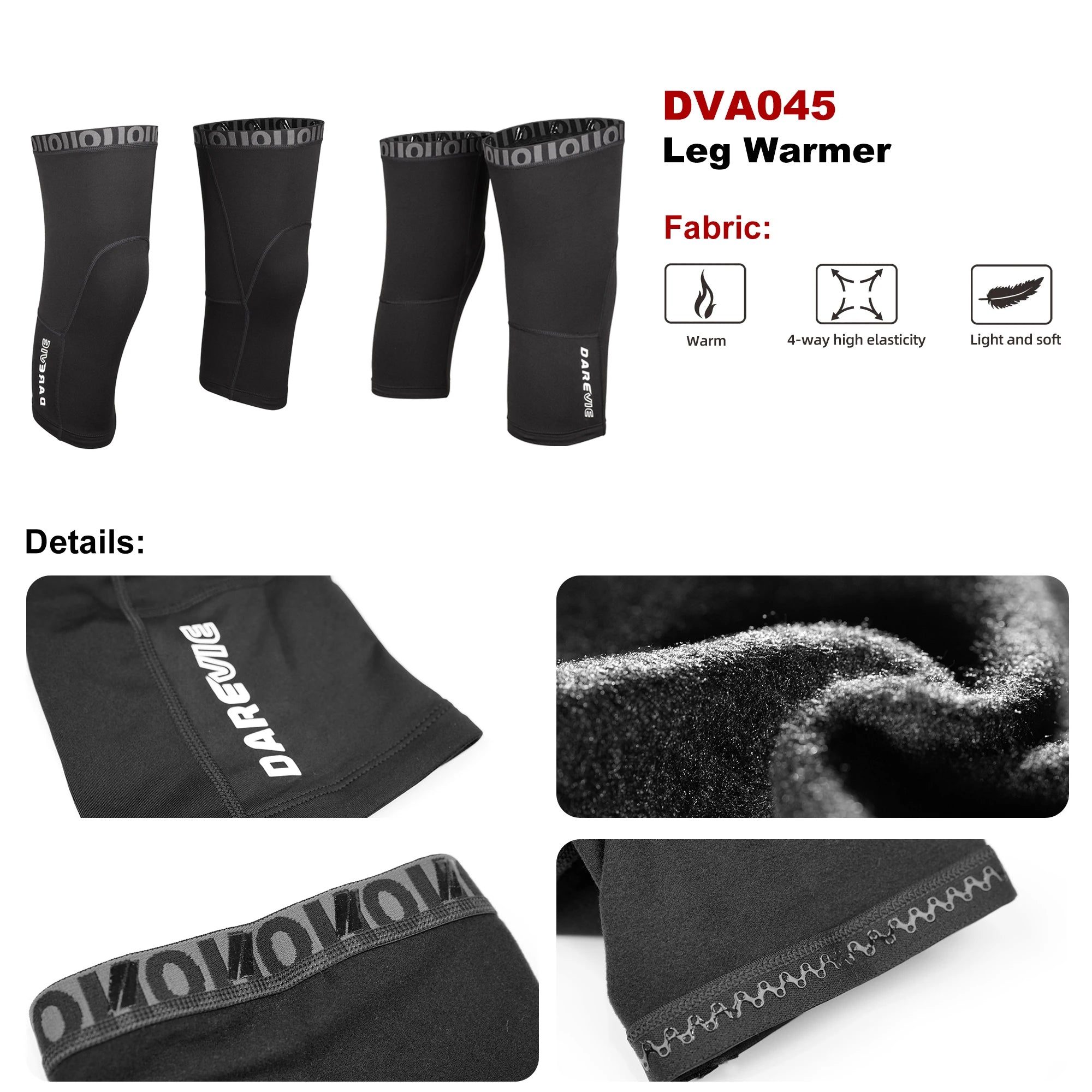
Comparing fit and stretch for winter cycling performance — See how they adapt in motion
Real-World Testing: How We Evaluated These Leg Warmers
Testing Conditions
Testing focused on winter cycling scenarios including commuting, training rides, changing temperatures, and longer outdoor sessions.
Fit and Stability
We evaluated how securely leg warmers stayed in place during climbing, descending, and repeated pedaling movements.
Warmth and Moisture Management
Performance factors included insulation, breathability, comfort during exertion, and moisture control during longer rides.
Unisex Cycling Leg Warmers Fit Guide
Sizing Tips
Choose a size based on your measurements and the manufacturer's guide. A correct fit should feel snug without restricting movement.
Compression Fit
Moderate compression helps improve stability and prevents excess fabric movement during cycling.
Preventing Slipping
Silicone grips, correct sizing, and proper positioning help keep leg warmers secure throughout your ride.
Care and Maintenance
Washing Thermal Fabrics
Wash thermal cycling leg warmers gently and avoid harsh chemicals that may damage insulating fibers.
Maintaining Silicone Grippers
Clean silicone grips regularly and avoid high heat drying to maintain elasticity.
Storage Tips
Store leg warmers dry and folded loosely to protect fabric shape and performance.
Frequently Asked Questions About Winter Cycling Leg Warmers
Are cycling leg warmers worth buying for winter?
Yes. They provide flexible warmth, work with existing cycling shorts, and are useful across changing winter conditions.
Do leg warmers keep you warm cycling?
Yes. Thermal cycling leg warmers help reduce heat loss and keep muscles more comfortable during cold rides.
Cycling leg warmers vs tights: which is warmer?
Winter tights are usually warmer because they provide full coverage, while leg warmers offer better flexibility and versatility.
How should cycling leg warmers fit?
They should fit securely with comfortable stretch and remain in place without restricting movement.
Can you wear cycling leg warmers with bib shorts?
Yes. This is one of the most common winter cycling combinations.
How do you stop cycling leg warmers from slipping?
Use the correct size, choose silicone grippers, and position the upper band securely on the thigh.
Are thermal leg warmers waterproof?
Most thermal leg warmers are water-resistant rather than waterproof. They handle light moisture but need additional rain protection in wet conditions.
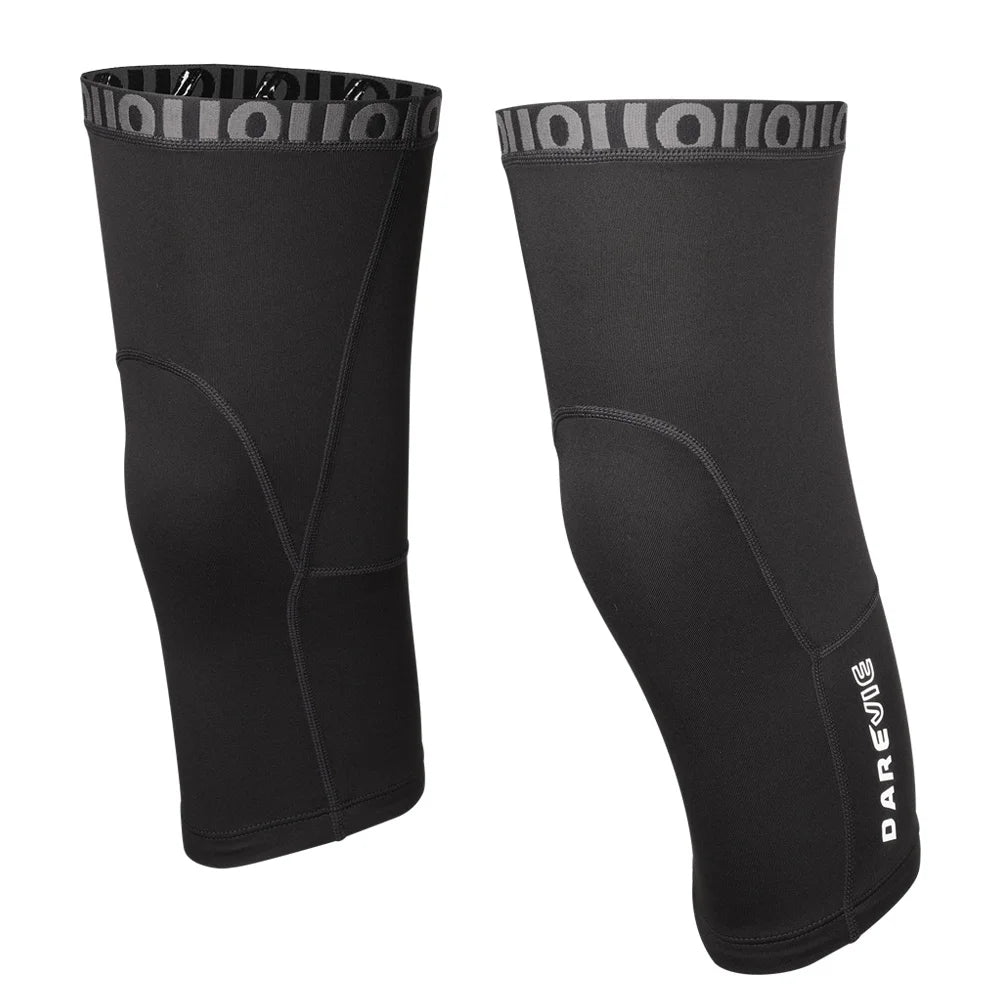
Keeping legs warm cycling without bulk — Discover the fit riders trust
- What to Wear Winter Cycling: A Simple Gear Checklist
- Cold Legs During Cycling? Fix It Before Your Next Ride
- Keeping Legs Warm Cycling Without Bulky Winter Tights
Explore More:
- Compression Cycling Leg Warmers: Which Help Fatigue Most?
- Cycling Leg Warmers for Winter: 5 Options by Temperature
Pillar Article: Not Found
Explore More:













